
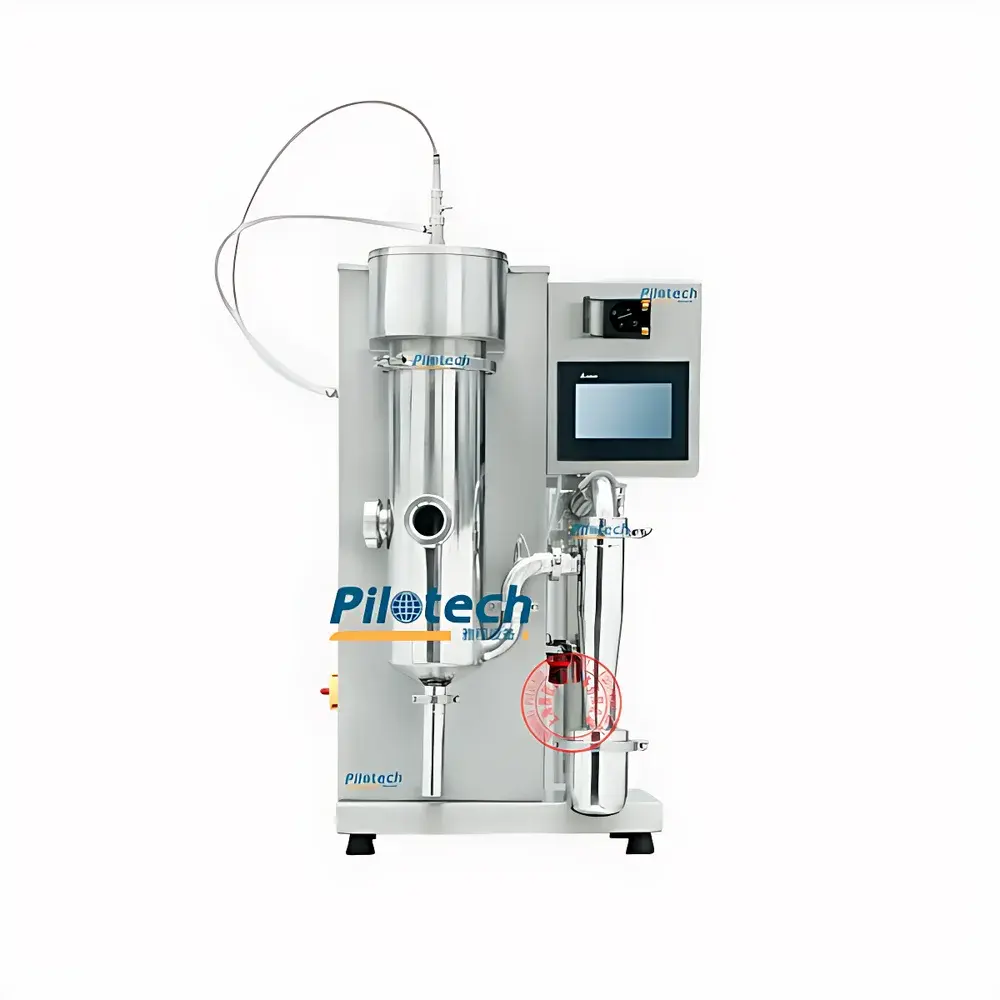
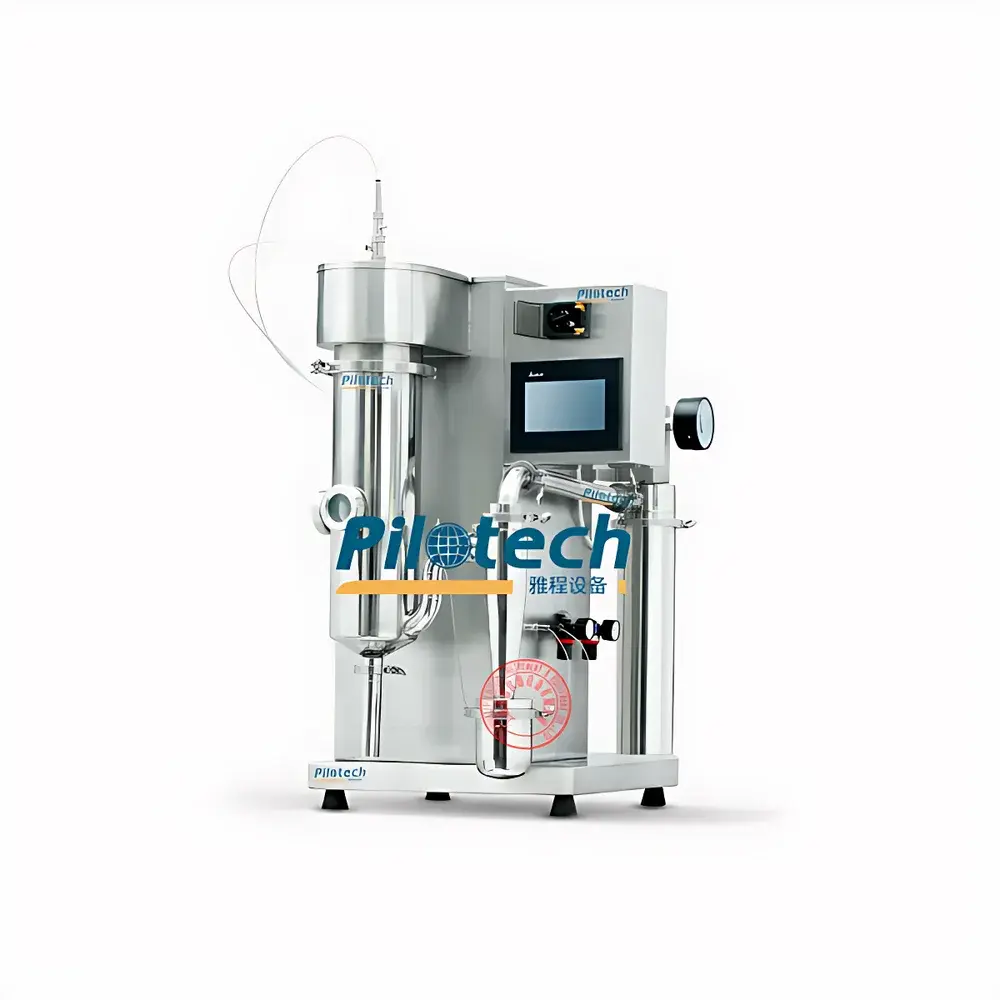
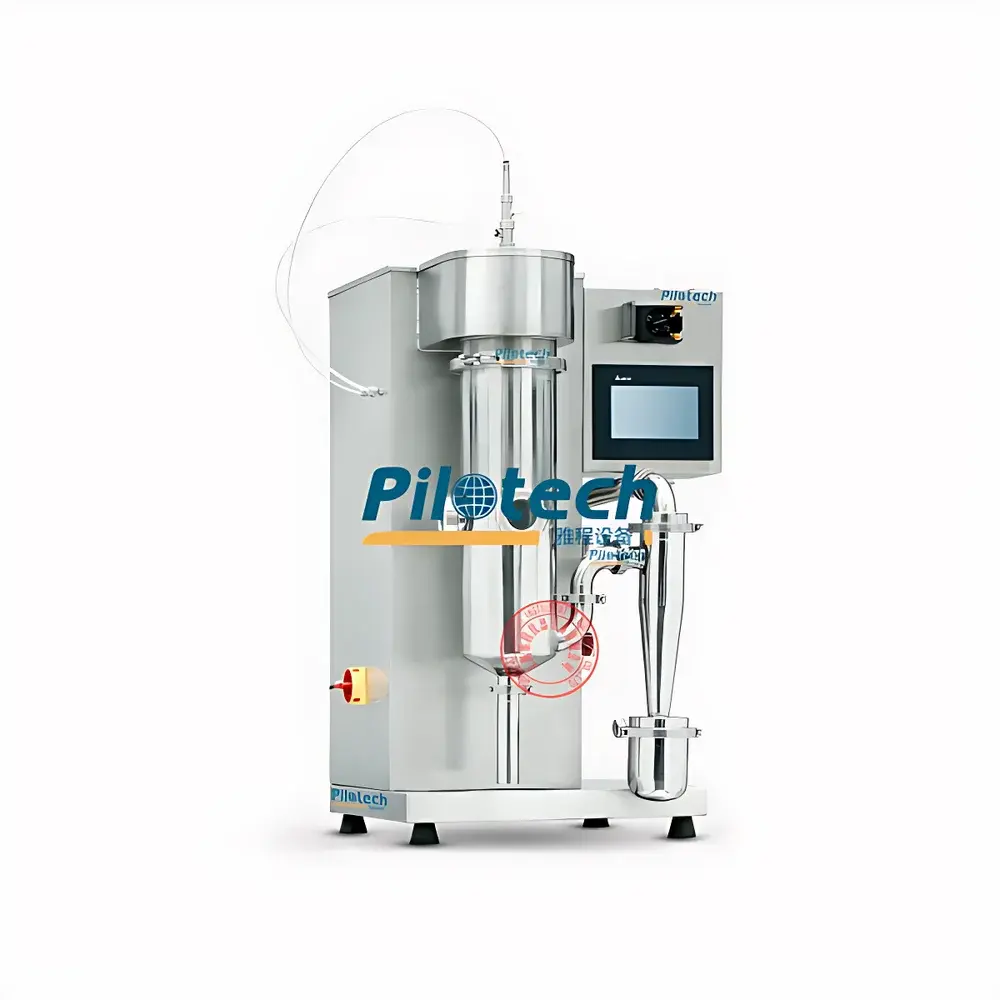
雅程YC 500桌面型喷雾干燥机
| Brand | Yacheng / PILOTECH |
|---|---|
| Origin | Shanghai, China |
| Manufacturer Type | Direct Manufacturer |
| Product Category | Domestic |
| Model | YC-500 |
| Sample Type | Aqueous solutions (organic solvents compatible with optional nitrogen recirculation system) |
| Max Feed Rate | 500 mL/h |
| Inlet Temperature Range | Up to 200 °C |
| Outlet Temperature Range | As low as 80 °C (solvent-dependent) |
| Particle Size Distribution | 1–25 µm |
| Nozzle Diameter | 1.0 mm standard (0.5/0.8/1.5/2.0 mm optional) |
| Construction Material | Full SUS304 stainless steel |
| Power Supply | 2 kW / 220 V |
| Display | Color LCD touchscreen with real-time animation |
Overview
The Yacheng YC-500 Benchtop Spray Dryer is an engineered solution for laboratory-scale particle formation and solvent removal from liquid feedstocks via single-stage, concurrent-flow spray drying. It operates on the principle of atomizing a liquid feed into fine droplets using a two-fluid (air or nitrogen-assisted) nozzle, followed by rapid evaporation in a heated drying chamber under controlled thermal and airflow conditions. Designed specifically for research environments where space, flexibility, and reproducibility are critical, the YC-500 integrates compact benchtop footprint with modular adaptability—enabling seamless transition from aqueous to organic-solvent processing through integration with the optional YC-501 nitrogen recirculation system. Its architecture supports GMP-aligned workflows in pharmaceutical, food, materials science, and nanotechnology labs, particularly where small-batch powder development, excipient screening, or lab-to-pilot scale-up validation is required.
Key Features
- True benchtop form factor: Self-contained unit fits directly on standard laboratory workbenches or mounts onto the YC-501 nitrogen recirculation platform without structural modification.
- Modular solvent compatibility: Base configuration processes aqueous solutions; addition of the YC-501 inert gas recirculation module enables safe, closed-loop drying of flammable or heat-sensitive organic solvents (e.g., ethanol, acetone, dichloromethane) while complying with OSHA and IEC 60079 explosion protection guidelines.
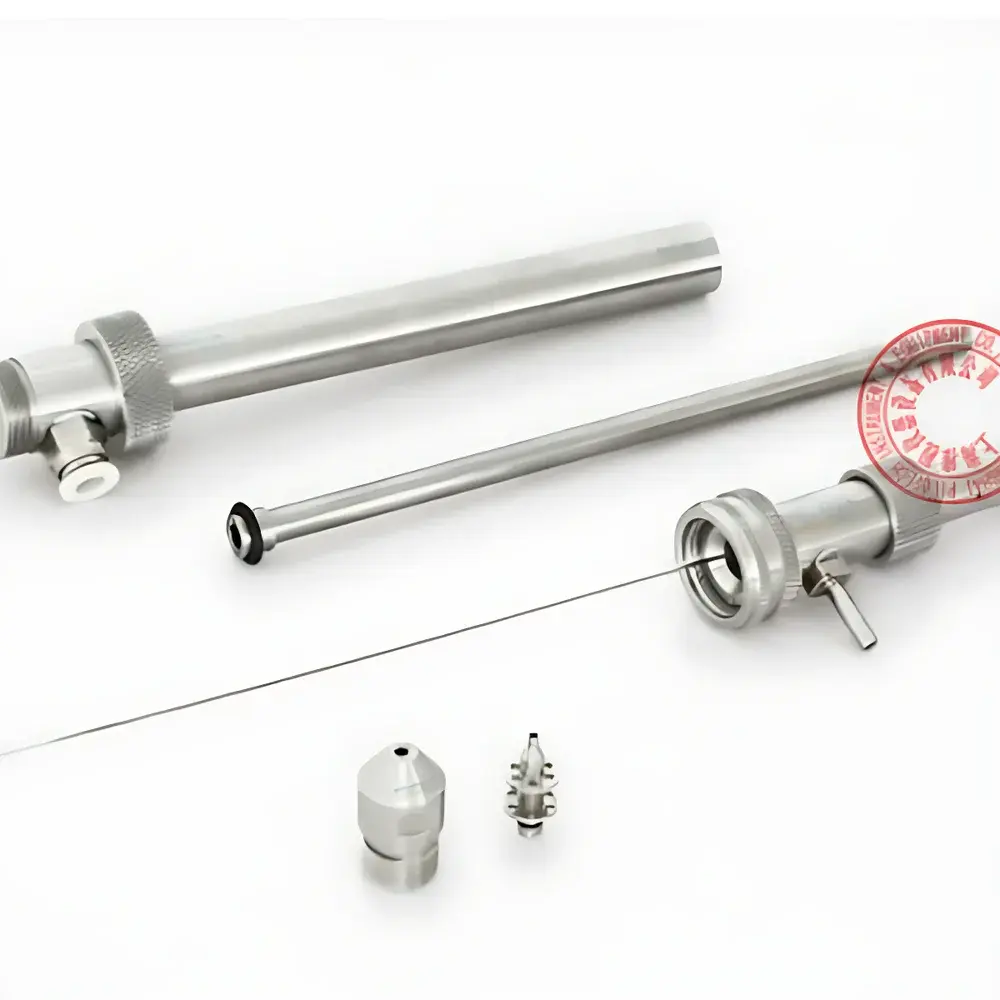
- Coaxial two-fluid nozzle: Precision-machined concentric design eliminates off-center spray drift, preventing wall deposition and maximizing powder recovery (>85% typical for model proteins and polysaccharides). Nozzle height is vertically adjustable to optimize droplet trajectory relative to drying air flow profile.
- High-fidelity process monitoring: Real-time color touchscreen interface displays inlet temperature, outlet temperature, blower frequency, peristaltic pump speed, and needle-cleaning pulse frequency—all logged with timestamped metadata.
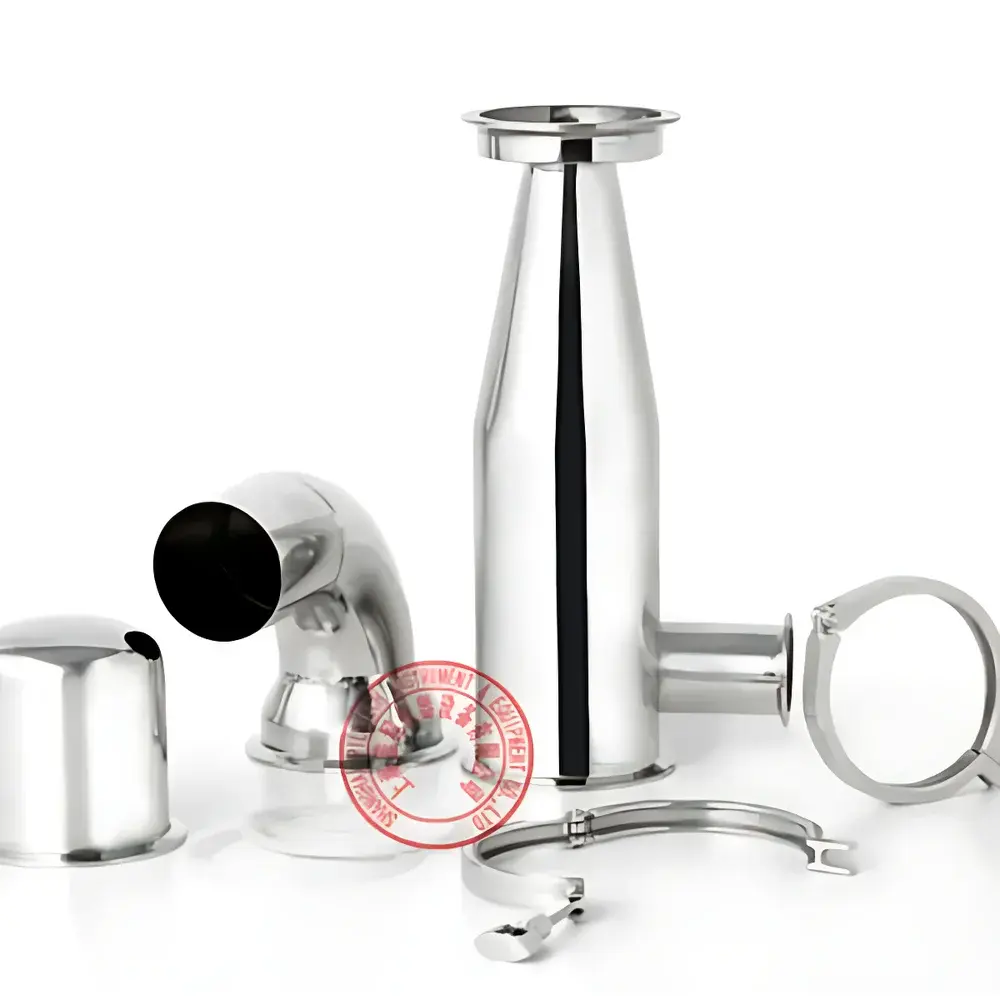
- Dust collection enhancement: Optional integrated cyclonic exhaust filter reduces airborne particulate emissions and improves yield for low-density or cohesive powders (e.g., amorphous lactose, nanostructured silica).
- Robust thermal management: Reinforced ceramic-insulated heating element with redundant overtemperature cutoff ensures stable inlet temperature control and extended service life—eliminating frequent heater replacement common in legacy benchtop systems.
Sample Compatibility & Compliance
The YC-500 accommodates feedstocks with total solids content ranging from 1% to 30% w/w, including protein solutions, polymer emulsions, colloidal suspensions, and API nanosuspensions. Its SUS304 construction meets ASTM A240 standards for corrosion resistance and facilitates cleaning validation per FDA 21 CFR Part 11 and EU Annex 11 requirements. When configured with the YC-501 nitrogen loop, the system achieves oxygen concentration <1% v/v during operation—enabling compliance with USP analytical instrument qualification protocols and supporting GLP audit readiness. The absence of internal electrical ignition sources in the drying chamber satisfies ATEX Zone 22 classification when used with certified inert gas supply.
Software & Data Management
All operational parameters are recorded at 1-second intervals to internal flash memory and exportable via USB to CSV format. The embedded controller supports user-defined drying profiles with up to 10 programmable ramp-hold segments, ensuring repeatability across multiple operators and shifts. Audit trail functionality logs all parameter changes, user logins, and system events—fully traceable for regulatory submissions. Data integrity aligns with ALCOA+ principles (Attributable, Legible, Contemporaneous, Original, Accurate, Complete, Consistent, Enduring, Available), making the YC-500 suitable for early-phase formulation development under ICH Q5C and Q8(R2) frameworks.
Applications
- Pharmaceutical: Production of inhalable dry powders, amorphous solid dispersions, and nanoparticle carriers for controlled release.
- Food & Nutrition: Encapsulation of probiotics, vitamins, and omega-3 oils; production of instant beverage powders and functional ingredient carriers.
- Materials Science: Synthesis of battery cathode precursors (e.g., LiCoO₂), metal oxide nanoparticles, and porous silica microspheres.
- Academic Research: Method development for continuous manufacturing, drying kinetics modeling, and structure–property relationship studies of dried matrices.
FAQ
Can the YC-500 dry organic solvents without the YC-501 nitrogen recirculation system?
No. Organic solvent drying requires an inert atmosphere to prevent fire/explosion hazards; the YC-501 system is mandatory for such applications.
What is the minimum sample volume required for a valid run?
Typical minimum feed volume is 10–20 mL, depending on solids concentration and desired powder yield.
Is the touchscreen interface compatible with LIMS integration?
Raw data export (CSV) supports manual import into LIMS; direct OPC UA or Modbus TCP integration is available via optional firmware upgrade.
Does the system support Good Manufacturing Practice (GMP) documentation packages?
Yes—IQ/OQ documentation templates, calibration records, and preventive maintenance logs are provided upon request for regulated environments.
How often does the coaxial nozzle require cleaning or maintenance?
Under normal aqueous operation, nozzle cleaning is recommended after every 3–5 runs; frequency increases with high-viscosity or particulate-laden feeds.



