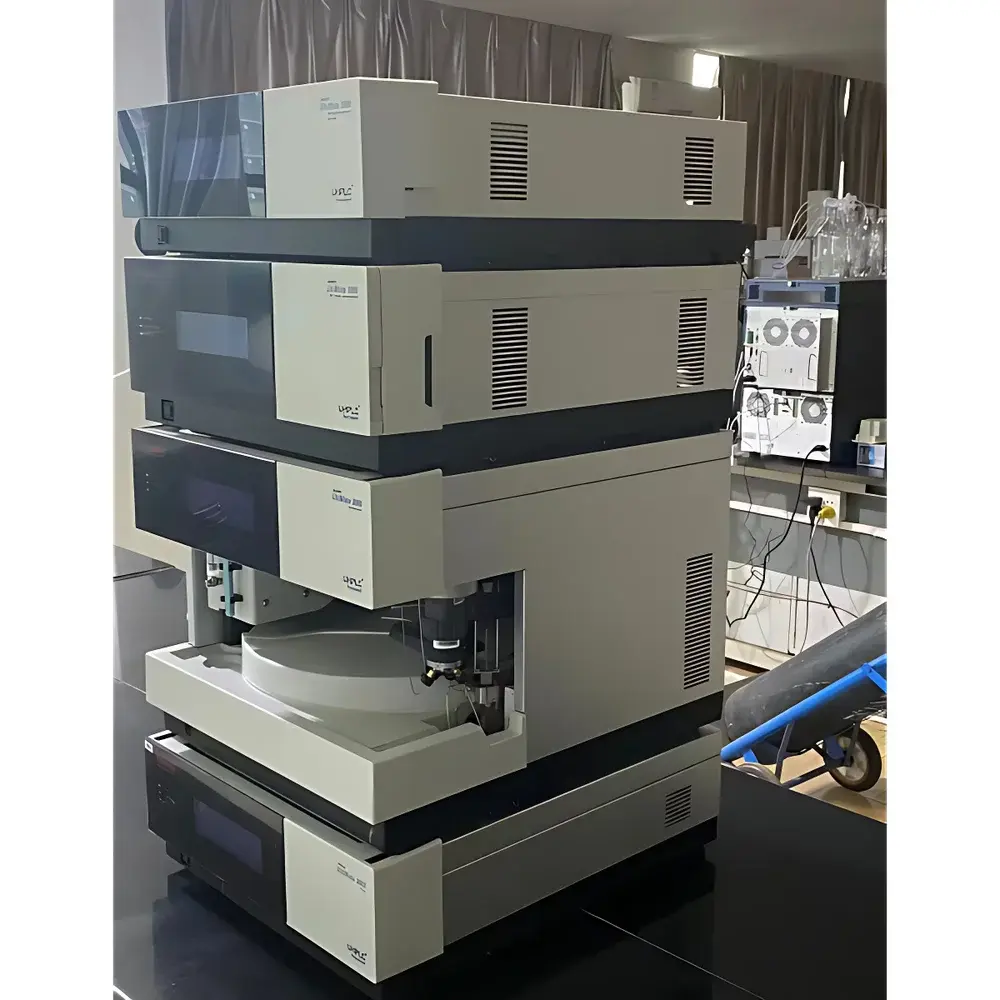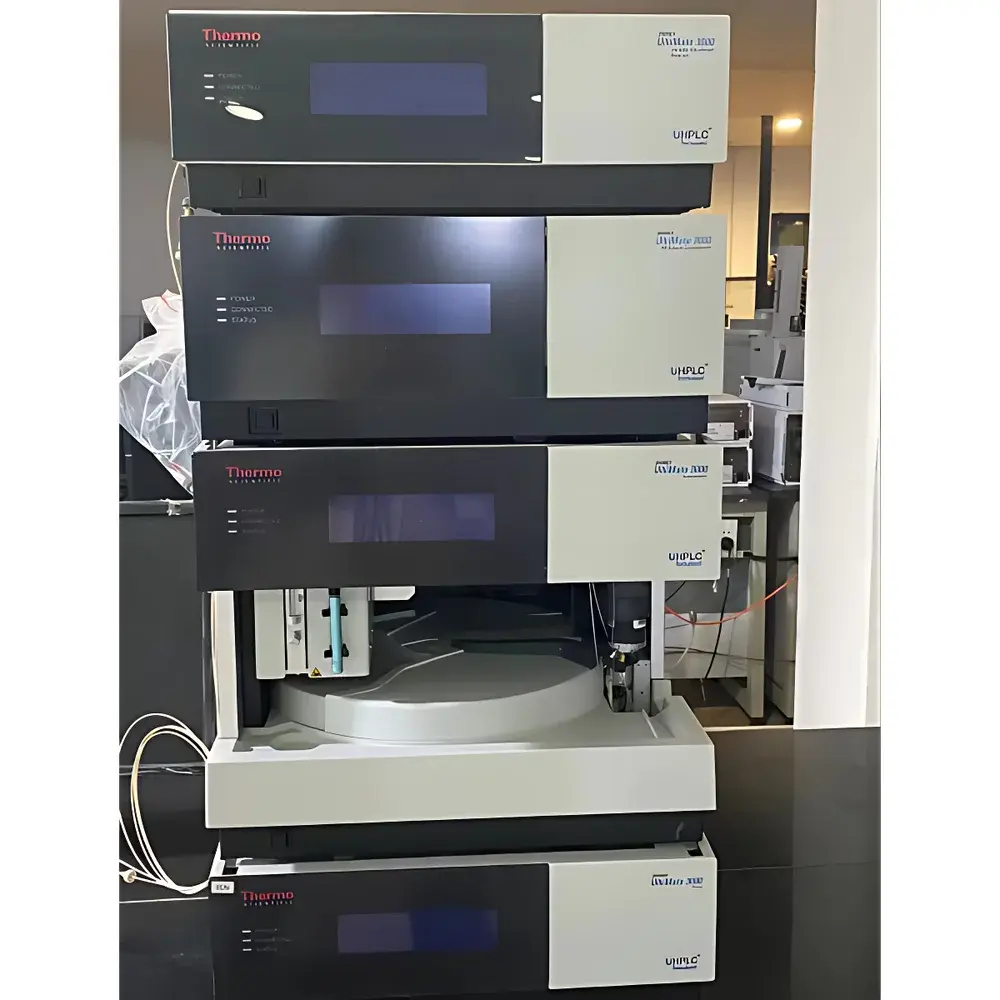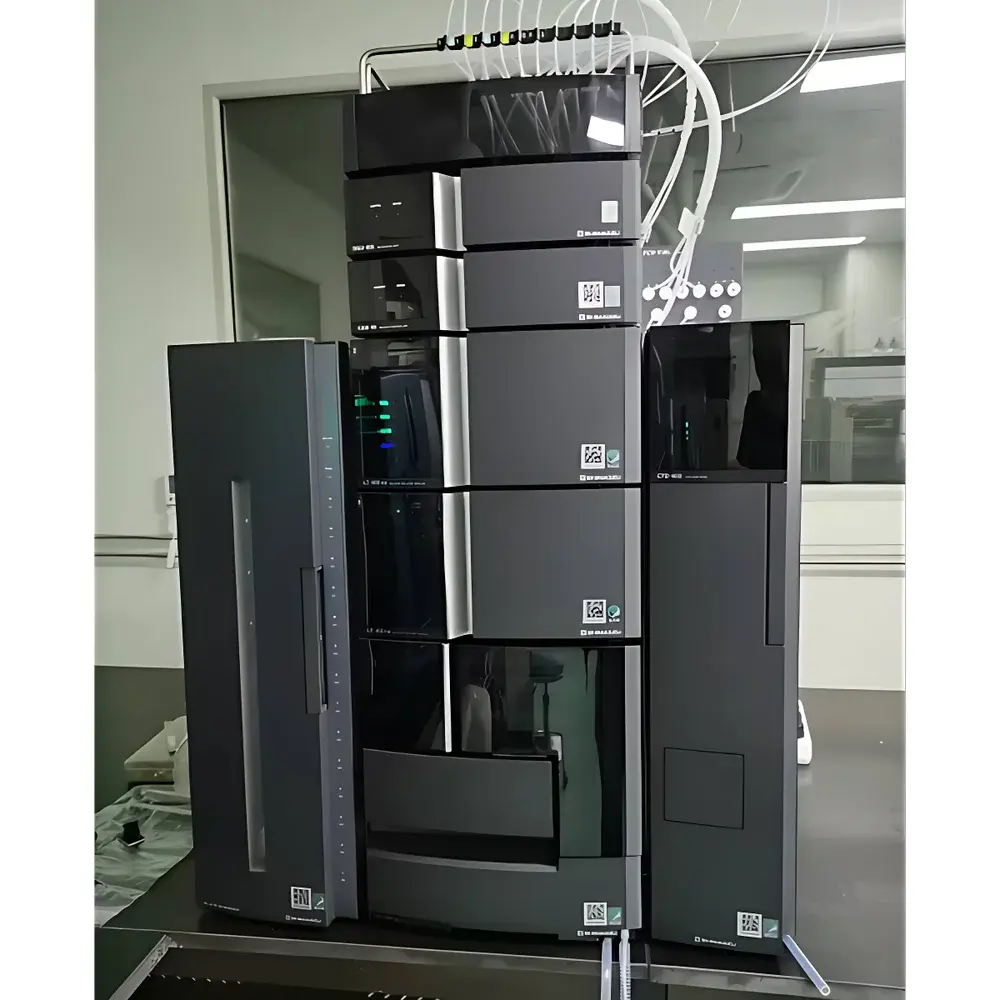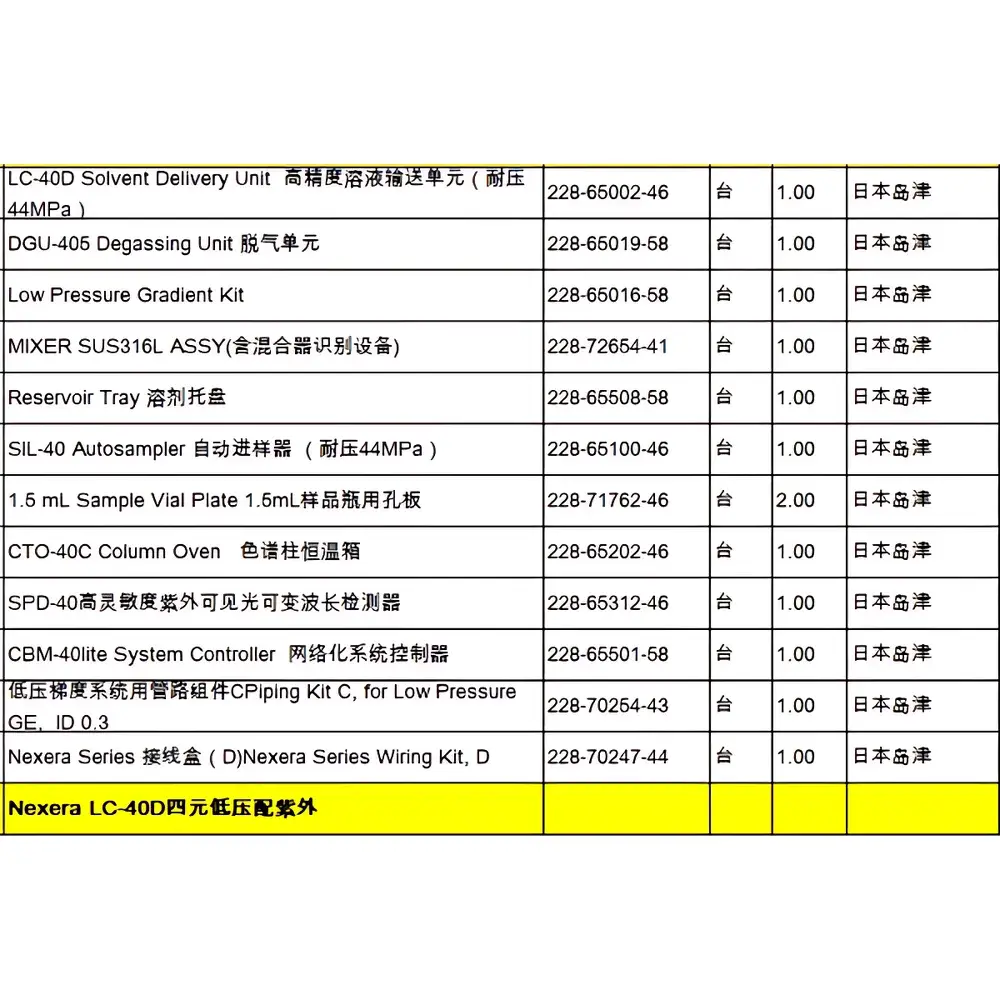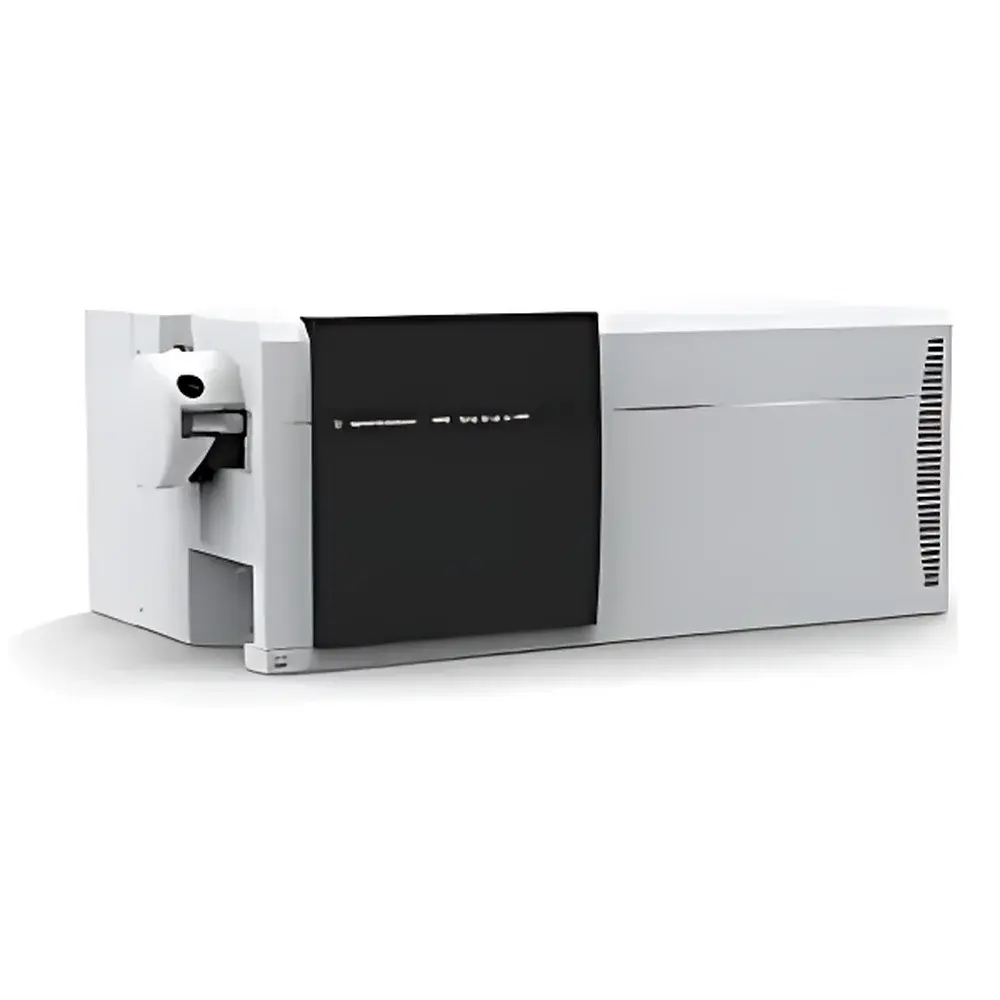
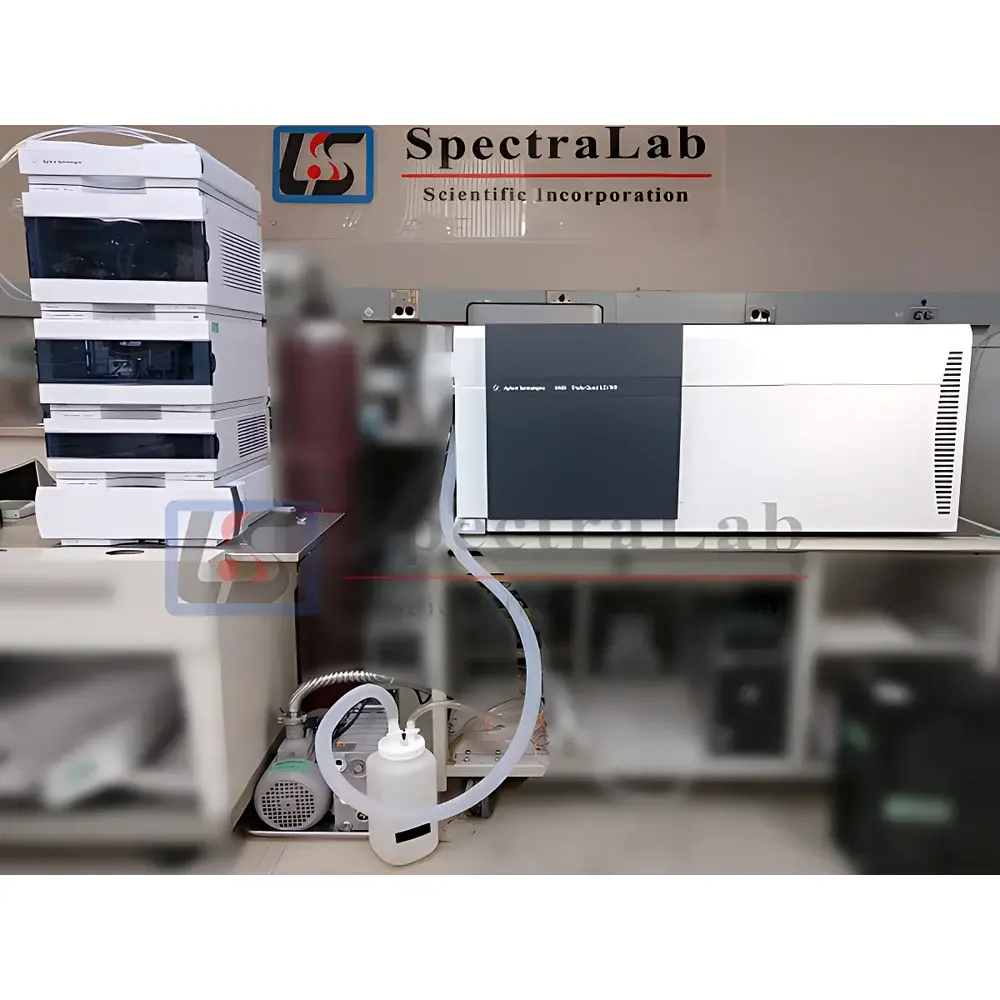
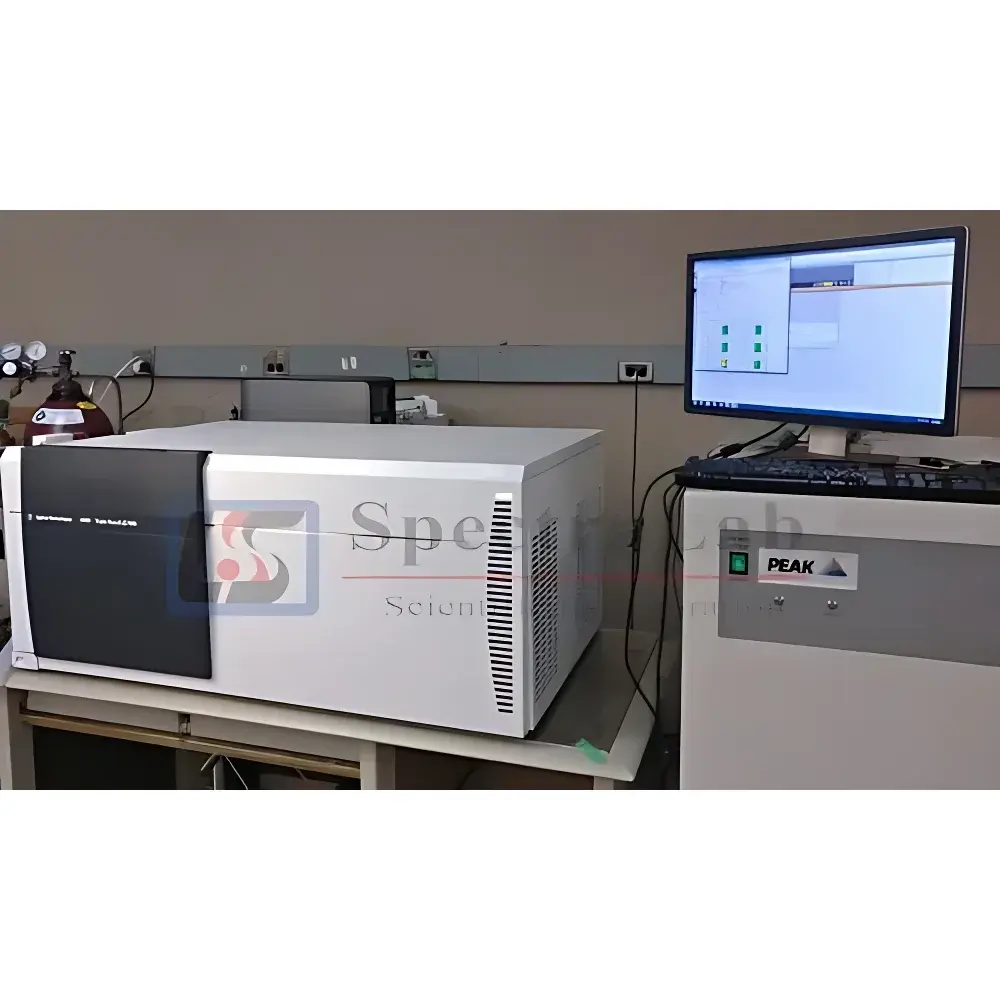
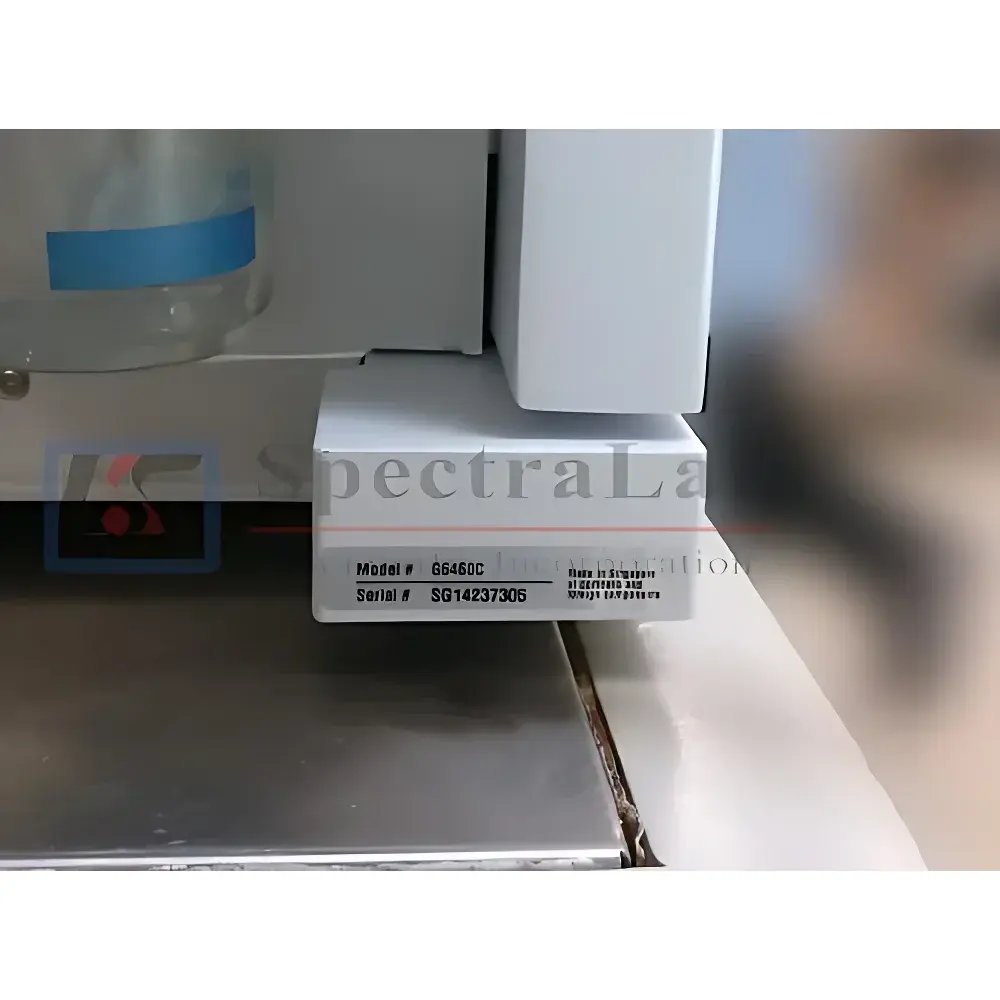
Agilent 6460C Triple Quadrupole LC/MS System (Refurbished)
| Brand | Agilent Technologies |
|---|---|
| Origin | USA |
| Model | 6460C |
| Configuration | Includes Agilent 1290 Infinity uHPLC, Jet Stream Electrospray Ionization Source, MassHunter Workstation Software, and Dedicated PC |
| Warranty | 90-day comprehensive hardware warranty |
| Compliance | Fully tested per Agilent-recommended performance verification protocols (PVPs) for sensitivity, mass accuracy, retention time stability, and MRM reproducibility |
Overview
The Agilent 6460C Triple Quadrupole LC/MS System is a high-performance, refurbished liquid chromatography–tandem mass spectrometry platform engineered for trace-level quantitative analysis in regulated and research laboratories. Based on triple quadrupole (QqQ) mass filtering architecture, the system operates via selected reaction monitoring (SRM) and triggered multiple reaction monitoring (tMRM) to deliver exceptional specificity, linear dynamic range (>5 orders), and sub-femtogram-level detection limits for small molecules. Its core ion source—Agilent’s patented Jet Stream electrospray ionization (ESI)—employs heated nitrogen gas and optimized nebulizer geometry to enhance desolvation efficiency, ion transmission, and signal-to-noise ratio across both positive and negative ion modes. Designed for compatibility with ultra-high-performance liquid chromatography (uHPLC), the 6460C integrates seamlessly with the Agilent 1290 Infinity II LC system to support fast gradient elution, narrow peak widths (<3 s), and high-resolution chromatographic separation—critical for complex matrices in environmental, clinical, pharmaceutical, and food safety applications.
Key Features
- Triple quadrupole mass analyzer with unit-mass resolution and 1,000 MRM transitions per run
- Jet Stream ESI source with dual-polarity capability and <50 ms polarity switching—no hardware reconfiguration required
- Enhanced electronics architecture supporting up to 20 Hz acquisition rate in tMRM mode, facilitating concurrent quantitation and structural confirmation
- Integrated collision-induced dissociation (CID) in Q2 with nitrogen gas, delivering reproducible fragment ion spectra for library matching (NIST, Wiley)
- Mass range of m/z 10–3,000 with <0.1 Da mass accuracy (calibrated) and <2 ppm long-term mass stability over 24 h
- Full compliance with Agilent’s Performance Verification Procedures (PVPs) for sensitivity (e.g., 10 fg on-column reserpine S/N ≥ 100:1), retention time RSD < 0.2%, and peak area RSD < 3% (n=6)
Sample Compatibility & Compliance
The 6460C accommodates diverse sample types—including plasma, urine, tissue extracts, soil leachates, food homogenates, and pharmaceutical formulations—without modification to source or interface hardware. It supports standard 1/16″ and 1/8″ capillary tubing, analytical columns from 2.1 mm to 4.6 mm ID, and flow rates from 50 µL/min (nano-LC) to 2 mL/min (conventional HPLC). All refurbished units undergo full functional validation against ASTM D7599 (for pesticide residue analysis), USP (method validation parameters), and ISO/IEC 17025:2017 criteria for measurement uncertainty estimation. Data integrity is maintained through MassHunter software with audit trail, electronic signatures, and 21 CFR Part 11-compliant user access controls—fully documented in the instrument’s Certificate of Reconditioning.
Software & Data Management
Operation and data processing are managed via Agilent MassHunter Qualitative and Quantitative Analysis software (vB.08.00 or later), pre-installed and licensed for standalone use. The platform supports automated calibration, batch sequence scheduling, real-time MRM optimization, and integrated isotopic correction algorithms. Raw data files (.d format) are stored in a secure, timestamped directory structure; processed results export to CSV, PDF, or LIMS-compatible XML. Audit trails record all parameter changes, integration edits, and report generation events—with immutable timestamps and operator IDs. Backups adhere to GLP/GMP archival standards: raw data retention ≥ 2 years, metadata preserved in human- and machine-readable formats.
Applications
- Targeted quantification of biomarkers (e.g., steroids, vitamin D metabolites) in clinical diagnostics per CLIA and CAP guidelines
- Multi-residue pesticide screening in fruits, vegetables, and cereals under EU SANTE/11312/2021 and EPA Method 1694
- Pharmacokinetic and toxicokinetic studies requiring high-precision ng/mL–pg/mL concentration measurements
- Peptide quantification using stable isotope-labeled standards (SIS) in proteomics workflows
- Environmental contaminant analysis—including PFAS, pharmaceuticals, and endocrine disruptors—in wastewater and drinking water (EPA Methods 1633, 537.1)
FAQ
Is this unit factory-refurbished by Agilent or third-party reconditioned?
This 6460C system has been fully reconditioned by SpectraLab Scientific to OEM-equivalent specifications, including replacement of critical wear components (ion source optics, detector, vacuum gauges), recalibration against NIST-traceable standards, and execution of all Agilent PVPs.
What documentation accompanies the instrument?
Each unit ships with a Certificate of Reconditioning, full PVP test reports (sensitivity, mass accuracy, retention time stability), software license certificate, and complete service history log.
Can the system be validated for GxP environments?
Yes—the configuration meets baseline requirements for IQ/OQ/PQ execution. We provide vendor-qualified protocols and on-site qualification support upon request.
Are spare parts and service contracts available post-purchase?
All consumables (ESI tips, pump seals, column frits) and field-replaceable units (FRUs) are stocked and shipped globally; extended service plans (1–3 years) include priority response, remote diagnostics, and annual preventive maintenance.
Does the system include method transfer support?
Yes—our application scientists provide complimentary method porting assistance from legacy platforms (e.g., 6410, 6490) and optimization guidance for new assay development.