
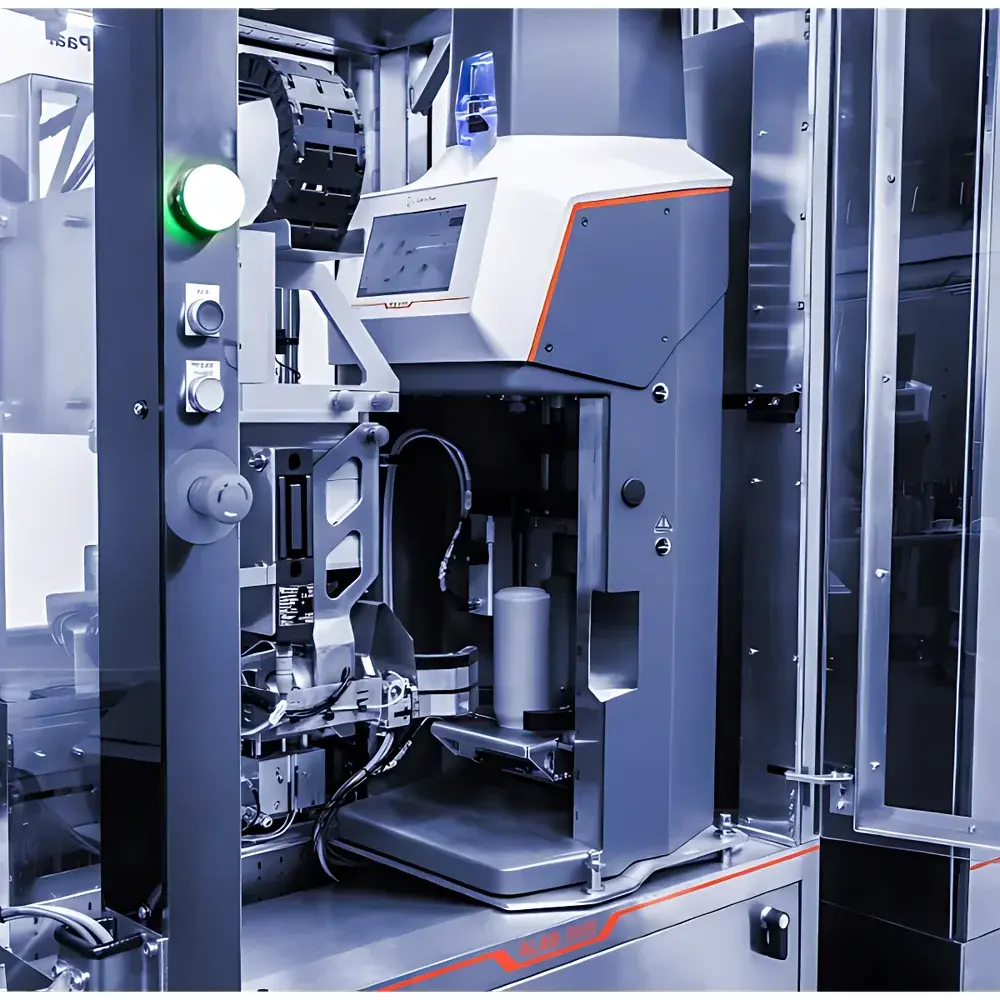
Anton Paar ALAB 5000 Automated Beverage Laboratory System
| Brand | Anton Paar |
|---|---|
| Origin | Austria |
| Manufacturer Type | Original Equipment Manufacturer (OEM) |
| Origin Category | Imported |
| Model | ALAB 5000 |
| Instrument Type | Integrated Online Beverage Quality Analyzer & Cap Torque Tester |
| Application Mode | In-line / At-line |
| Measurement Time (Analytic) | 8 min per sample |
| Measurement Time (Torque) | 30 s per sample |
| Alcohol Content Range | 0–12 % v/v |
| pH Range | 0–14 |
| Dimensions (L × W × H) | 1750 mm × 880 mm × 2430 mm |
| Weight | 900 kg |
Overview
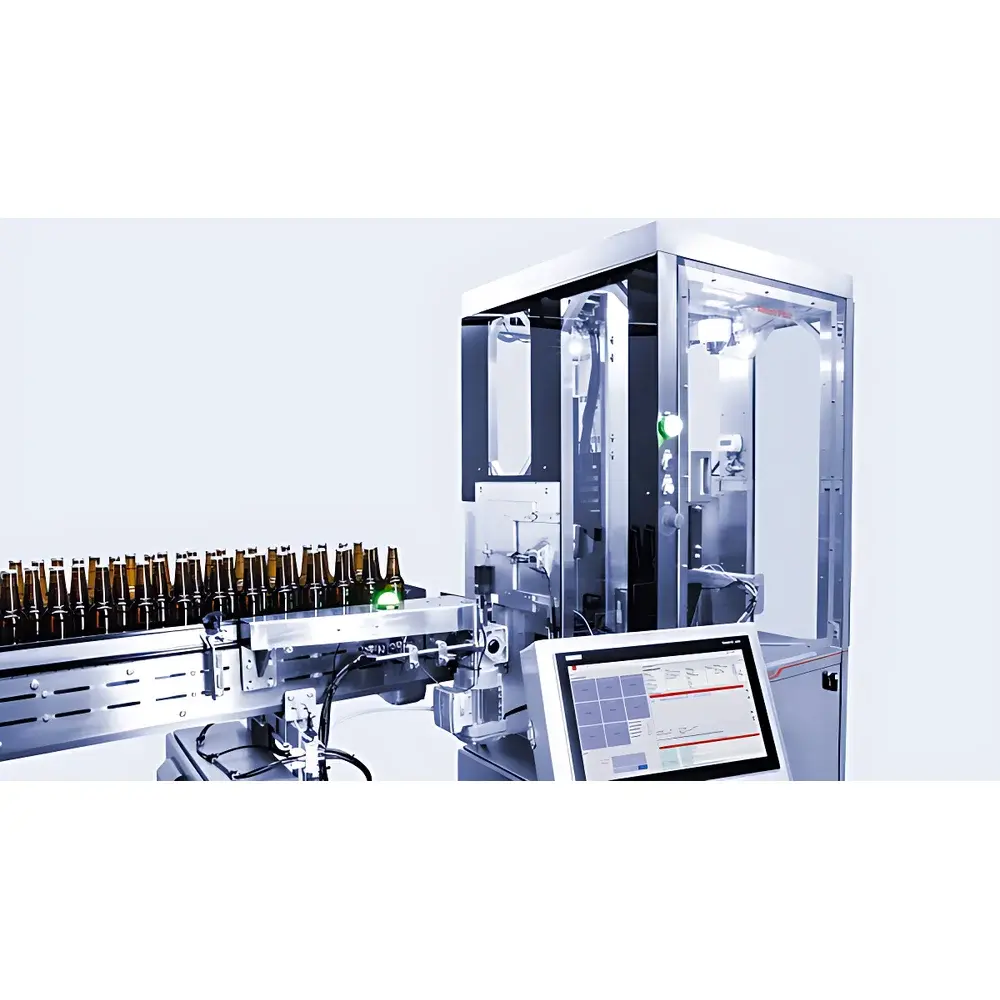
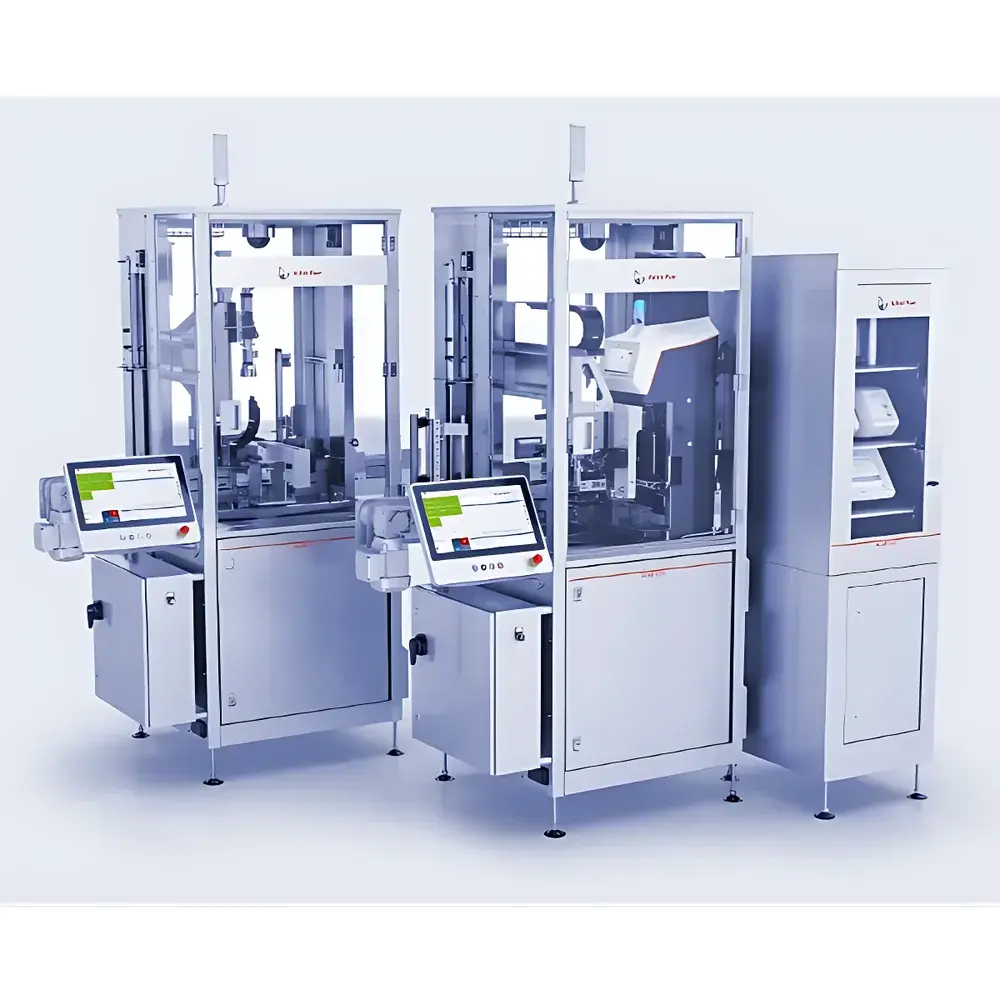
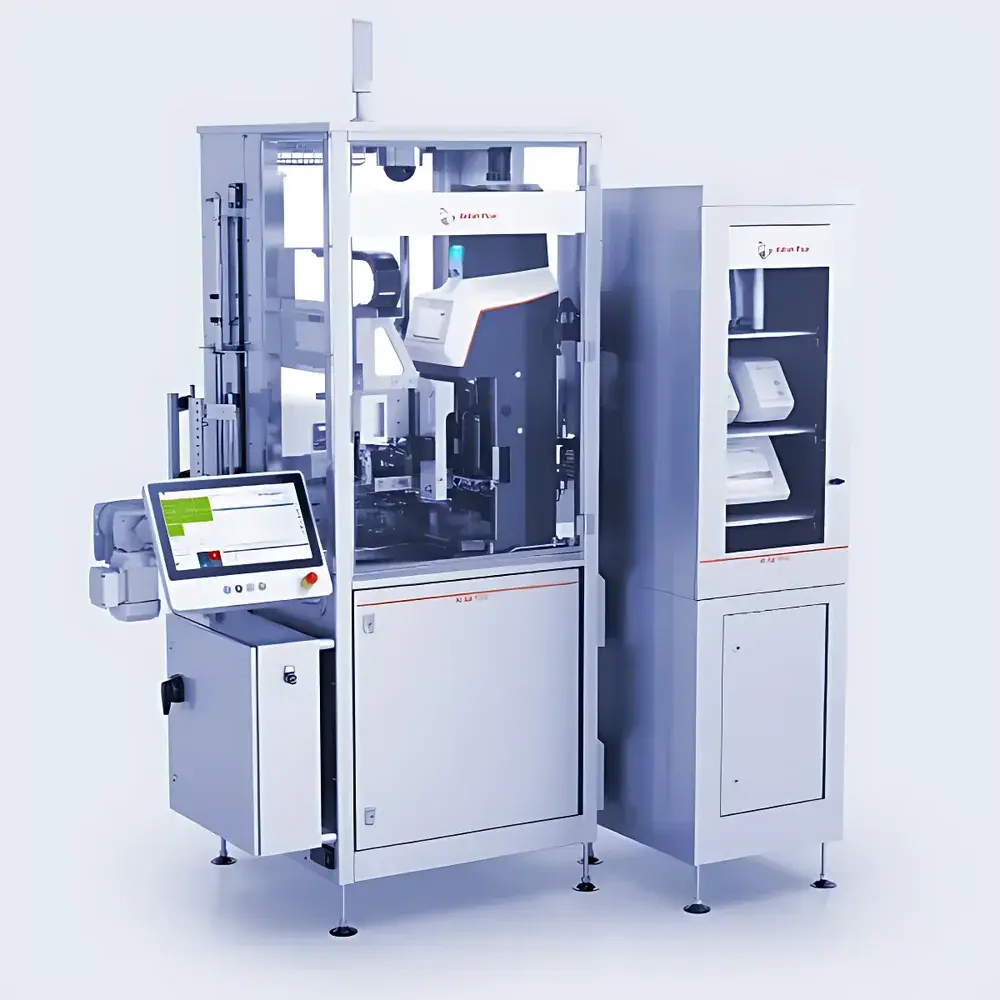
The Anton Paar ALAB 5000 Automated Beverage Laboratory System is an integrated, modular platform engineered for real-time, in-line quality assurance in high-volume beverage production environments—including breweries, wineries, soft drink plants, and bottled water facilities. Unlike conventional benchtop analyzers or manual QC workflows, the ALAB 5000 combines two functionally distinct but interoperable modules—ALAB 5000 Analytic and ALAB 5000 Torque—into a single industrial-grade automation architecture. The Analytic module employs a multi-sensor, sequential measurement approach based on standardized physical and electrochemical principles: density is determined via oscillating U-tube metrology (ISO 15212-1, ASTM D4052), alcohol content via near-infrared (NIR) spectroscopy calibrated against reference distillation methods (OIML R 22), dissolved and headspace oxygen via electrochemical and paramagnetic detection (ISO 8536-5, USP ), CO₂ via pressure-temperature equilibrium modeling (EN 12142), pH via temperature-compensated glass electrode (ISO 29941), turbidity via 90° scattered light (ISO 7027), and color via spectrophotometric EBC/NTU correlation (EBC Method 3.1). The Torque module applies precision servo-controlled rotational force to evaluate cap sealing integrity—measuring both removal torque (RT) and ring-pull torque (RPT)—in strict compliance with ISO 8771, ASTM D3474, and DIN 55380. Designed for seamless integration into new or retrofit filling lines, the system operates continuously under industrial ambient conditions (2–49 °C, up to 90% RH), eliminating manual intervention while maintaining traceability and regulatory alignment.
Key Features
- Fully automated sample handling: Robotic gripper system accommodates bottles, cans, and PET containers (diameter 55–95 mm, height 80–300 mm, volume 150–2000 mL) without operator input.
- Integrated environmental stabilization: Internal air conditioning and dry-air purge maintain constant thermal and humidity conditions—critical for reproducible oxygen and CO₂ measurements—enabling direct deployment on production floors.
- Dual-module architecture: ALAB 5000 Analytic delivers comprehensive physicochemical profiling (density, alcohol, TPO, DO, CO₂, pH, turbidity, color, extract) from one sample in ≤8 minutes; ALAB 5000 Torque validates mechanical seal integrity across cap diameters 25–40 mm in ≤30 seconds.
- Self-cleaning fluidic pathways: Programmable rinse cycles using deionized water and ethanol minimize carryover, reduce maintenance frequency, and support unattended operation over extended shifts.
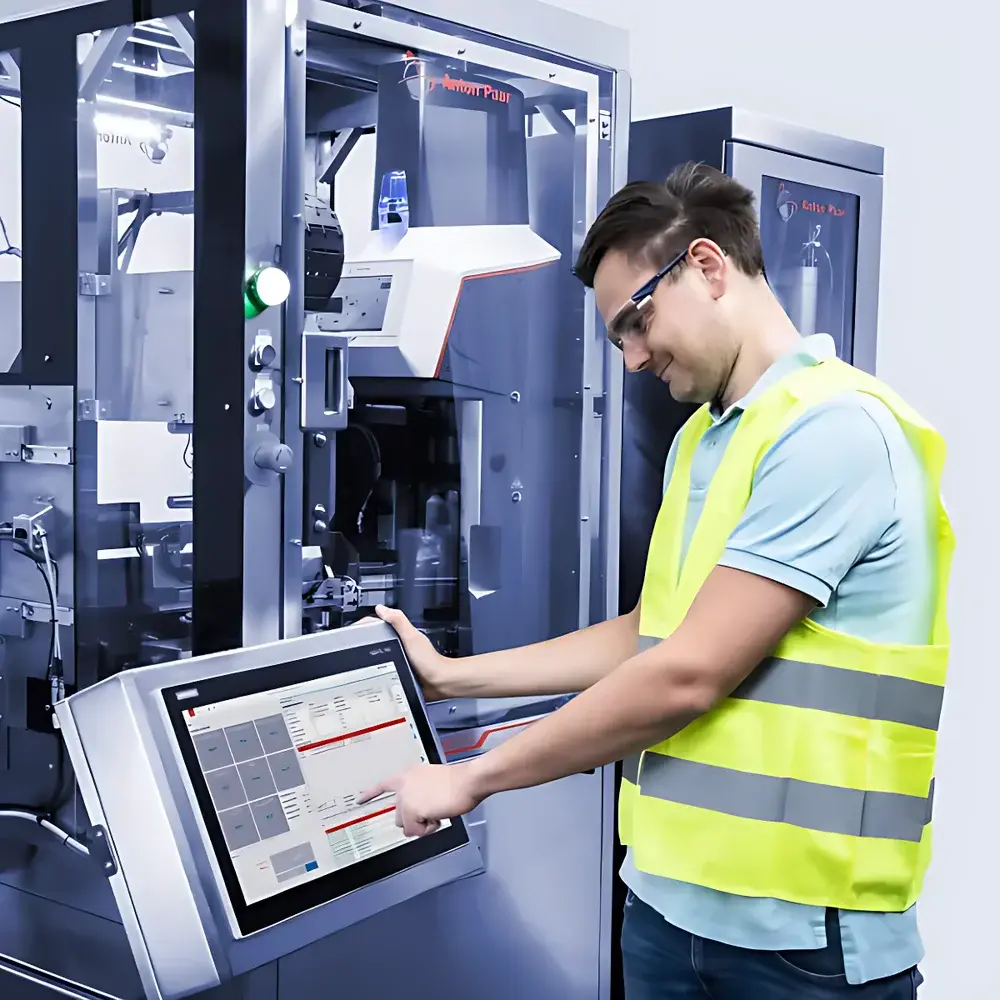
- Industrial-grade HMI: 19″ rugged multi-touch panel (1920 × 1080 px) with intuitive workflow navigation, real-time deviation alerts, and configurable pass/fail thresholds aligned with internal SOPs or customer specifications.
- High-reproducibility metrology: Density repeatability ±0.000001 g/cm³; alcohol ±0.01 % v/v; TPO ±8 ppb or ±6% (whichever is greater); pH ±0.02 (pH 3–7); torque ±0.005 Nm—validated per ISO/IEC 17025 calibration protocols.
Sample Compatibility & Compliance
The ALAB 5000 supports non-pulpy, non-sedimenting beverages—including lager, pilsner, wheat beer, sparkling wine, still and carbonated soft drinks, mineral water, sake, and RTD teas—within defined packaging constraints. Glass bottles (crown-capped, screw-capped; excluding cork-sealed formats), aluminum cans, and PET bottles are routinely processed. All measurement methodologies conform to internationally recognized standards: density (ISO 15212-1, ASTM D4052), alcohol (OIML R 22, EN 15038), oxygen (USP , ISO 8536-5), CO₂ (EN 12142, AOAC 985.12), pH (ISO 29941), turbidity (ISO 7027), and torque (ISO 8771, ASTM D3474). The system architecture supports 21 CFR Part 11-compliant electronic records when paired with Anton Paar’s optional LabSoft LIMS interface, including audit trail, user access control, and electronic signature functionality—making it suitable for GMP-regulated environments and third-party certification audits.
Software & Data Management
Control and data acquisition are managed via Anton Paar’s proprietary LabSoft 5 software, deployed on the embedded industrial PC. LabSoft 5 provides role-based user permissions, customizable report templates (PDF, CSV, XML), automated export to MES/SCADA systems via OPC UA or Modbus TCP, and full GLP/GMP audit trail logging—including all method parameters, calibration events, maintenance logs, and raw sensor outputs. Trend analysis tools enable SPC charting (X-bar/R, Cpk), batch-level summary dashboards, and deviation root-cause tagging. Data integrity is enforced through cryptographic hashing of measurement records and time-stamped digital signatures. Optional integration with enterprise LIMS (e.g., Thermo Fisher SampleManager, LabVantage) ensures end-to-end traceability from raw material intake to finished product release.
Applications
- Real-time release testing (RRT) of filled containers pre-case packing—reducing reliance on off-line lab sampling and accelerating time-to-market.
- Process validation during line start-up, changeovers, and post-maintenance verification—ensuring consistent fill volume, carbonation, and seal integrity.
- Supplier qualification and incoming goods inspection—automated verification of CO₂, O₂ ingress, and alcohol content against contractual specifications.
- Stability monitoring across shelf life—tracking oxidative degradation (TPO/DO), haze formation (turbidity), and flavor drift (extract, color) without manual sample preparation.
- Regulatory submission support—generating compliant datasets for FDA, EFSA, or Health Canada dossier requirements, including uncertainty budgets and method validation reports.
FAQ
Can the ALAB 5000 be installed directly on a high-speed bottling line?
Yes—the system is rated for continuous operation at ambient temperatures up to 49 °C and relative humidity up to 90% (non-condensing), with vibration-dampened mounting options and IP54-rated enclosure protection.
Does it require external gas supplies?
Yes: nitrogen (5.0 grade, 8–11 bar abs) for oxygen measurement purging, and compressed oil-free air (2–7 bar abs) for actuation and cleaning cycles.
Is method validation support available?
Anton Paar provides IQ/OQ/PQ documentation packages, certified reference materials (CRM), and on-site validation assistance aligned with ISO/IEC 17025 and ICH Q2(R2) guidelines.
How is data security and user accountability ensured?
LabSoft 5 implements 21 CFR Part 11-compliant electronic signatures, password-protected access levels, immutable audit trails, and encrypted local storage—with optional TLS 1.2 secure remote access.
What maintenance intervals are recommended?
Preventive maintenance is scheduled every 6 months; sensor recalibration every 3 months; and full system verification annually—each supported by Anton Paar’s global service network and remote diagnostics capability.





