
Anton Paar Monowave 400 Single-Mode Microwave Synthesizer
| Brand | Anton Paar |
|---|---|
| Origin | Austria |
| Manufacturer | Anton Paar GmbH |
| Instrument Type | Single-Mode Microwave Synthesizer |
| Model | Monowave 400 |
| Temperature Range | 0–300 °C |
| Pressure Range | 0–30 bar |
| Microwave Power | 850 W |
| Magnetron Frequency | 2.45 GHz |
| Stirring Mechanism | Magnetic Stirring |
| Reaction Volume | 30 mL |
Overview
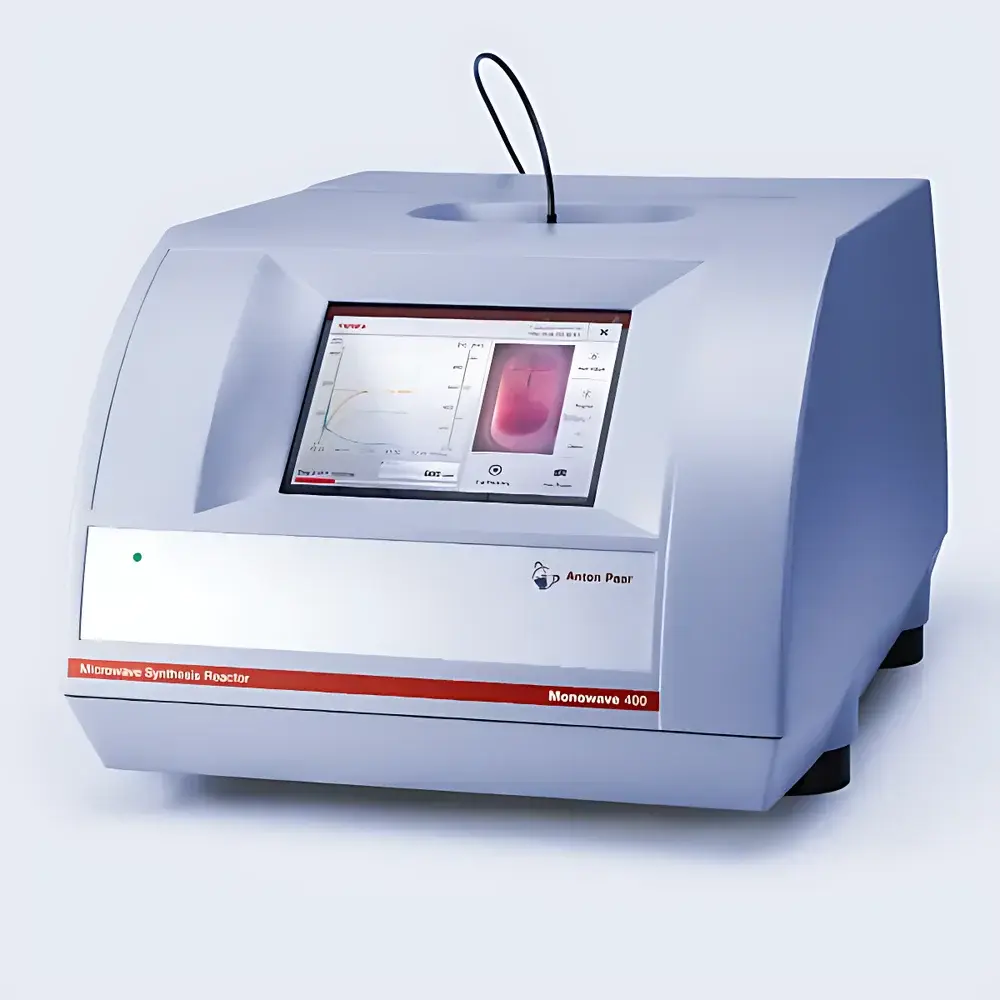
The Anton Paar Monowave 400 is a high-precision, single-mode microwave synthesizer engineered for reproducible, controlled, and scalable chemical synthesis under extreme thermal and pressure conditions. Unlike multimode systems, its focused monomodal cavity delivers uniform electromagnetic field distribution—enabling consistent energy coupling across the entire reaction volume regardless of solvent polarity or sample mass. This architecture eliminates hot-spot formation and ensures true kinetic control, making it suitable for rigorous reaction mechanism studies, process intensification, and early-stage route scouting in pharmaceutical, agrochemical, and materials science laboratories. The system operates at up to 300 °C and 30 bar (435 psi), enabling access to thermodynamically disfavored pathways and accelerating reactions that are kinetically inert under conventional heating. Its solid-state temperature feedback loop—based on calibrated ruby fluorescence thermometry—provides real-time, contactless measurement with ±0.5 °C accuracy, independent of solvent absorption characteristics or vessel geometry.
Key Features
- Single-mode cavity design with optimized waveguide coupling for maximum field homogeneity and energy efficiency
- Integrated ruby-based optical fiber temperature sensor delivering closed-loop, non-invasive thermal regulation
- Digital HD camera module mounted directly above the reaction position, enabling real-time visual monitoring of color transitions, precipitation onset, dissolution kinetics, and mixing homogeneity
- 8.4-inch capacitive touchscreen interface with intuitive workflow navigation and context-sensitive method editing
- Robust safety architecture compliant with IEC 61000-4-3 (EMC) and EN 61010-1 (electrical safety), featuring dual redundant pressure transducers, rupture disc protection, and automatic microwave cutoff upon lid opening or overpressure detection
- Extended operation capability: continuous run time up to 100 hours for long-term stability testing or slow condensation reactions
Sample Compatibility & Compliance
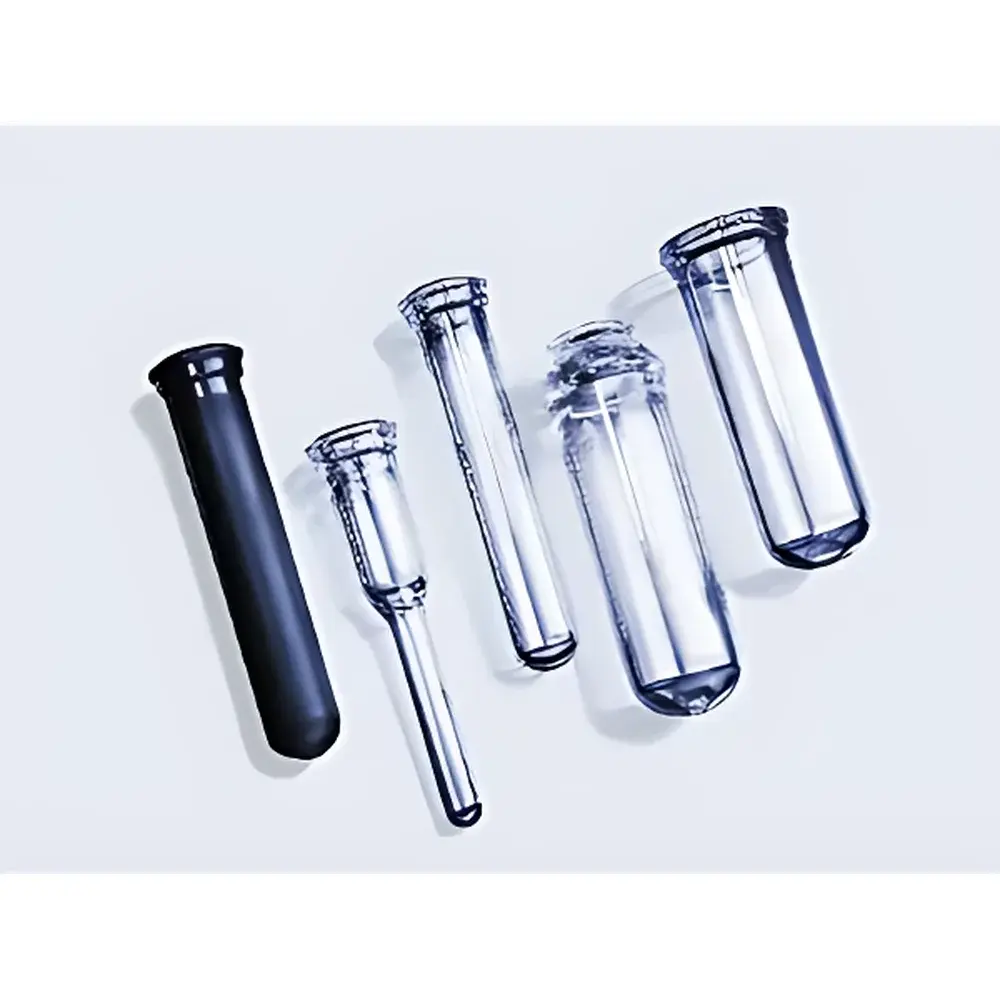
The Monowave 400 supports standard 30 mL sealed quartz or reinforced PTFE-lined reaction vessels rated for full 30 bar operation. It accommodates a broad spectrum of solvents—including low-dielectric media (e.g., hexane, toluene) and highly polar reagents (e.g., DMF, DMSO)—without requiring susceptors or auxiliary heating elements. All operational parameters (temperature, pressure, power, time, camera frames) are logged with timestamped metadata in accordance with GLP and GMP data integrity principles. Audit trails, electronic signatures, and method versioning align with FDA 21 CFR Part 11 requirements when used with optional LabX software integration. System validation documentation—including IQ/OQ protocols—is available for regulated environments.
Software & Data Management
Control and data handling are managed via the embedded Monowave OS, supporting fully customizable heating profiles (ramp-hold-segment sequences), multi-step pressure-controlled protocols, and automated endpoint triggering based on thermal or visual criteria. All raw sensor data, video snapshots, and method settings are stored locally in encrypted SQLite databases and exportable as CSV, PDF, or XML files. Optional LabX software enables centralized instrument fleet management, remote monitoring, role-based user access control, and seamless integration into LIMS or ELN platforms. Method libraries can be archived, shared across instruments, and subjected to version-controlled change management.
Applications
- Rapid optimization of cross-coupling reactions (Suzuki, Heck, Buchwald–Hartwig) under elevated temperature/pressure
- Synthesis of metal–organic frameworks (MOFs) and covalent organic frameworks (COFs) requiring precise nucleation control
- Hydrothermal and solvothermal crystallization of nanomaterials and catalysts
- Development of high-boiling-point solvent-free transformations
- Accelerated aging studies and forced degradation testing per ICH Q1 guidelines
- Green chemistry screening—reducing solvent volumes, eliminating reflux condensers, and minimizing byproduct formation
FAQ
What distinguishes single-mode from multimode microwave reactors?
Single-mode systems generate a standing electromagnetic wave pattern with spatially defined electric field maxima, ensuring deterministic and repeatable energy deposition. Multimode cavities rely on mode stirring and statistical field averaging, resulting in higher variability between runs—especially with small or asymmetric samples.
Can the Monowave 400 be integrated into automated synthesis workflows?
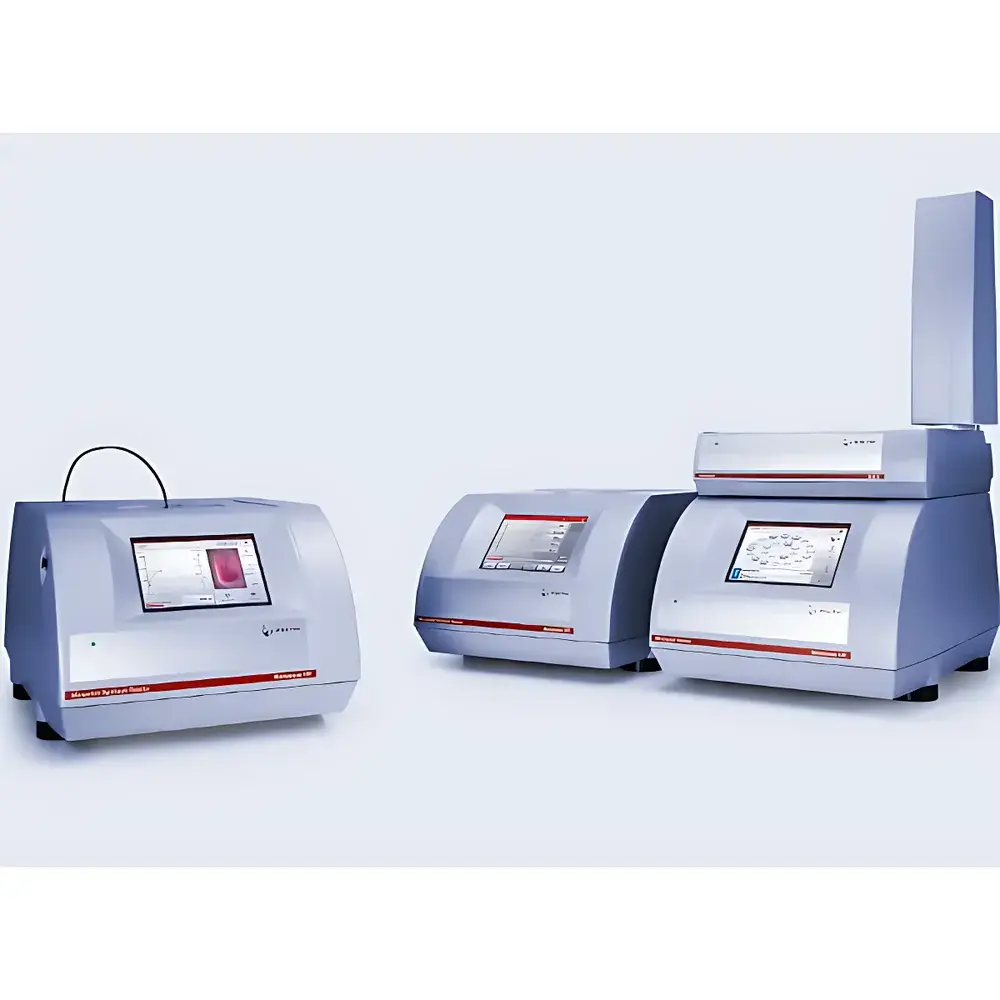
Yes—when paired with the optional MAS 24 robotic autosampler, the system supports unattended sequential processing of up to 24 reactions with automatic vessel loading, parameter transfer, and post-run cooling cycles.
Is calibration traceable to national standards?
Temperature calibration uses NIST-traceable ruby fluorescence references; pressure transducers are factory-calibrated against dead-weight testers certified to ISO/IEC 17025 standards.
Does the system support reaction quenching or gas introduction during synthesis?
While the base configuration is sealed-vessel only, custom reactor accessories—including gas-tight inlet/outlet ports and rapid-cooling cartridges—are available through Anton Paar’s Application Support Group for specialized applications such as catalytic hydrogenations or CO₂-assisted reactions.



