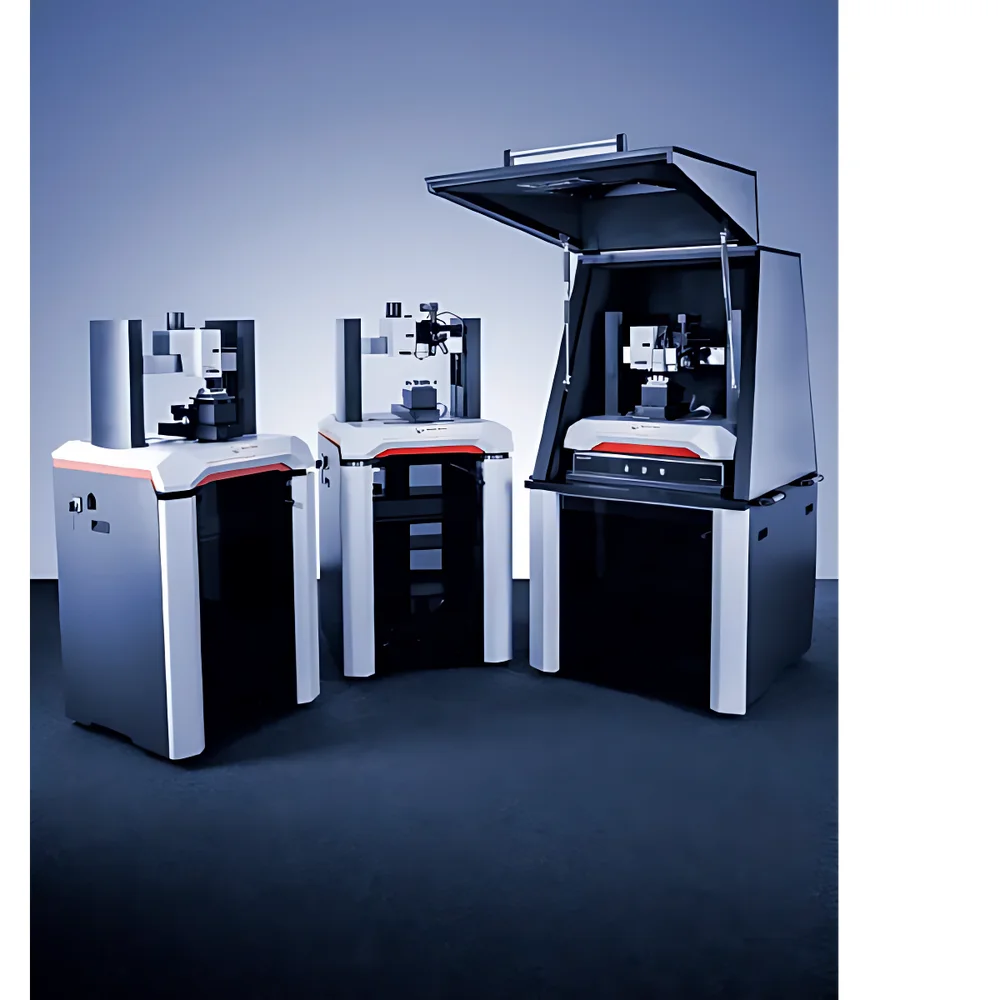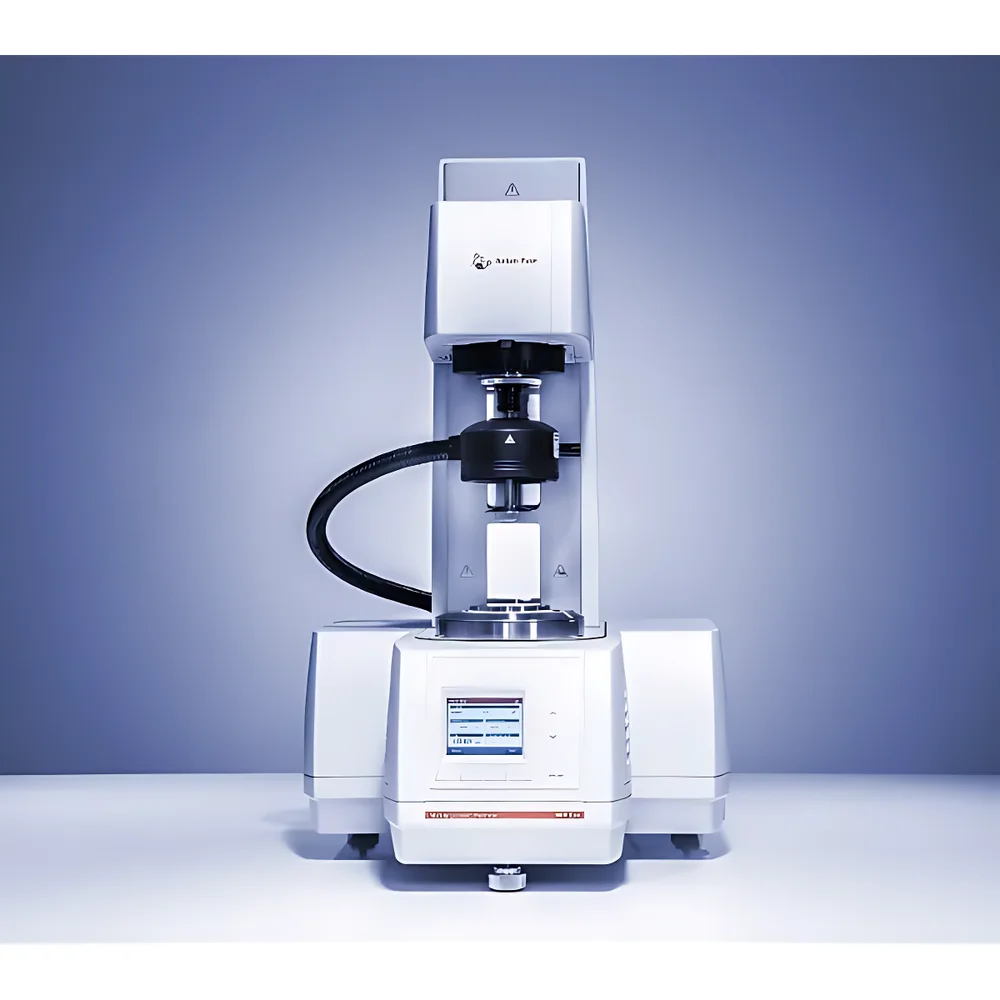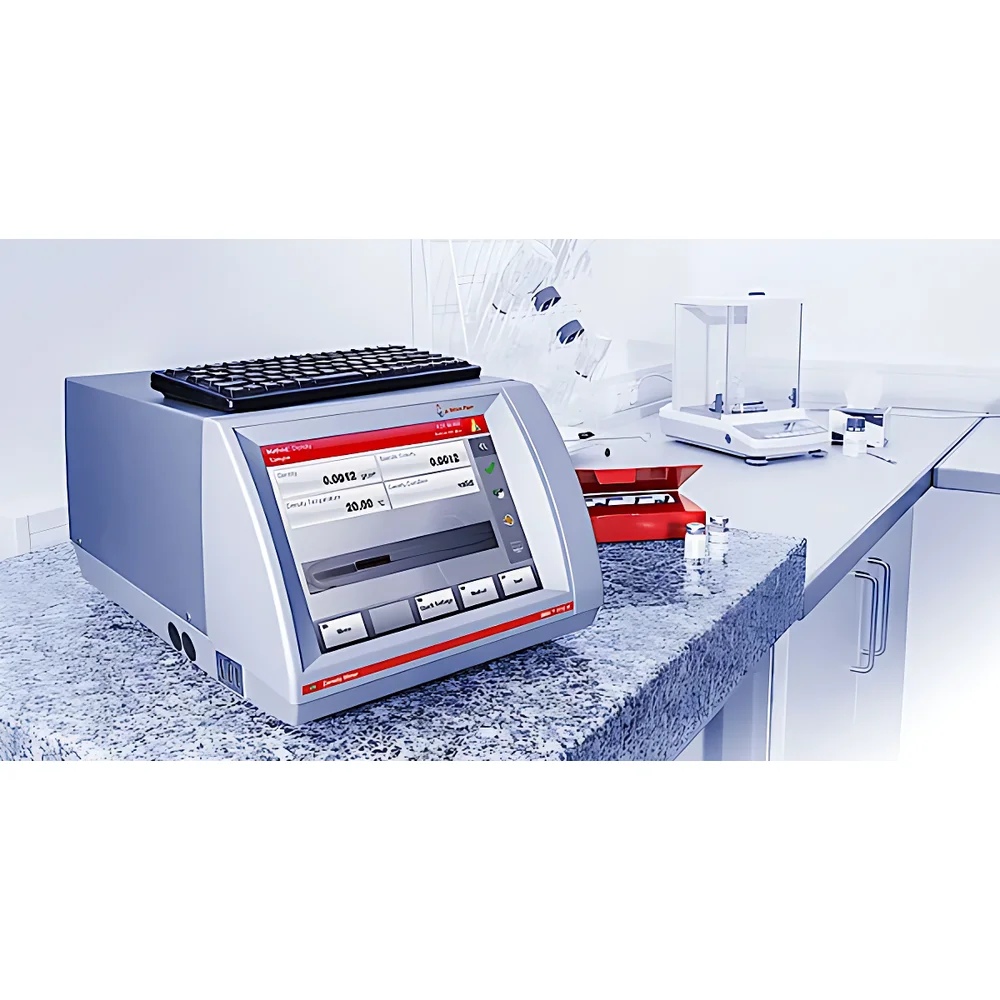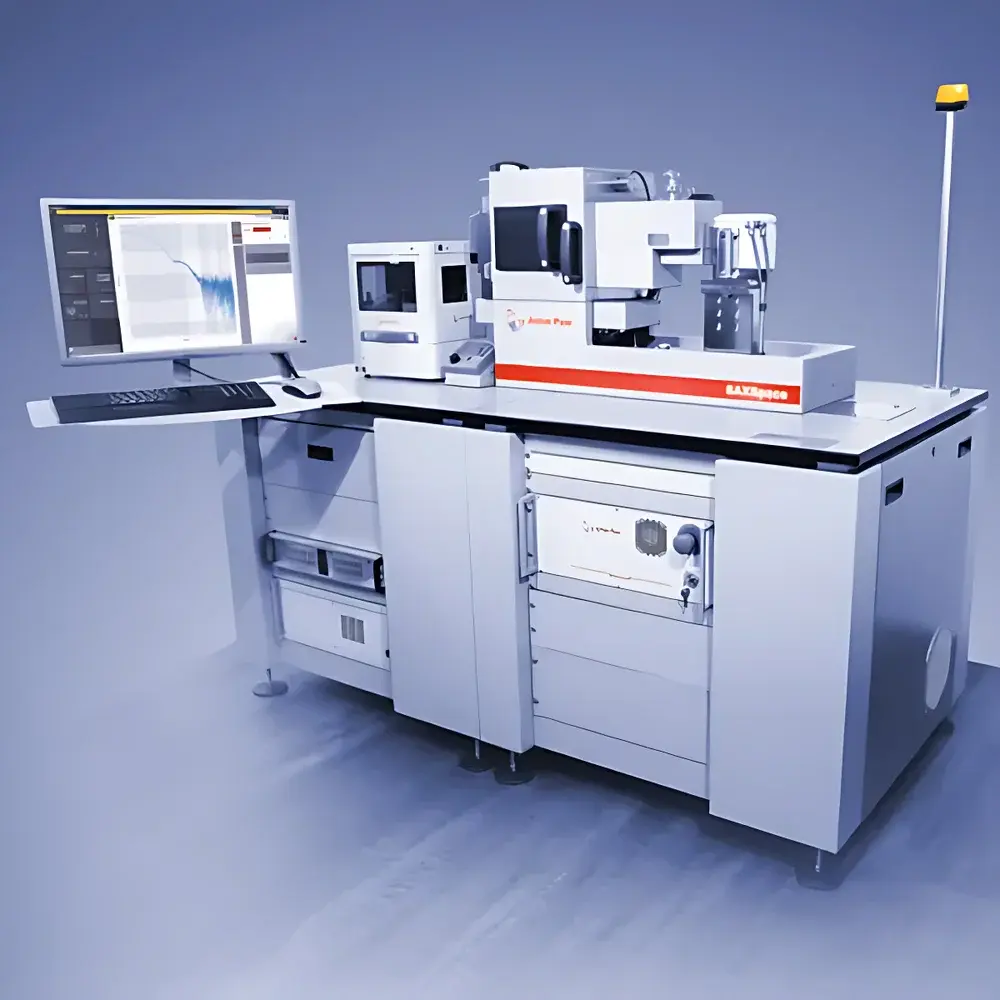
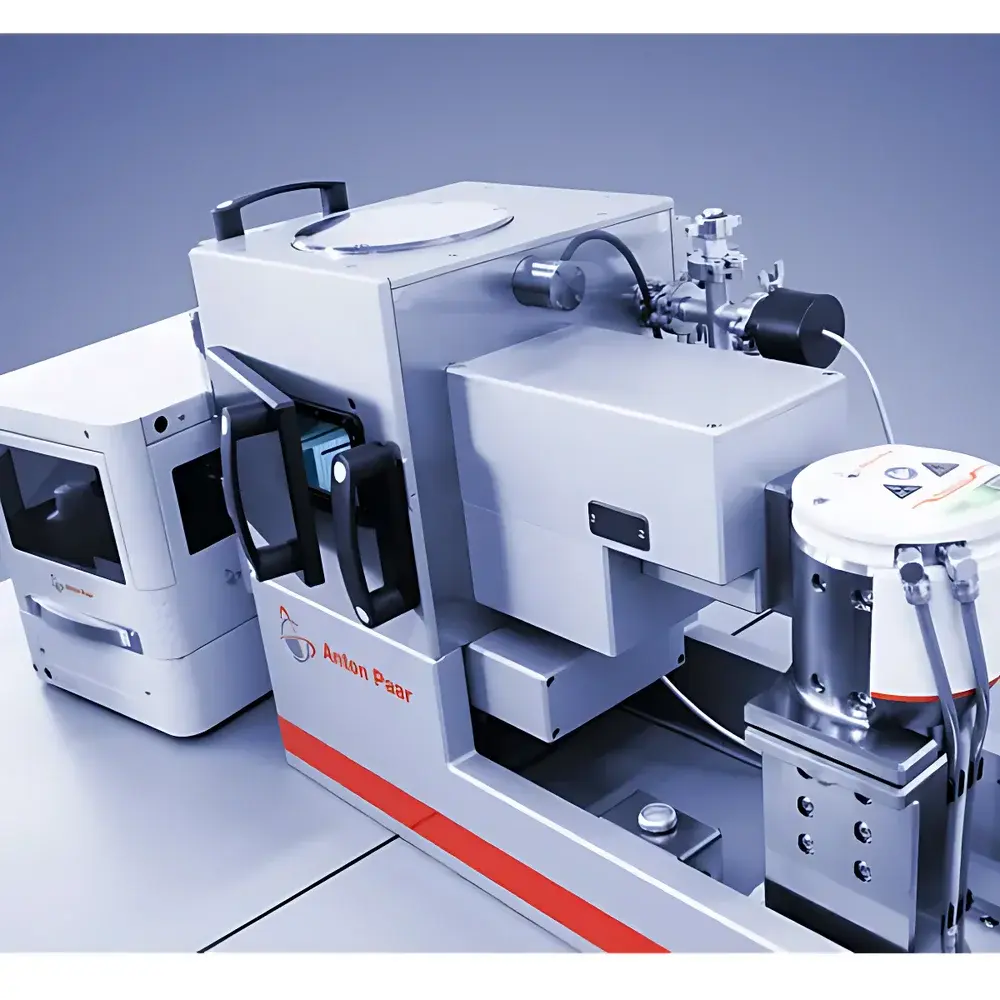
Anton Paar SAXSpace Small-Angle and Wide-Angle X-ray Scattering System

| Brand | Anton Paar |
|---|---|
| Origin | Austria |
| Manufacturer Type | Original Equipment Manufacturer (OEM) |
| Origin Category | Imported |
| Model | SAXSpace |
| Instrument Type | X-ray Crystal Orientation Analyzer |
| Instrument Configuration | Benchtop |
| Minimum Scattering Vector Resolution | q<sub>min</sub> = 0.03 nm<sup>−1</sup> |
| q-Range | 0.03–40.7 nm<sup>−1</sup> |
| Detector Options | Mythen2 R (1D), EIGER R Series HPC (2D) |
| Sample Throughput | Up to 192 liquid samples per automated run |
| Temperature Control Range | −150 °C to +600 °C (±0.1 °C) |
| Environmental Control | Vacuum, air, inert gas, humidity, reactive gas (optional) |
| Measurement Time | <1 min to 30 min (typical) |
| Sample Forms | Liquids (quartz capillaries, SiN microfluidic cells), powders, viscous suspensions, thin films, solids under mechanical load |
| Specialized Modes | GISAXS, BioSAXS, time-resolved SAXS/WAXS, temperature- and humidity-scanned SWAXS |
Ask about pricing, availability and specifications.
Overview
The Anton Paar SAXSpace system is a benchtop small-angle and wide-angle X-ray scattering (SWAXS) platform engineered for high-precision structural characterization across length scales—from atomic-level crystallinity (via WAXS) to nanoscale assemblies up to several hundred nanometers (via SAXS). It operates on the principle of elastic X-ray scattering from electron density fluctuations in matter, where angular distribution and intensity of scattered radiation encode information about particle size, shape, internal structure, polydispersity, and interfacial properties. Unlike synchrotron-based setups, SAXSpace delivers laboratory-scale accessibility without compromising data fidelity—leveraging a sealed-tube Primux 3000 X-ray source (Cu or Mo anode), vacuum-optimized beam optics, and advanced collimation to minimize parasitic scattering and maximize signal-to-noise ratio. Its integrated TrueSWAXS capability enables simultaneous acquisition of SAXS and WAXS patterns over a continuous 2θ range up to 60°, eliminating the need for manual realignment between low- and high-angle measurements and ensuring consistent q-space calibration across the full dynamic range (q = 0.03–40.7 nm−1). This co-registered dual-angle approach is essential for correlating hierarchical structural features—e.g., protein tertiary fold (WAXS) with oligomeric state or aggregation behavior (SAXS)—within a single sample exposure.
Key Features
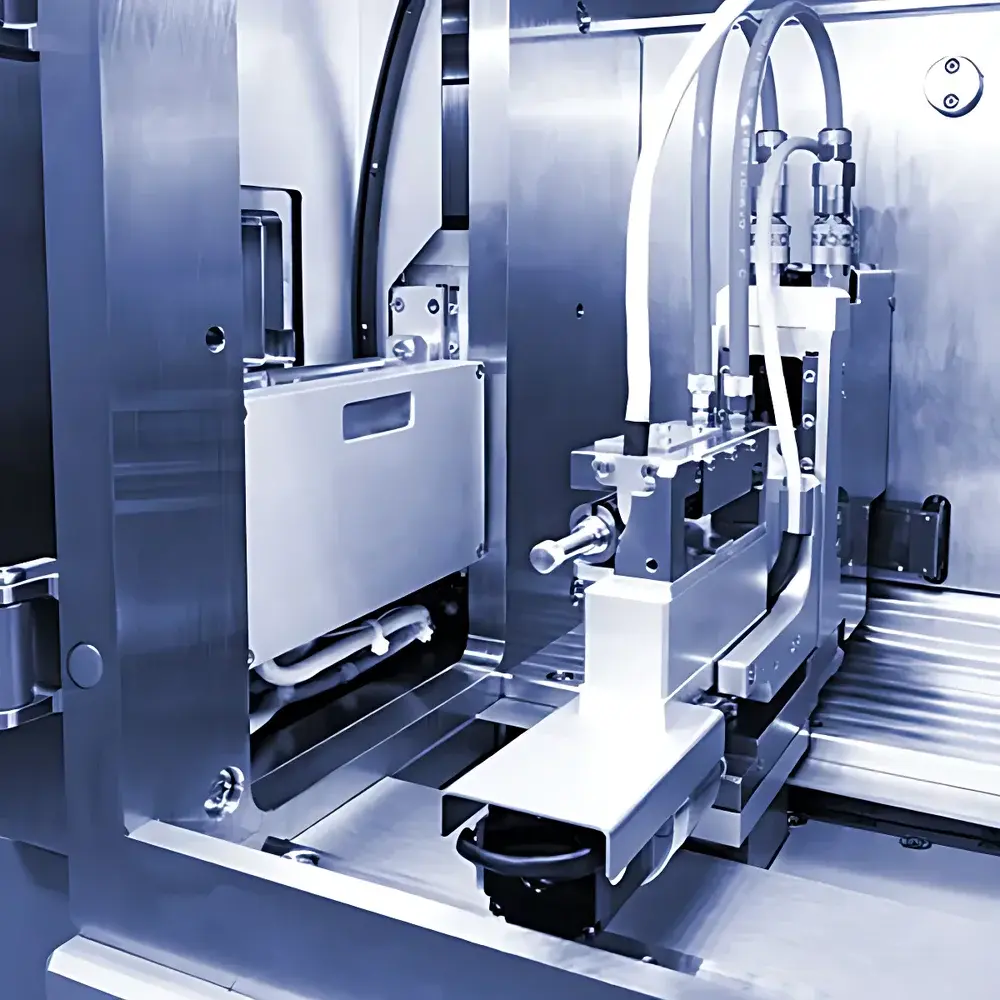
- TrueFocus Auto-Alignment: Fully motorized, software-driven self-calibration of X-ray optics, detector position, and sample stage—achieving optimal beam-sample-detector geometry in seconds without user intervention.
- StageMaster Intelligent Recognition: Automatic detection and configuration of interchangeable sample stages (TCStage, Tensile Stage, GI-SAXS Stage, humidity chamber, etc.) via embedded RFID tags—ensuring correct parameter loading and reducing setup errors.
- ASX High-Throughput Autosampler: Supports up to 192 vials or capillaries; includes programmable cleaning cycles, temperature-controlled sample compartment (4–10 °C option for bio-samples), and precise robotic pipetting for reproducible volume delivery (1–50 µL).
- TrueSWAXS Dual-Angle Acquisition: Continuous, simultaneous collection of SAXS (low-q) and WAXS (high-q) signals within one exposure—enabling direct cross-correlation of nanostructural and crystalline domains without data stitching artifacts.
- Vacuum-Optimized Beam Path: Fully evacuated optical pathway eliminates air scatter and absorption, critical for low-q sensitivity (<0.03 nm−1) and accurate Porod analysis.
- Modular Environmental Control: Compatible with cryogenic (−150 °C), high-temperature (up to 600 °C), humidity-regulated, and reactive-gas-compatible stages—validated per ISO 11784 for thermal stability and repeatability.
Sample Compatibility & Compliance
The SAXSpace accommodates diverse physical states and experimental conditions required by materials science, pharmaceutical development, and structural biology workflows. Liquid samples—including proteins, enzymes, liposomes, and nanoparticle colloids—are analyzed in quartz capillaries or low-background silicon nitride (SiN) flow cells. Solid-state analyses include powders (e.g., catalysts, MOFs), polymers under tensile stress, thin films (GISAXS mode), and heterogeneous composites. All sample environments comply with GLP/GMP documentation requirements: temperature logs, stage identification metadata, and detector gain settings are embedded directly into raw HDF5 files. Software-generated audit trails meet FDA 21 CFR Part 11 criteria for electronic records and signatures. Instrument validation protocols align with ASTM E2842 (SAXS instrument qualification) and ISO/IEC 17025 (testing laboratory competence).
Software & Data Management
SAXSpace is operated through two tightly coupled, purpose-built applications: SAXSdrive™ for experiment control and SAXSanalysis™ for quantitative interpretation. SAXSdrive™ supports fully automated workflows—including sample queueing, temperature ramping, time-resolved series, and multi-position mapping—with real-time feedback on beam stability and detector saturation. All raw data are stored in vendor-neutral HDF5 format with NeXus-compliant metadata. SAXSanalysis™ implements standardized reduction pipelines (background subtraction, radial integration, desmearing) compliant with IUCr recommendations. Core outputs include radius of gyration (Rg), forward scattering intensity (I(0)), Porod volume, specific surface area, Kratky and Guinier plots, and P(r) distributions via indirect Fourier transform (IFT). Advanced modeling (e.g., ab initio shape reconstruction, ensemble optimization, form factor fitting) is enabled through integrated PCG (Primary Component Generation) modules. Data export supports CIF, SASTBX, and ATSAS-compatible formats for cross-platform validation.
Applications
- Structural Biology: Solution-phase conformational analysis of proteins, nucleic acids, and complexes—monitoring folding/unfolding transitions, ligand-induced allostery, and aggregation kinetics under native buffer conditions.
- Nanomaterials Science: Quantitative sizing and shape analysis of metallic nanoparticles, quantum dots, block copolymer micelles, and mesoporous silica—correlating synthesis parameters with dispersity and core-shell architecture.
- Soft Matter & Polymers: In situ characterization of phase separation, crystallinity evolution during annealing, and deformation-induced alignment in elastomers and thermoplastics.
- Pharmaceutical Development: Excipient compatibility screening, amorphous content quantification in APIs, and stability assessment of lyophilized formulations using time-resolved SWAXS.
- Thin-Film & Surface Engineering: GISAXS-enabled investigation of nanostructured coatings, self-assembled monolayers, and interfacial roughness in photovoltaic and battery electrode materials.
FAQ
What is the minimum measurable q-value, and how is it achieved?
The system achieves qmin = 0.03 nm−1 through a combination of ultra-long sample-to-detector distance (up to 4.5 m), vacuum-purged beam path, and custom-designed zero-background collimation optics—eliminating air scattering and enabling reliable analysis of structures >100 nm.
Can SAXSpace perform time-resolved measurements?
Yes—SAXSdrive™ supports trigger-synchronized acquisition at sub-second intervals, enabling kinetic studies of crystallization, gelation, or protein folding with temporal resolution down to 100 ms per frame when paired with EIGER R detectors.
Is the system compliant with regulatory requirements for QC laboratories?
All software modules support 21 CFR Part 11-compliant audit trails, electronic signatures, and role-based access control. Calibration certificates, performance verification reports, and IQ/OQ documentation packages are available upon request.
How does TrueSWAXS differ from sequential SAXS/WAXS acquisition?
TrueSWAXS acquires both scattering regimes simultaneously using a single exposure and a hybrid detector layout—preserving absolute intensity scaling and eliminating systematic misalignment errors inherent in sequential scans.
What sample volume is required for BioSAXS measurements?
As little as 5 µL per measurement is sufficient when using SiN microfluidic cells; standard quartz capillaries require 10–20 µL, with ASX autosampler precision maintained across the full 1–50 µL range.