
Aolong AL-DR-270A Portable Pulsed X-ray Imaging System for Security Applications
| Brand | Aolong |
|---|---|
| Origin | Liaoning, China |
| Manufacturer Type | OEM Manufacturer |
| Country of Origin | China |
| Model | AL-DR-270A |
| Price Range | USD 140,000 – 280,000 |
Overview
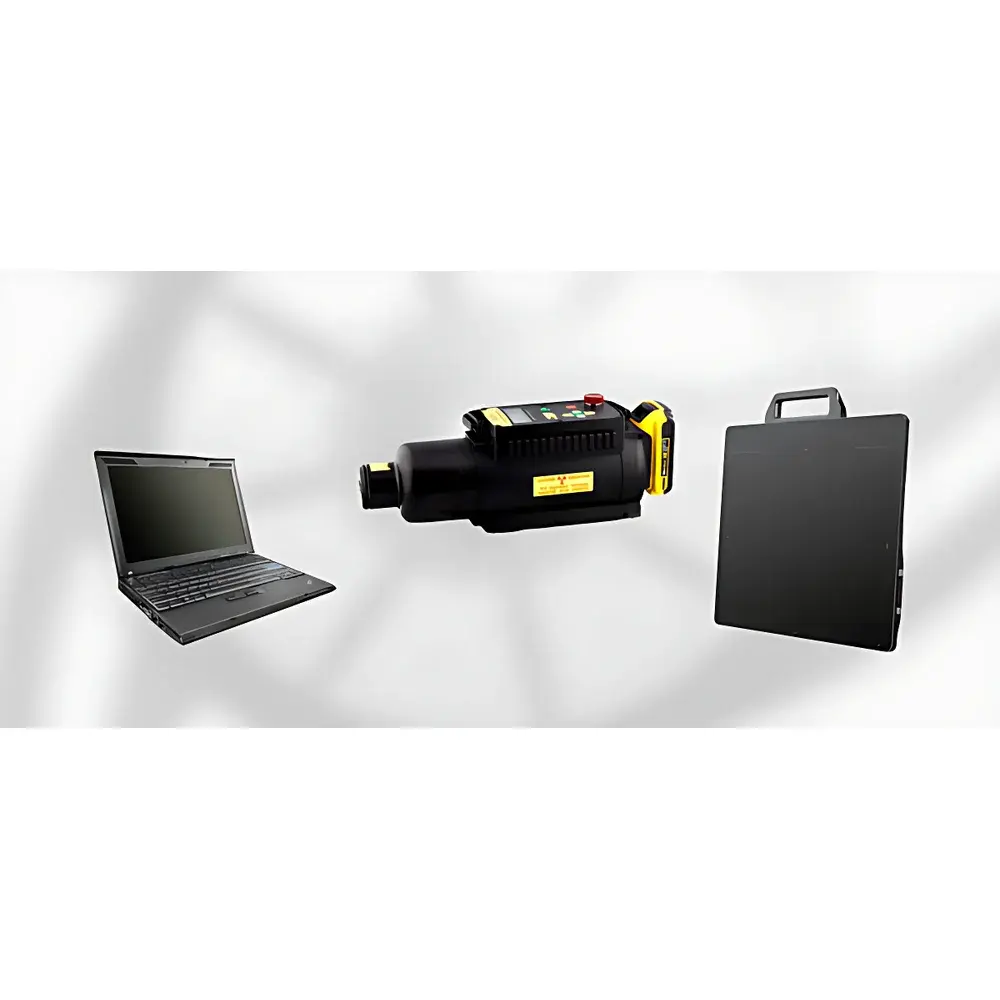
The Aolong AL-DR-270A is a field-deployable pulsed X-ray imaging system engineered for high-fidelity radiographic inspection in security-critical operational environments. Unlike continuous-emission X-ray sources, the AL-DR-270A employs a microsecond-duration pulsed X-ray generator operating at peak voltages up to 270 kV, delivering controlled, low-dose radiation bursts synchronized with a high-sensitivity digital flat-panel detector (FPD). This pulse-synchronization architecture minimizes motion blur, suppresses scatter-induced noise, and enables effective imaging of dense or moving targets—such as vehicles, cargo containers, or concealed threats—without requiring physical access or prolonged exposure. Designed for rapid deployment by mobile security units, EOD teams, and border inspection agencies, the system complies with IEC 62463:2016 (Radiation protection for security screening systems) and meets ANSI N43.17–2022 requirements for dose-limited pulsed X-ray systems used in public safety applications.
Key Features
- Compact, modular design with total system weight under 45 kg—fully transportable by two personnel or integrated into SUV-mounted mobile units
- Pulsed X-ray source with adjustable output (40–270 kV, 0.1–1.0 mA pulse current, pulse width 10–100 µs), enabling optimized contrast-to-noise ratio across diverse material thicknesses
- Amorphous silicon (a-Si) flat-panel detector (43 cm × 43 cm active area, 14-bit dynamic range, 127 µm pixel pitch) providing real-time frame rates up to 15 fps in dynamic mode
- Wireless remote control unit with encrypted 2.4 GHz FHSS communication and operational range exceeding 1,000 meters—supports full system start/stop, exposure parameter adjustment, and live image preview
- Integrated dose monitoring: real-time kerma measurement (µGy/pulse) with automatic exposure termination when preset thresholds are reached, ensuring ALARA (As Low As Reasonably Achievable) compliance
- Ruggedized transport case with IP65-rated enclosure, shock-absorbing mounts, and built-in battery management (LiFePO₄, 8 h standby, 2.5 h continuous operation)
Sample Compatibility & Compliance
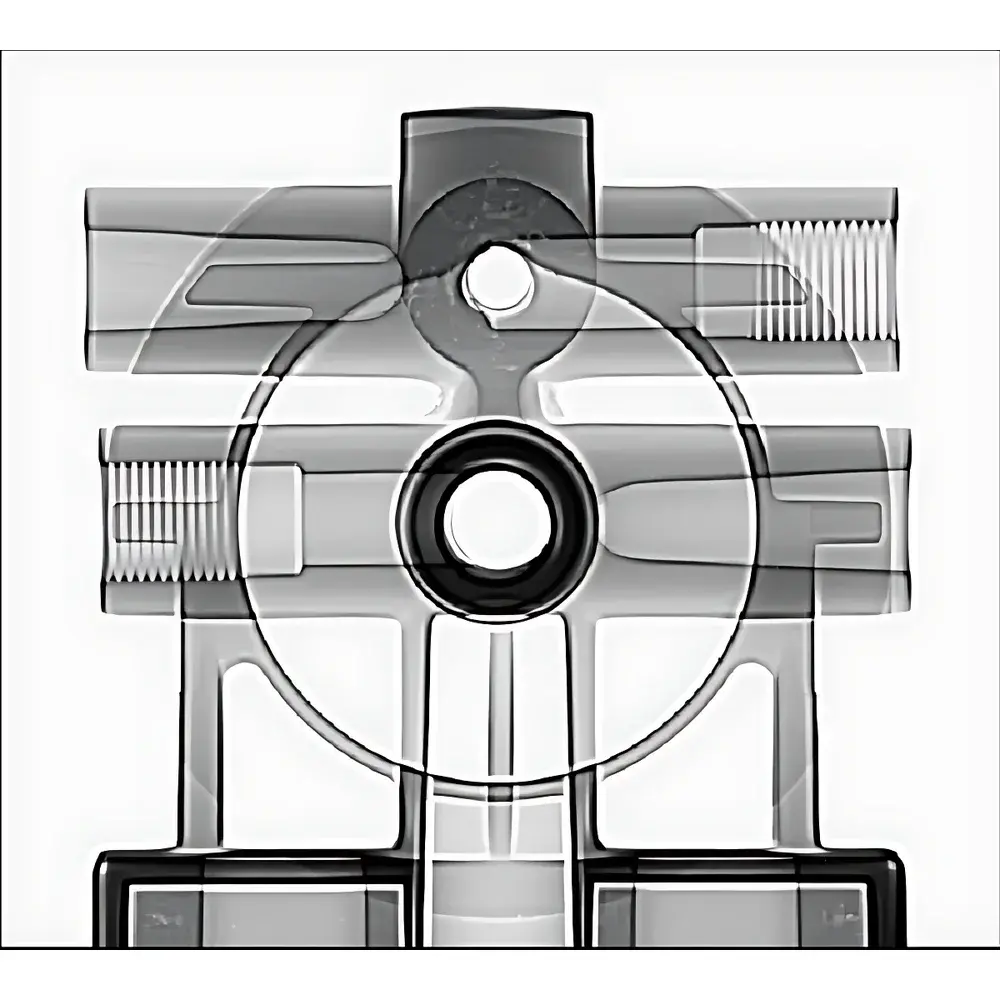
The AL-DR-270A supports non-destructive evaluation of heterogeneous assemblies including ferrous/non-ferrous metallic structures (e.g., power line tension clamps, pipeline girth welds), composite vehicle chassis, and layered contraband packaging. Its high-energy pulsed beam achieves effective penetration of up to 45 mm steel equivalent (at 270 kV, single pulse), while maintaining sub-millimeter spatial resolution in static mode. The system conforms to ISO 17025:2017 for testing laboratory competence and supports audit-ready documentation per GLP and ISO/IEC 17020:2012 for inspection bodies. Radiation safety protocols align with national regulatory frameworks including China’s GBZ 138–2019 and international guidance from the IAEA Safety Standards Series No. SSG-46.
Software & Data Management
The proprietary Aolong DR-Studio v3.2 software suite runs on Windows 10 IoT Enterprise and provides DICOM 3.0-compliant image acquisition, processing, and archival. Core functionalities include dual-energy subtraction (for material discrimination), edge-enhanced real-time streaming, calibrated dimensional metrology (traceable to NIST-certified phantoms), and multi-level user authentication with role-based access control (RBAC). All image metadata—including exposure parameters, GPS coordinates (via optional external module), operator ID, and timestamp—are embedded in EXIF and stored in an encrypted SQLite database. Audit trails meet FDA 21 CFR Part 11 requirements for electronic records and signatures, supporting forensic chain-of-custody workflows in law enforcement deployments.
Applications
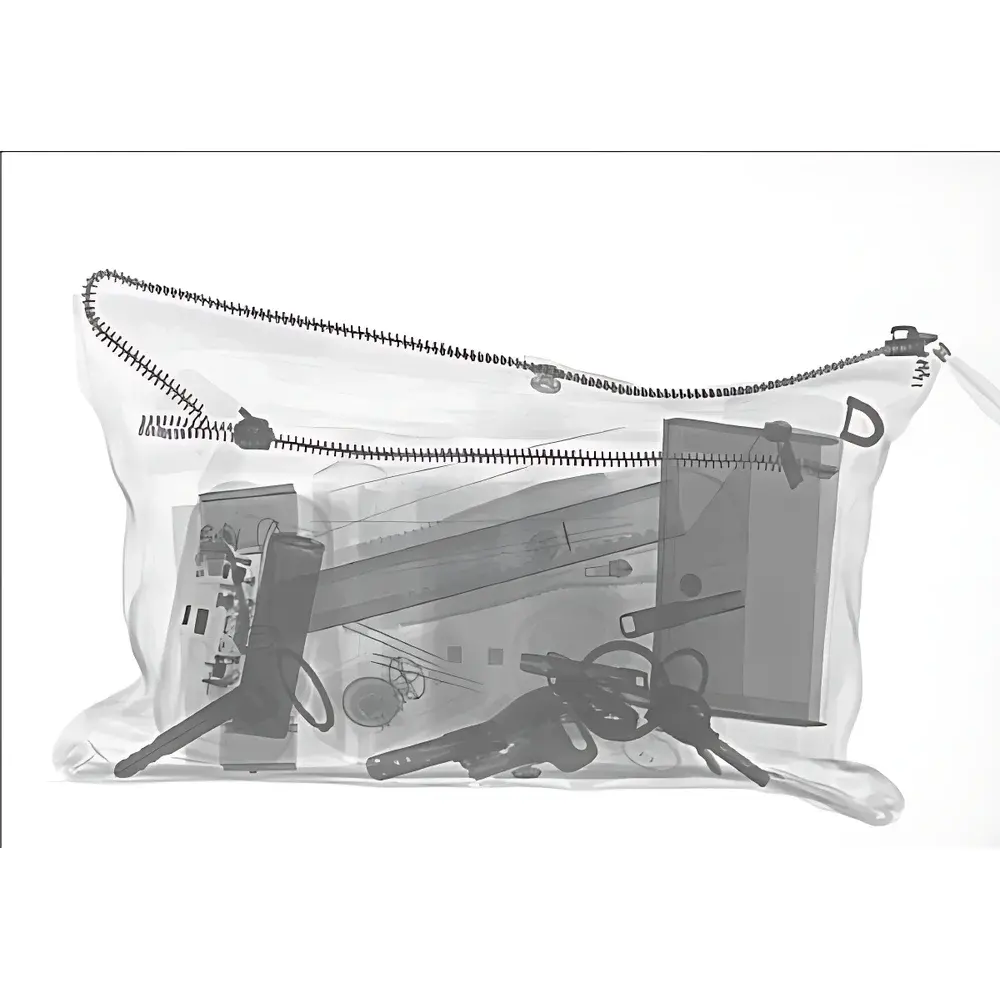
- Explosive ordnance disposal (EOD): standoff identification of improvised devices inside luggage, vehicles, or structural cavities
- Border and customs inspection: rapid scanning of shipping containers, palletized cargo, and passenger vehicles for concealed narcotics, weapons, or undeclared goods
- Infrastructure integrity verification: in-situ assessment of welded joints in transmission towers, substations, and natural gas pipelines
- Aviation security: auxiliary screening of aircraft cargo holds and maintenance bays where fixed gantry systems are impractical
- Disaster response: post-earthquake or blast-site evaluation of collapsed reinforced concrete structures for void detection and survivor localization
FAQ
What is the maximum certified standoff distance for safe operation?
The system is certified for unshielded operation at ≥5 m from the X-ray source during pulsed exposure; full 1,000 m remote control range requires line-of-sight and does not imply radiation safety at that distance.
Does the system support integration with third-party threat recognition AI engines?
Yes—DR-Studio v3.2 exposes a RESTful API for image export in TIFF/PNG/DICOM format and accepts JSON-based annotation overlays from validated AI inference modules compliant with ONNX Runtime v1.15+.
Is regulatory certification available for export to EU or North American markets?
CE marking (EN 61000-6-3, EN 61000-6-4, EN 62463) and FCC ID authorization are available upon request; FDA 510(k) clearance is pending as of Q2 2024.
How is calibration traceability maintained in field conditions?
Each unit ships with a portable calibration phantom (ASTM E2737–21 compliant) and onboard self-test routines; annual recalibration is performed using accredited service centers traceable to CNAS (China) or UKAS (UK).
Can the system operate in extreme ambient temperatures?
Yes—the electronics and detector are rated for continuous operation between –10 °C and +50 °C; battery performance is actively thermal-regulated within this range.



