
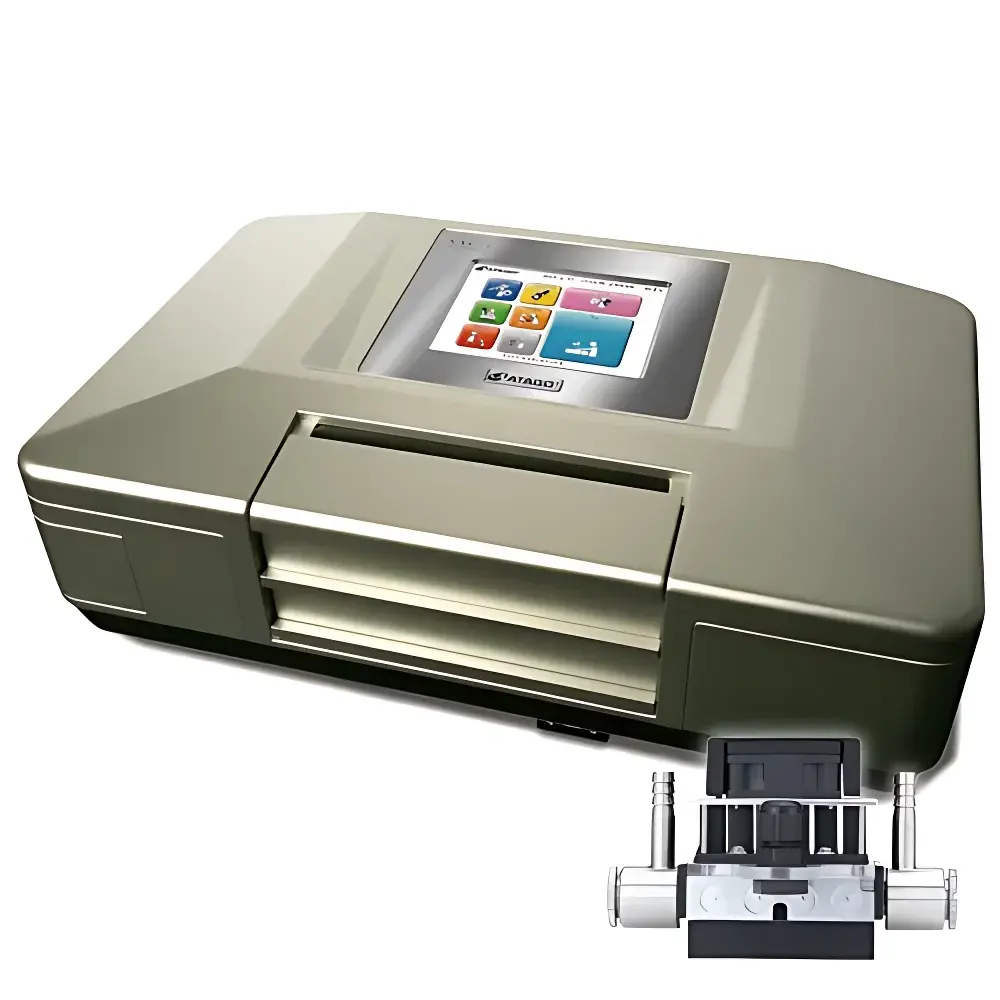
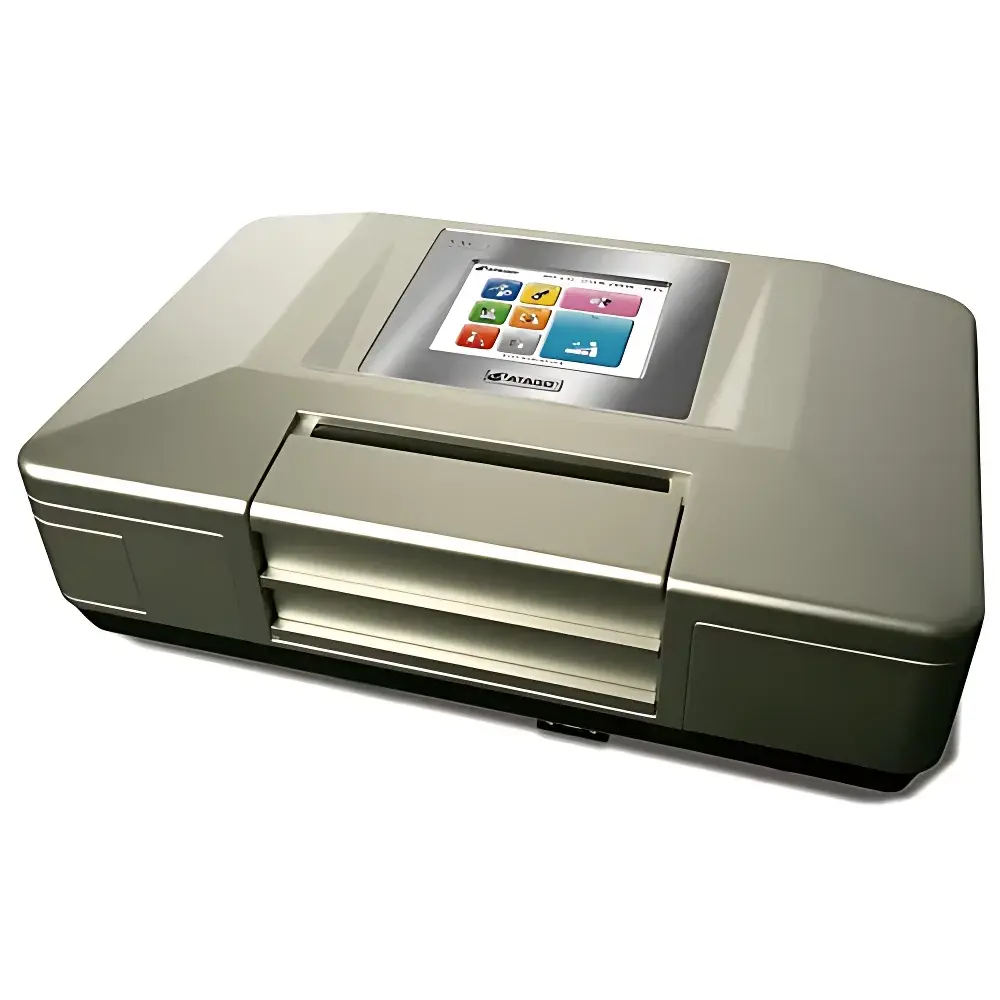
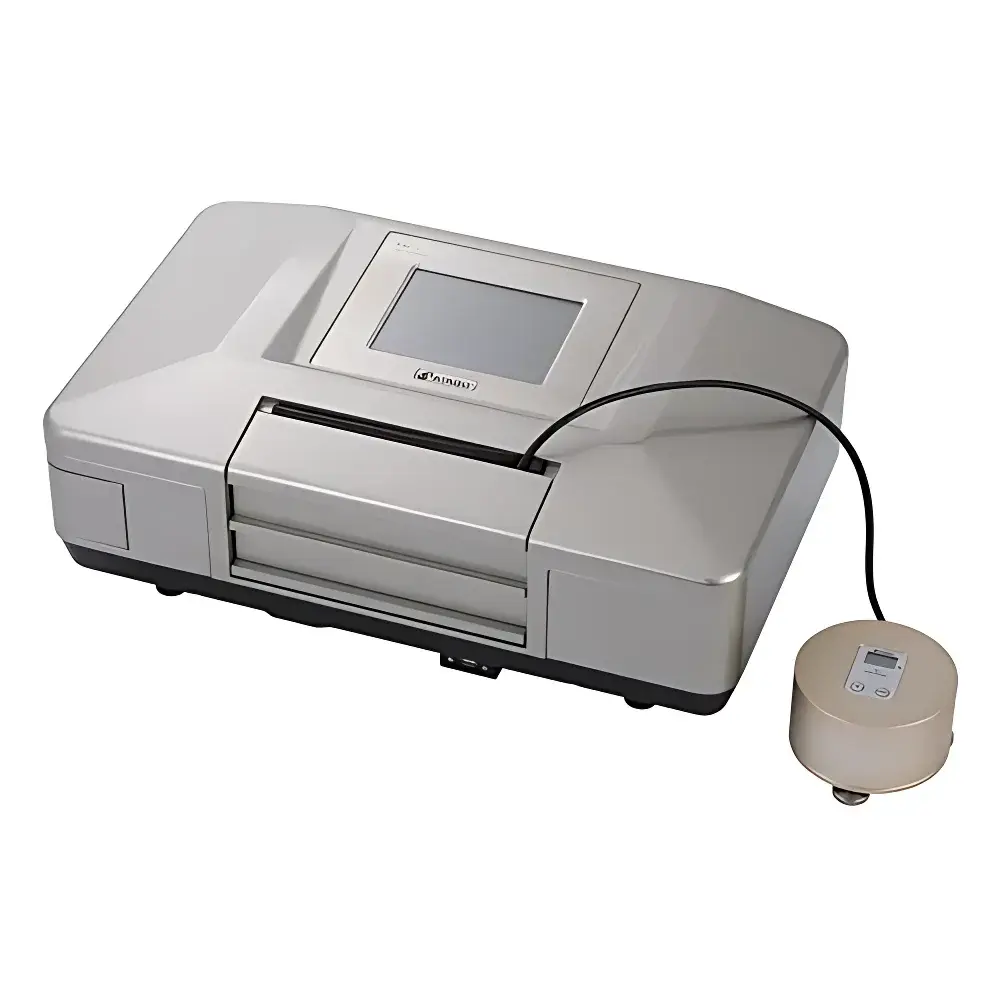
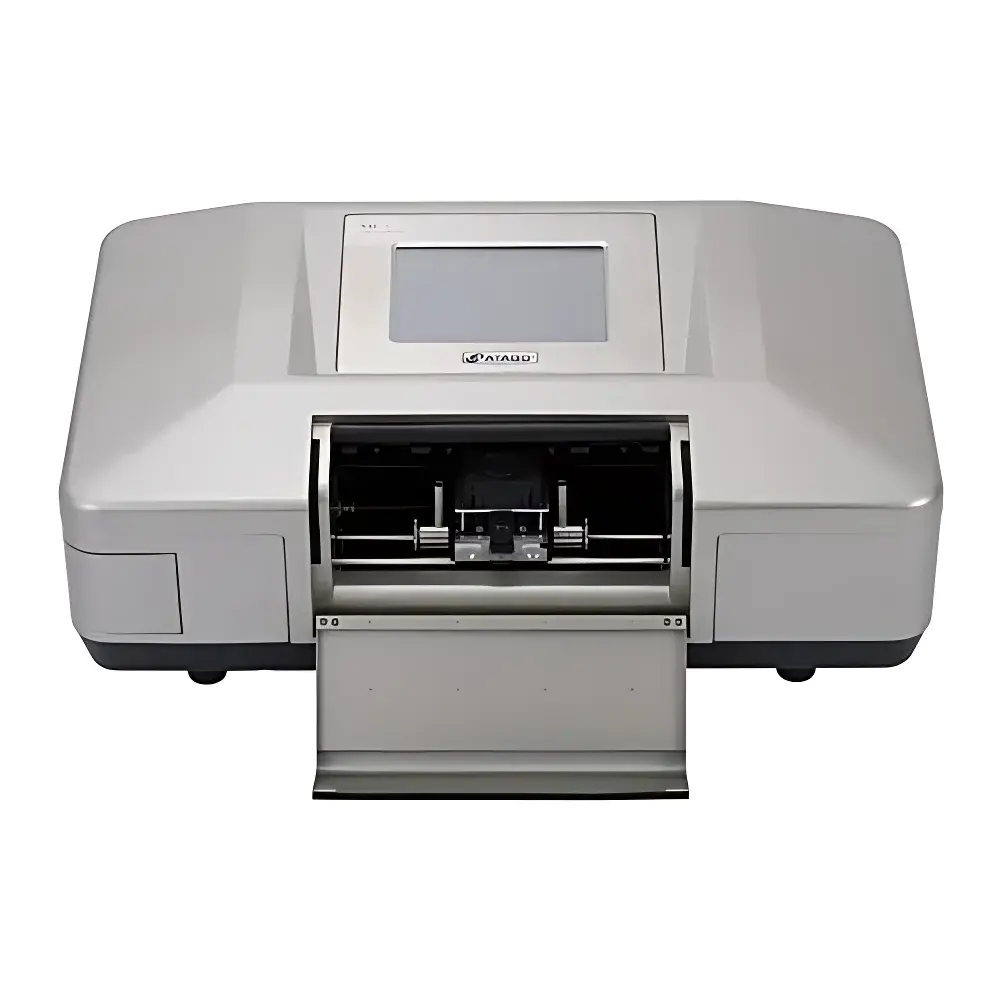
ATAGO SAC-i Dual-Wavelength Automated Temperature-Controlled Polarimeter
| Brand | ATAGO |
|---|---|
| Origin | Japan |
| Model | SAC-i (Dual-Wavelength) |
| Product Type | Automated Polarimeter |
| Temperature Control | Integrated Peltier-based thermostatic system (10–50 °C, ±0.2 °C) |
| Display | 7.5″ color touchscreen LCD |
| Light Source | LED with interference filters at 589 nm and 882 nm |
| Measurement Range | Optical Rotation: −89.9999 to +90.0000° and −360.0000 to +360.0000° |
| International Sugar Scale (ISS) | −259.0000 to +259.0000°Z |
| Resolution | 0.0001° (rotation), 0.0001°Z (ISS) |
| Accuracy (589 nm) | ±0.002° (−5 to +5°), ±0.005° (±5° to ±45°), ±0.01° (>±45°) |
| ISS | ±0.015°Z (−130 to +130°Z), ±0.010°Z (within full rotation range) |
| Accuracy (882 nm) | ±0.002° (−5 to +5°), ±0.005° (−19.3 to +19.3°) |
| ISS | ±0.0150°Z (−130 to +130°Z) |
| Repeatability | ±0.003° |
| Measurement Modes | Manual Standard, Auto Standard, High-Speed Auto, Stability-Triggered Auto |
| Max Cell Length | 200 mm |
| Interface | Front-mounted USB port |
| Compliance | ICUMSA Method GS4/3-11, FDA 21 CFR Part 11 (audit trail, electronic signature support), GLP/GMP-ready data management |
Overview
The ATAGO SAC-i Dual-Wavelength Automated Temperature-Controlled Polarimeter is an advanced analytical instrument engineered for high-precision measurement of optical rotation and International Sugar Scale (ISS) values in liquid and semi-liquid samples. Based on the fundamental principle of polarimetry—quantifying the angular deviation of plane-polarized light as it passes through optically active substances—the SAC-i delivers metrological rigor essential for quality control, R&D, and regulatory compliance in food, pharmaceutical, chemical, and biotechnology laboratories. Its dual-wavelength capability (589 nm sodium D-line and 882 nm near-infrared) enables accurate analysis of both standard and highly colored or turbid samples without pre-treatment such as decolorization or dilution—significantly reducing assay time and eliminating sample alteration artifacts. The integrated Peltier temperature control system maintains sample cell temperature from 10 °C to 50 °C with ±0.2 °C stability, eliminating dependency on external water baths and ensuring thermally consistent measurements per ISO 5725 and USP <781> requirements.
Key Features
- Dual-wavelength LED illumination (589 nm and 882 nm) with interference filters ensures spectral purity and long-term source stability—no lamp replacement required over instrument lifetime.
- Integrated Peltier-based temperature regulation with real-time feedback control, supporting method-defined thermal protocols compliant with ICUMSA GS4/3-11 and AOAC 955.04.
- 7.5-inch capacitive touchscreen interface with six customizable UI themes, intuitive navigation, and context-sensitive soft keys—including direct access to the last 10 measurement records.
- Four programmable measurement modes: Manual Standard, Auto Standard, High-Speed Auto (stable reading in ≤4 s), and Stability-Triggered Auto—enabling adaptive acquisition based on signal drift thresholds.
- High-resolution detection system with 0.0001° angular resolution and repeatability of ±0.003°, verified under controlled environmental conditions per ASTM E287.
- Front-mounted USB port supports direct data export to USB storage devices in CSV or PDF format; optional Ethernet connectivity available for network integration.
- Supports user-defined calibration scales and custom parameter calculation (e.g., specific rotation [α], concentration, purity) using embedded formula editor.
Sample Compatibility & Compliance
The SAC-i accommodates standard and extended-length sample cells up to 200 mm (including 100 mm/5 mL and 200 mm/10 mL configurations), enabling low-concentration or low-activity sample analysis with enhanced pathlength sensitivity. Its 882 nm channel is specifically optimized for dark-colored syrups, molasses, caramel solutions, and botanical extracts—common in sugar refining and nutraceutical QA—where traditional 589 nm systems suffer from excessive absorbance. All firmware and software modules comply with FDA 21 CFR Part 11 requirements, including role-based user authentication, electronic signatures, immutable audit trails, and secure data archiving. Instrument validation documentation supports IQ/OQ/PQ execution aligned with ISO/IEC 17025 and GMP Annex 11 frameworks.
Software & Data Management
The SAC-i operates on embedded Linux-based firmware with a dedicated data management architecture. Each measurement event is timestamped, tagged with operator ID, temperature, wavelength, and cell identification, and stored locally with SHA-256 hash integrity verification. Data export supports comma-separated values (CSV) for LIMS integration and encrypted PDF reports with digital watermarking. Optional PC software (SAC-i Manager) provides advanced statistical analysis—including trend charts, control charts (X̄/R), and batch summary reports—and supports automated report generation per ISO 17025 clause 7.8. Audit logs record all configuration changes, calibration events, and user logins with full traceability for regulatory inspections.
Applications
- Sugar industry: Routine determination of sucrose, glucose, and fructose content in raw juice, syrup, and refined products per ICUMSA methods.
- Pharmaceutical manufacturing: Chiral purity assessment of active pharmaceutical ingredients (APIs), intermediates, and excipients in accordance with ICH Q5A and USP <781>.
- Food & beverage QA: Verification of honey authenticity, maple syrup grading, and citrus juice adulteration screening via optical rotation deviation analysis.
- Academic research: Kinetic studies of enzymatic hydrolysis (e.g., invertase, sucrase), mutarotation dynamics of reducing sugars, and stereochemical characterization of natural products.
- Chemical synthesis labs: In-process monitoring of asymmetric reactions and enantiomeric excess (ee) quantification without chiral chromatography.
FAQ
Does the SAC-i meet FDA 21 CFR Part 11 requirements for electronic records and signatures?
Yes—the instrument includes configurable user roles, electronic signature capture, tamper-evident audit trails, and data encryption, fully supporting compliance with 21 CFR Part 11 Subpart B.
Can the SAC-i measure samples requiring temperatures below 10 °C or above 50 °C?
No—the integrated Peltier system operates strictly within 10–50 °C; external temperature-controlled cells are not supported by the SAC-i platform.
Is calibration traceable to NIST or other national standards?
ATAGO provides factory calibration certificates traceable to JCSS (Japan Calibration Service System), which maintains mutual recognition agreements (MRA) with NIST, PTB, and NPL.
What is the maximum number of consecutive measurements the SAC-i can perform automatically?
Up to 999 sequential measurements with automatic averaging and statistical output (mean, SD, CV%) displayed upon completion.
Can the SAC-i interface with ATAGO’s RX-series refractometers for simultaneous purity analysis?
Yes—via RS-232 or USB serial emulation, enabling synchronized acquisition of refractive index and optical rotation for real-time purity calculation using built-in algorithms.



