AUCMA DW-40W300 -40°C Ultra-Low Temperature Upright-Freezer Replacement (Horizontal Configuration)
| Brand | AUCMA |
|---|---|
| Origin | Shanghai, China |
| Model | DW-40W300 |
| Capacity | 300 L |
| Internal Dimensions (mm) | 985 × 504 × 661 |
| External Dimensions (mm) | 1154 × 710 × 838 |
| Power Supply | 220 V / 50 Hz |
| Rated Power | 320 W |
| Temperature Range | –10 °C to –40 °C |
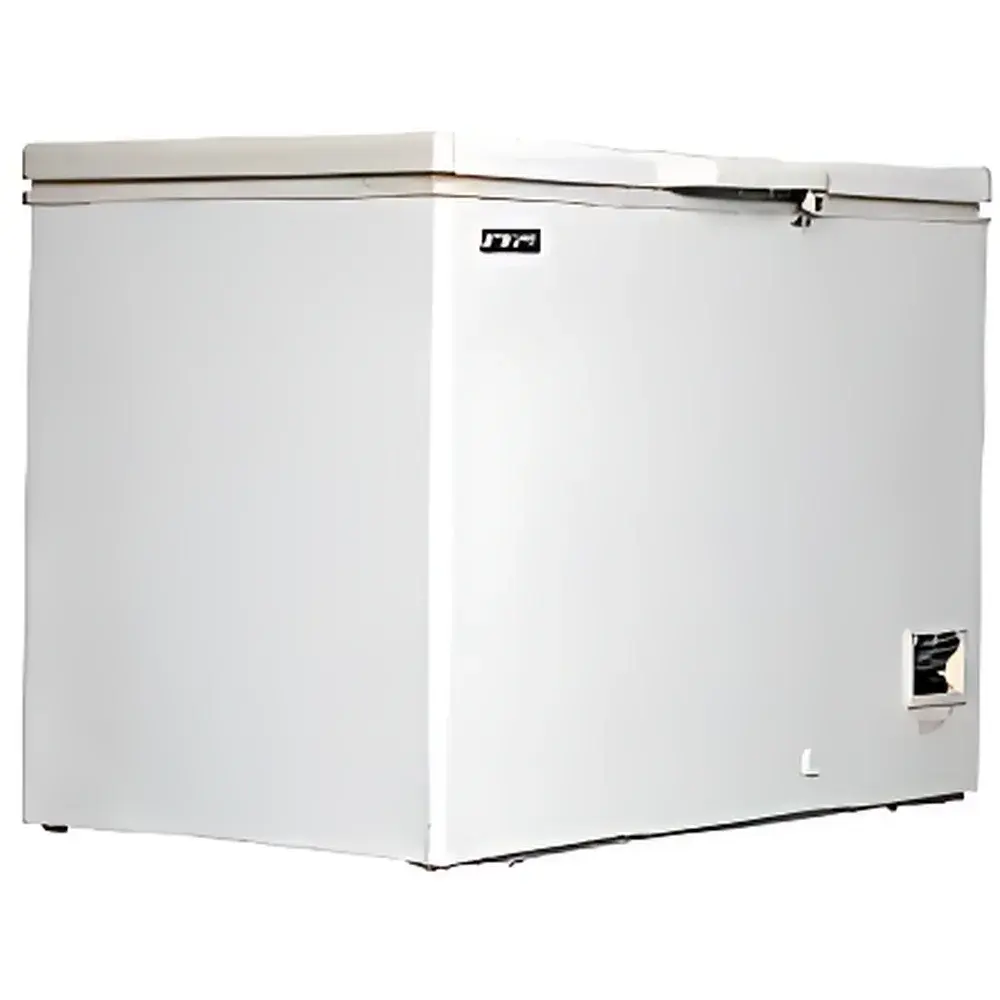
| Cabinet Type | Horizontal (Top-Opening) |
| Insulation | High-Density Polyurethane Foam with Microcellular Structure |
| Refrigerant | Eco-Friendly HFC Blend (Non-CFC/Non-HCFC) |
| Compressor | Imported Industrial-Grade Unit |
| Fan Motor | EBM Precision AC Motor |
| Door Seal | Dual-Gasket Sealed Lid |
| Safety Features | Audible/Visual Alarm, Remote Alarm Output, Keypad Lock, Compressor Delay Protection |
| Climate Class | N (10–32 °C Ambient) |
Overview
The AUCMA DW-40W300 is a horizontally configured ultra-low temperature storage unit engineered for stable, energy-efficient preservation of thermosensitive biological specimens at sustained operating temperatures between –10 °C and –40 °C. Unlike cryogenic freezers operating below –80 °C, this model occupies the critical mid-range segment of laboratory cold chain infrastructure—optimized for applications requiring deeper refrigeration than standard +2 °C to +8 °C medical refrigerators but without the operational complexity or energy demand of ultra-low (-86 °C) systems. Its thermal architecture employs a dual-stage forced-air circulation system with an imported hermetic compressor and high-efficiency EBM condenser fan, ensuring rapid cooldown (<120 min from 25 °C to –40 °C under load), minimal temperature fluctuation (±1.5 °C uniformity across chamber volume), and consistent thermal recovery after door opening (≤15 min to re-stabilize). Designed for continuous operation in ambient environments classified per IEC 60068-2-1 (cold) and IEC 60068-2-2 (dry heat), the unit meets EN 61000-6-3 (EMC emissions) and EN 61000-6-1 (immunity) standards for laboratory-grade electrical equipment.
Key Features
- Microprocessor-based digital temperature controller with LED display on lid surface—enabling real-time monitoring and adjustable setpoint resolution of 0.1 °C.
- Dual-gasket door seal system with magnetic closure ensures <0.5 °C/h heat ingress rate during standard door-open cycles (per ISO 23993:2021 Annex B test protocol).
- Multi-mode alarm system including audible buzzer, visual LED indicator, and dry-contact remote alarm output compatible with building management systems (BMS) or centralized lab monitoring platforms.
- Compressor protection logic: programmable start-delay (0–5 min), minimum off-time enforcement (≥3 min), and overtemperature cutout (compressor shell >120 °C).
- Wide-input voltage tolerance (198–242 V AC) accommodates fluctuations common in regional power grids; integrated surge suppression per IEC 61000-4-5 Level 3.
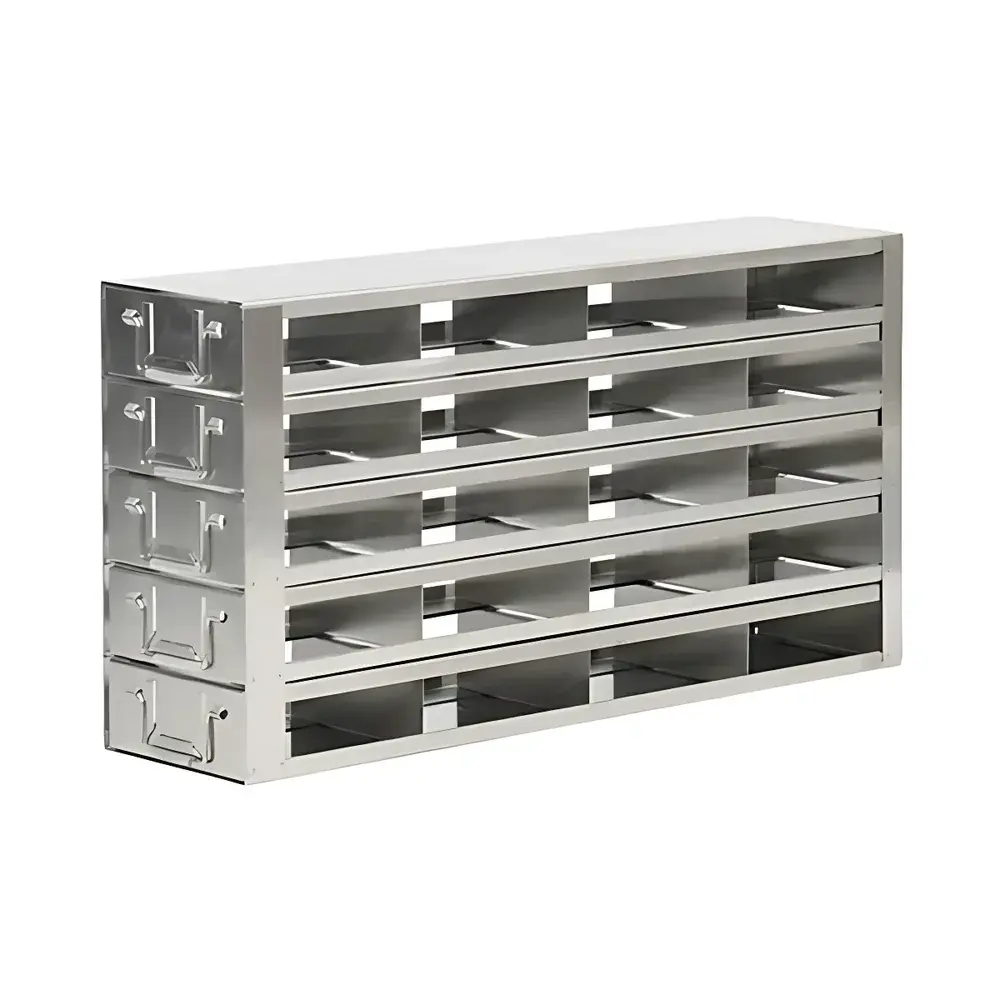
- Drawer-style internal organization with removable polypropylene baskets—each rated for ≥25 kg static load and autoclavable at 121 °C for decontamination compliance.
- Environmentally compliant refrigeration circuit utilizing zero-ozone-depletion-potential (ODP) HFC-134a/HFC-245fa blended refrigerant and CFC-free polyurethane foam insulation (foam density ≥38 kg/m³).
Sample Compatibility & Compliance
The DW-40W300 supports long-term integrity of plasma units, peripheral blood mononuclear cells (PBMCs), recombinant proteins, lyophilized vaccines, and nucleic acid preparations requiring stabilization below –20 °C. Its validated temperature uniformity profile complies with ASTM F2607-22 (Standard Specification for Performance of Laboratory Refrigerators and Freezers) and aligns with WHO Technical Report Series No. 961 Annex 9 (Good Storage Practices for Vaccines). While not certified to FDA 21 CFR Part 11 for electronic records, its analog control architecture enables full auditability via external data loggers meeting GLP/GMP validation requirements (e.g., Vaisala viewLinc or DeltaTRAK FlashPaq). The unit’s non-corrosive stainless steel interior and rounded corners facilitate cleaning per ISO 14644-1 Class 8 cleanroom protocols when deployed in QC laboratories.
Software & Data Management
This model operates as a standalone hardware platform with no embedded firmware-based data logging. However, it integrates seamlessly with third-party environmental monitoring systems via its 4–20 mA analog output port and RS-485 Modbus RTU interface (optional adapter required). Users may configure continuous temperature trending, threshold-triggered notifications, and PDF report generation using validated software suites compliant with 21 CFR Part 11 (e.g., SenseAnywhere Cloud or Elpro eDAS). Calibration traceability follows ISO/IEC 17025:2017 guidelines through NIST-traceable reference probes placed at three defined spatial points (top/mid/bottom) during IQ/OQ/PQ qualification.
Applications
- Hospital blood banks storing fresh frozen plasma (FFP) and cryoprecipitate per AABB Standards for Blood Banks and Transfusion Services (Section 5.12.2).
- Public health laboratories maintaining WHO-prequalified vaccine stocks under cold chain conditions specified in the Global Vaccine Action Plan (GVAP).
- Biobanking facilities archiving human tissue samples prior to RNA extraction where RNase inhibition requires sub–20 °C storage.
- Materials science labs conducting low-temperature coefficient-of-expansion (CTE) testing on semiconductor substrates or polymer composites.
- Pharmaceutical stability chambers supporting ICH Q1A(R2) accelerated degradation studies at controlled sub-zero conditions.
FAQ
What is the recommended ambient operating temperature range for this unit?
The DW-40W300 is rated for continuous operation in ambient environments between 10 °C and 32 °C (Climate Class N per IEC 60068-1), with optimal performance observed at 20–25 °C.
Does the unit support validation for GxP-regulated environments?
Yes—the mechanical design and thermal performance are fully compatible with IQ/OQ/PQ execution per ASTM E2500-13 and EU Annex 15; however, electronic record integrity requires integration with external 21 CFR Part 11-compliant data loggers.
Can the internal drawers be removed for cleaning or reconfiguration?
All six standard polypropylene baskets are fully detachable, autoclavable, and feature molded alignment guides to maintain positional repeatability during reinsertion.
Is remote monitoring possible without additional hardware?
No—the base configuration lacks built-in Ethernet/Wi-Fi; remote capability requires installation of an RS-485-to-Ethernet gateway and compatible SCADA software.
What maintenance intervals are recommended for compressor oil and refrigerant charge?
Under normal laboratory use (≤4 door openings/day), scheduled maintenance is limited to annual condenser coil vacuuming and biannual door gasket inspection; refrigerant recharge is not required unless leak detection confirms loss (>5% system charge).