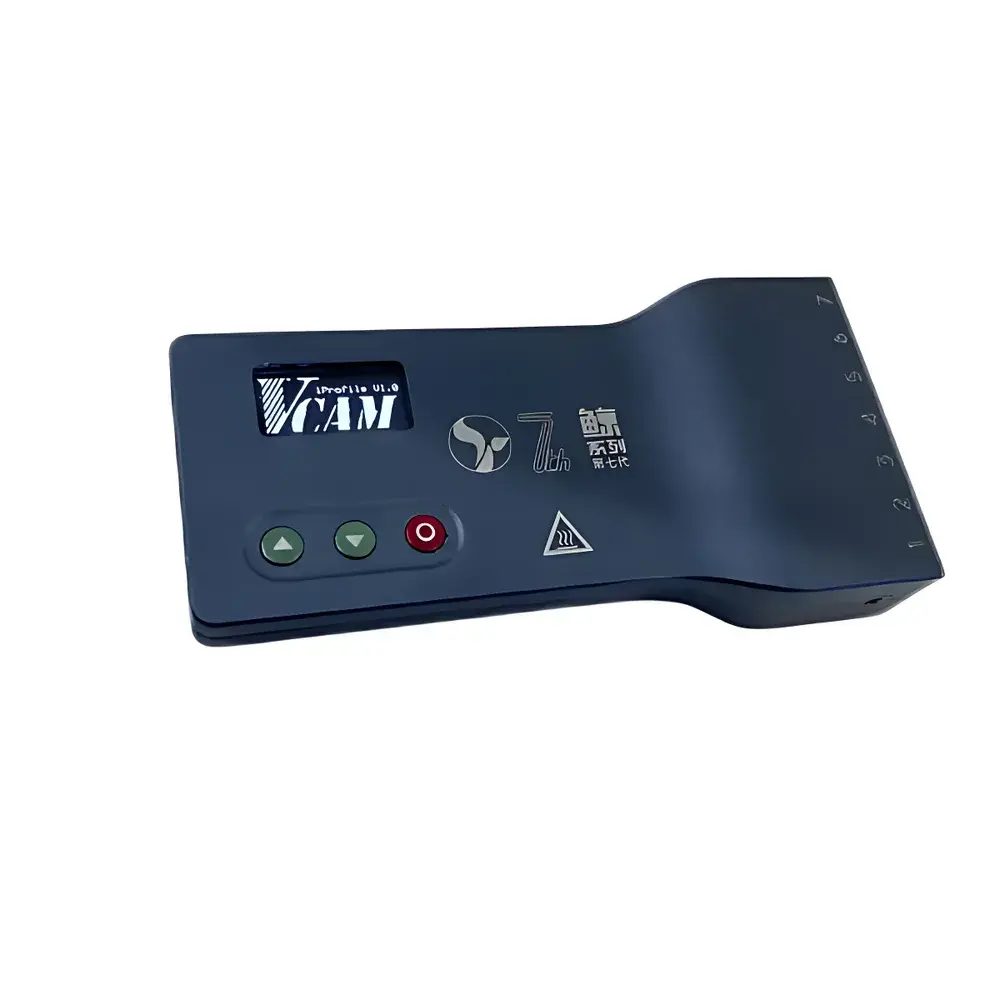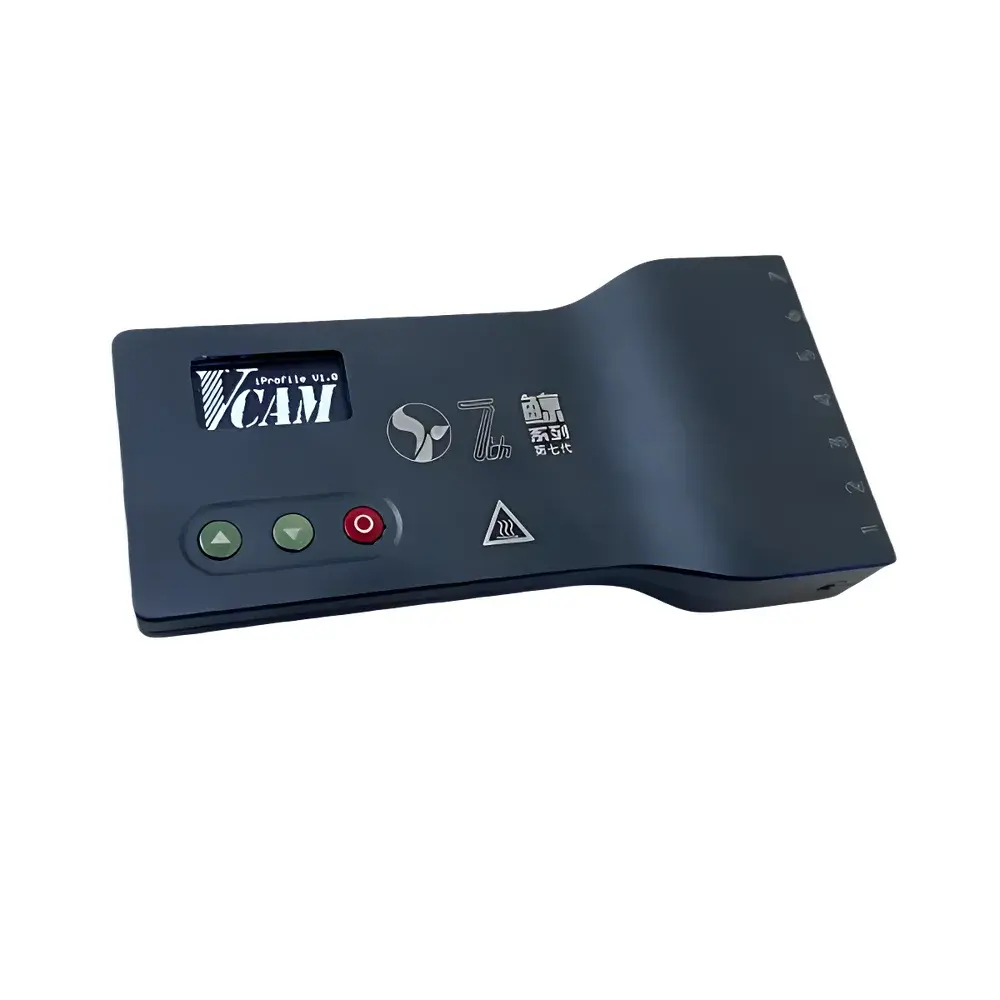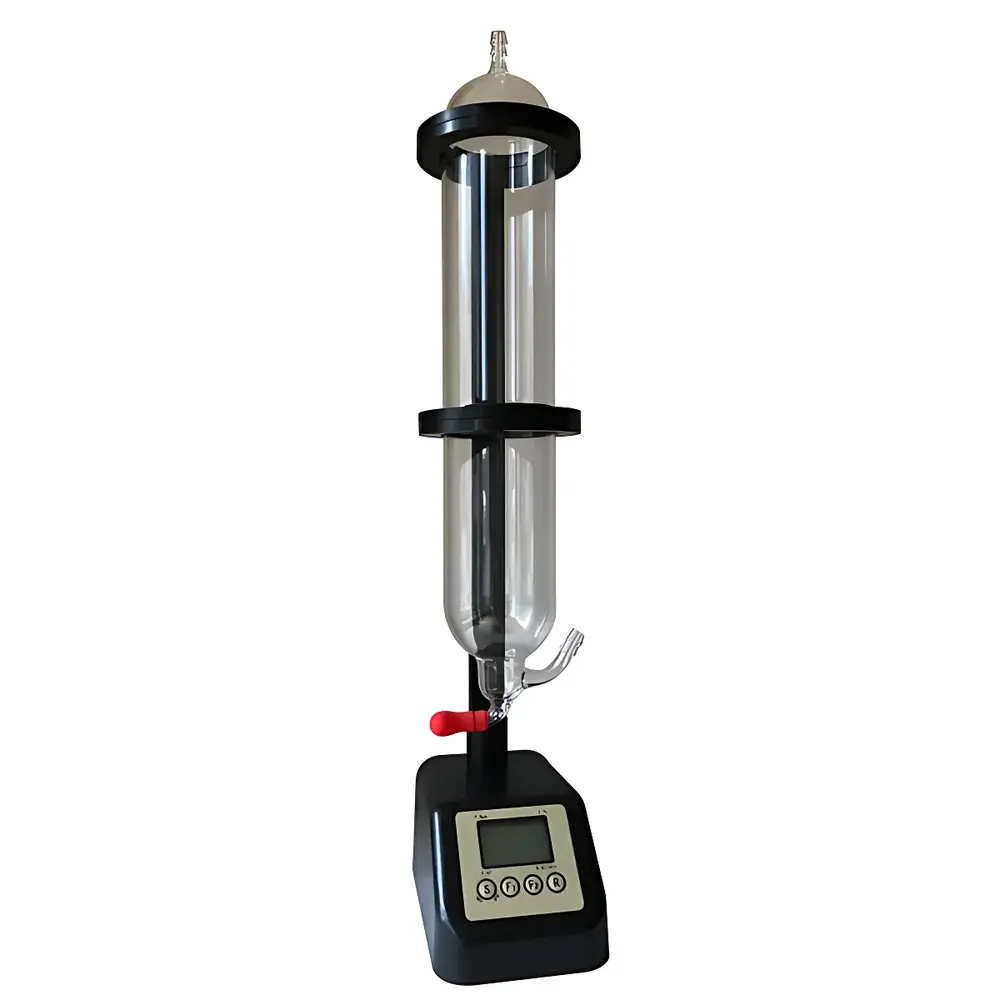
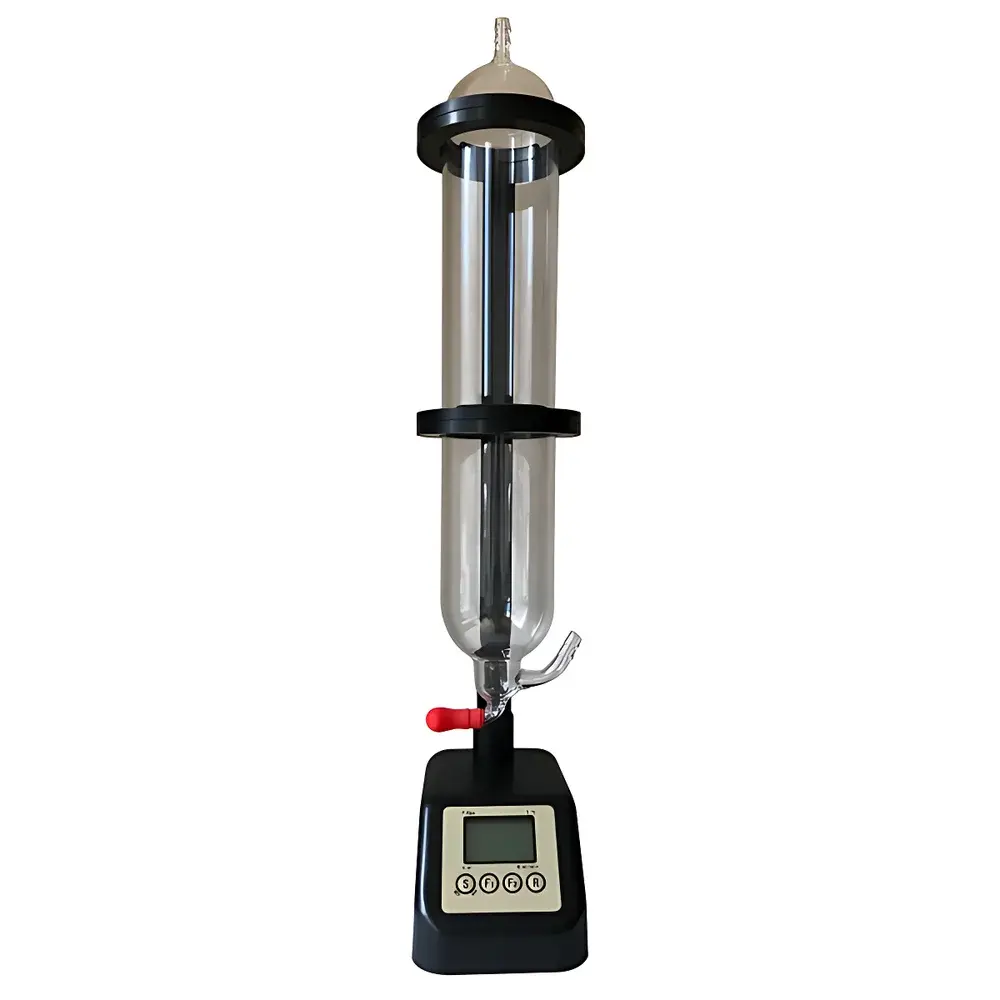
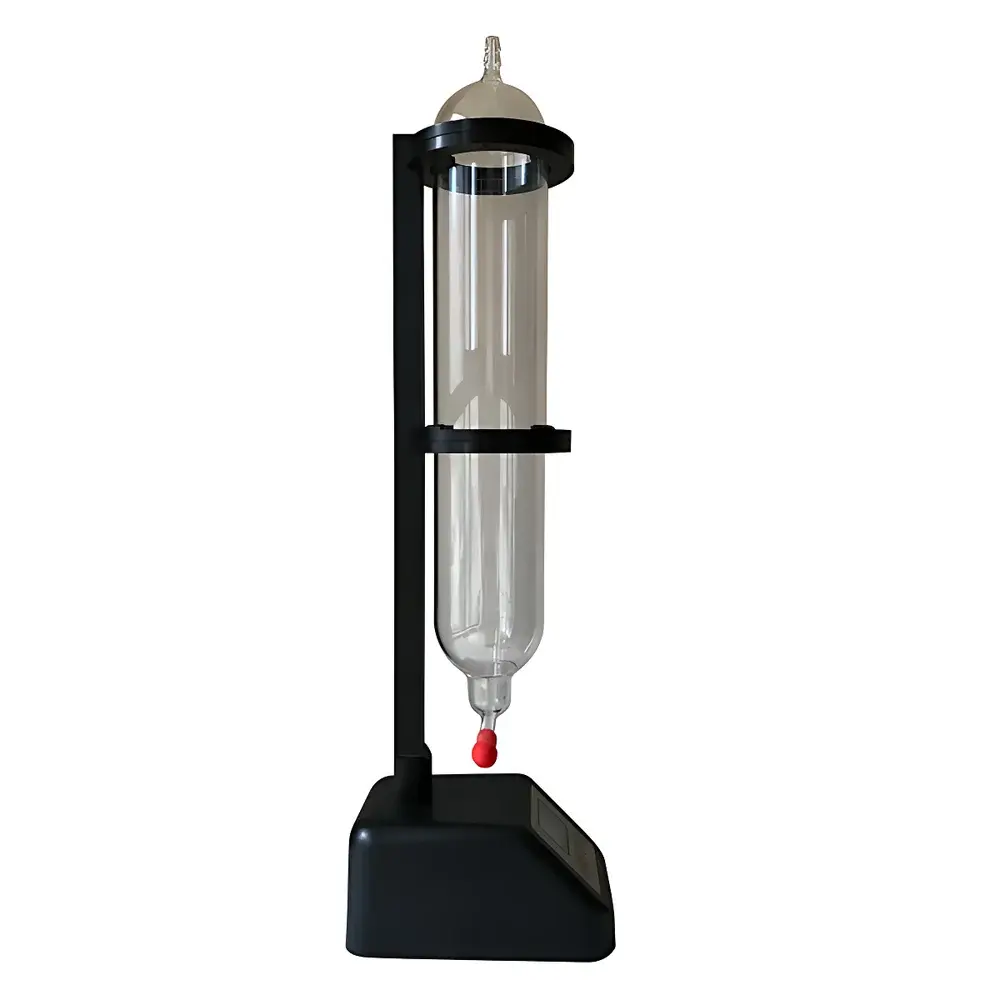
Beifen Sanpu GL-105B Electronic Soap Film Flowmeter
| Brand | Beifen Sanpu |
|---|---|
| Origin | Beijing, China |
| Manufacturer Type | Direct Manufacturer |
| Product Origin | Domestic (China) |
| Model | GL-105B |
| Price | USD 820 (FOB) |
| Flow Measurement Principle | Volumetric (Soap Film Method) |
| Flow Range | 30 mL/min – 30 L/min |
| Accuracy | ±1% of reading |
| Display | LCD with real-time temperature, pressure, volume, and flow rate |
| Timing Resolution | 0.01 s (range: 0.1–600.0 s) |
| Power | Rechargeable 4.8 V / 700 mAh battery (standby >300 h |
| Operating Interface | Three-button control with 5-point averaging function |
| Environmental Compensation | Built-in temperature and pressure correction for volumetric-to-mass flow conversion |
Overview
The Beifen Sanpu GL-105B Electronic Soap Film Flowmeter is a precision volumetric flow measurement instrument engineered for laboratory-grade calibration, verification, and routine flow validation of gas and liquid delivery systems. It operates on the well-established soap film method — a primary standard technique defined in ISO 4021, ASTM D5402, and USP — wherein a thin, stable soap film is formed across the inner diameter of a calibrated glass tube; the time required for the film to traverse a known distance is measured electronically to determine volumetric flow rate. Unlike thermal or differential pressure meters, this method provides direct, traceable, and inherently low-uncertainty measurement without reliance on fluid properties such as viscosity or density. The GL-105B is specifically optimized for mid-to-high range applications (30 mL/min to 30 L/min), making it suitable for calibrating mass flow controllers (MFCs), validating gas chromatography carrier gas lines, verifying environmental air samplers, and supporting HVAC airflow commissioning protocols.
Key Features
- High-resolution electronic timing system with 0.01-second internal resolution and user-selectable measurement duration (0.1–600.0 s)
- Integrated temperature and barometric pressure sensors enabling real-time compensation for ambient conditions per ISO 6145-1 and ISO 10723 standards
- LCD display showing concurrent readings of elapsed time, measured volume, ambient temperature (°C), absolute pressure (kPa), calculated volumetric flow (mL/min or L/min), and compensated mass flow (mg/s or g/min) when gas composition is specified
- Three-button interface supporting rapid setup, single-shot measurement, and automated five-point statistical averaging with min/max/mean/stdev output
- Dual-power architecture: long-life rechargeable 4.8 V / 700 mAh Ni-MH battery (≥300 h standby, ≥500 full cycles) plus optional 9 V DC external input with intelligent charge management
- Robust borosilicate glass measurement tube with laser-etched calibration markings and PTFE-sealed valve assembly for leak-tight operation
Sample Compatibility & Compliance
The GL-105B is compatible with non-corrosive, non-reactive gases (e.g., N₂, O₂, Ar, He, CO₂, compressed air, medical-grade gases) and low-viscosity liquids (e.g., water, ethanol, isopropanol). It is not intended for use with solvents that degrade soap solutions (e.g., acetone, chlorinated hydrocarbons) or high-humidity streams where condensation may disrupt film formation. The instrument conforms to general requirements for portable flow calibration devices under ISO/IEC 17025-accredited laboratories and supports GLP/GMP documentation workflows via timestamped, non-editable measurement records. While the device itself does not carry CE or UKCA marking, its measurement methodology aligns with traceability chains referenced in EURAMET cg-14 and NIST SP 250-94 for volumetric flow standards.
Software & Data Management
The GL-105B operates as a standalone, embedded-system instrument with no proprietary software dependency. All measurements are retained in volatile memory until power-off; however, users may manually record results using standardized lab notebooks or integrate readings into LIMS or ELN platforms via manual entry. For audit readiness, each measurement includes implicit metadata: date/time stamp (RTC-based), ambient T/P values, raw transit time, calculated flow, and applied correction factors. When deployed in regulated environments (e.g., pharmaceutical QC labs), the device supports 21 CFR Part 11 compliance through procedural controls — including operator ID logging, controlled access to calibration parameters, and periodic verification against NIST-traceable reference standards.
Applications
- Calibration and verification of low-flow gas delivery systems in analytical instrumentation (GC, GC-MS, ICP-MS carrier gas lines)
- Field validation of personal and area air sampling pumps per OSHA Method 0010 and NIOSH Manual of Analytical Methods (NMAM) Chapter 1000 series
- Performance testing of medical gas flowmeters and anesthesia vaporizer outputs in clinical engineering departments
- Commissioning and balancing of fume hood face velocities and cleanroom supply/exhaust manifolds
- Educational demonstration of fundamental flow principles in chemical engineering and environmental science laboratories
- Verification of microfluidic device output in R&D settings where gravimetric methods are impractical
FAQ
What gases can be measured with the GL-105B?
The instrument is validated for dry, non-aggressive gases including nitrogen, oxygen, argon, helium, carbon dioxide, and compressed air. Avoid use with corrosive, oxidizing, or highly soluble gases (e.g., Cl₂, NH₃, SO₂) unless verified by application-specific testing.
Does the GL-105B require periodic recalibration?
Yes — annual verification against a NIST-traceable master flow standard is recommended. Users should perform daily zero checks and verify soap solution consistency before critical measurements.
Can the GL-105B measure liquid flow?
Yes, but only low-viscosity, surface-tension-stable liquids compatible with standard soap film formulation (e.g., aqueous ethanol up to 20% v/v). Viscosity >5 cP or surfactant-sensitive media will compromise film integrity and accuracy.
Is temperature and pressure compensation automatic?
Yes — internal sensors continuously monitor ambient conditions and apply ideal gas law corrections in real time to convert measured volume to standardized conditions (e.g., STP, NTP, or user-defined reference T/P).
How is traceability maintained for regulatory audits?
Traceability is achieved through documented use of certified reference standards, operator training records, and adherence to SOPs aligned with ISO/IEC 17025 clause 6.6. Calibration certificates for the unit’s internal sensors (temperature, pressure, timer) must be retained for minimum of two years.