
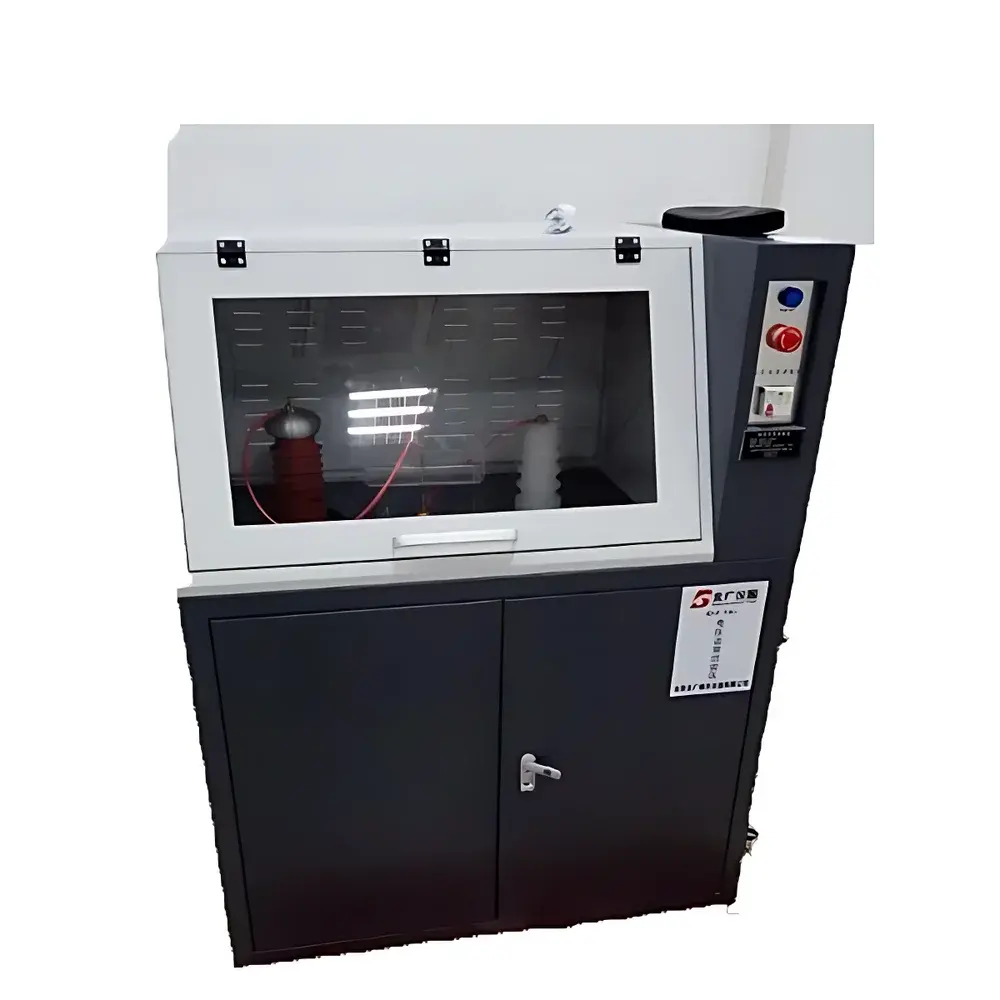
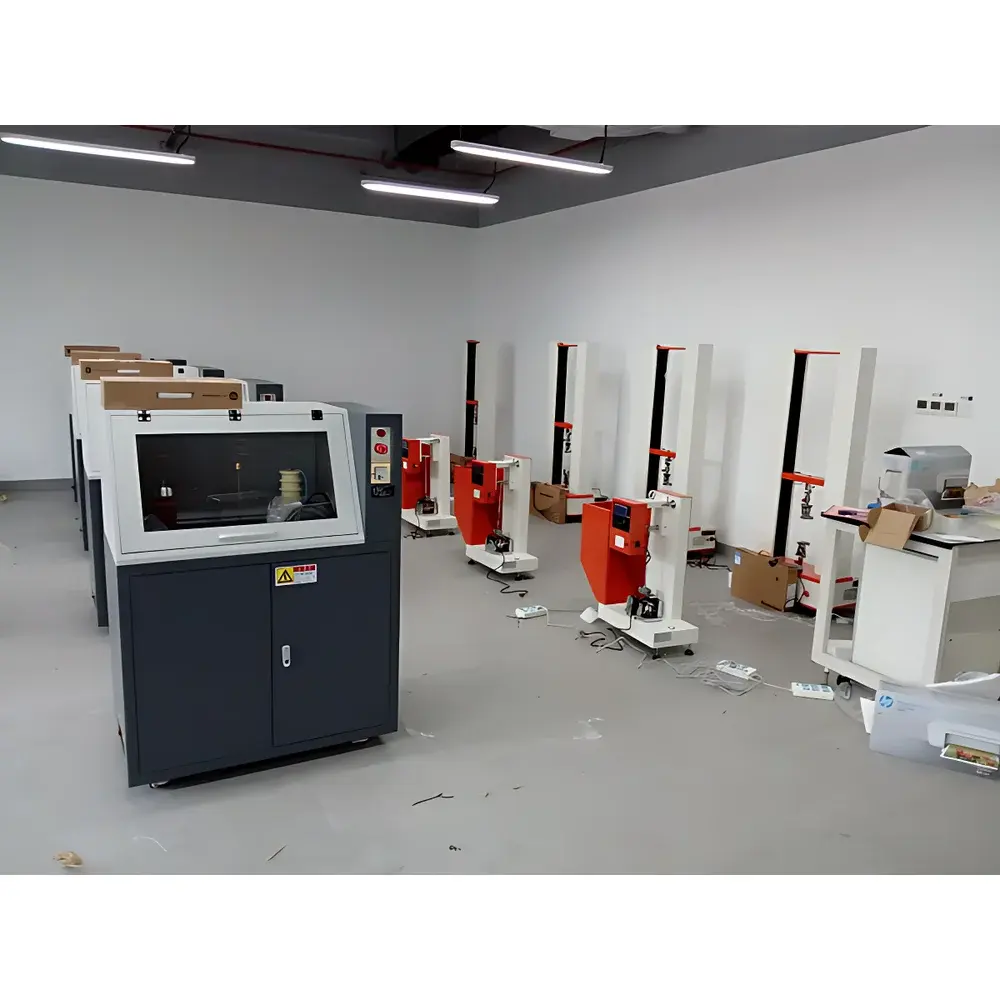
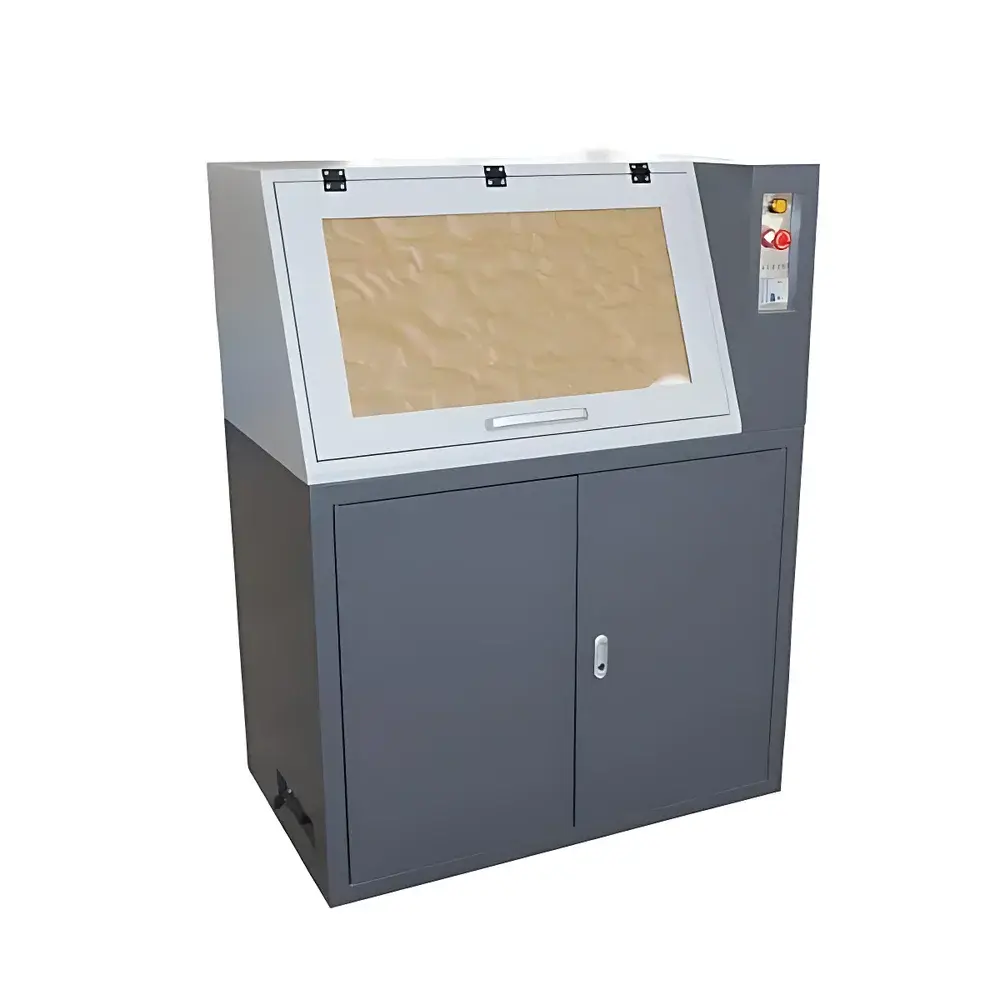
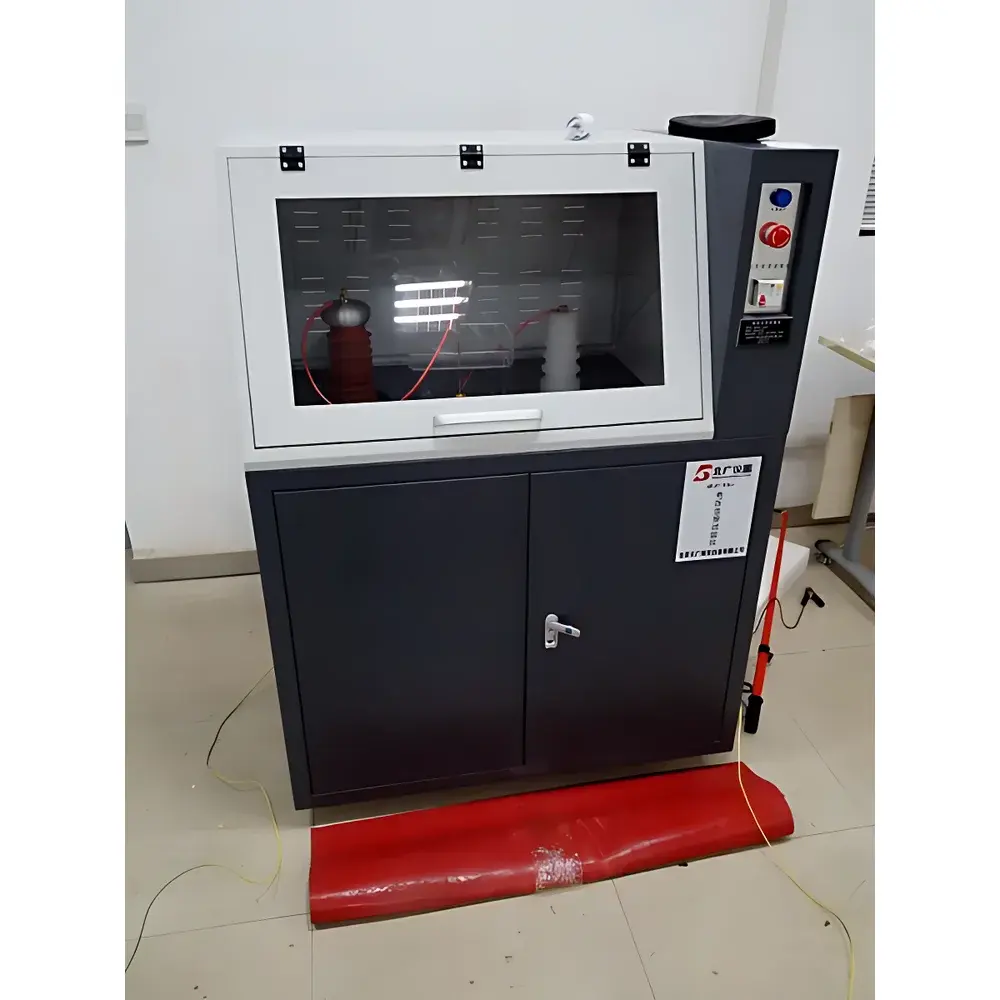
Beijing North Guang Precision BDJC-50KV Dielectric Strength Tester
| Brand | Beijing North Guang Precision Instrument |
|---|---|
| Origin | Beijing, China |
| Manufacturer Type | Direct Manufacturer |
| Model | BDJC-50KV |
| Maximum Test Voltage | 50 kV |
| Voltage Accuracy | ±1% to ±5% |
| Ramp Rate | 0.01–3 kV/s |
| Test Modes | AC / DC, Withstand, Breakdown, Stepwise Ramp |
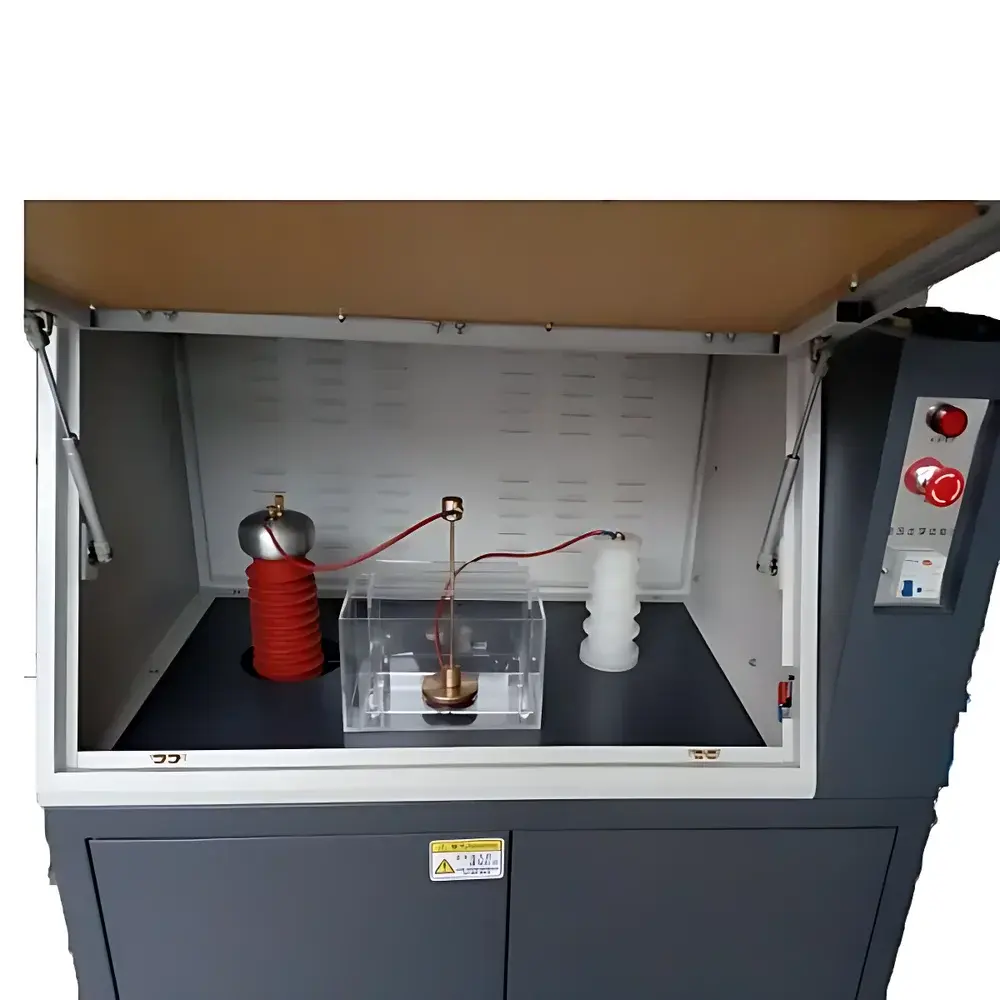
| Electrode Options | 25 mm & 75 mm brass disc electrodes (standard), wire & tubular electrodes (optional) |
| Transformer Capacity | 3 kVA / 5 kVA / 10 kVA |
| Safety Protection | 9-level interlock system |
| Compliance | GB/T 1408.1–2006, ASTM D149, IEC 60243-1, GB/T 1695–2005, HG/T 3330, GB 12656 |
Overview
The Beijing North Guang Precision BDJC-50KV Dielectric Strength Tester is a high-voltage laboratory instrument engineered for precise determination of the dielectric breakdown voltage and electrical strength of solid insulating materials under controlled AC or DC stress conditions. Operating on the principle of controlled voltage ramping until catastrophic insulation failure (i.e., electrical breakdown), the system quantifies the maximum electric field a material can sustain before conduction path formation—expressed as dielectric strength in kV/mm. Designed for R&D labs, quality control departments, and third-party testing institutes, this tester supports standardized evaluation of polymers, elastomers, ceramics, glass, varnish films, laminates, insulating oils, and cable sheathing materials per internationally recognized test protocols. Its architecture integrates industrial-grade isolation, real-time acquisition, and fail-safe mechanical/electronic interlocks to ensure repeatability, operator safety, and regulatory traceability.
Key Features
- Programmable voltage ramp rate (0.01–3 kV/s), continuously adjustable without stepwise ranges—enabling precise alignment with ASTM D149 and GB/T 1408.1 requirements.
- Dual-criteria breakdown detection: simultaneous voltage collapse and current surge monitoring, with independent trigger thresholds for voltage and leakage current.
- Siemens S7-1200 PLC-based control core with 1 ms sampling resolution and 1 ms response latency—ensuring sub-millisecond detection and immediate circuit termination upon breakdown.
- Optically isolated PC communication interface eliminates ground-loop interference and protects host computers during high-voltage transients.
- High-fidelity signal acquisition using calibrated Japanese Matsusada voltage and current sensors—traceable to national metrology standards.
- Nine-layer safety architecture: door interlock, zero-voltage startup, software-defined upper voltage limit, mechanical high-voltage cutoff, overcurrent auto-shutdown, HV status LED, transformer thermal ventilation, exhaust fan for fume evacuation, and automatic post-failure voltage discharge.
- Modular electrode system compliant with GB/T 1408.1–2006: standard brass disc electrodes (Ø25 mm × 2, Ø75 mm × 1); optional wire and tubular electrodes available for specialized geometries.
Sample Compatibility & Compliance
The BDJC-50KV accommodates flat-sheet, film, molded, and extruded specimens ranging from 0.1 mm to 10 mm thickness. It supports testing in air or insulating oil media—critical for eliminating surface flashover artifacts in low-permittivity or hygroscopic samples. All operational parameters—including ramp rate, hold time, termination criteria, and electrode configuration—are fully configurable to meet specimen-specific requirements defined in ISO/IEC 17025-accredited environments. The instrument conforms to key international standards including ASTM D149 (Standard Test Method for Dielectric Breakdown Voltage of Solid Electrical Insulating Materials at Commercial Power Frequencies), IEC 60243-1 (Electrical Strength of Insulating Materials—Test Methods—Part 1: Tests at Power Frequencies), GB/T 1408.1–2006 (Methods of Determining the Short-Time Dielectric Strength of Solid Electrical Insulating Materials), and GB/T 1695–2005 (Determination of Power-Frequency Dielectric Strength and Withstand Voltage of Vulcanized Rubber). Calibration certificates are issued by nationally accredited institutions including China Academy of Metrology (CAM) No. 514 Institute and No. 304 Institute.
Software & Data Management
The proprietary Windows-based test software provides full GLP-compliant data governance. Multi-user access control enables role-based authentication with encrypted password protection and audit-trail logging of all parameter changes and test executions. Test sequences support AC/DC mode selection, withstand duration (0–8 h), stepwise voltage increments, and variable ramp profiles. Real-time voltage–time and current–time curves are displayed and archived with timestamped metadata (temperature, humidity, operator ID, electrode geometry, specimen ID). Results export to CSV, PDF, or XML formats; comparative analysis of up to five test runs is supported with overlay plotting. Software enforces FDA 21 CFR Part 11 readiness through electronic signatures, immutable records, and revision-controlled configuration management. Remote diagnostics and firmware updates are supported via secure TLS-encrypted channels.
Applications
This tester serves critical functions across multiple sectors: qualification of polymer formulations in automotive wiring harnesses and aerospace composites; validation of ceramic substrates for high-voltage power electronics; certification of medical device insulation per IEC 60601-1; QC screening of transformer oils and capacitor papers; R&D of nanocomposite dielectrics; and compliance verification for UL, CE, and CCC-marked electrical components. Typical use cases include accelerated aging studies under combined thermal–electrical stress, comparative evaluation of surface-treated vs. untreated films, and failure mode analysis of delaminated laminates.
FAQ
What is the difference between dielectric strength and breakdown voltage?
Dielectric strength is the electric field intensity (kV/mm) at which a material fails, normalized to specimen thickness; breakdown voltage is the absolute peak voltage (kV) applied before failure occurs. The relationship is: Dielectric Strength = Breakdown Voltage / Specimen Thickness.
Can the system operate without a computer?
No—the BDJC-50KV requires the dedicated PC-based control software for parameter configuration, real-time monitoring, data acquisition, and report generation. The PLC handles only low-level safety logic and sensor interfacing.
Is third-party calibration included with purchase?
Factory calibration is performed prior to shipment. Optional traceable calibration by CNAS-accredited institutes (e.g., CAM 514 Institute) is available upon request and incurs separate service fees.
How is electrical safety ensured during long-duration withstand tests?
The system includes active thermal management (transformer cooling vents), continuous leakage current monitoring, programmable timeout limits, and redundant mechanical/electronic high-voltage cutoffs—all independently verified during factory acceptance testing.
What electrode configuration is recommended for thin polymer films?
For films ≤1 mm thick, the Ø25 mm brass disc electrode pair is recommended per ASTM D149 Annex A1 to minimize edge effects and ensure uniform field distribution across the test area.



