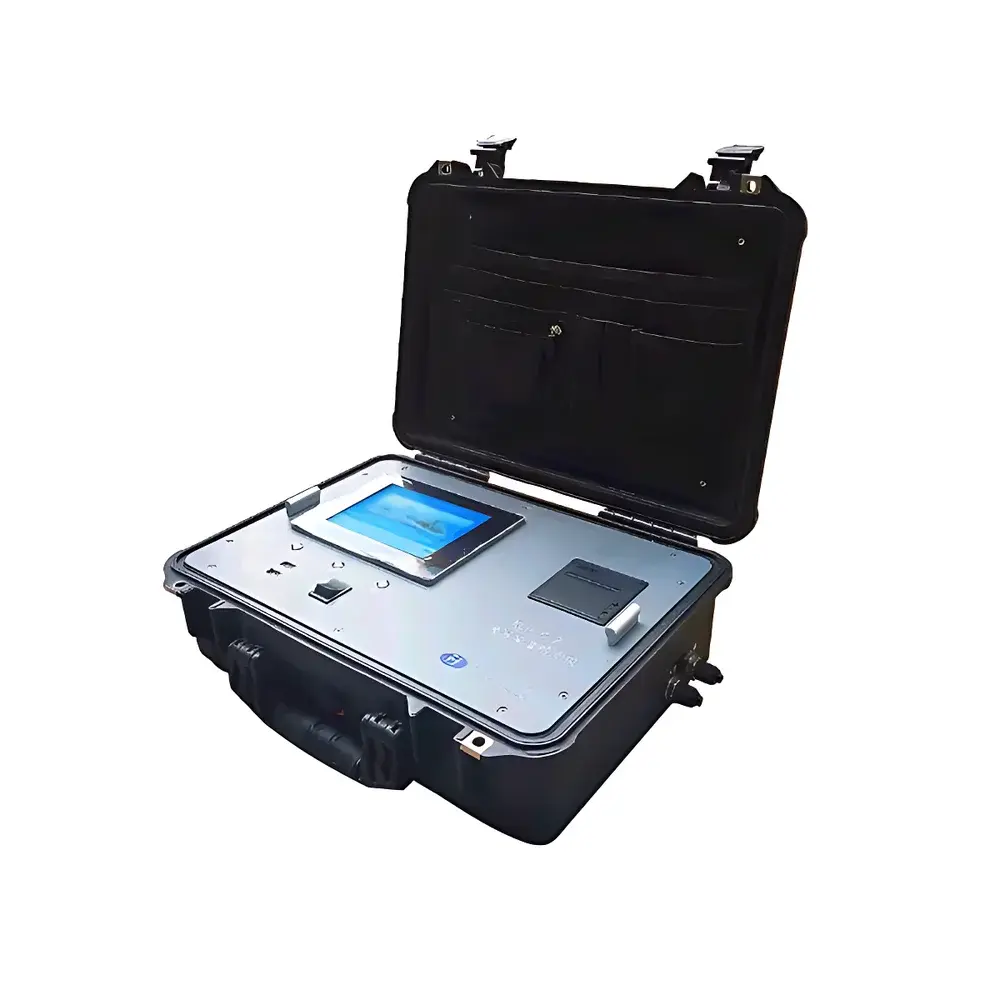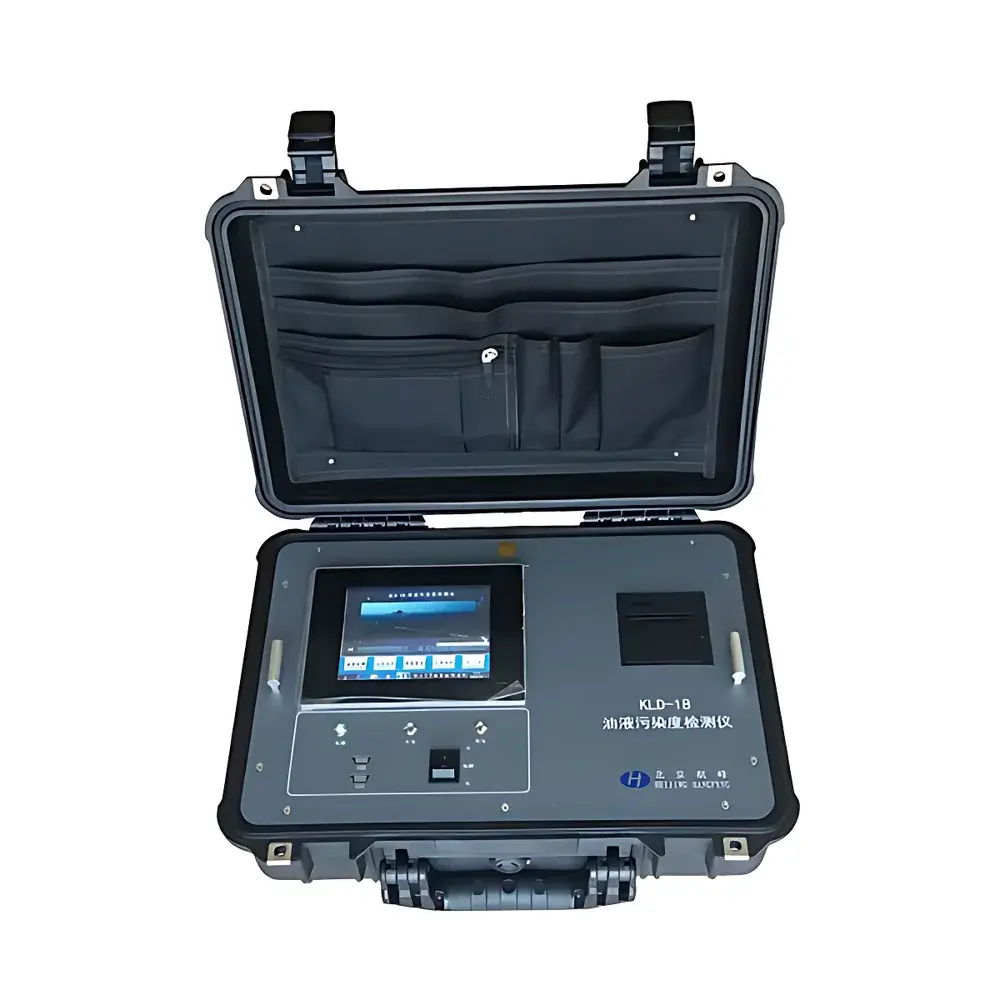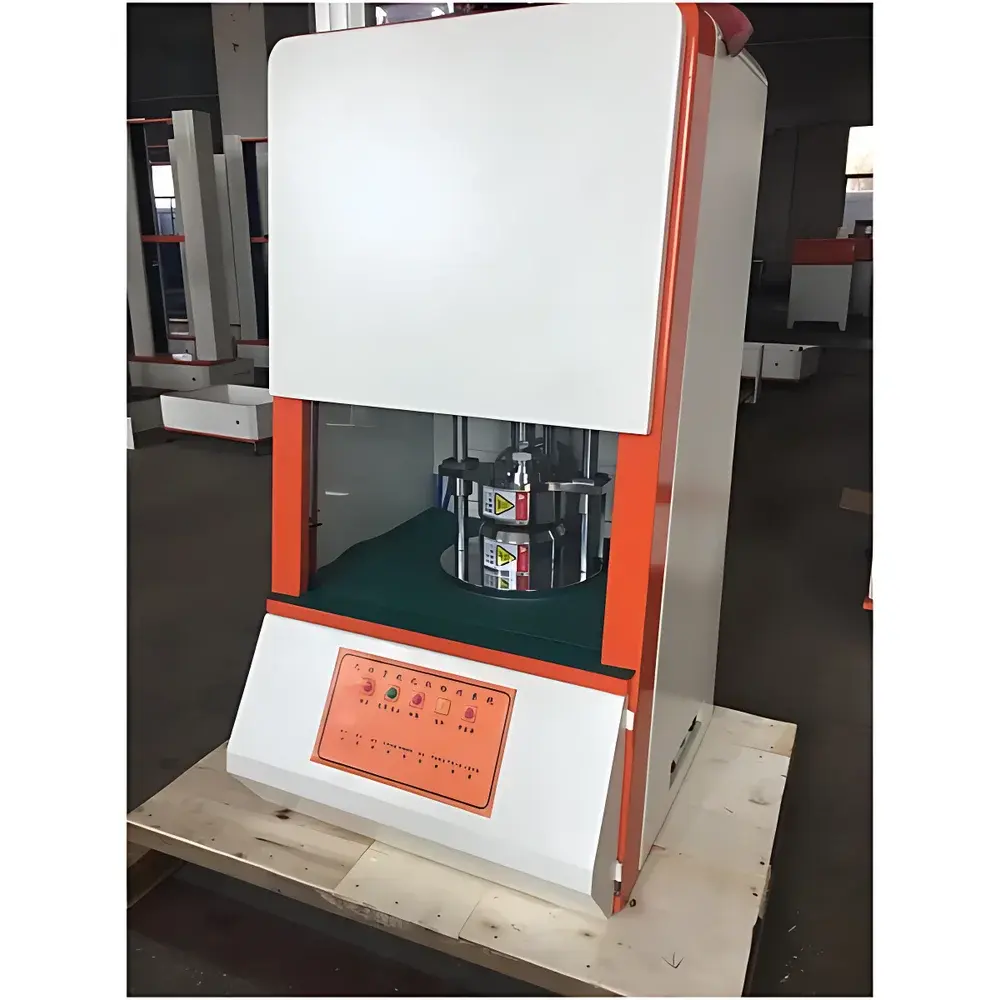
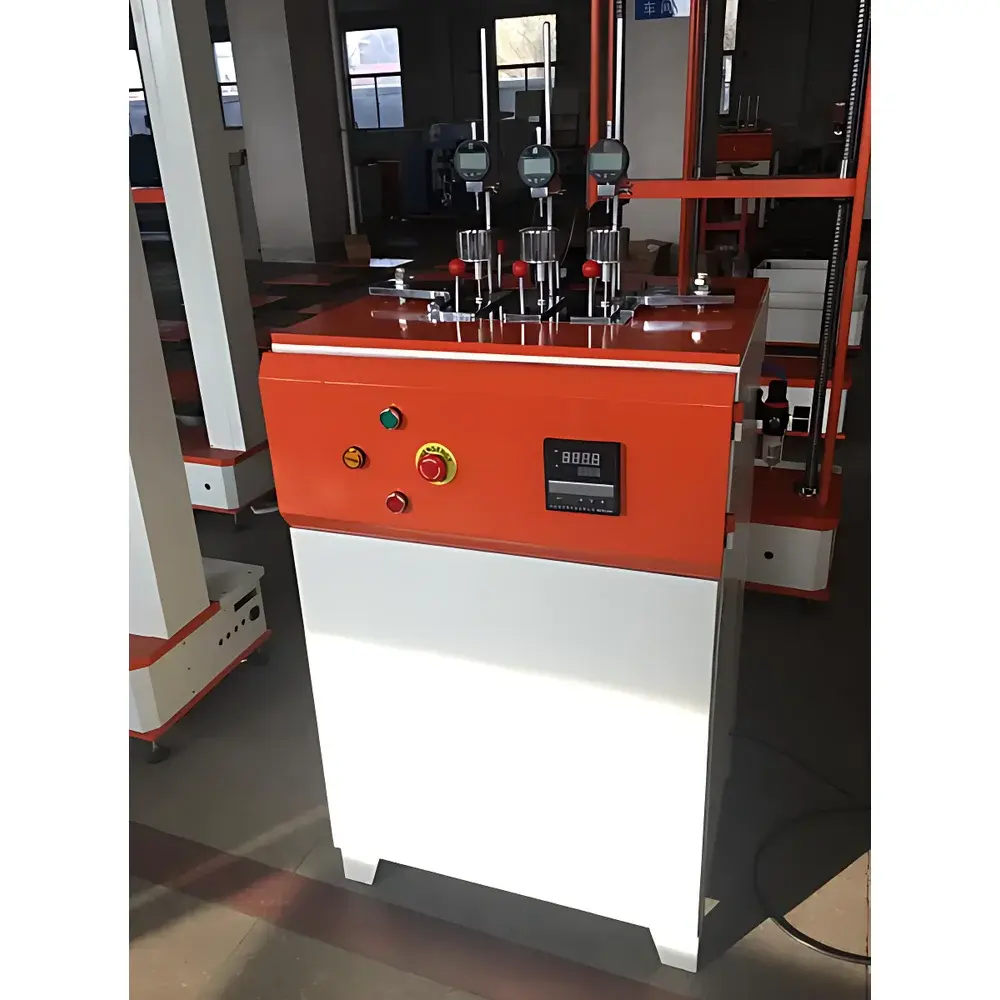
Beijing North Guang Precision Instruments BL-200 Rotorless Rubber Vulcanizer
| Brand | Beijing North Guang Precision Instruments |
|---|---|
| Origin | Beijing, China |
| Manufacturer Type | Direct Manufacturer |
| Country of Origin | China |
| Model | BL-200 |
| Compliance | GB/T 16584, ISO 6502, UNI (Italian Standard) |
| Temperature Range | 0–200 °C |
| Temperature Accuracy | ≤ ±0.3 °C |
| Temperature Resolution | 0.1 °C |
| Torque Range | 0–10 N·m / 0–20 N·m (dual-range) |
| Torque Resolution | 0.001 N·m |
| Oscillation Frequency | 1.7 Hz |
| Oscillation Amplitude | ±0.5° or ±1.0° |
| Cavity Material | Cr6WV tool steel per GB/T 16584–1996 |
| Power Supply | 1 kW |
| Dimensions (W×D×H) | 590 × 640 × 1100 mm |
| Ambient Operating Conditions | 0–35 °C, relative humidity not specified |
| Data Interface | RS232 |
| Control System | PC-based with Vulcanize-105 software on Windows XP platform |
| Calibration | Dual-point cavity temperature calibration (upper/lower mold), torque zero/span adjustment |
| User Management | Role-based account system with data isolation and audit-ready password protection |
| Regulatory Alignment | Designed to support GLP-compliant rubber characterization workflows |
Overview
The Beijing North Guang Precision Instruments BL-200 Rotorless Rubber Vulcanizer is a precision-engineered instrument for characterizing the cure kinetics of uncured elastomeric compounds under standardized oscillatory shear conditions. It operates on the principle of forced sinusoidal deformation—applying a small-angle oscillation (±0.5° or ±1.0°) at a fixed frequency (1.7 Hz) to a sealed, heated cavity containing a rubber specimen. The resulting torque response, measured continuously via high-resolution load cells (0.001 N·m resolution), reflects the evolving viscoelastic properties of the compound as crosslinking progresses. Unlike rotor-type vulcanometers, the rotorless design eliminates mechanical wear, reduces sample disturbance, and enhances measurement reproducibility—particularly critical for low-viscosity or filler-rich formulations. The BL-200 conforms strictly to GB/T 16584, ISO 6502, and UNI standards, enabling direct determination of industry-critical cure indices: t10, t30, t50, t60, and t90—the times required to reach 10%, 30%, 50%, 60%, and 90% of maximum torque, respectively. These parameters inform optimal scorch safety, processing window, and final crosslink density.
Key Features
- High-stability Cr6WV alloy cavity: Complies with GB/T 16584–1996 for thermal uniformity, corrosion resistance, and long-term dimensional stability under repeated thermal cycling.
- Dual-range torque sensing: Switchable 0–10 N·m and 0–20 N·m ranges with 0.001 N·m digital resolution, supporting both standard and high-torque elastomer systems.
- Intelligent PID temperature control: Digital intelligent controller with auto-tuning capability maintains cavity temperature within ±0.3 °C across 0–200 °C range; resolution 0.1 °C.
- RS232 serial interface: Enables deterministic, low-latency communication with host PC running Vulcanize-105 software under Windows XP.
- Modular user management: Password-protected accounts with role-based access—ensures separation of test data by operator, supports audit trails for GLP/GMP environments.
- Hardware/software synchronized operation: Front-panel tactile buttons (open/close mold, heat, start/stop test) mirror software controls, allowing standalone or PC-coordinated workflow execution.
- Calibration traceability: Built-in dual-point cavity temperature calibration (upper/lower mold) and torque zero/span routines, with password-protected access (default: “1234”).
Sample Compatibility & Compliance
The BL-200 accommodates standard ASTM D5289 and ISO 6502 test specimens (typically 4.5 g ± 0.1 g, disk-shaped, 1.6 mm thick). Its Cr6WV cavity geometry ensures minimal wall slip and consistent shear field distribution. All mechanical and thermal specifications meet or exceed requirements in GB/T 16584–1996, ISO 6502:2017, and UNI 7850. The instrument’s architecture supports regulatory documentation needs: test reports include operator ID, timestamp, equipment ID, calibration status, and raw torque-vs.-time datasets—enabling alignment with ISO/IEC 17025 laboratory accreditation criteria. While not FDA 21 CFR Part 11 certified out-of-the-box, its user-account logging, parameter versioning, and immutable test record export (CSV/PDF) provide foundational elements for validation in regulated rubber compounding facilities.
Software & Data Management
Vulcanize-105 software provides full lifecycle test management—from parameter definition and real-time curve visualization to comparative analysis and report generation. Users define material-specific profiles (e.g., compound ID, target cure time, acceptable scorch margin) within the Quality Management module. During acquisition, the software displays synchronized plots of torque, upper/lower mold temperatures, and elapsed time. Post-test, operators may overlay multiple curves for batch-to-batch comparison, zoom into critical cure regions (e.g., t50 inflection), or export ASCII-formatted datasets for statistical process control (SPC) integration. All reports embed the configured facility name (set once in “User Unit Name” configuration) and are digitally signed upon export. Audit logs record login events, parameter changes, calibration actions, and test initiation/termination—retained locally with configurable retention policies.
Applications
- Formulation development: Quantifying accelerator package reactivity, sulfur donor efficiency, and filler dispersion effects on cure onset and rate.
- Quality control: Routine verification of incoming raw rubber consistency, masterbatch homogeneity, and production batch conformity against release specifications.
- Process optimization: Correlating t10 (scorch time) with extrusion/molding safety margins; using t90 to validate autoclave cycle times.
- Failure analysis: Diagnosing premature vulcanization (scorch) or under-cure in field-failed components via retrospective compound retesting.
- Regulatory submission: Generating standardized cure data packages for automotive OEM PPAP (Production Part Approval Process) dossiers or medical-grade elastomer certifications.
FAQ
What standards does the BL-200 comply with?
The instrument meets GB/T 16584, ISO 6502:2017, and UNI 7850 requirements for rotorless vulcanometry—including dimensional tolerances, temperature uniformity, torque measurement accuracy, and reporting of t10–t90 indices.
How is temperature calibration performed?
Via the “Device Calibration” menu: users enter password “1234”, then execute separate two-point calibrations for upper and lower mold thermistors using NIST-traceable reference probes.
Can test data be exported for SPC analysis?
Yes—raw torque/time series and summary parameters (t10, ML, MH, etc.) export to CSV format; timestamps and operator IDs are embedded for traceability.
What happens when the software license expires?
The system enters “expired” mode: mold actuation and historical data review remain functional, but new tests are disabled until a valid registration code—obtained from Beijing North Guang—is entered via the Help → Register dialog.
Is remote technical support available?
Yes—North Guang provides 2-hour remote response SLA for software/configuration issues; on-site engineer dispatch is scheduled within 3 business days for hardware-level diagnostics or recalibration.