
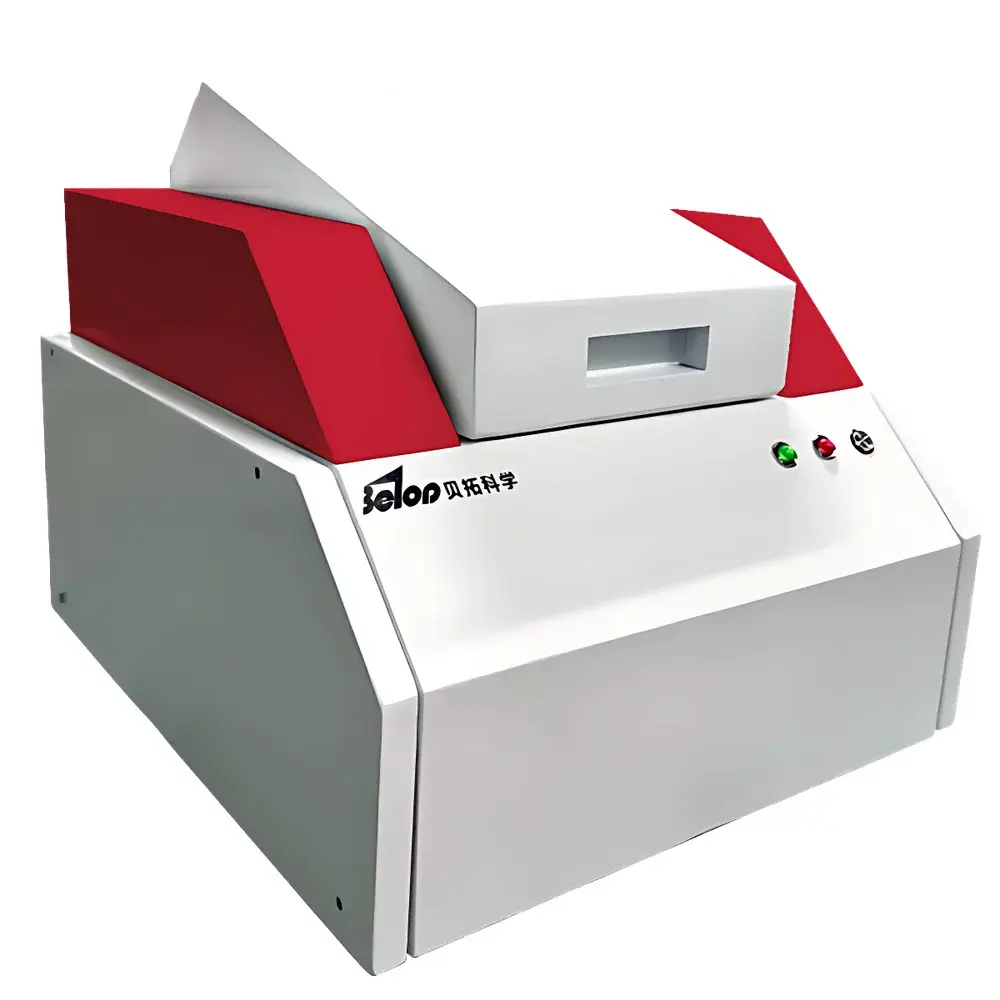
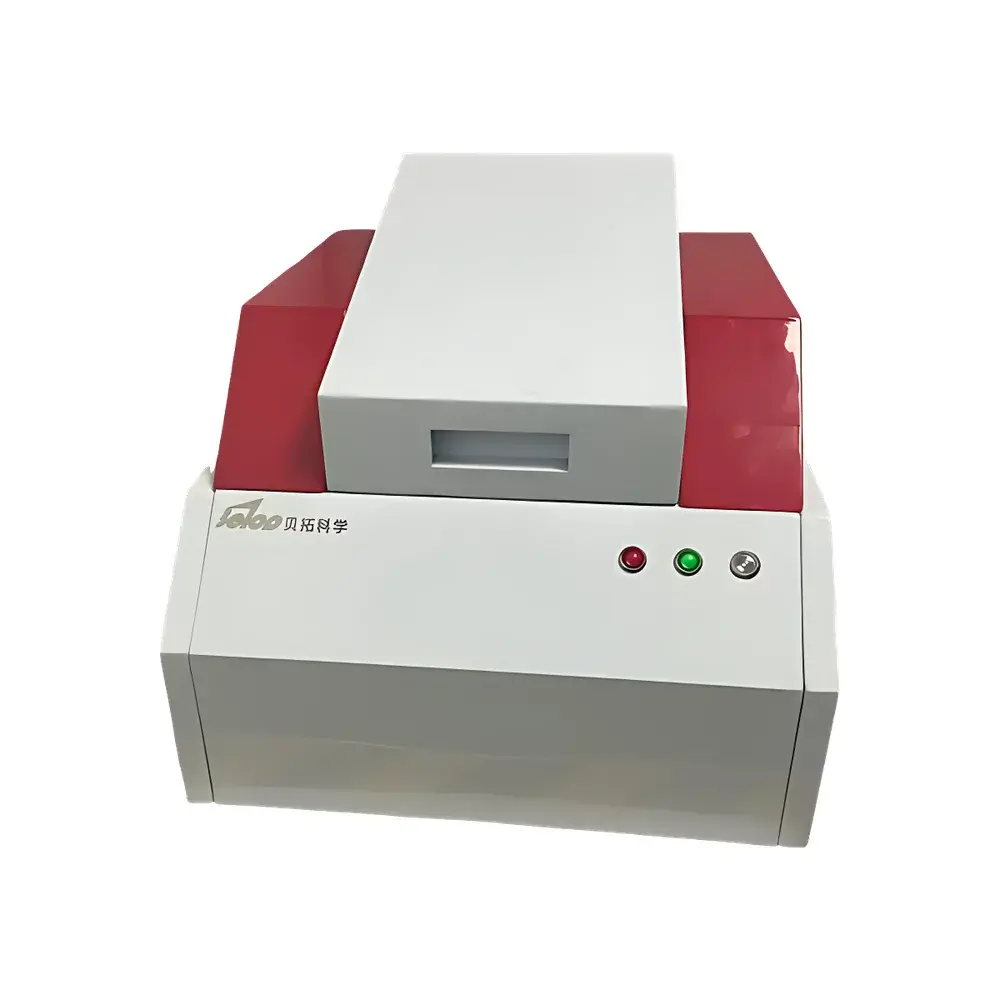
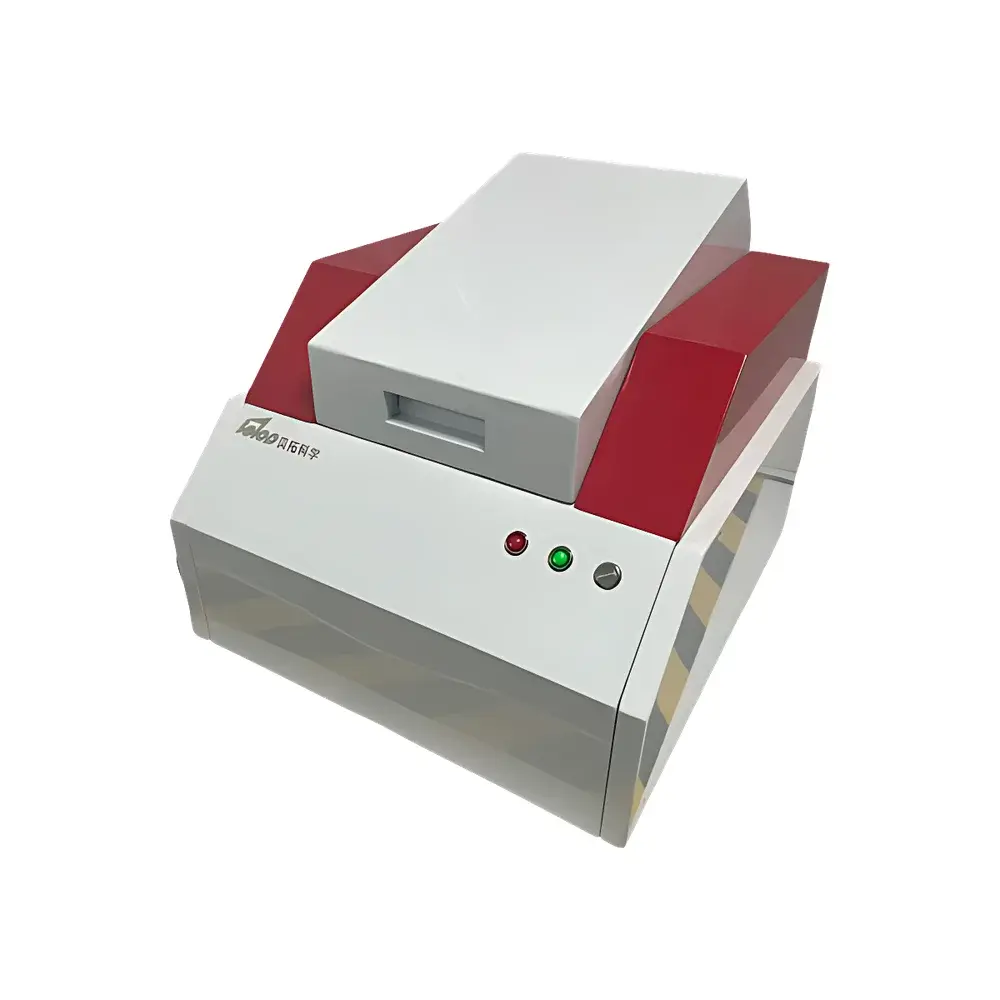
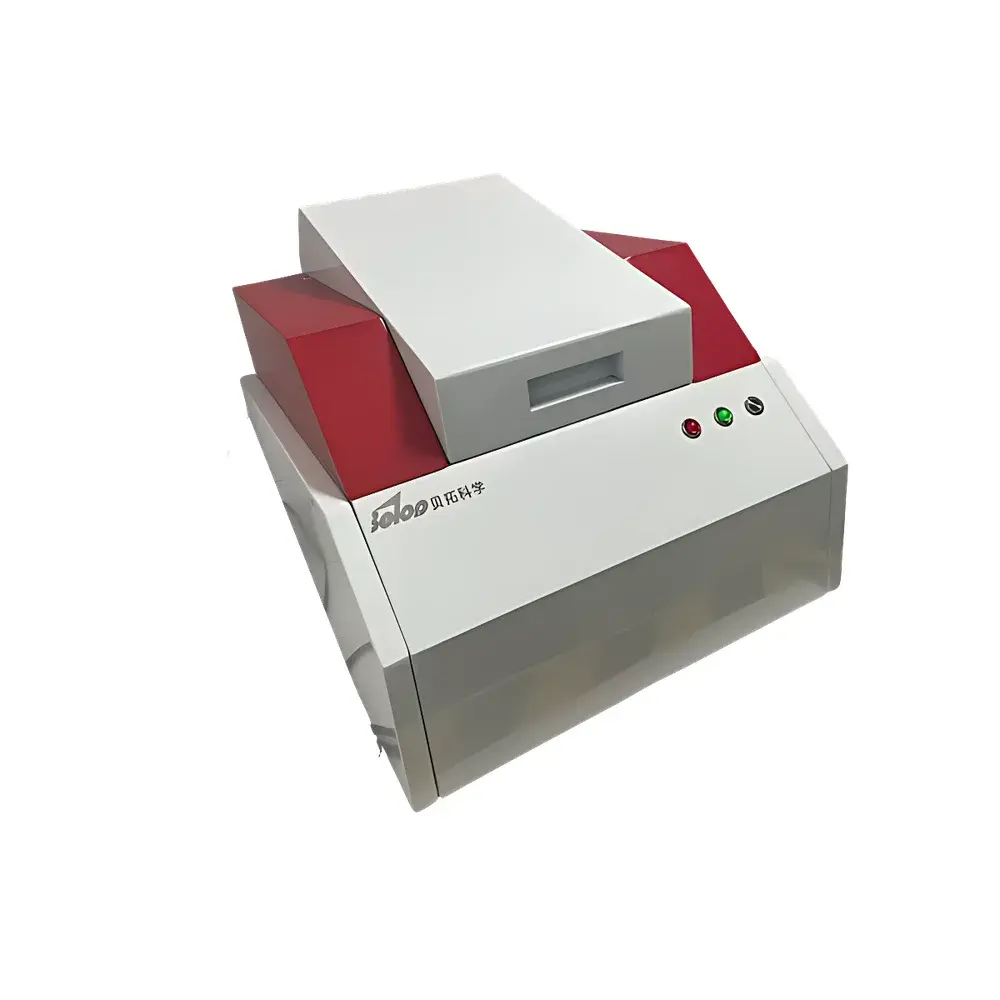
Betop Scientific THOR-X Series Energy Dispersive X-Ray Fluorescence Spectrometer
| Brand | Betop Scientific |
|---|---|
| Origin | Guangdong, China |
| Manufacturer Type | Direct Manufacturer |
| Instrument Type | Benchtop/Floor-Standing EDXRF |
| Elemental Range | S (16) to U (92) |
| Quantitative Range | 1 ppm – 99.99 wt% |
| Energy Resolution | ≤139 eV at 5.9 keV (⁵⁵Fe) / ≤125 eV at 5.9 keV (⁵⁵Fe, optimized configuration) |
| Detector | Silicon Pin Diode (Si-Pin) or Silicon Drift Detector (SDD) |
Overview
The Betop Scientific THOR-X Series Energy Dispersive X-Ray Fluorescence (EDXRF) Spectrometer is an engineered analytical platform designed for non-destructive, multi-element quantitative and qualitative analysis of solid, powder, and liquid samples. Operating on the fundamental principle of X-ray fluorescence—where primary X-rays from a microfocus tube eject inner-shell electrons from sample atoms, and subsequent electron transitions emit characteristic secondary X-rays—the THOR-X captures and resolves these emitted photons using high-efficiency energy-dispersive detection. Its core architecture integrates a stabilized X-ray source, vacuum- or helium-purged measurement chamber (optional), and selectable detector technology (Si-Pin or high-throughput SDD), enabling reliable detection across the full periodic table from sulfur (Z = 16) to uranium (Z = 92). Unlike wavelength-dispersive systems, EDXRF offers rapid spectrum acquisition without mechanical scanning, making it ideal for routine QC, regulatory screening, and research-grade compositional profiling in industrial and academic laboratories.
Key Features
- Full-spectrum elemental coverage from S to U with calibrated quantification down to 1 ppm for most matrix-matched elements
- Configurable detector options: robust Si-Pin for cost-sensitive applications or high-resolution SDD for improved peak separation and counting statistics
- Optimized excitation geometry with programmable voltage/current control (up to 50 kV / 1 mA) to maximize signal-to-background for light and heavy elements
- Non-destructive analysis protocol preserving sample integrity—critical for archaeometric artifacts, forensic evidence, and high-value reference materials
- Automated collimation and filter selection to enhance sensitivity for specific element groups (e.g., halogens, transition metals, rare earths)
- Thermoelectrically cooled detector stage ensuring long-term spectral stability and minimal drift during extended acquisition sequences
- Modular chamber design supporting both benchtop and floor-standing configurations, with optional vacuum or He flush for enhanced light-element (Na–P) performance
Sample Compatibility & Compliance
The THOR-X accommodates a wide range of sample forms—including pressed pellets, fused beads, loose powders, thin films, and homogenized liquids—without requiring chemical digestion or derivatization. Sample presentation is standardized via ISO 8258-compliant positioning stages with motorized Z-height adjustment and laser-assisted alignment. The system complies with IEC 61000-6-3 (EMC) and IEC 61010-1 (safety), and its operational protocols support GLP and GMP-aligned workflows. Software audit trails, user-access controls, and electronic signature capabilities align with FDA 21 CFR Part 11 requirements when configured with compliant firmware and network authentication. Method validation documentation follows ASTM E1621 (Standard Guide for XRF Elemental Analysis) and ISO 21043 (XRF—General Requirements).
Software & Data Management
The THOR-X is operated via Betop’s proprietary SpectraSuite™ software—a Windows-based application built on .NET Framework with native support for SQL Server and SQLite databases. It provides real-time spectrum visualization, automated peak deconvolution using iterative least-squares fitting (including background subtraction via SNIP algorithm), and matrix correction models (Fundamental Parameters, Empirical Calibration, and Compton Normalization). All raw spectra, processed results, instrument parameters, and operator metadata are timestamped and stored with immutable audit logs. Data export supports CSV, PDF reports (with customizable templates), and ASTM E1347-compliant XML formats for LIMS integration. Remote diagnostics, firmware updates, and method library synchronization are supported over secure HTTPS.
Applications
- Materials Science: Alloy grade identification, coating thickness & composition, catalyst characterization, and additive manufacturing powder certification
- Environmental Monitoring: Soil heavy metal screening (Pb, As, Cd, Hg), airborne particulate analysis (PM2.5 filters), and wastewater sludge profiling
- Geology & Mining: Rapid ore grade estimation, lithological classification, and REE distribution mapping in drill core samples
- Cultural Heritage: Pigment identification in paintings, corrosion layer analysis on bronze artifacts, and provenance studies of ceramics and glass
- Construction Materials: Cement clinker phase quantification, fly ash reactivity assessment, and aggregate elemental impurity screening
- Food & Agriculture: Nutrient (K, Ca, Fe, Zn) and contaminant (As, Cd, Pb) monitoring in grains, dairy powders, and fortified foods per Codex Alimentarius guidelines
FAQ
What is the minimum detectable limit (MDL) for sulfur in polymer matrices?
MDL depends on measurement time, detector type, and matrix absorption; typical values range from 80–200 ppm for 100 s live time with SDD under vacuum.
Can the THOR-X analyze liquid samples directly?
Yes—using disposable polypropylene cups with Mylar or Ultralene™ windows; density-matched standards and internal standardization (e.g., Co spike) are recommended for accurate quantification.
Is vacuum required for sodium (Na) or magnesium (Mg) analysis?
Vacuum or helium purge significantly improves peak-to-background ratio for Na–P; air operation limits reliable detection to ~0.1 wt% for Na in low-absorption matrices.
How often does the instrument require calibration verification?
Daily verification with certified reference materials (CRMs) is recommended per ISO/IEC 17025; full recalibration is performed annually or after major hardware maintenance.
Does the system support custom method development for unique sample types?
Yes—SpectraSuite™ includes a method builder module with configurable excitation conditions, region-of-interest definitions, and multi-layer correction algorithms for heterogeneous or layered samples.







