
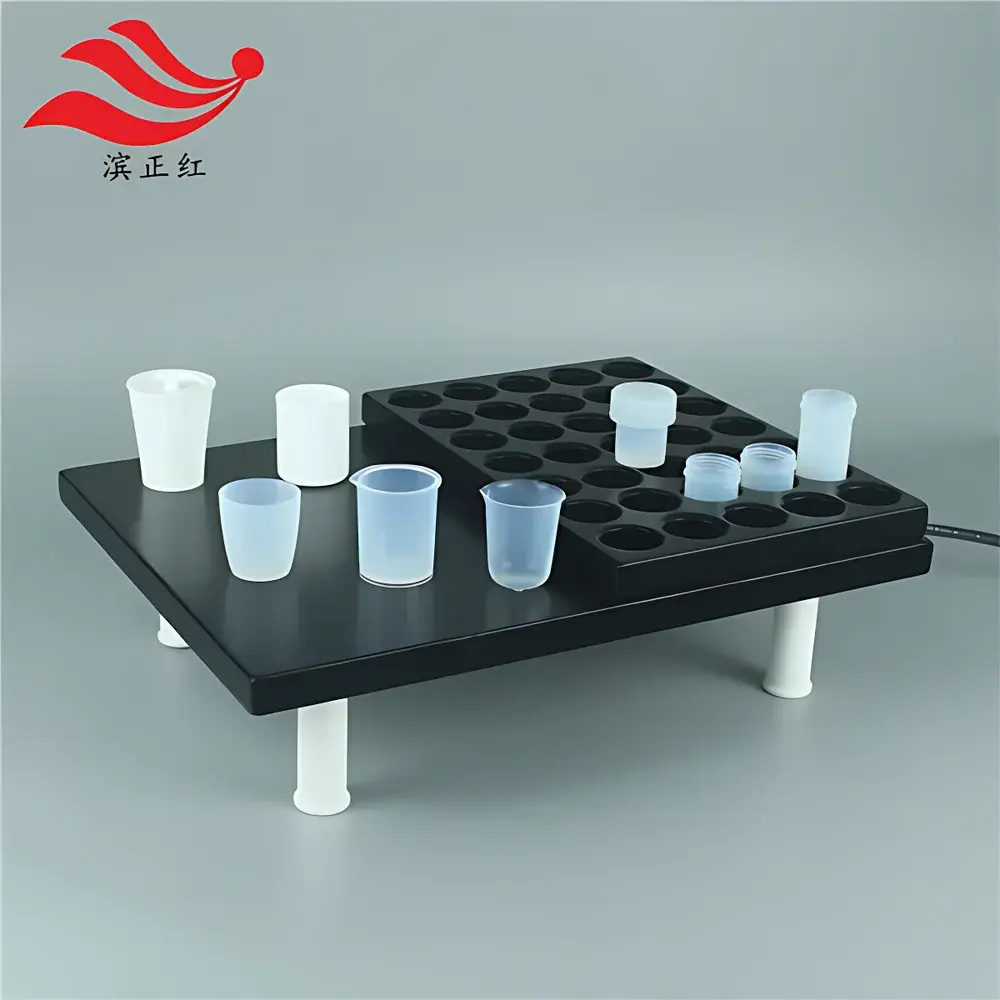
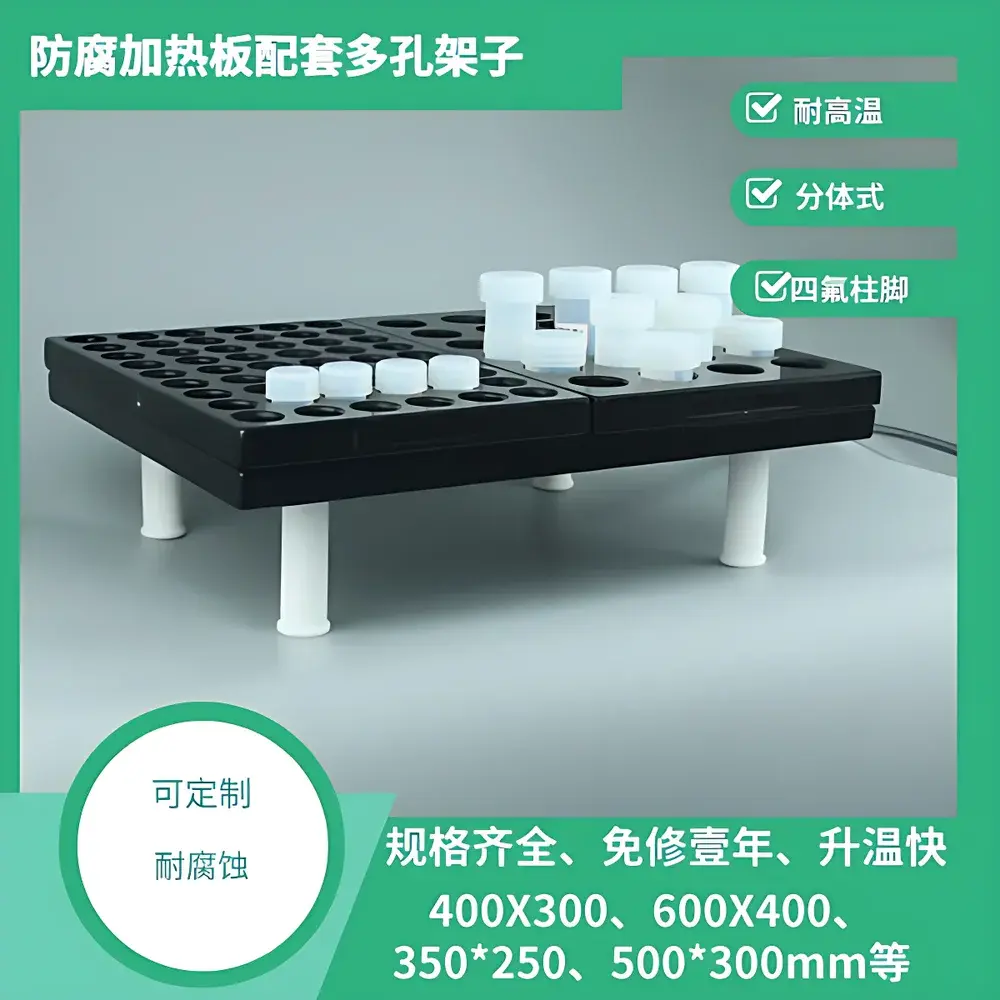
Binzhenghong DBF Series-I/II Corrosion-Resistant Graphite Heating Block with PTFE-Edged Electric Hotplate for Sample Digestion
| Brand | Binzhenghong |
|---|---|
| Origin | Jiangsu, China |
| Manufacturer Type | Direct Manufacturer |
| Instrument Type | Electric Heating Digestion System |
| Automation Level | Semi-Automatic |
| Max. Heating Temperature | 260 °C |
| Temperature Control Accuracy | ±5 °C |
| Heating Principle | Resistive Electrical Heating |
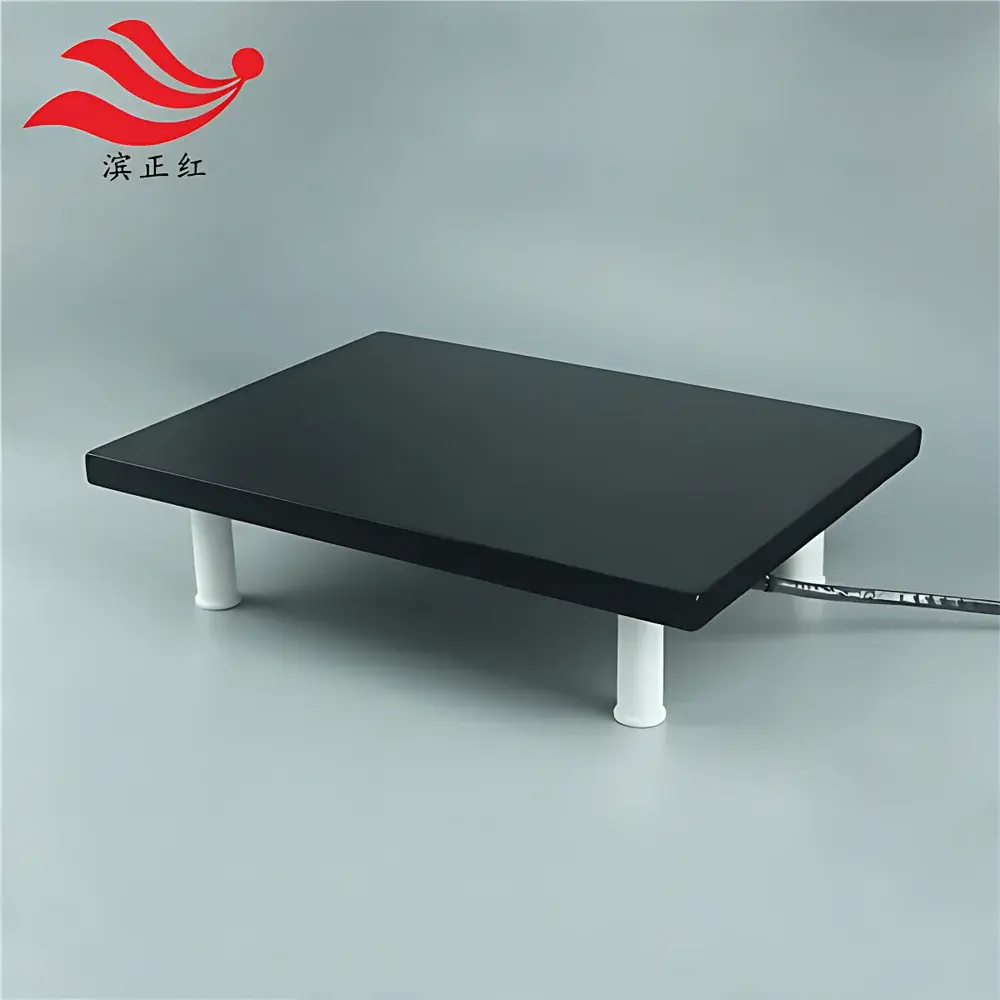
| Construction | Cast Aluminum Housing with Integrated Graphite Heating Block and Perimeter PTFE Encapsulation |
Overview
The Binzhenghong DBF Series-I/II Corrosion-Resistant Graphite Heating Block is a purpose-engineered electric digestion platform designed for controlled, uniform thermal treatment of samples in analytical laboratories. It operates on resistive electrical heating principles, where embedded heating elements transfer thermal energy through a high-density, chemically inert graphite block—providing stable heat distribution across the entire surface area. Unlike conventional metal hotplates, the graphite core offers superior thermal mass, reduced temperature gradients, and exceptional resistance to acid corrosion during aggressive sample digestion protocols (e.g., HNO₃/HF/HClO₄ mixtures). The perimeter is fully encapsulated with virgin polytetrafluoroethylene (PTFE), ensuring complete chemical isolation between the heating surface and laboratory environment—critical for trace-metal analysis and regulatory-compliant workflows.
Key Features
- Integrated graphite heating block with uniform thermal conductivity (≥120 W/m·K) and long-term dimensional stability under repeated thermal cycling up to 260 °C
- Full PTFE edge encapsulation—mechanically bonded, non-porous, and compliant with ASTM D4894 (Standard Specification for Polytetrafluoroethylene (PTFE) Resin)
- Cast aluminum structural housing providing mechanical rigidity, electromagnetic shielding, and efficient heat dissipation
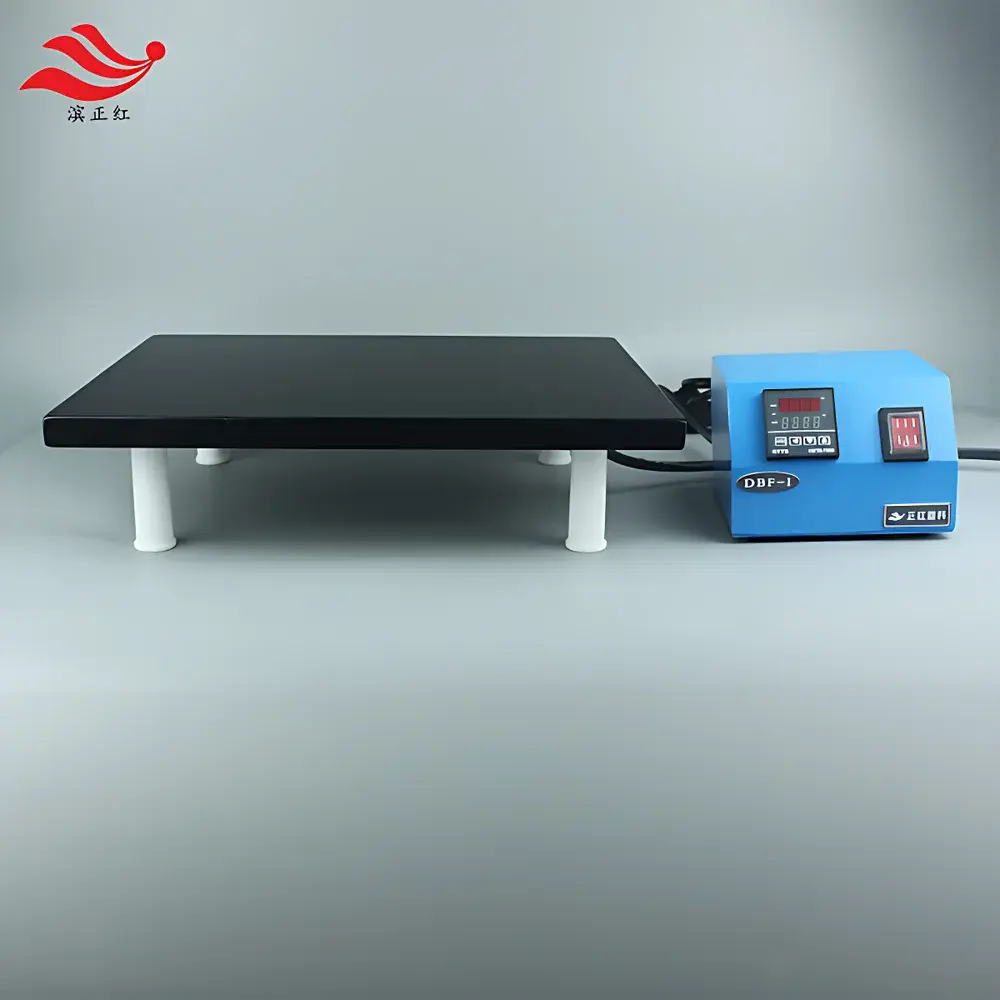
- Semi-automatic operation with analog or digital PID temperature controller (model-dependent), enabling setpoint retention and ramp-hold programming
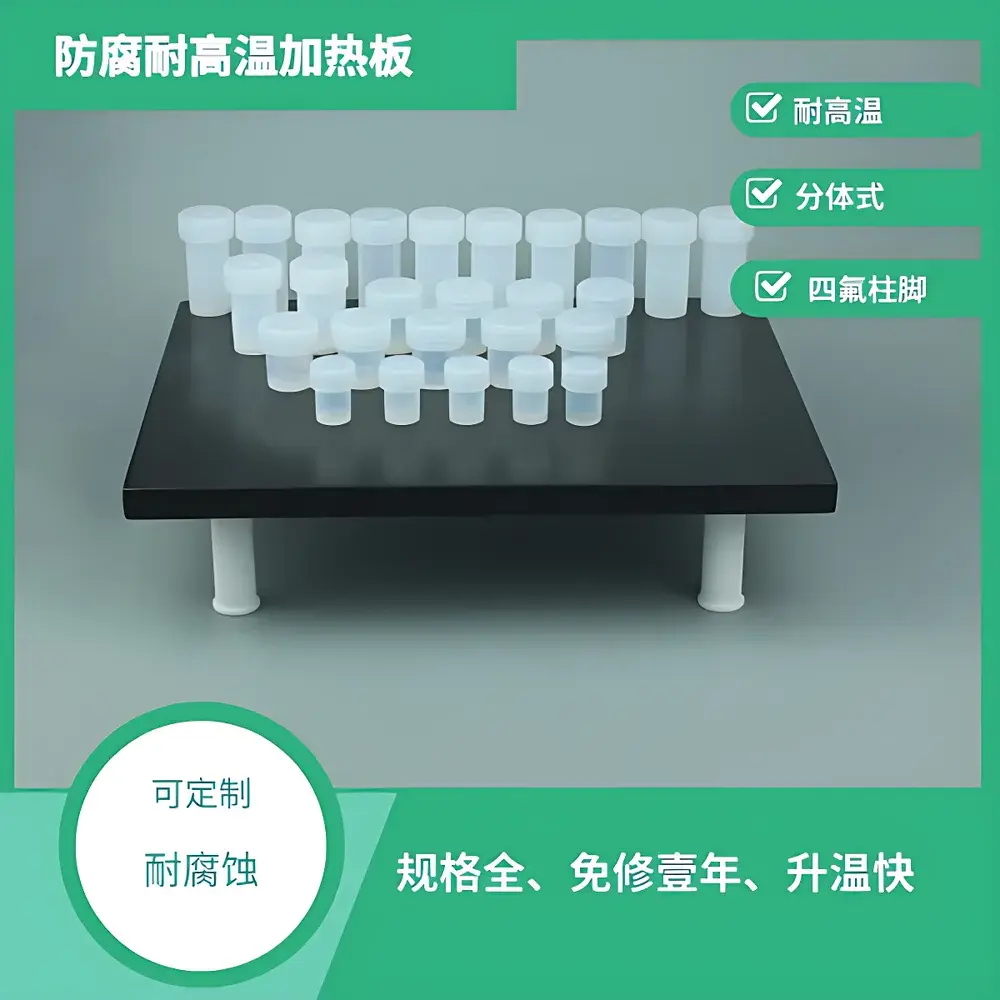
- Surface flatness tolerance ≤0.15 mm over 300 × 300 mm active heating zone—optimized for simultaneous placement of multiple digestion vessels (e.g., 16–48 × 50 mL Teflon®-lined PFA vials)
- No moving parts or consumable components—designed for >10,000 hours of continuous service life under GLP-aligned maintenance schedules
Sample Compatibility & Compliance
The DBF Series accommodates standard digestion vessel formats including borosilicate glass, quartz, PFA, and quartz-PFA hybrid tubes. Its inert graphite–PTFE interface eliminates metal leaching risks, making it suitable for EPA Method 3050B, ISO 11466, and USP heavy metal testing. Temperature control accuracy of ±5 °C at setpoints up to 260 °C meets minimum requirements for AOAC 999.10 and ISO 17294-2 aqueous digestion protocols. While the instrument itself does not carry CE or UL certification out-of-the-box, its electrical architecture conforms to IEC 61010-1:2010 safety standards for laboratory equipment when installed with appropriate circuit protection (e.g., 30 mA RCD + 16 A breaker). Documentation packages support 21 CFR Part 11 readiness when paired with validated external data loggers.
Software & Data Management
As a semi-automatic platform, the DBF Series-I/II does not include embedded software or network connectivity. However, analog voltage outputs (0–5 V or 4–20 mA) are available on Series-II units for integration with third-party SCADA systems, PLCs, or validated laboratory information management systems (LIMS). Optional external digital controllers (e.g., Eurotherm 2408 or Omega CN7700) enable audit-trail-capable logging—including timestamped setpoints, actual temperatures, and dwell durations—fully compliant with GLP and GMP Annex 11 data integrity expectations. Calibration certificates (traceable to NIM, China) and IQ/OQ documentation templates are provided upon request.
Applications
- Acid digestion of environmental solids (soils, sediments, sludges) prior to ICP-OES or ICP-MS analysis
- Preparation of biological tissues (liver, muscle, plant matter) for total metal quantification
- Leachate extraction per TCLP (US EPA Method 1311) and SPLP protocols
- Controlled evaporation and concentration steps in wet chemistry workflows
- Supporting ISO/IEC 17025-accredited laboratories requiring documented thermal uniformity mapping (per ISO/IEC 17025:2017 clause 7.2.2.1)
FAQ
What materials are compatible with the graphite–PTFE heating surface?
Glass, quartz, PFA, FEP, and quartz–PFA composite vessels are fully compatible. Stainless steel, ceramic crucibles, or open-beaker configurations are not recommended due to localized overheating and potential PTFE degradation above 260 °C.
Is temperature calibration traceable to national standards?
Yes—optional factory calibration includes NIM-traceable certificate (certification number, uncertainty budget, and as-found/as-left data) aligned with JJG 874-2007 (Chinese national metrological verification regulation for laboratory heating devices).
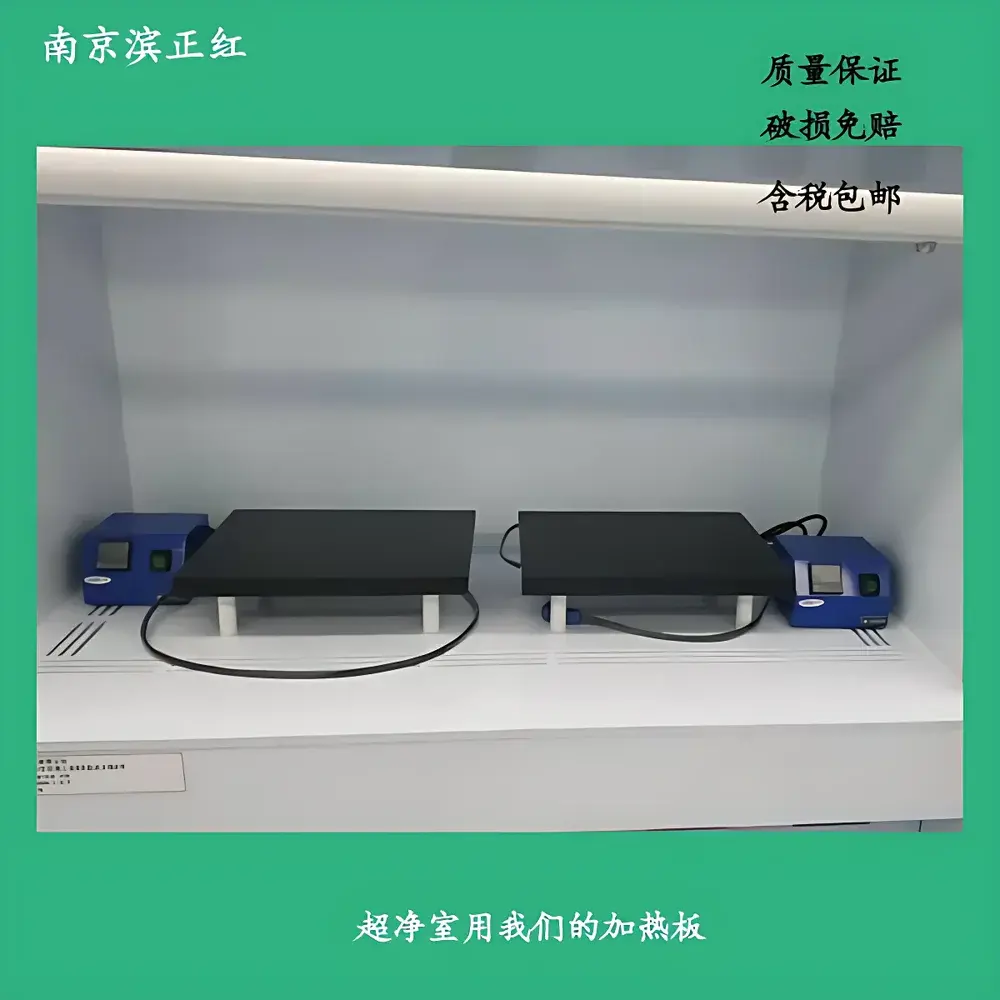
Can the DBF Series be used in Class 100 cleanrooms?
The unit is not ISO 14644-1 certified for cleanroom use; however, its PTFE-encapsulated design minimizes particle shedding, and optional HEPA-filtered forced-air cooling kits are available for controlled environments.
Does the system support programmable multi-step temperature ramps?
Series-II models support basic ramp-hold profiles via external PID controllers; full multi-segment programming requires integration with standalone process controllers meeting IEC 61131-3 standards.
What maintenance is required to sustain ±5 °C accuracy over time?
Annual verification using calibrated reference thermometers (e.g., Fluke 1523 with 0.05 °C uncertainty) and visual inspection of PTFE edge integrity are recommended. No lubrication or internal recalibration is necessary.



