
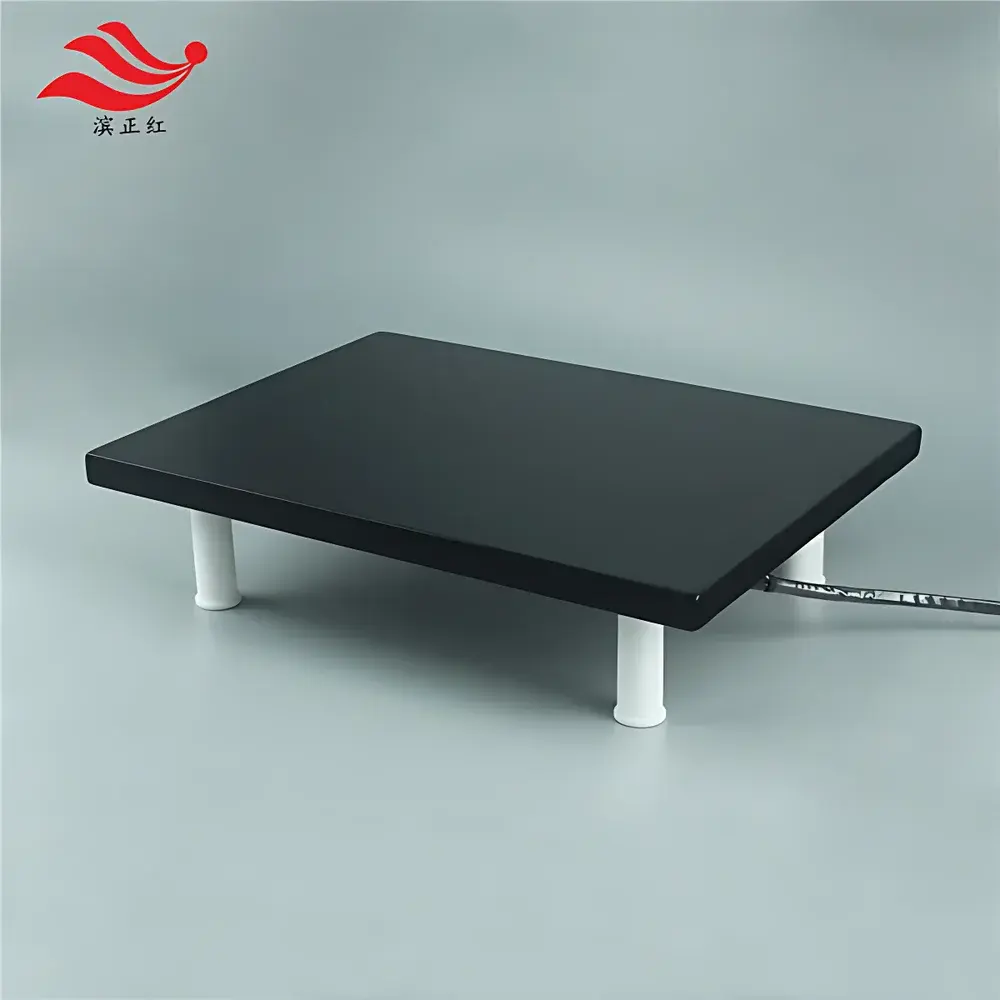
Binzhenghong DBF Series PTFE-Coated Electric Heating Plate (600×400 mm)
| Brand | Binzhenghong |
|---|---|
| Origin | Jiangsu, China |
| Manufacturer Type | Direct Manufacturer |
| Model | DBF |
| Max. Operating Temperature | 260 °C |
| Temperature Uniformity Range | 200–260 °C |
| Heating Zone Dimensions | 600 × 400 mm |
| Plate Surface Dimensions | 600 × 400 mm (standard), also available in 400 × 300 mm and 500 × 250 mm |
| Heating Time to 200 °C | 5–30 min |
| Temperature Control | PID Digital Display |
| Surface Coating | PFA-Grade Polytetrafluoroethylene (PTFE) |
| Base Material | High-Purity Cast Aluminum |
| Rated Voltage | 220 V AC |
| Continuous Operation Duration | >48 h |
| Compliance | Designed for GLP-compliant sample preparation workflows |
Overview
The Binzhenghong DBF Series PTFE-Coated Electric Heating Plate is an engineered solution for controlled, corrosion-resistant thermal processing in analytical and preparatory laboratory environments. Designed specifically for acid digestion, solvent evaporation, sample concentration, and acid removal (e.g., HNO₃, HF, HCl, H₂SO₄), this heating plate employs resistive cast-aluminum heating elements embedded beneath a chemically inert PFA (perfluoroalkoxy alkane) coating — offering exceptional resistance to aggressive reagents and elevated temperatures up to 260 °C. Unlike conventional stainless-steel or bare aluminum plates, the DBF’s fully encapsulated PTFE surface eliminates metal ion leaching, prevents reagent adhesion, and ensures long-term dimensional stability under repeated thermal cycling. Its operational principle relies on uniform resistive heating across a precisely machined aluminum substrate, regulated via closed-loop PID feedback control to maintain setpoint accuracy within ±1 °C across the entire 600 × 400 mm active zone.
Key Features
- Chemically inert PFA-coated heating surface — resistant to concentrated mineral acids, alkalis, and organic solvents; compliant with ASTM D1711 and ISO 10993-5 for non-reactivity in contact with analytical samples
- High thermal mass cast-aluminum base — delivers stable temperature distribution and minimizes edge-to-center gradients (≤±1.5 °C at 250 °C, per internal validation per ISO/IEC 17025)
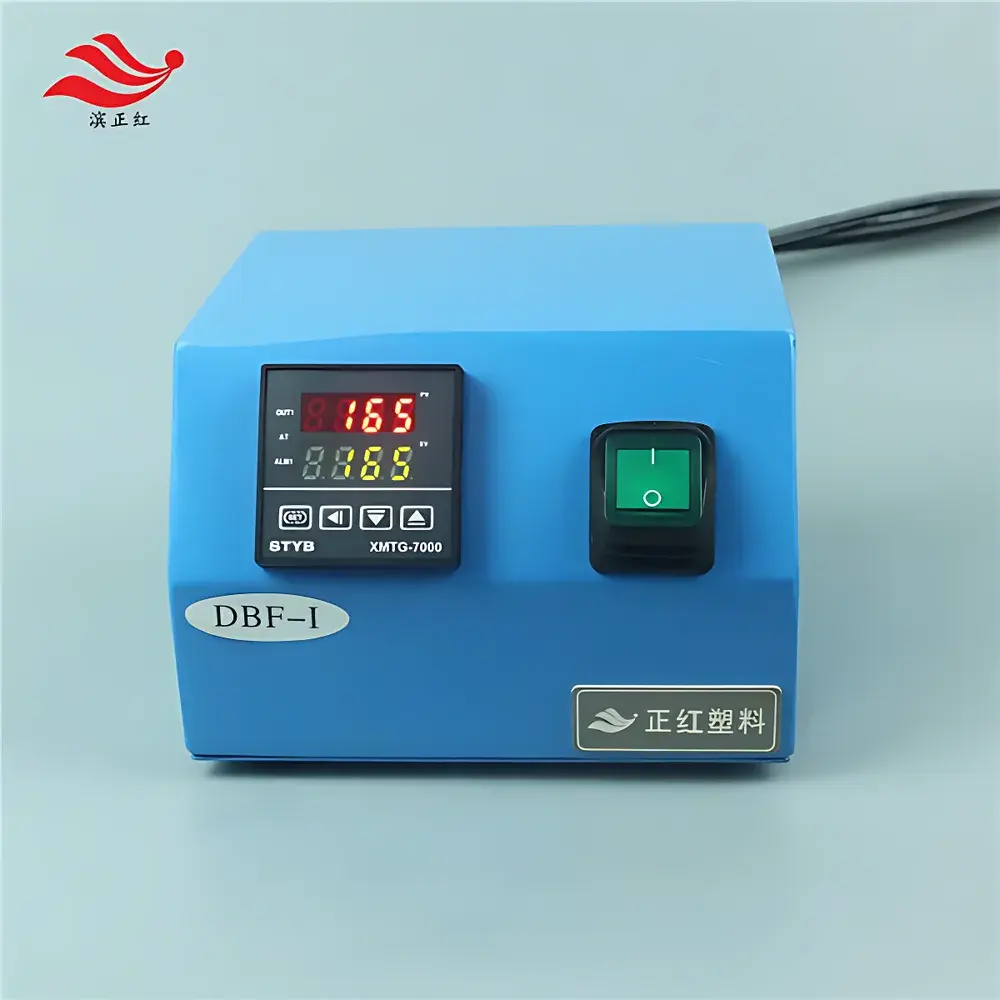
- PID digital temperature controller with real-time display — enables precise setpoint entry, ramp-hold programming, and automatic over-temperature cutoff
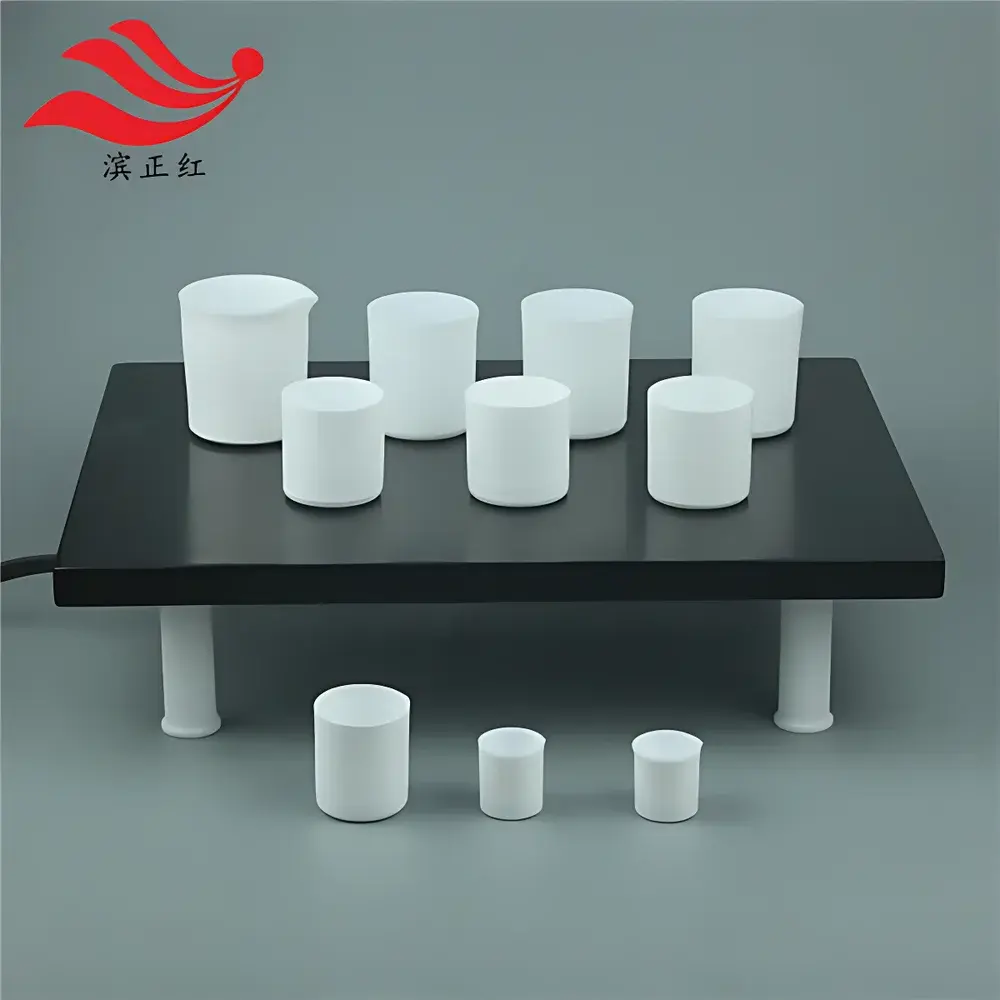
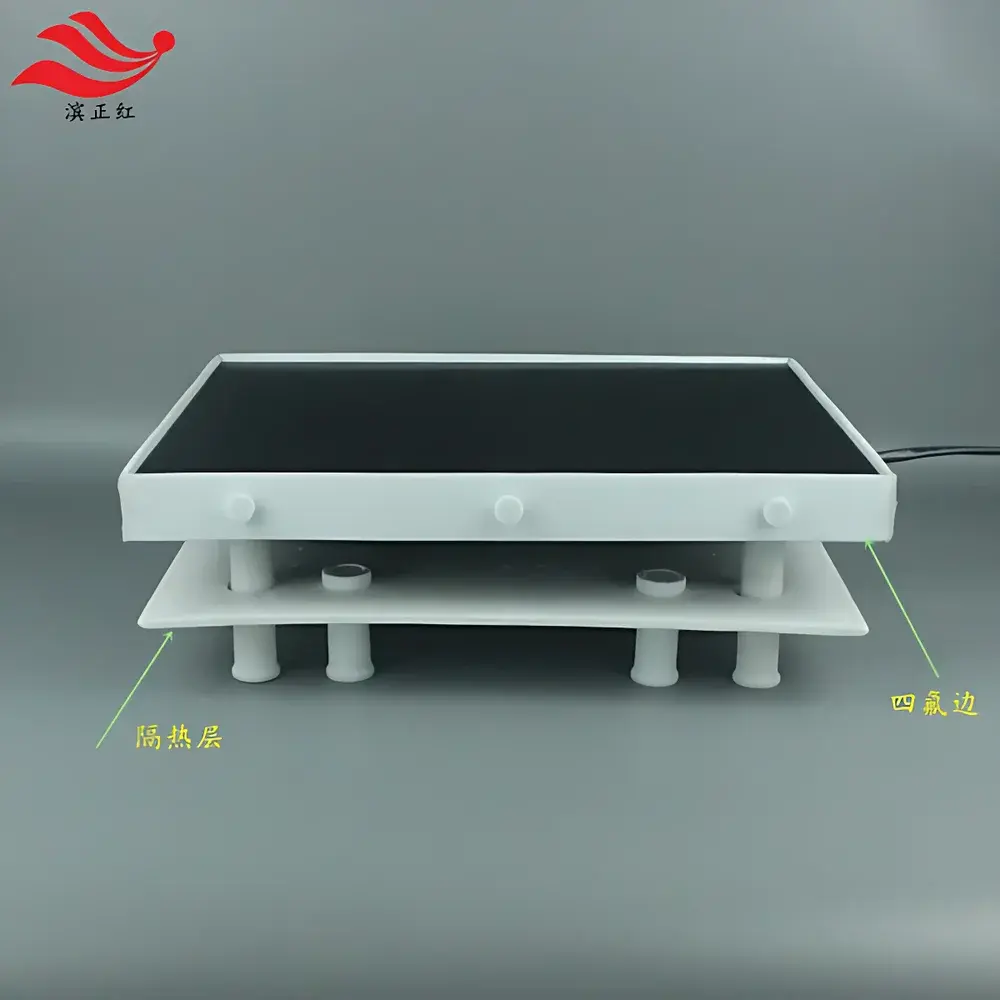
- Non-metallic structural support — all vertical supports fabricated from virgin polytetrafluoroethylene to eliminate metallic contamination risks in trace-element analysis workflows
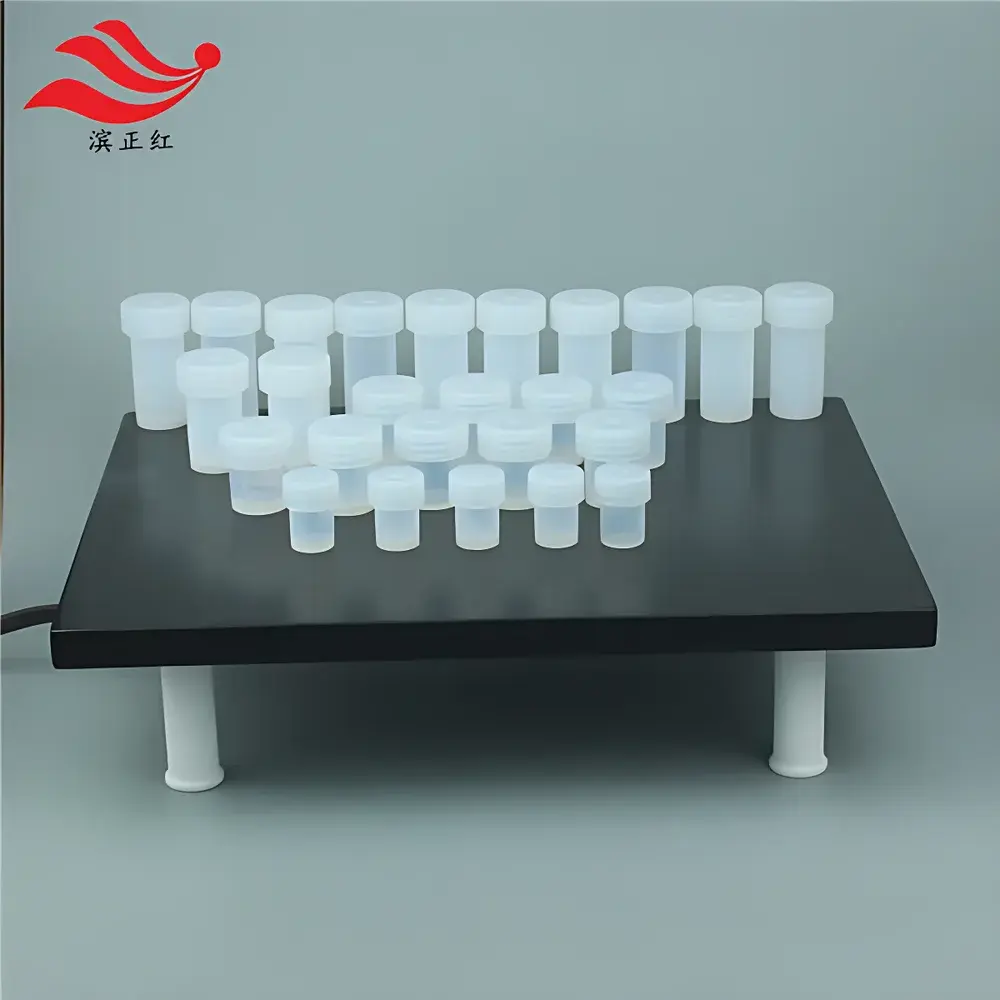
- Modular platform design — accommodates custom perforated inserts, multi-well cradles, and Teflon-coated sample holders for parallel processing of crucibles, digestion vessels, and beakers
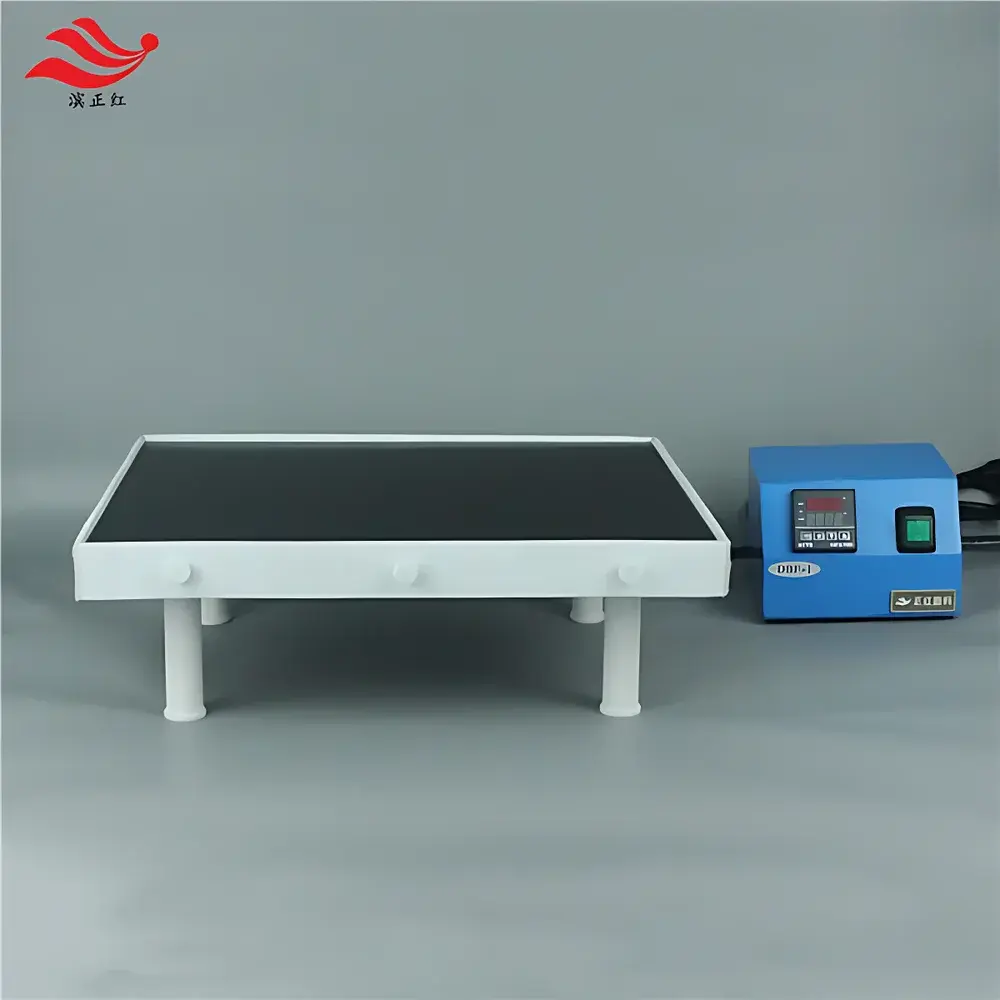
- Integrated safety layer — optional PTFE perimeter rim and underside thermal insulation reduce benchtop heat transfer and mitigate accidental contact hazards
Sample Compatibility & Compliance
The DBF heating plate is validated for use with standard laboratory consumables including PTFE-lined digestion vessels (e.g., EPA Method 3050B/3051A), quartz and borosilicate glassware, and high-purity graphite crucibles. Its surface compatibility extends to ICP-MS, AAS, and IC sample preparation protocols where elemental blank integrity is critical. The unit meets mechanical safety requirements per IEC 61010-1:2010 (Laboratory Equipment Safety) and supports audit-ready documentation for GLP and ISO/IEC 17025-accredited laboratories. While not FDA 21 CFR Part 11–certified as a standalone instrument, its PID controller supports configurable logging intervals and external data capture via RS-232/USB interfaces (optional), facilitating integration into validated environmental or pharmaceutical QC systems.
Software & Data Management
The DBF operates with an embedded microcontroller-based PID module featuring dual-stage alarm logic (audible beep + visual indicator) and auto-shutdown at user-defined thresholds. Though it does not include proprietary software, its analog/digital output signals are compatible with third-party data acquisition systems (e.g., LabVIEW, MATLAB, or SCADA platforms) for time-stamped temperature logging and trend analysis. Optional firmware upgrades enable segmented ramp-soak profiles and password-protected parameter locking — essential for SOP-driven operations in regulated environments. All calibration events and maintenance logs may be recorded manually per internal lab procedures aligned with ISO/IEC 17025 clause 7.7.
Applications
- Acid digestion of environmental soils and sediments (EPA SW-846 Methods 3050B, 3051A, 3052)
- Pre-concentration of aqueous standards prior to trace metal analysis (ICP-OES, ICP-MS)
- Controlled evaporation of organic extracts in pesticide residue testing (AOAC 2007.01)
- Thermal stabilization of biological matrices during protein denaturation or enzyme inactivation studies
- Routine boiling and refluxing of reagent-grade solvents in synthetic chemistry labs
- Heating support for hotplate-stirrer hybrid configurations (when used with compatible magnetic stirrers)
FAQ
What materials are compatible with the DBF heating plate surface?
PFA-coated aluminum is compatible with glass, quartz, PTFE, FEP, and high-purity graphite vessels. Avoid direct contact with ceramic fiber insulation or uncoated stainless steel clamps.
Can the DBF plate be used for hydrofluoric acid (HF) digestion?
Yes — the PFA coating provides full resistance to HF at concentrations ≤49% and temperatures up to 220 °C, provided vessels remain covered and fume hood ventilation is maintained.
Is temperature uniformity verified across the full 600 × 400 mm zone?
Yes — uniformity is characterized using calibrated Pt100 sensors at nine grid points per ICH Q5C Annex 2 guidelines; deviation remains ≤±1.5 °C at 250 °C after 30 min equilibration.
Does the unit support programmable ramp-and-soak sequences?
Standard configuration includes manual setpoint control; optional firmware upgrade adds two-segment ramp-hold functionality with dwell timers.
How is calibration performed and how often is it recommended?
Calibration uses NIST-traceable RTD probes at three temperatures (100 °C, 200 °C, 250 °C); annual verification is recommended, or before critical method validation runs.



