
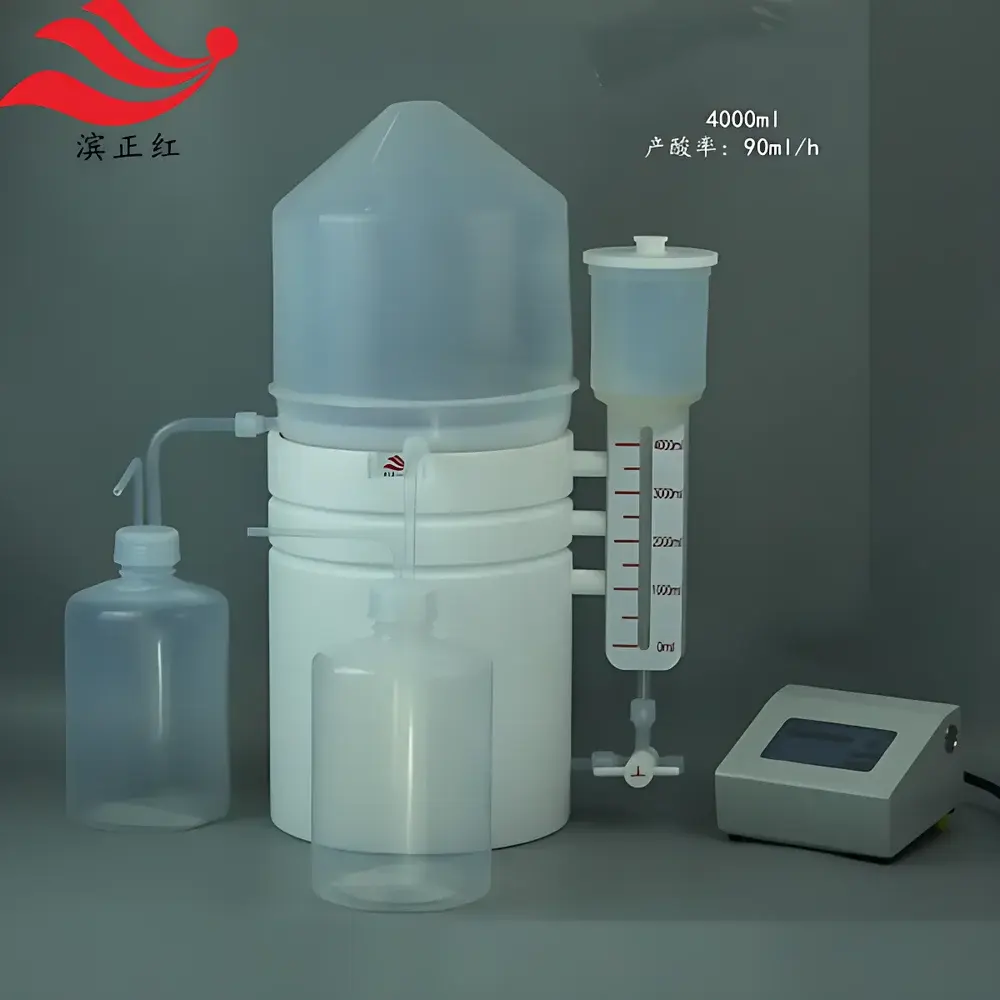
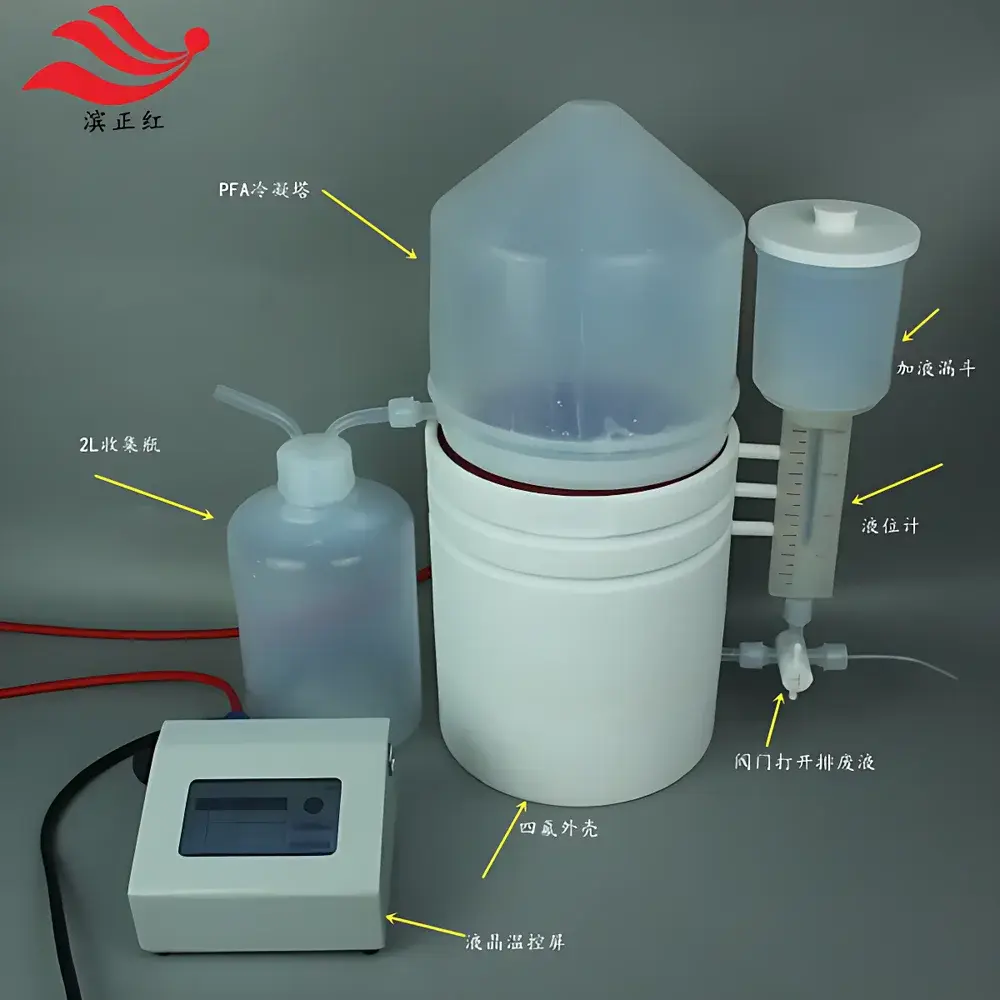
Binzhenghong NJ-SCH-III PFA Sub-Boiling Acid Distillation System for HCl, HNO₃, HF, and Ultrapure Water Purification
| Brand | Binzhenghong |
|---|---|
| Origin | Jiangsu, China |
| Manufacturer Type | Direct Manufacturer |
| Model | NJ-SCH-III |
| Capacity | 4000 mL |
| Distillation Rate | 100 mL/h |
| Temperature Range | Up to 180 °C (PID-controlled) |
| Construction Material | All-wetted parts in high-purity PFA |
| Cooling Method | Ambient air cooling |
| Safety Features | Dry-run protection, overheat cutoff, integrated vent hood compatibility |
| Metal Impurity Reduction | From ~10 ppb to ≤0.01 ppb (single-pass) |
| Collection Vessel | 2000 mL PFA bottle with GL45 thread seal |
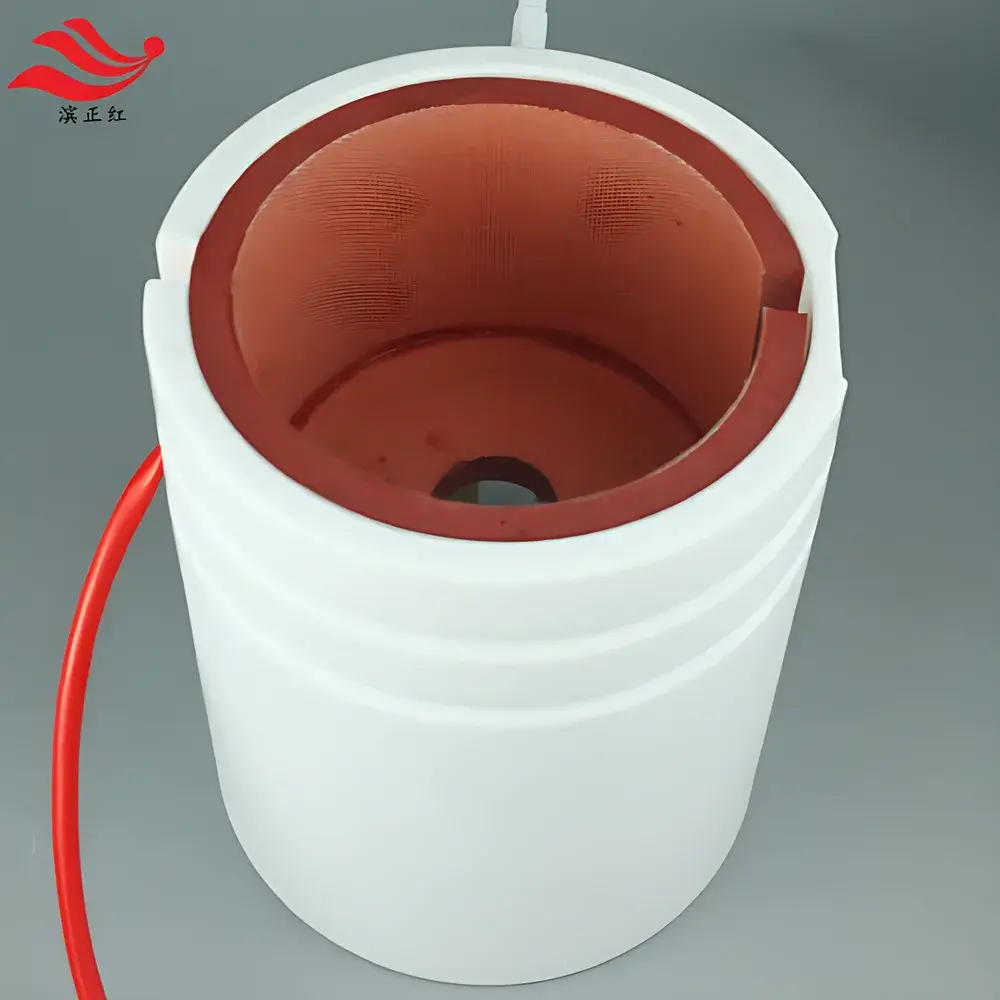
| Power Supply | Standard AC input with silicone heating mantle |
Overview
The Binzhenghong NJ-SCH-III is a benchtop sub-boiling acid distillation system engineered for the production of ultrapure acids required in trace-metal analysis, semiconductor wafer cleaning, ICP-MS sample preparation, and high-purity standard solution formulation. It operates on the principle of sub-boiling (or near-ebullition) distillation—maintaining the liquid phase just below its boiling point under controlled thermal conditions—to minimize aerosol entrainment, volatile impurity carryover, and metal leaching from heated surfaces. Unlike conventional reflux or boiling-point distillation, this method ensures minimal vapor-phase turbulence and suppresses splashing, thereby achieving exceptional reproducibility in elemental purity. The system is specifically validated for hydrochloric acid (HCl), nitric acid (HNO₃), hydrofluoric acid (HF), and deionized water—each requiring distinct thermal setpoints (e.g., 110 °C for HCl; 175–180 °C for HNO₃/HF) to balance throughput and purity. Its all-PFA construction eliminates metallic contamination sources across the entire fluid path—including evaporator, condenser, transfer channels, and collection vessel—making it compliant with stringent requirements for Class 1 cleanroom environments and ISO/IEC 17025-accredited laboratories.
Key Features
- Sub-boiling distillation architecture with precise PID temperature regulation (±0.5 °C stability), enabling optimized purity–throughput trade-off per reagent type.
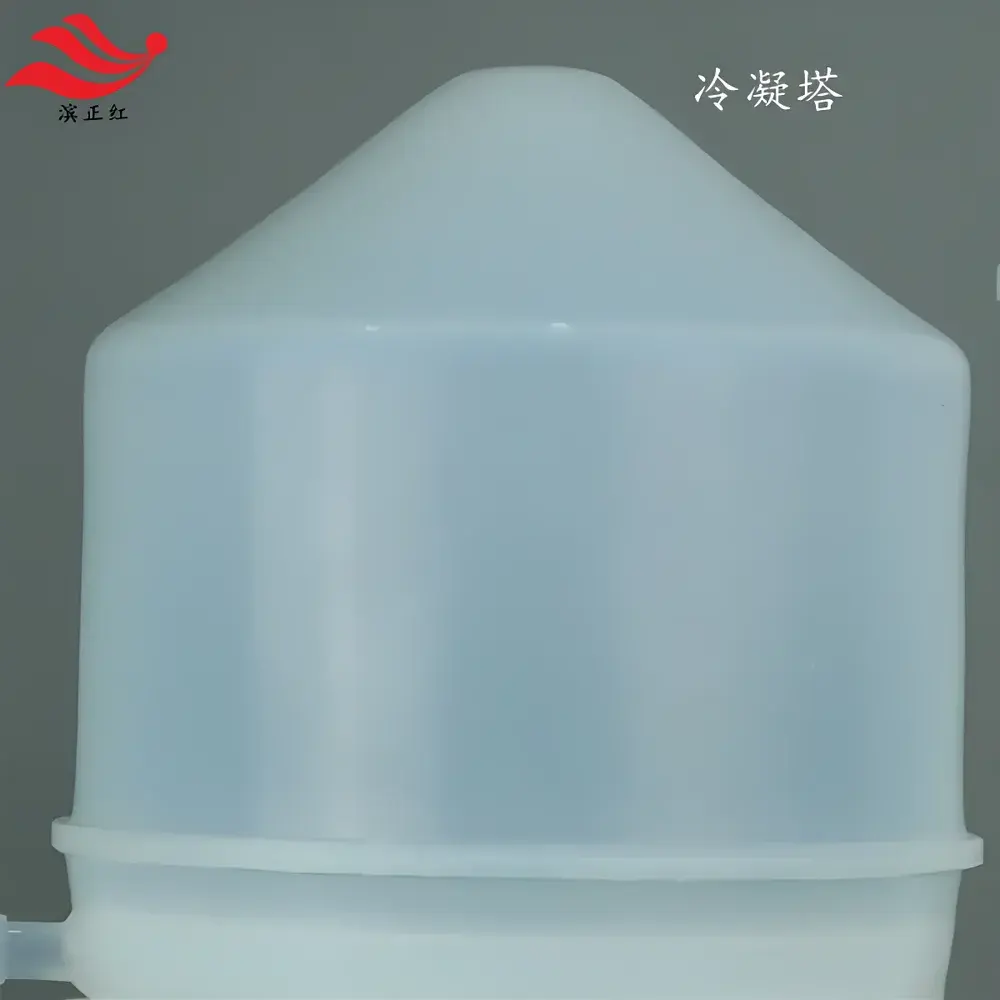
- Monolithic PFA fabrication: Evaporator and condenser are thermally fused into a single, non-disassemblable unit—eliminating gasket interfaces, threaded joints, or O-rings that could harbor contaminants or degrade under aggressive acid exposure.
- Encapsulated silicone heating mantle with full circumferential coverage and built-in thermal cutoff—ensuring uniform heat distribution and preventing localized hot spots or dry-run damage.
- Ambient-air cooling design: No external chiller or recirculating water system required; condensation efficiency maintained via optimized PFA surface geometry and thermal mass management.
- Integrated dry-run protection circuitry and ventilation-compatible housing—enabling unattended operation inside fume hoods without risk of overheating or pressure buildup.
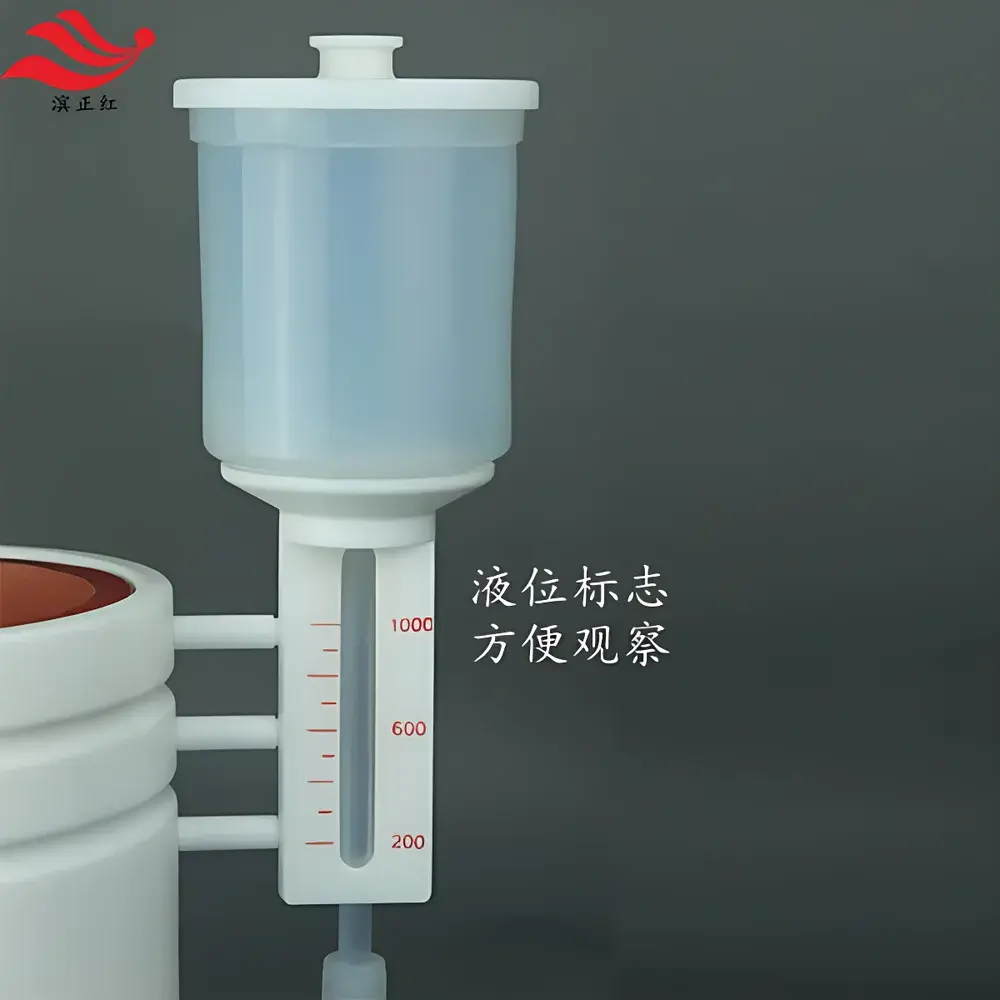
- Graduated PFA feed funnel (with 1000–4000 mL volume markings) and three-way waste valve with directional flow indicators—supporting safe, repeatable reagent loading and waste disposal protocols.
- GL45-threaded 2000 mL PFA collection bottle fabricated via stretch blow molding—guaranteeing seamless inner surface finish, absence of mold parting lines, and leak-tight sealing without secondary liners or inserts.
Sample Compatibility & Compliance
The NJ-SCH-III is chemically compatible with concentrated hydrochloric acid (up to 37 wt%), nitric acid (up to 69 wt%), hydrofluoric acid (up to 49 wt%), and ultrapure water (18.2 MΩ·cm). It meets material compatibility standards per ASTM D5127 (for fluoropolymer chemical resistance) and conforms to general laboratory safety practices outlined in ANSI Z9.5 and ISO 22196. While not certified to specific regulatory frameworks (e.g., FDA 21 CFR Part 11), its design supports GLP/GMP-aligned documentation workflows when paired with external logbooks or electronic lab notebooks. Trace metal removal performance—reducing background levels from ~10 ppb to ≤0.01 ppb for elements including Fe, Al, Cr, Ni, Cu, Zn, and Pb—is verified using ICP-MS quantification against NIST SRM 3100-series reference materials.
Software & Data Management
This is a hardware-only instrument with no embedded microprocessor or digital interface. Temperature setpoint and real-time indication are managed via an analog-digital hybrid PID controller with LED display. All operational parameters—including set temperature, elapsed run time, and visual confirmation of distillate flow—are manually recorded. For auditability, users are advised to maintain contemporaneous logs aligned with ISO/IEC 17025 Clause 7.5 (technical records) and USP Analytical Instrument Qualification guidelines. Optional integration with external data acquisition systems (e.g., LabVIEW or SCADA platforms) is feasible via 4–20 mA analog output modules (sold separately).
Applications
- Preparation of matrix-matched calibration standards for ICP-OES and ICP-MS analysis in environmental, geochemical, and nuclear fuel cycle laboratories.
- Generation of ultraclean etchants and rinse solutions for photomask cleaning and silicon wafer processing in semiconductor fabrication facilities.
- Production of low-blank reagents for EPA Method 200.8 and ISO 17294-2 compliant water testing protocols.
- Reagent purification prior to digestion in microwave-assisted systems (e.g., CEM MARS 6) where residual metals compromise digestion completeness.
- Supporting CRMs (Certified Reference Materials) development where certified uncertainty budgets require sub-part-per-trillion blank contributions.
FAQ
Can the NJ-SCH-III be used for sulfuric or perchloric acid?
No. Sulfuric acid decomposes above 300 °C and poses severe corrosion and decomposition risks at sub-boiling temperatures; perchloric acid is prohibited due to explosion hazards under thermal confinement. Only HCl, HNO₃, HF, and H₂O are validated.
Is cross-contamination possible if switching between acid types?
Yes. Due to monolithic PFA construction, the unit cannot be internally cleaned or rinsed between chemistries. Binzhenghong recommends dedicated units per acid type to ensure trace-level integrity.
What maintenance is required?
No scheduled maintenance beyond periodic visual inspection of the heating mantle insulation and verification of waste valve actuation. PFA components exhibit no measurable aging under normal operating conditions.
Does the system meet ISO 15195 (reference measurement laboratory requirements)?
While not accredited, its documented purity performance and metrological traceability to NIST standards support use in ISO 15195-compliant labs when incorporated into a validated SOP.
Can the distillation rate be increased beyond 100 mL/h?
Increasing temperature may raise output marginally but compromises purity—especially for HF and HNO₃—due to enhanced volatility of metal complexes. The 100 mL/h rate reflects the optimal equilibrium defined in manufacturer validation reports.



