
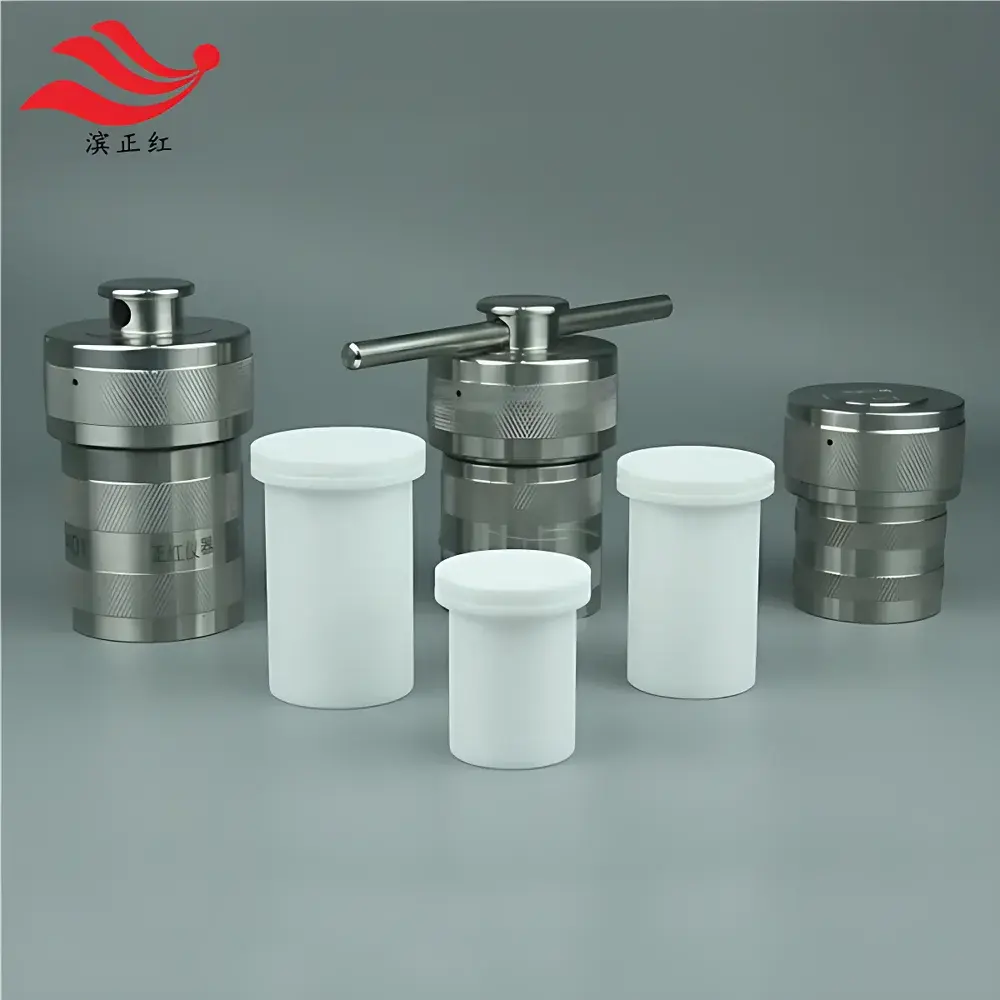
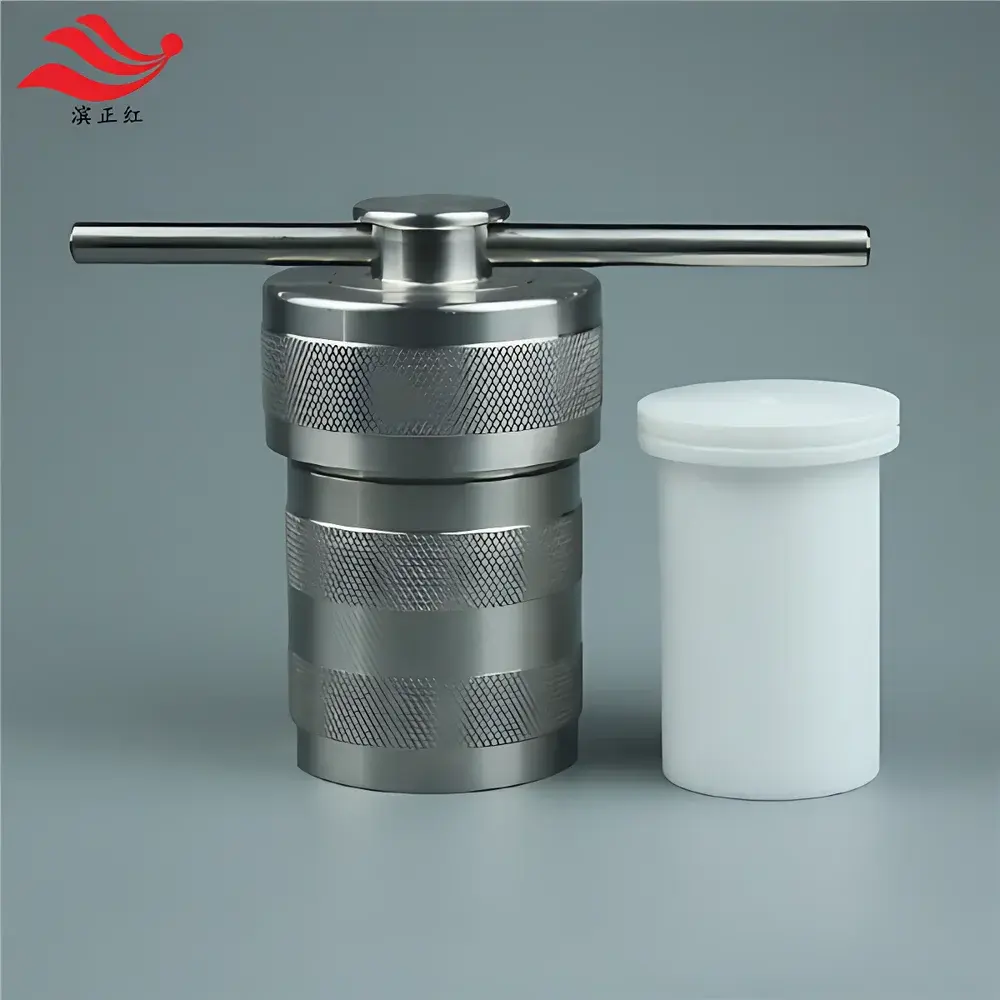
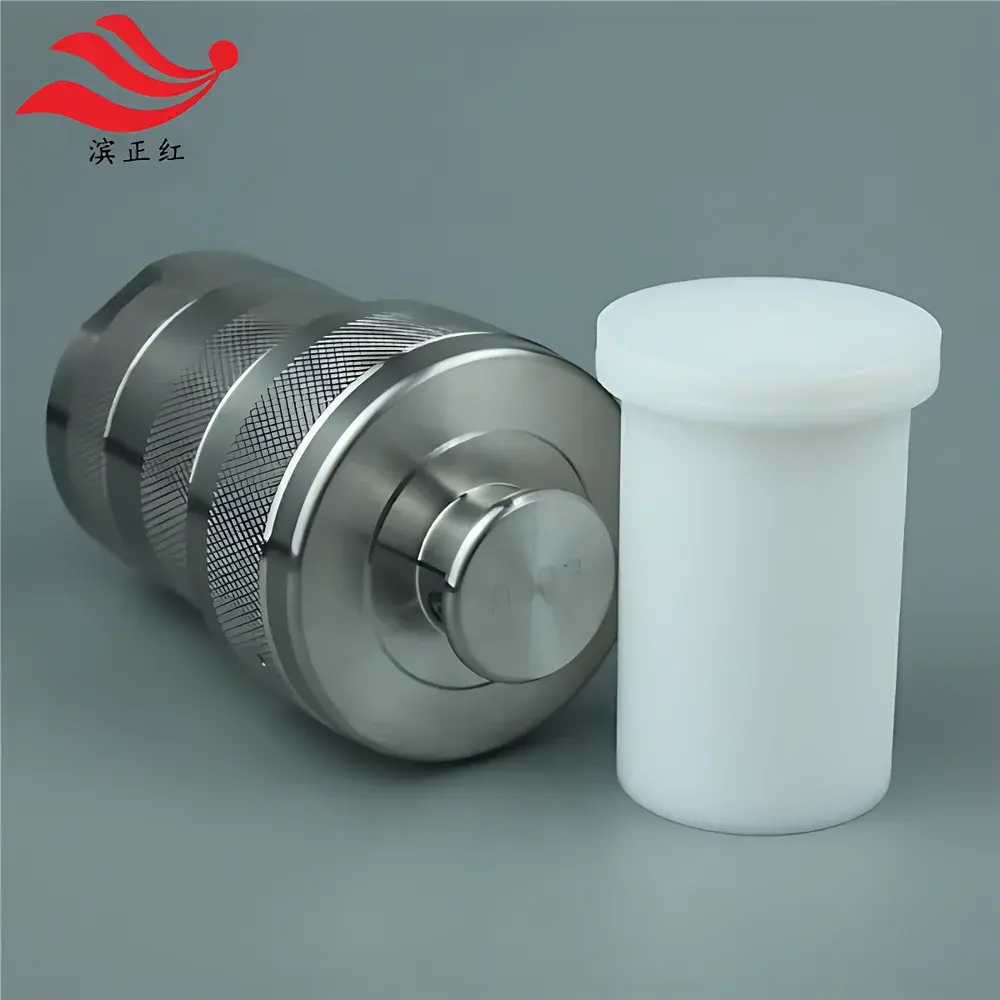
Binzhenghong NJ-Series PTFE/Teflon-Lined High-Pressure Digestion Vessels for Heavy Metal Analysis in CDC and Food Safety Laboratories
| Brand | Binzhenghong |
|---|---|
| Origin | Jiangsu, China |
| Manufacturer Type | Direct Manufacturer |
| Product Category | Domestic |
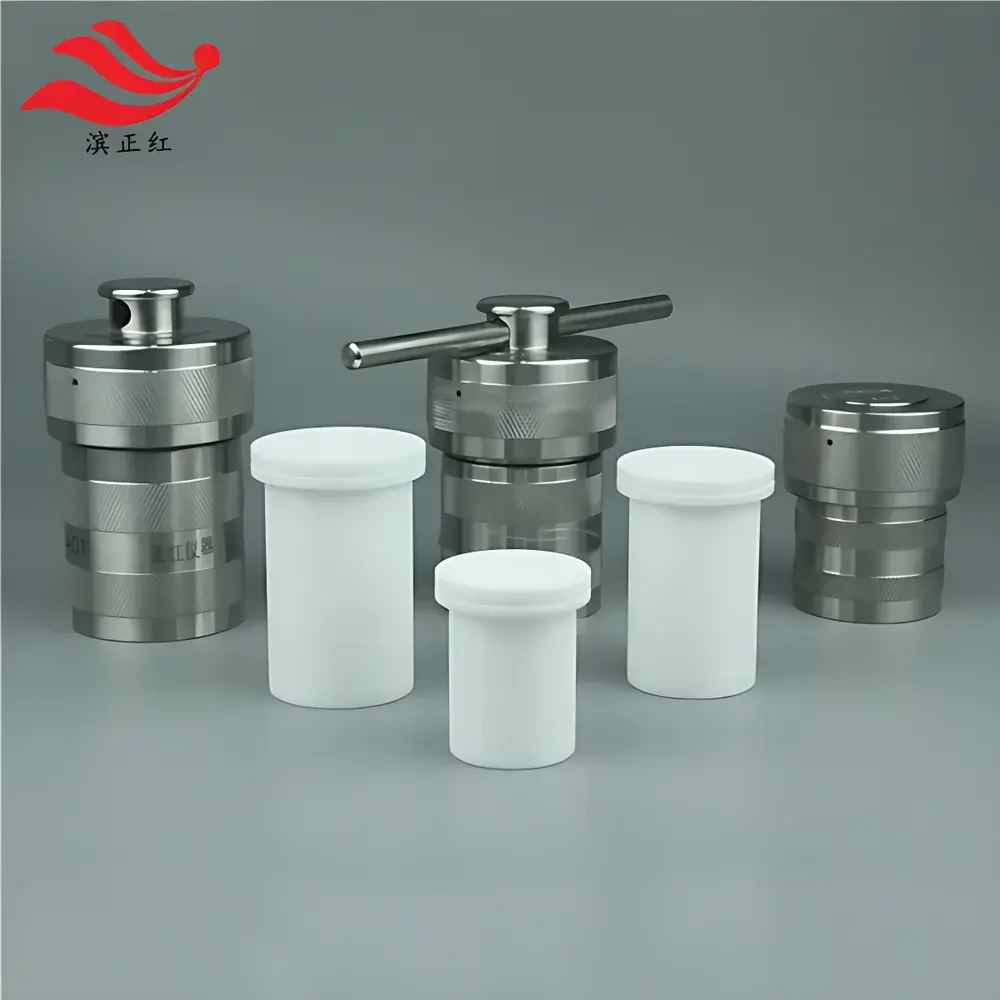
| Model | NJ-50 / NJ-60 / NJ-100 mL (also available in 5–500 mL variants) |
| Pressure Rating | 5 MPa (50 bar) |
| Inner Cup Material | PTFE (≤200 °C) or TFM (≤260 °C) |
| Outer Vessel Material | Non-magnetic stainless steel |
| Compliance | GB 5009.90–2016, GB 5009.268–2016, AOAC 999.10, ISO 11047:1993, USP <231> |
Overview
The Binzhenghong NJ-Series high-pressure digestion vessels are engineered for closed-vessel acid digestion of complex biological and environmental matrices under elevated temperature and pressure conditions. Operating on the principle of sealed-vessel wet digestion, these vessels leverage the combined effects of concentrated mineral acids (e.g., HNO₃, HCl, HF, and controlled H₂O₂ or HClO₄ additions) and thermal energy to mineralize organic matter and solubilize refractory metal species—including Pb, Cd, Cr(VI), As(III/V), Hg (methyl- and inorganic), and rare earth elements—into measurable aqueous forms. Designed specifically for compliance with national and international food safety, public health, and environmental monitoring protocols, the NJ-Series supports trace-level elemental analysis by ICP-MS, ICP-OES, AAS, and HG-AFS. Its passive, oven-based operation eliminates the need for electronic controllers or microwave hardware, making it a robust, low-infrastructure solution for CDC laboratories, provincial food testing centers, and GLP-compliant QA/QC facilities where batch reproducibility, ultra-low background contamination, and regulatory traceability are critical.
Key Features
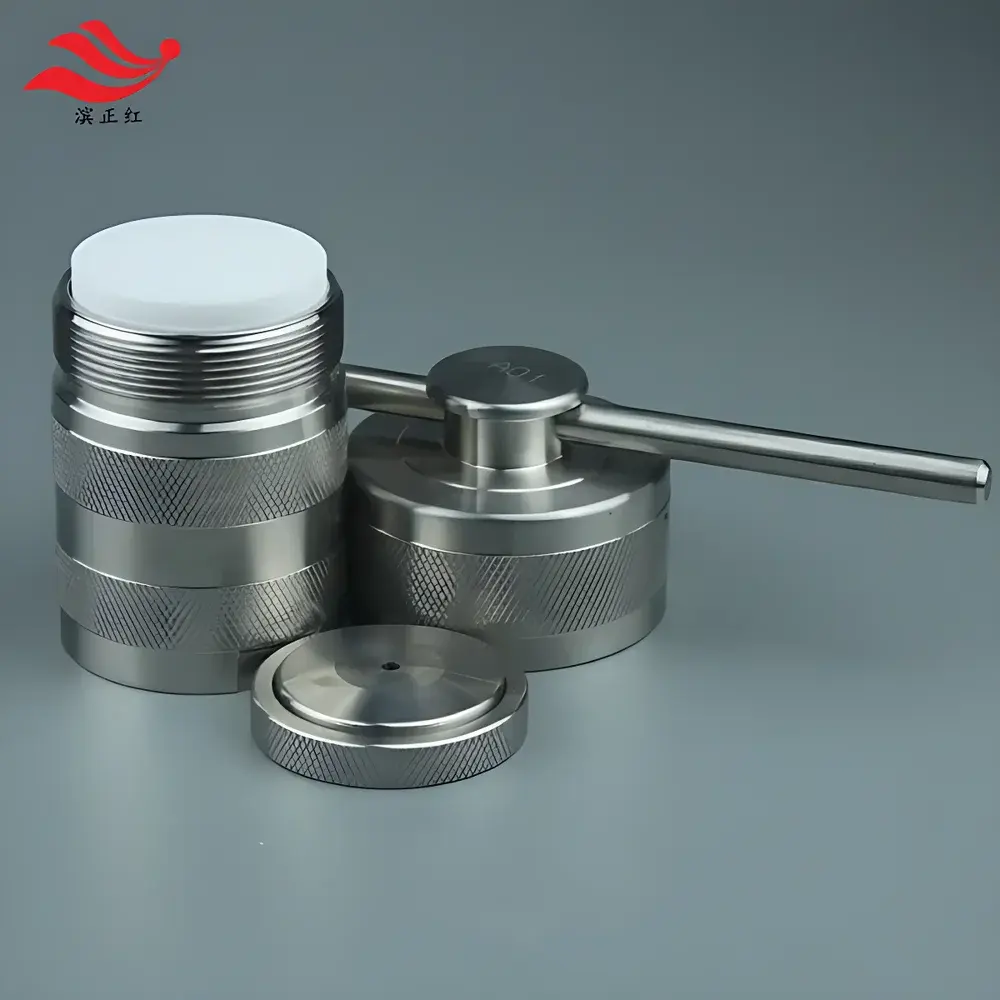
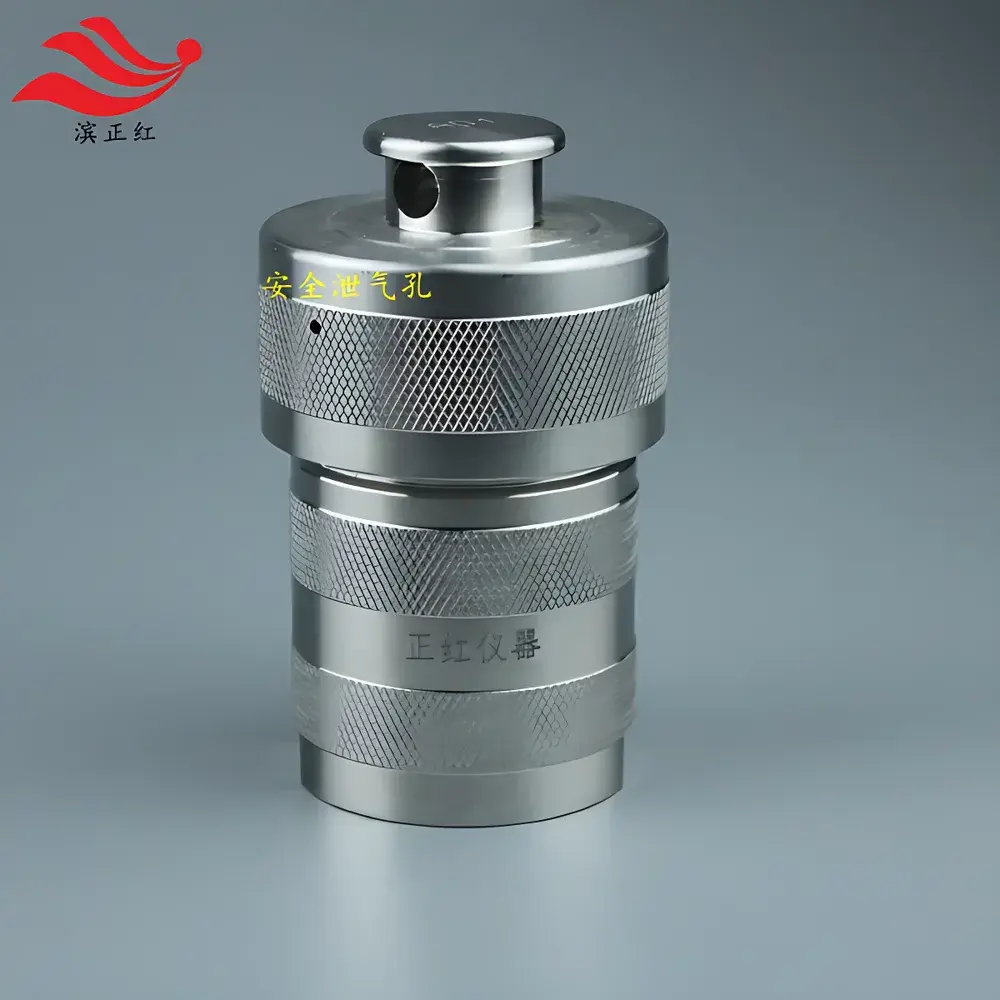
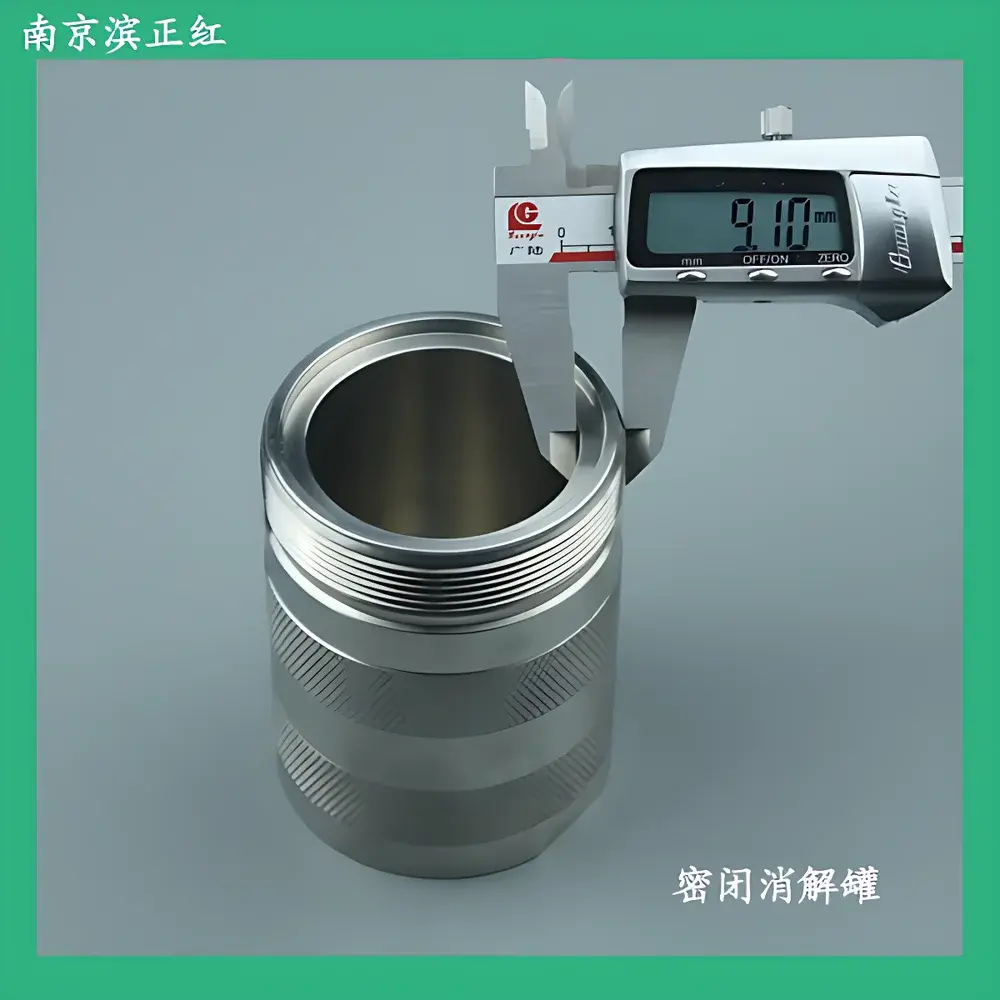
- Two-tier containment architecture: seamless non-magnetic stainless steel outer vessel (rated to 5 MPa) with precision-machined sealing interface and pressure-relief geometry
- Chemically inert inner cups fabricated from either high-purity domestic PTFE (max. 200 °C) or ultra-low-metal TFM™ (max. 260 °C), with certified Pb and U content <0.01 ppb and negligible leaching under digestion conditions
- Optimized cup geometry featuring tapered bottom and interlocking dovetail seal design to prevent cross-contamination and facilitate complete sample recovery
- Integrated venting micro-orifice in lid assembly ensures controlled pressure release during thermal ramping—preventing catastrophic failure while maintaining integrity of outer vessel
- Serialized numbering system for paired inner/outer components enables rotational usage tracking and uniform wear distribution across large batches
- Compatible with standard laboratory ovens (convection or gravity), eliminating dependency on proprietary microwave platforms or pressurized reactors
Sample Compatibility & Compliance
The NJ-Series is validated for digestion of diverse sample types per widely adopted regulatory methods: cereals, dairy powders, infant formula, seafood tissues, leafy vegetables, tea leaves, soil/sediment, sludge, and clinical biospecimens. It meets the procedural requirements of GB 5009.268–2016 (multi-element determination in foods), GB 5009.137–2016 (antimony), GB 5009.90–2016 (iron), and SN/T 1634–2005 (heavy metals in aquatic products). Internationally, it aligns with AOAC Official Method 999.10 for total As, Cd, Pb, and Hg in food; ISO 11047:1993 (determination of trace metals in animal feed); and USP (heavy metals limit tests). All vessels undergo pre-conditioning and blank verification per EPA Method 3050B protocols, ensuring background levels remain below detection limits for sub-ppq ICP-MS workflows.
Software & Data Management
As a hardware-only digestion platform, the NJ-Series does not incorporate embedded electronics or software. However, its mechanical design supports full integration into digital lab workflows: vessel serial numbers map directly to LIMS sample IDs; digestion run logs (oven setpoint, dwell time, acid volume, cooling protocol) are documented manually or via ELN templates compliant with 21 CFR Part 11 when used in FDA-regulated environments. Batch records include pre- and post-digestion blank assessments, spike recoveries, and CRM validation data—enabling full audit trails for GLP/GMP inspections. Optional traceability kits provide QR-coded labels for automated logging in validated electronic notebooks.
Applications
- Routine heavy metal surveillance in national food safety monitoring programs (e.g., lead in rice, cadmium in mushrooms, inorganic arsenic in seaweed)
- Reference material certification and inter-laboratory comparison studies requiring ultra-low procedural blanks
- Preparation of certified reference materials (CRMs) for environmental and clinical matrices
- Digestion of high-fat or high-fiber samples resistant to open-vessel hotplate digestion (e.g., cocoa, nuts, algae biomass)
- Supporting method validation per ISO/IEC 17025:2017 clause 7.2.2 for digestion efficiency, recovery, and contamination control
FAQ
What is the maximum safe operating temperature for TFM-lined NJ vessels?
TFM inner cups are rated for continuous use up to 260 °C; short-term excursions to 280 °C are permissible if pressure remains within 5 MPa limits. PTFE variants must not exceed 200 °C.
Can NJ vessels be used with perchloric acid (HClO₄)?
Yes—but only in diluted form (<2 mL of 70% HClO₄ per 50 mL vessel) and only after overnight cold nitration at 4 °C to suppress exothermic runaway. Never combine HClO₄ with organic solvents.
How is cross-contamination prevented between runs?
Each inner cup is single-use per digestion cycle. Reuse is prohibited. Cups are pre-cleaned in Class 100 cleanrooms and individually packaged. Outer vessels undergo citric acid passivation between batches.
Is calibration required before use?
No—these are passive pressure vessels without sensors or actuators. Users must verify oven temperature uniformity (per ASTM E2251) and confirm pressure rating via hydrostatic test certificates supplied with each batch.
Do NJ vessels comply with FDA 21 CFR Part 11 for electronic records?
The vessels themselves are not electronic systems. However, their use in validated SOPs—including documented run parameters, analyst signatures, and LIMS-integrated reporting—fully satisfies Part 11 requirements for associated analytical data.



