
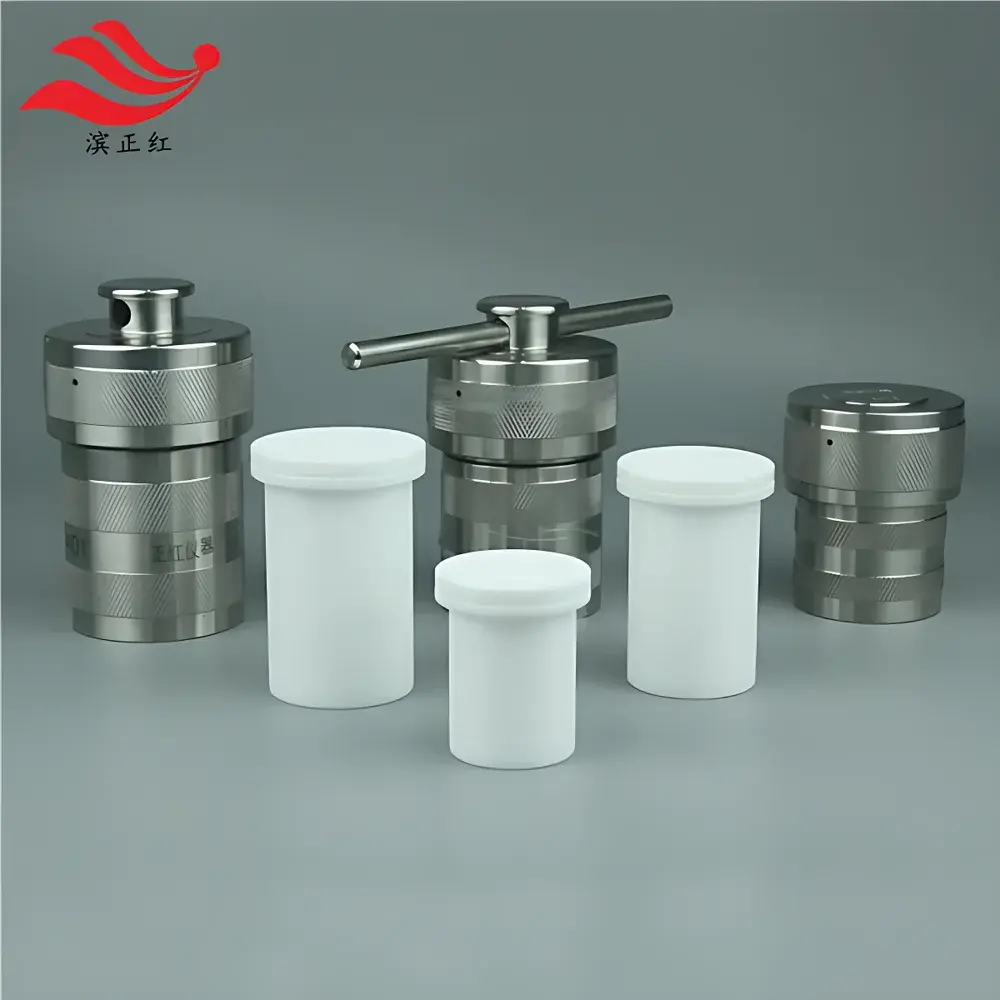
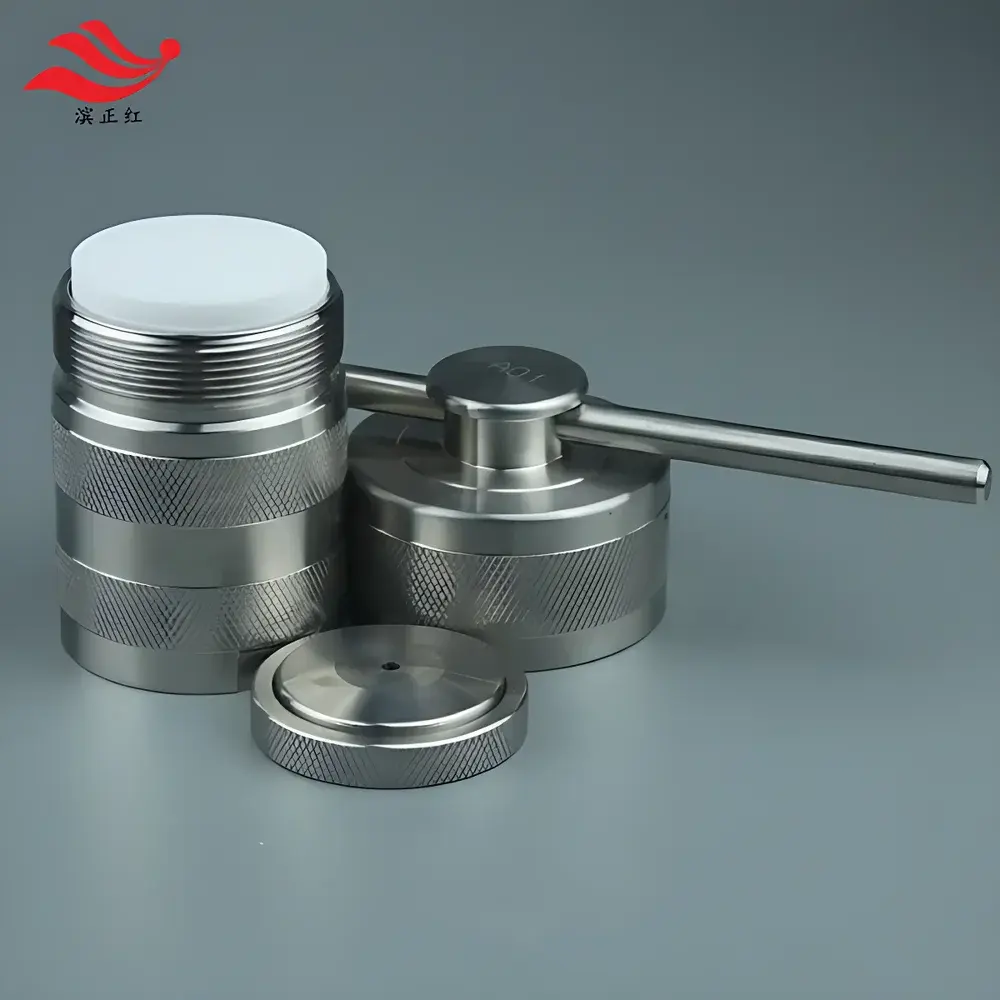
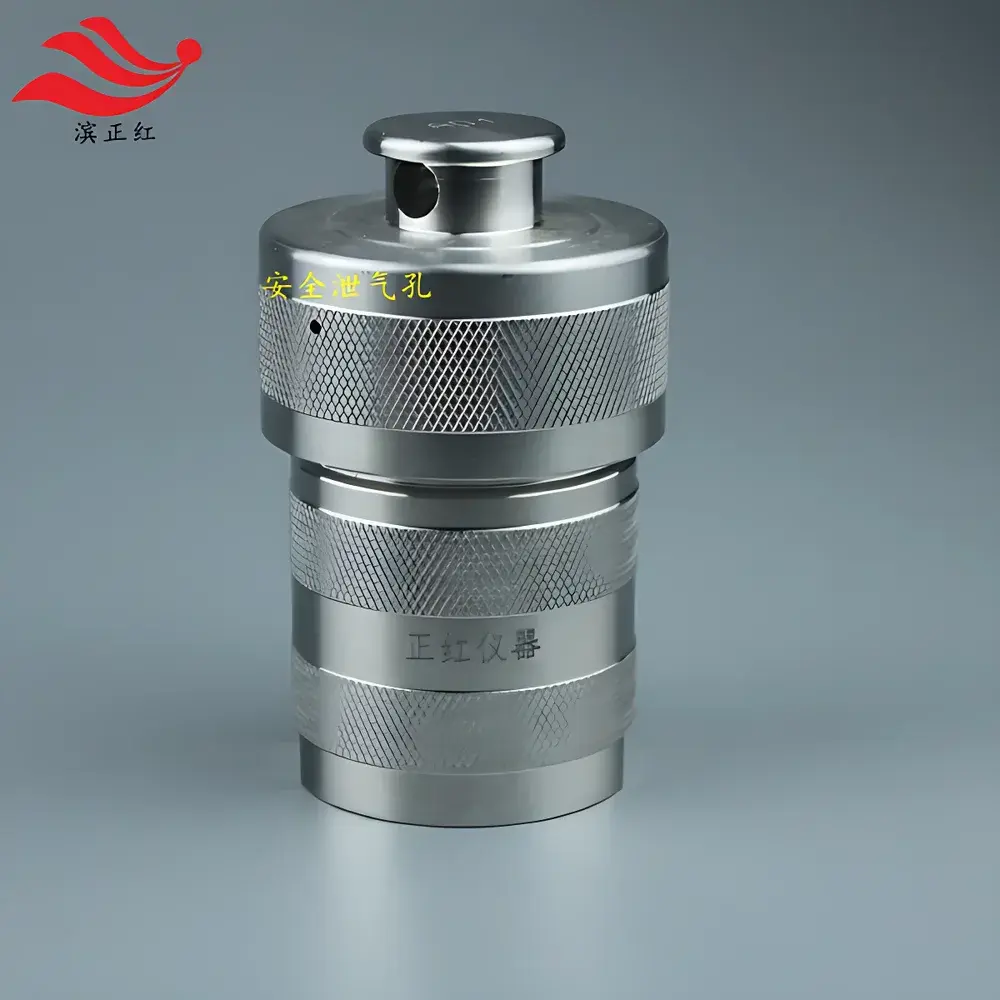
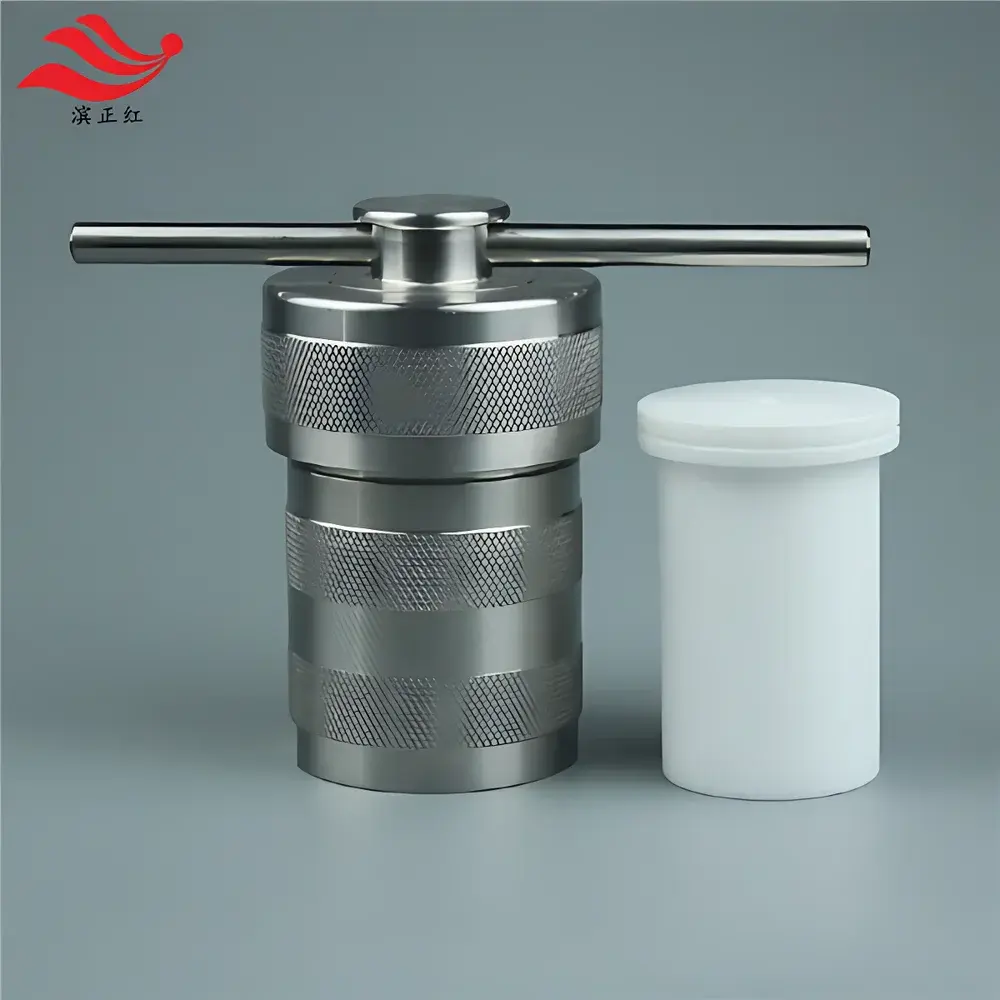
Binzhenghong NJ-ZH High-Pressure Digestion Vessels for Mercury Determination in Rice by Atomic Fluorescence Spectrometry
| Brand | Binzhenghong |
|---|---|
| Origin | Jiangsu, China |
| Manufacturer Type | Direct Manufacturer |
| Region of Origin | Domestic (China) |
| Model Options | 50 mL, 100 mL |
| Pricing | Upon Request |
Overview
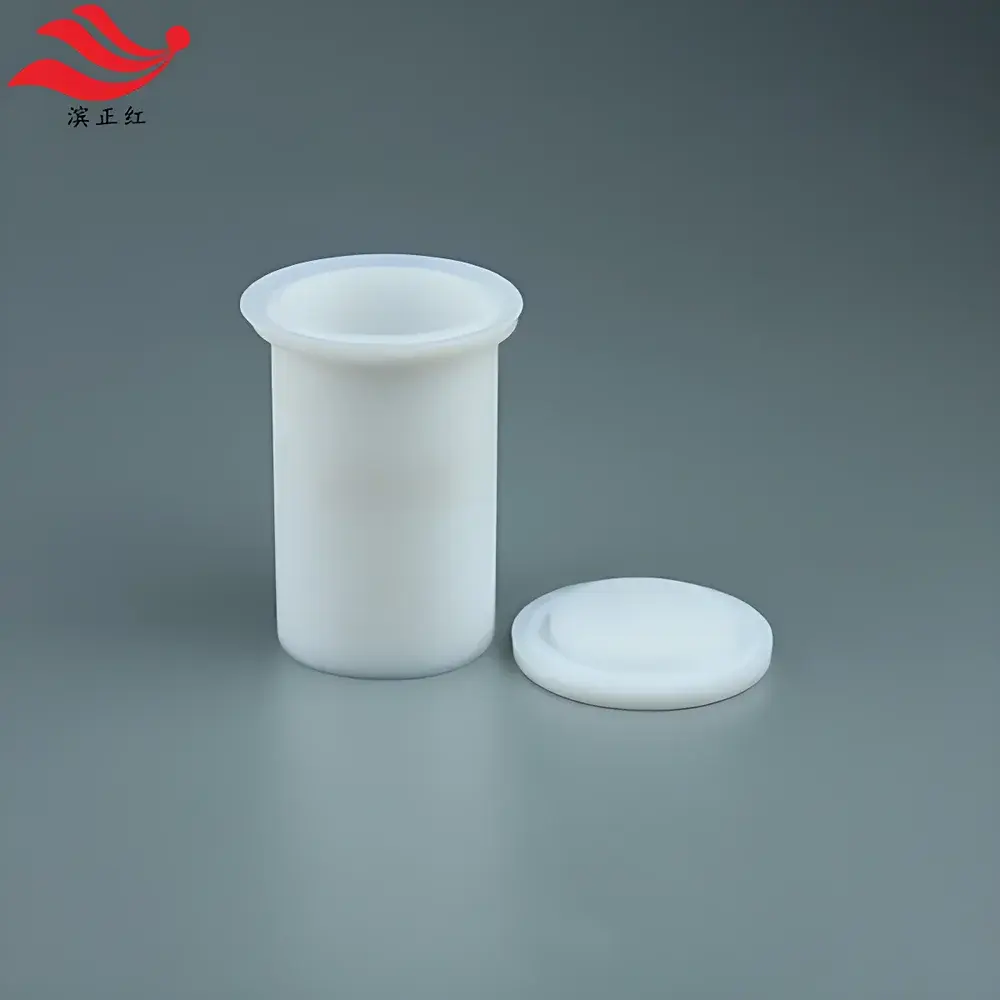
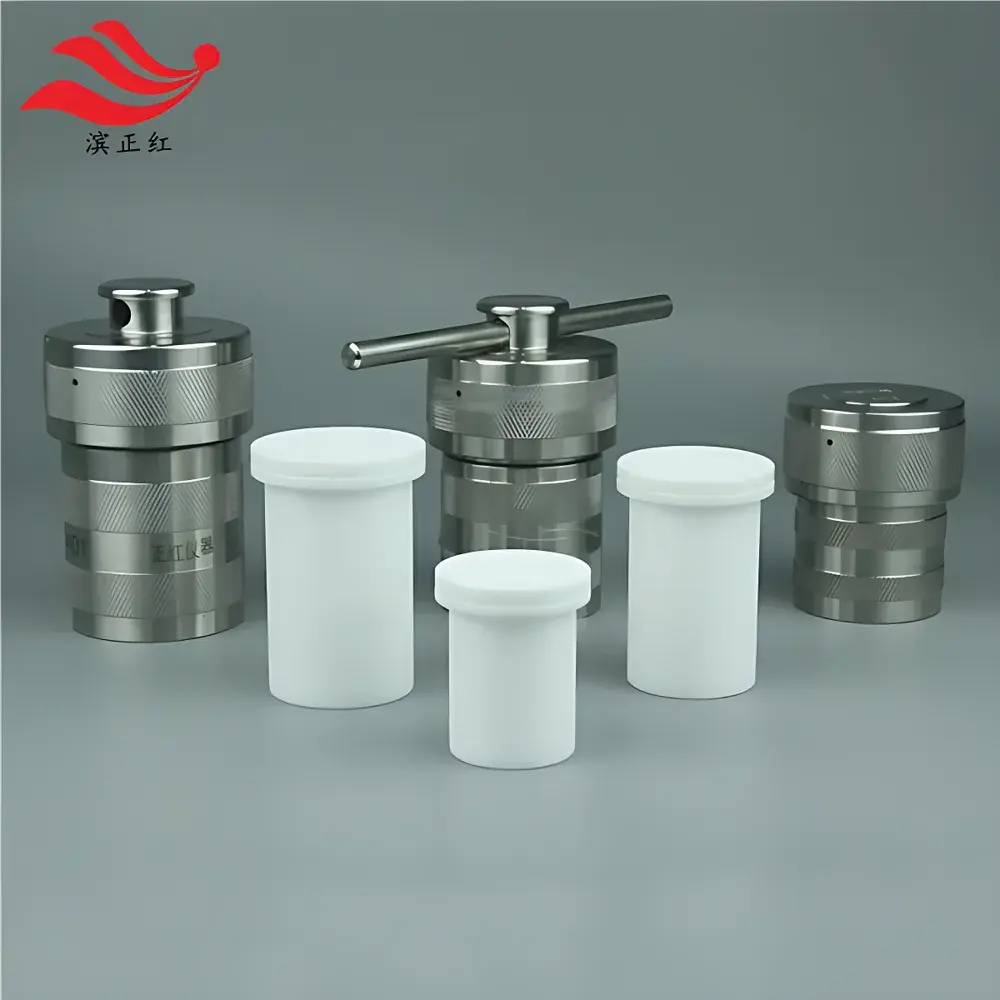
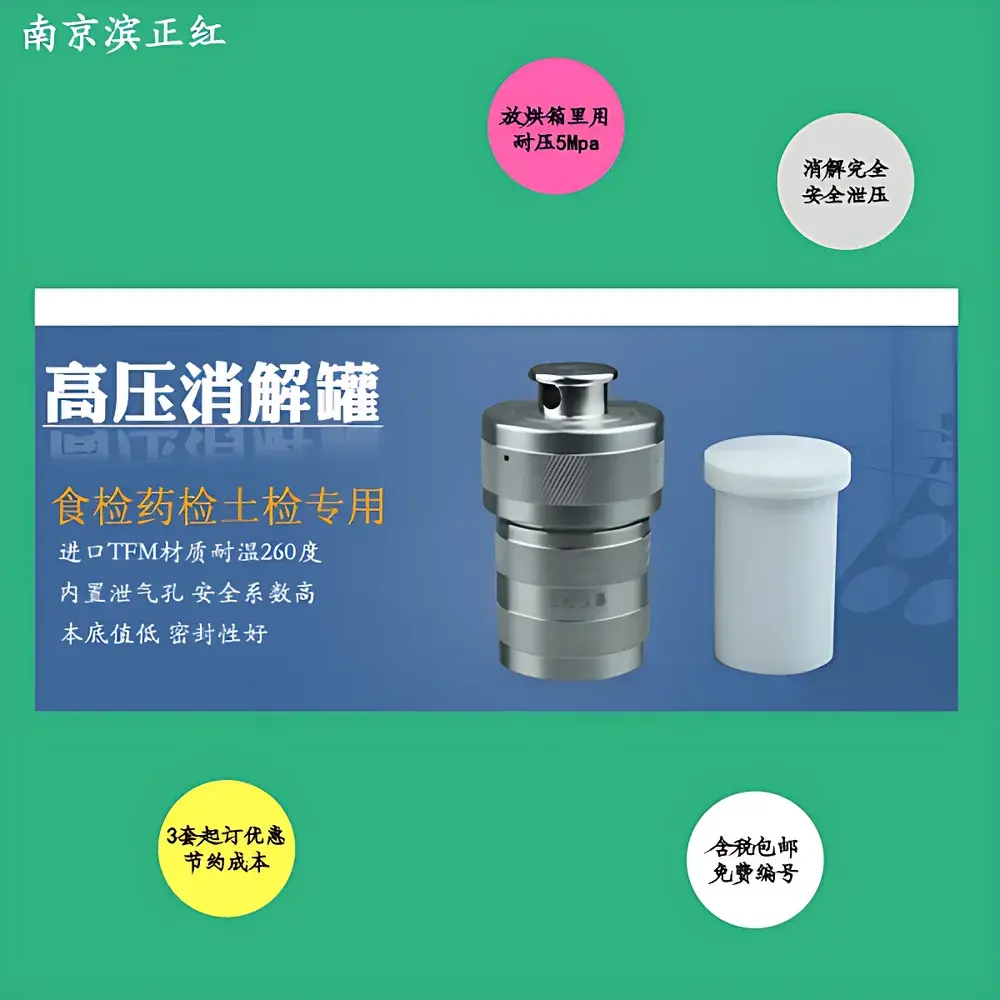
The Binzhenghong NJ-ZH high-pressure digestion vessels are precision-engineered PTFE-lined stainless steel vessels designed for closed-vessel acid digestion of organic-rich food matrices—particularly cereal grains such as rice—prior to trace mercury (Hg) quantification by atomic fluorescence spectrometry (AFS). Unlike open-vessel or microwave-assisted digestion systems, the NJ-ZH series operates under controlled thermal conditions (up to 120 °C) and inherent pressure buildup from nitric acid–hydrogen peroxide reactions, enabling complete mineralization of organomercury complexes while preserving analyte integrity. This methodology aligns with established wet digestion principles defined in ISO 17294-2, AOAC Official Method 999.10, and USP / for elemental impurities in food-grade materials. The vessels’ dual-layer construction—316 stainless steel outer jacket and chemically inert polytetrafluoroethylene (PTFE) inner liner—ensures resistance to aggressive oxidants (e.g., HNO₃/H₂O₂), minimizes memory effects, and eliminates metal leaching that could compromise sub-ppb Hg detection.
Key Features
- PTFE-lined stainless steel design ensures compatibility with concentrated nitric acid and hydrogen peroxide at elevated temperatures (≤120 °C)
- Sealed screw-cap configuration maintains internal pressure during digestion, enhancing reaction kinetics and decomposition efficiency for refractory organic–metal bonds
- Available in standardized volumes (50 mL and 100 mL) to accommodate varying sample masses (0.2–1.0 g) and dilution requirements for AFS analysis
- Autoclavable and reusable after rigorous cleaning with 25% v/v HNO₃ followed by deionized water rinse—validated for ≥50 digestion cycles without measurable PTFE degradation or leakage
- No external power or specialized instrumentation required—compatible with standard laboratory ovens, hot plates, or drying cabinets
- Low background contamination profile: certified blank values ≤0.02 ng/g Hg when processed under optimized protocol (7 mL HNO₃ + 3 mL H₂O₂, 120 °C × 2.5 h)
Sample Compatibility & Compliance
The NJ-ZH vessels are validated for use with polished rice, brown rice, and parboiled rice samples, demonstrating quantitative recovery (>95%) across diverse cultivars and milling degrees. Their performance meets criteria specified in GB 5009.17–2021 (National Food Safety Standard for Determination of Mercury in Foods) and supports compliance with regulatory frameworks including EU Commission Regulation (EU) No 2023/915 (maximum levels for Hg in cereals) and FDA’s Elemental Impurities Guidance for Food Ingredients. All vessel batches undergo lot-specific certification for extractable metals (Fe, Cr, Ni, Cu) per ICH Q3D, with documentation provided upon request. No volatile loss of Hg is observed during digestion due to sealed architecture—confirmed via spike-recovery experiments using methylmercury and inorganic Hg standards.
Software & Data Management
While the NJ-ZH vessels themselves are hardware-only components, their integration into regulated workflows is supported through documented standard operating procedures (SOPs) aligned with GLP and GMP principles. Each digestion run must be recorded in a dedicated logbook or LIMS-compatible electronic record, capturing batch number, sample ID, acid reagent lots, digestion time/temperature, cooling duration, and final dilution factor. When paired with AFS instruments (e.g., AFS-2202E), data acquisition software enables audit-trail-enabled calibration curve generation (A = 1055.323C + 0.355; r² = 0.9995), limit-of-detection calculation (0.415 μg/kg), and automated QC flagging per USP Analytical Instrument Qualification. Full traceability—from vessel serial number to final report—is achievable within 21 CFR Part 11–compliant environments when combined with validated digital workflow tools.
Applications
- Quantitative determination of total mercury in rice and rice-based infant foods per GB 5009.17–2021 and Codex Alimentarius STAN 193–1995
- Method development and validation studies for alternative digestion protocols targeting As, Cd, Pb, and Se in cereals
- Reference material analysis (e.g., NIST SRM 1568b Rice Flour) for laboratory proficiency testing
- High-throughput screening in regional food safety laboratories where capital constraints preclude microwave digestion system procurement
- Teaching laboratories requiring robust, low-risk digestion platforms for undergraduate analytical chemistry curricula
FAQ
What is the maximum recommended digestion temperature for NJ-ZH vessels?
The vessels are rated for continuous operation at 120 °C; exceeding this may compromise PTFE liner integrity and seal performance.
Can these vessels be used for microwave-assisted digestion?
No—they are designed exclusively for conventional oven- or hot plate–based heating and are not microwave-transparent or pressure-rated for microwave cavities.
How should the vessels be cleaned between uses?
Soak overnight in 25% (v/v) nitric acid, rinse thoroughly with ≥18.2 MΩ·cm deionized water, and air-dry in a particle-free environment. Avoid abrasive scrubbing or ultrasonic cleaning.
Is there supporting validation data for mercury recovery in rice matrices?
Yes—peer-reviewed method validation reports (including recovery: 95–102%, RSD: 1.0–6.5%, LOD: 0.415 μg/kg) are available upon request for regulatory submission support.
Are custom volume options available beyond 50 mL and 100 mL?
Standard production is limited to 50 mL and 100 mL configurations; non-standard sizes require minimum order quantities and extended lead times.



