
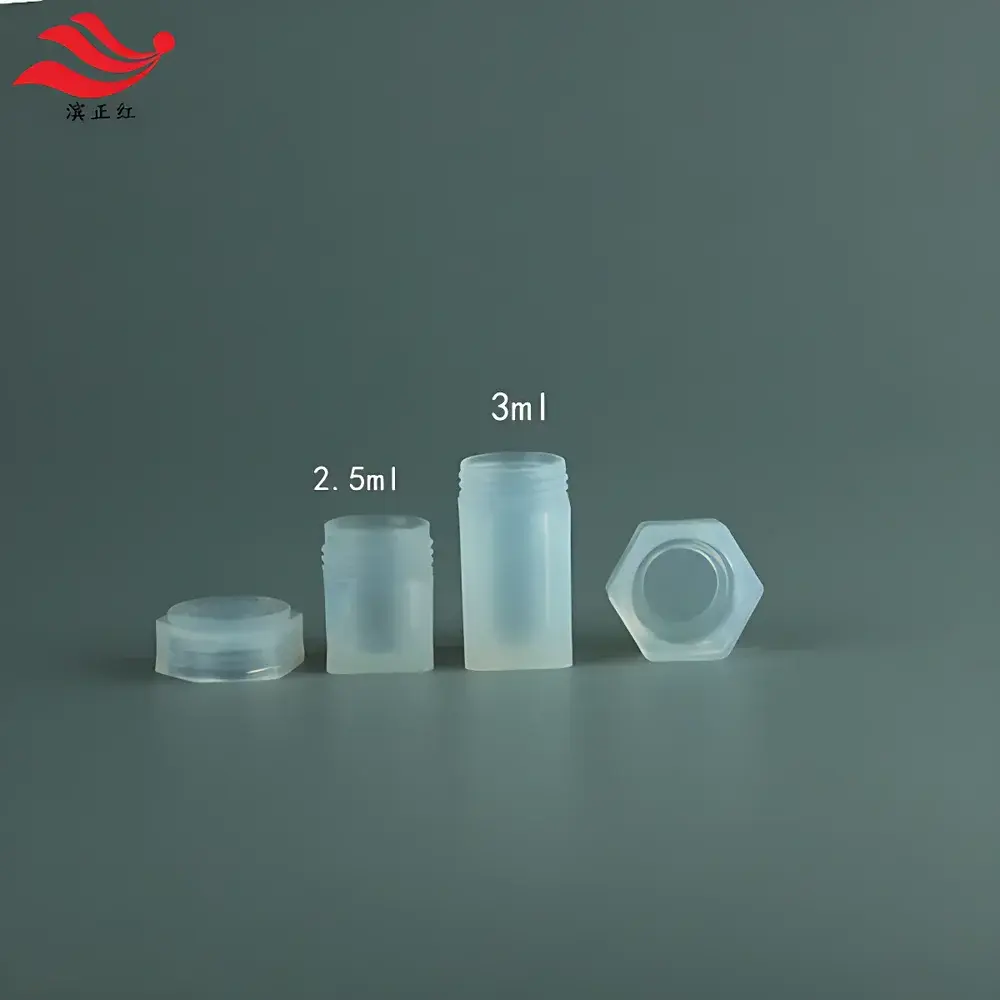
Binzhenghong PFA Digestion Vessels for Isotope Analysis – UV-Flat Bottom Beakers, Cylindrical Bottles & Crucibles with Laser-Engraved Identification
| Brand | Binzhenghong |
|---|---|
| Origin | Jiangsu, China |
| Manufacturer Type | Direct Producer |
| Product Category | Domestic |
| Model | UV-Flat Bottom |
| Pricing | Upon Request |
Overview
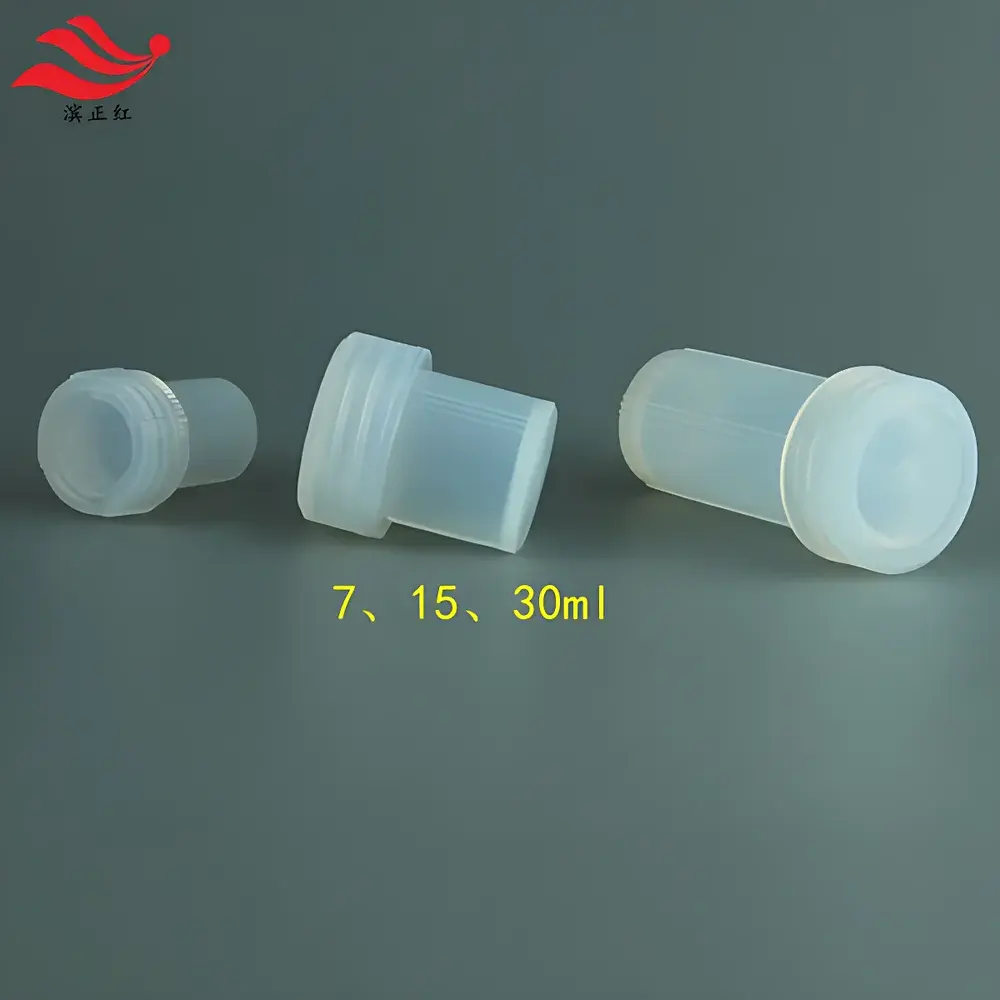
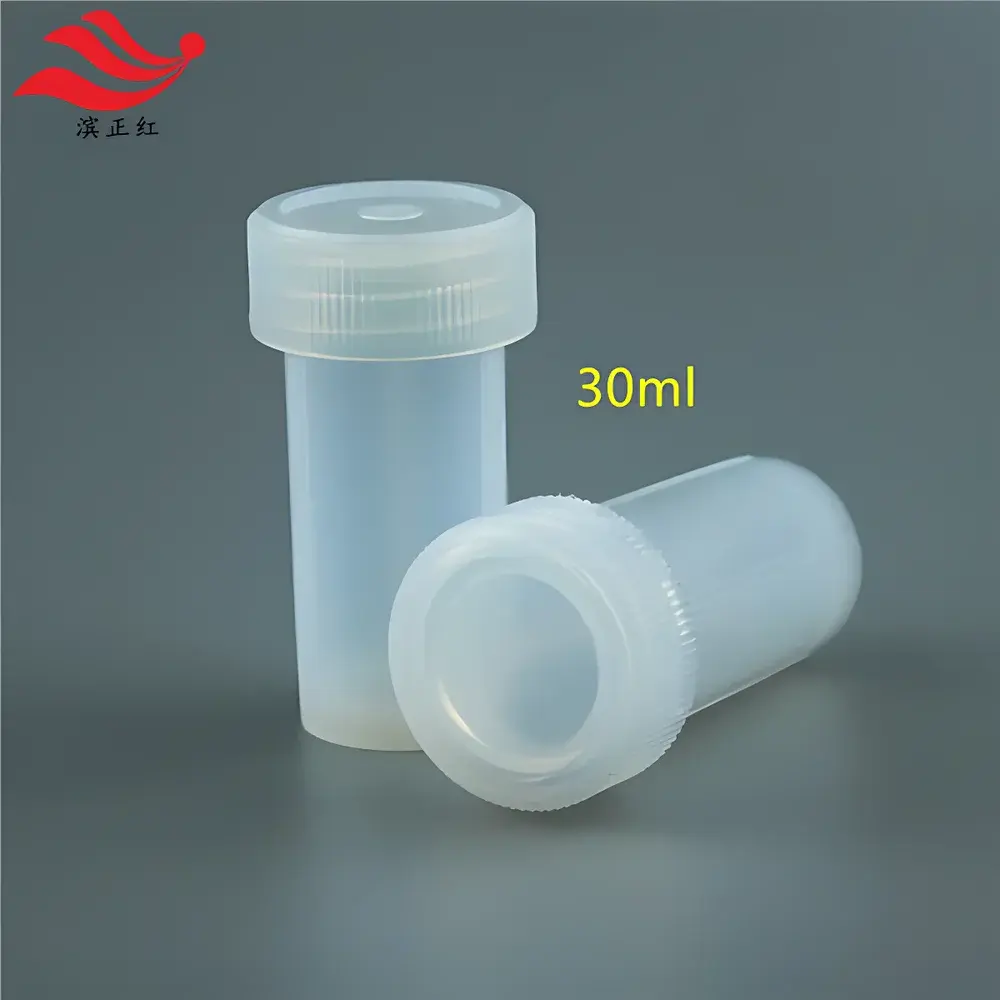
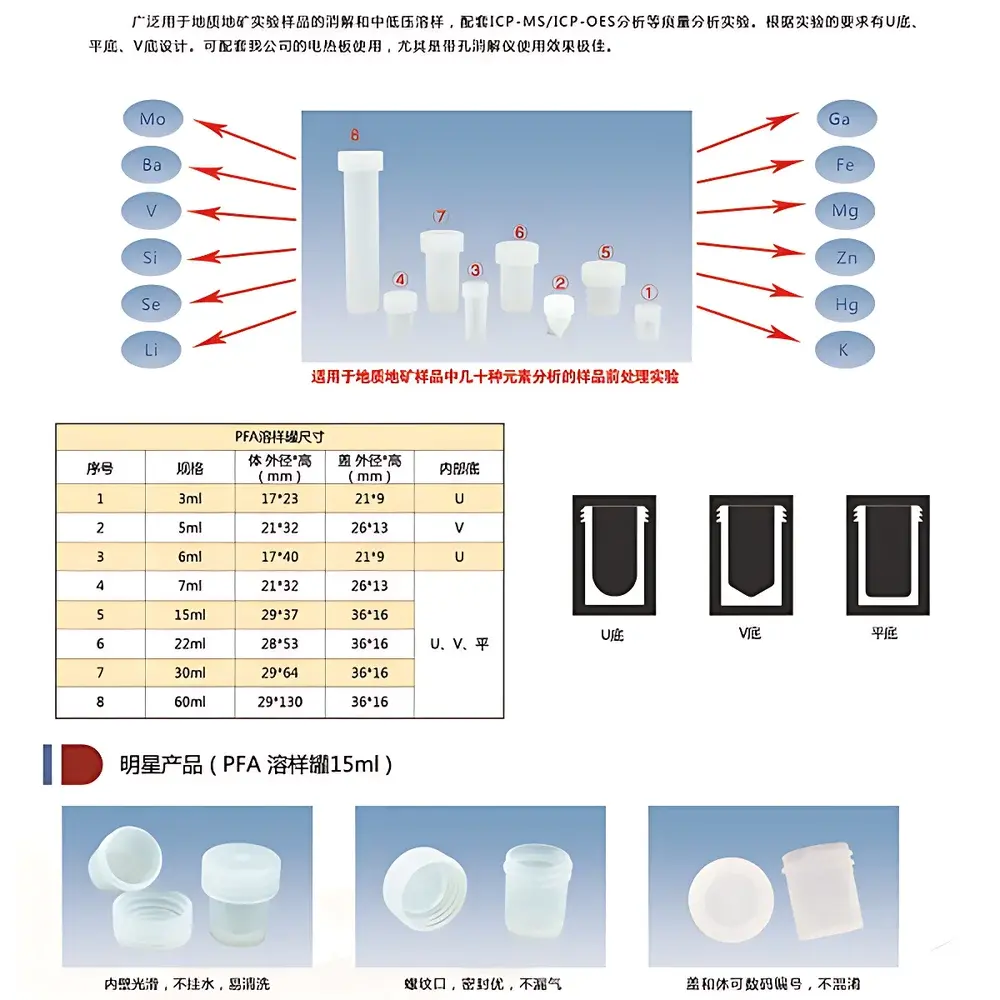
Binzhenghong PFA Digestion Vessels are high-purity, fluoropolymer-based sample preparation containers engineered for ultra-trace elemental and isotopic analysis—particularly in geological, geochemical, and environmental laboratories requiring stringent contamination control. Constructed from perfluoroalkoxy alkane (PFA), these vessels leverage the material’s exceptional chemical inertness, thermal stability, and ultra-low elemental background to support demanding applications such as ICP-MS, ICP-OES, and multi-collector thermal ionization mass spectrometry (MC-TIMS) sample introduction. Unlike standard polypropylene or borosilicate glassware, PFA exhibits near-zero leaching of transition metals (e.g., Fe, Mg, Zn, Mo, Ba, V, Se, Li, Ga, Hg, K) and refractory elements (e.g., Si), making it indispensable for isotope ratio measurements where blank contributions must remain below sub-pg/mL levels. The UV-flat bottom design ensures optimal contact with heated surfaces on hotplates and block digesters—especially critical for uniform thermal distribution during low-pressure acid digestion (e.g., HF-HNO₃-HCl mixtures at 120–150 °C). All vessels operate safely within a continuous temperature range of −200 °C to +260 °C; however, sealed configurations are recommended for use ≤150 °C to maintain structural integrity and pressure safety margins.
Key Features
- Ultra-low trace metal content: Certified for <1 pg/g background levels of key analytes including Fe, Al, Cr, Ni, Cu, Zn, Pb, and rare earth elements—validated per ASTM D5673 and ISO/IEC 17025-accredited testing protocols.
- Laser-engraved alphanumeric identification: Permanent, non-fading numbering on both cap and body enables unambiguous sample tracking across multi-step digestion workflows and long-term archival storage.
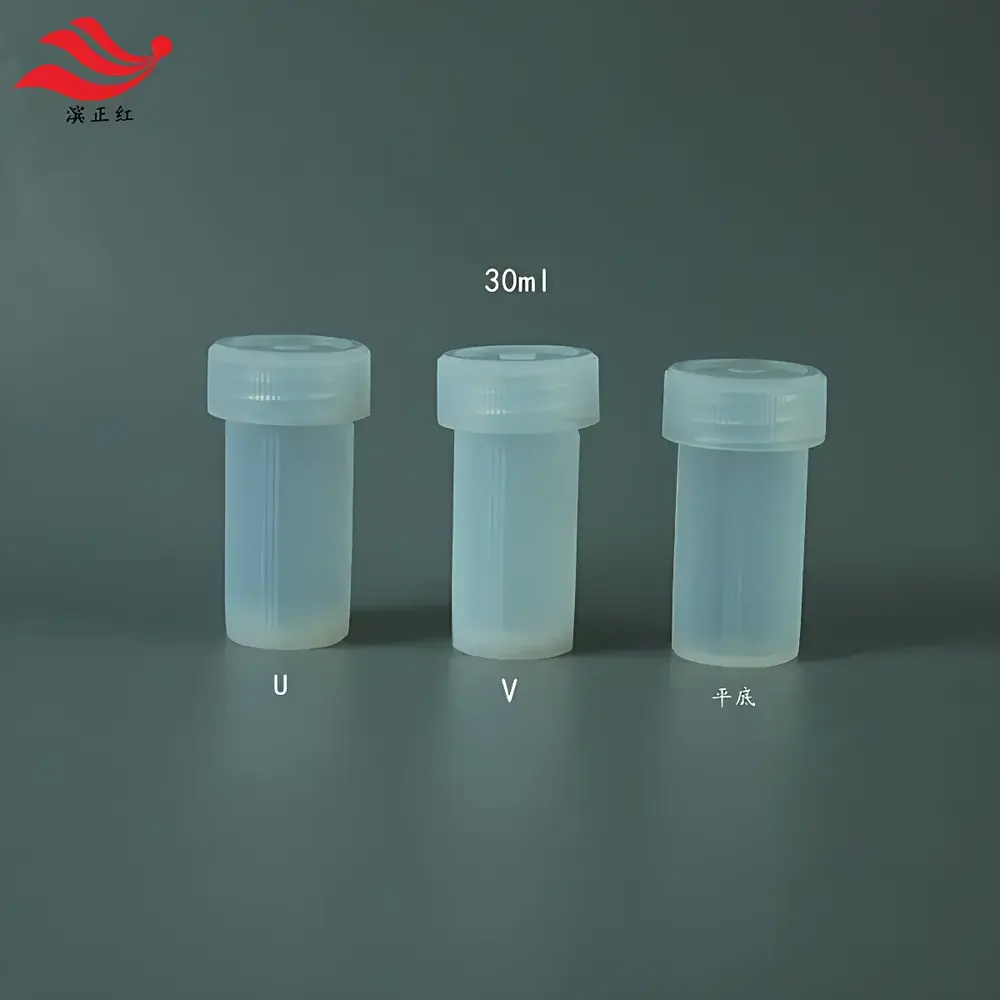
- Three bottom geometries (U-bottom, V-bottom, flat-bottom): U-bottom supports homogeneous slurry dispersion and kinetic dissolution of silicate-rich rocks; V-bottom maximizes recovery of sub-100 µL residual digestates; UV-flat bottom ensures consistent thermal coupling on electric heating blocks.
- Chemical resistance: Fully resistant to concentrated hydrofluoric acid (HF), aqua regia, piranha solution, and molten alkalis—enabling complete matrix decomposition without vessel degradation.
- Mechanical robustness: Passes drop-test certification (free-fall from 1.2 m onto concrete surface) without cracking, cap ejection, or leakage—verified under ISO 8502-12 compliance conditions.
- Autoclavable and sterile-ready: Capable of repeated steam sterilization (121 °C, 15 psi, 20 min) in open configuration while retaining dimensional stability and sealing performance post-cycle.
Sample Compatibility & Compliance
These PFA vessels are routinely employed in EPA Method 6020B (ICP-MS), USP / (elemental impurities), and ISO 17294-2 (water analysis) workflows. They meet GLP/GMP documentation requirements when used with audit-trail-capable digestion systems and are compatible with certified reference materials (CRMs) such as NIST SRM 2710a, GBW07105, and BCR-414. Each batch undergoes lot-specific certificate of analysis (CoA) generation, reporting measured blanks for ≥25 elements via quadrupole ICP-MS following EPA 200.8 pre-clean protocols.
Software & Data Management
While the vessels themselves are passive consumables, their integration into digital lab ecosystems is supported through compatibility with LIMS barcode scanning (via engraved IDs), electronic batch record linkage, and automated QC logging in platforms compliant with FDA 21 CFR Part 11 (electronic signatures and audit trails). Binzhenghong provides downloadable CoA templates in CSV and PDF formats, supporting metadata fields for digestion run ID, operator, date/time stamp, and instrument calibration status.
Applications
- Geochemical sample digestion: Whole-rock powders, soils, sediments, and ore concentrates using HF-based fusion or closed-vessel microwave-assisted digestion.
- Isotopic tracer studies: Preparation of Sr, Nd, Hf, Pb, and Os standards without isotopic fractionation artifacts induced by surface adsorption.
- High-purity reagent storage: Long-term containment of 10 ppt–1 ppb stock solutions of certified isotopic standards (e.g., NIST SRM 3100 series).
- Environmental monitoring: Extraction and concentration of ultra-trace metals from seawater, snowpack, and atmospheric particulates.
- Nuclear safeguards: Handling of uranium and plutonium bearing samples under cleanroom Class 100 conditions.
FAQ
Are these vessels suitable for microwave-assisted digestion?
Yes—when used in open-vessel or vented rotor configurations compatible with PFA’s pressure rating (≤1 MPa at 150 °C); however, they are not rated for high-pressure microwave cavities exceeding 200 °C.
What cleaning protocol is recommended before first use?
Soak in 10% v/v ultrapure HNO₃ (≥18.2 MΩ·cm water) for 24 h, rinse six times with Milli-Q water, then dry in Class 100 laminar flow hood.
Can the engraved numbers withstand repeated acid exposure?
Yes—the laser marking penetrates the PFA surface layer and remains legible after ≥50 cycles of hot HF treatment (2 mL, 48 h, 120 °C).
Do you offer custom volume configurations beyond the listed sizes?
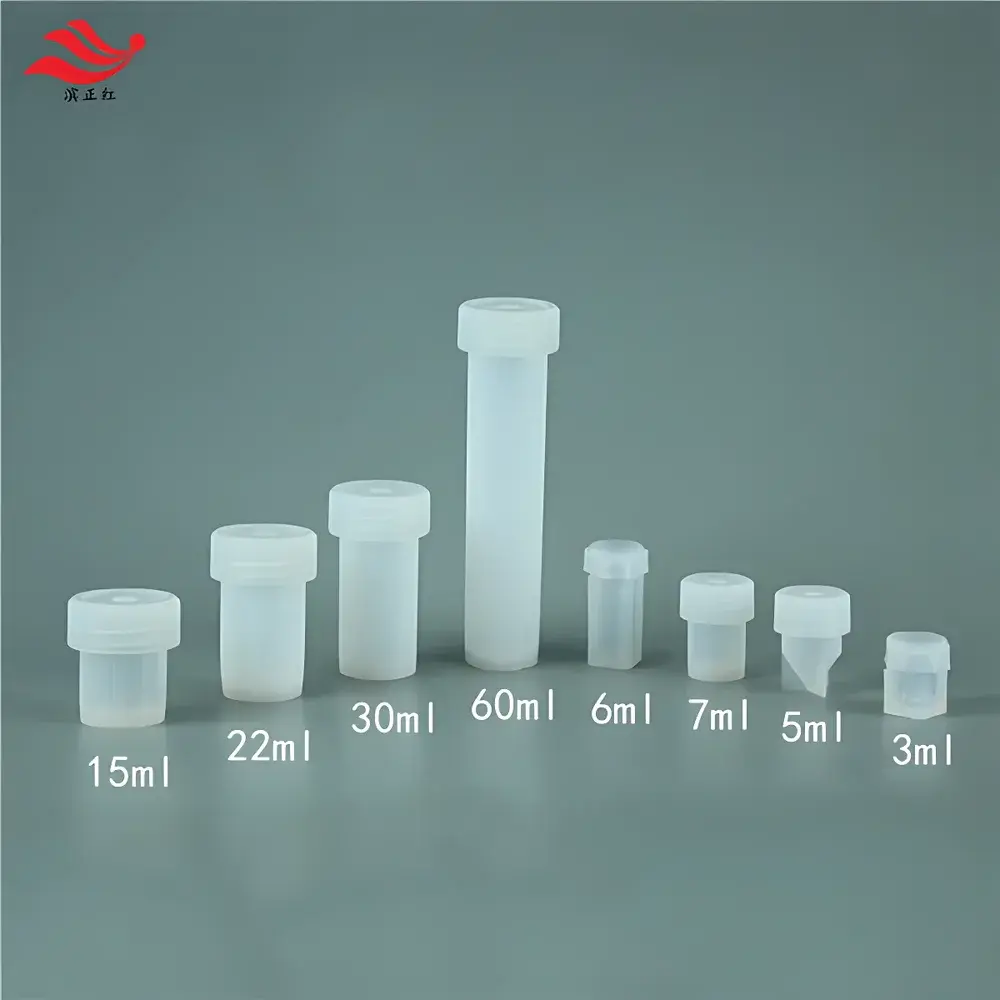
Yes—custom molds for volumes ranging from 5 mL to 500 mL are available upon engineering review and minimum order quantity agreement.
Is there batch-to-batch variability in trace metal content?
No—each production lot undergoes full ICP-MS screening against an internal reference standard; variability is controlled within ±15% of certified mean values per element.



