
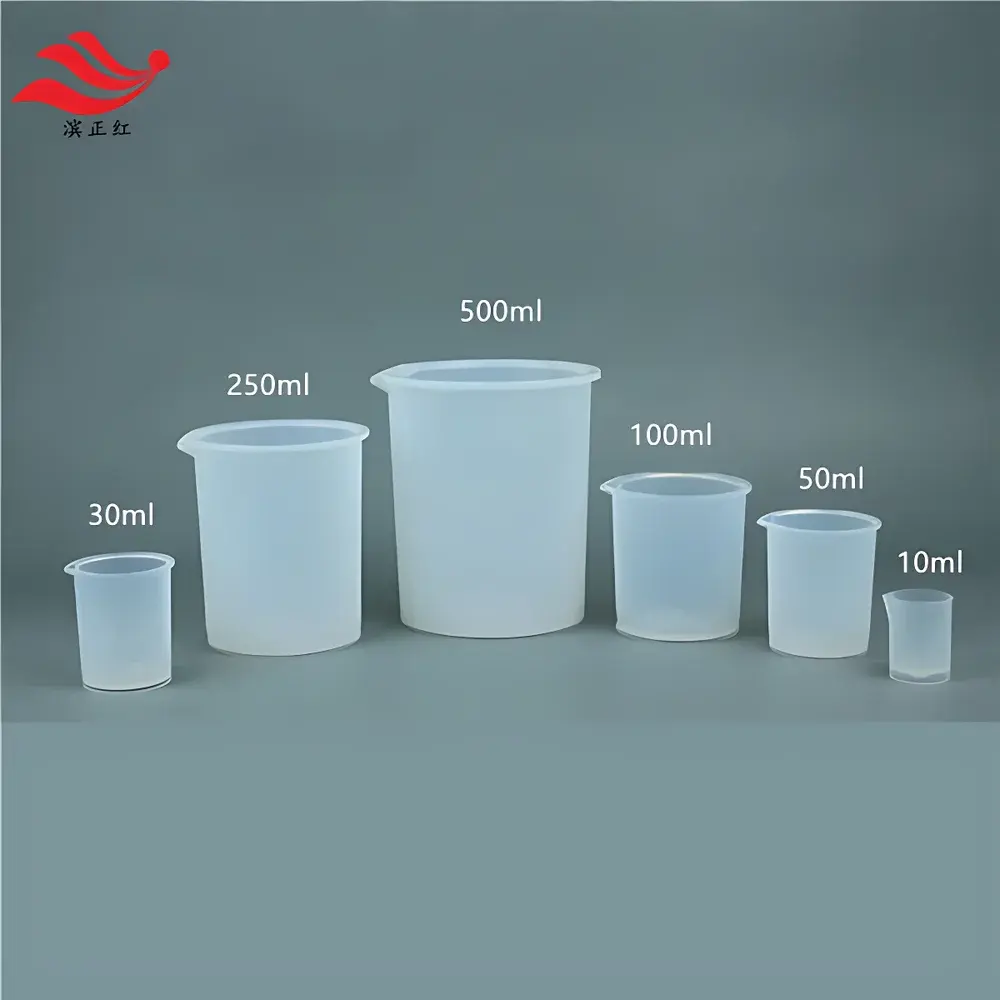
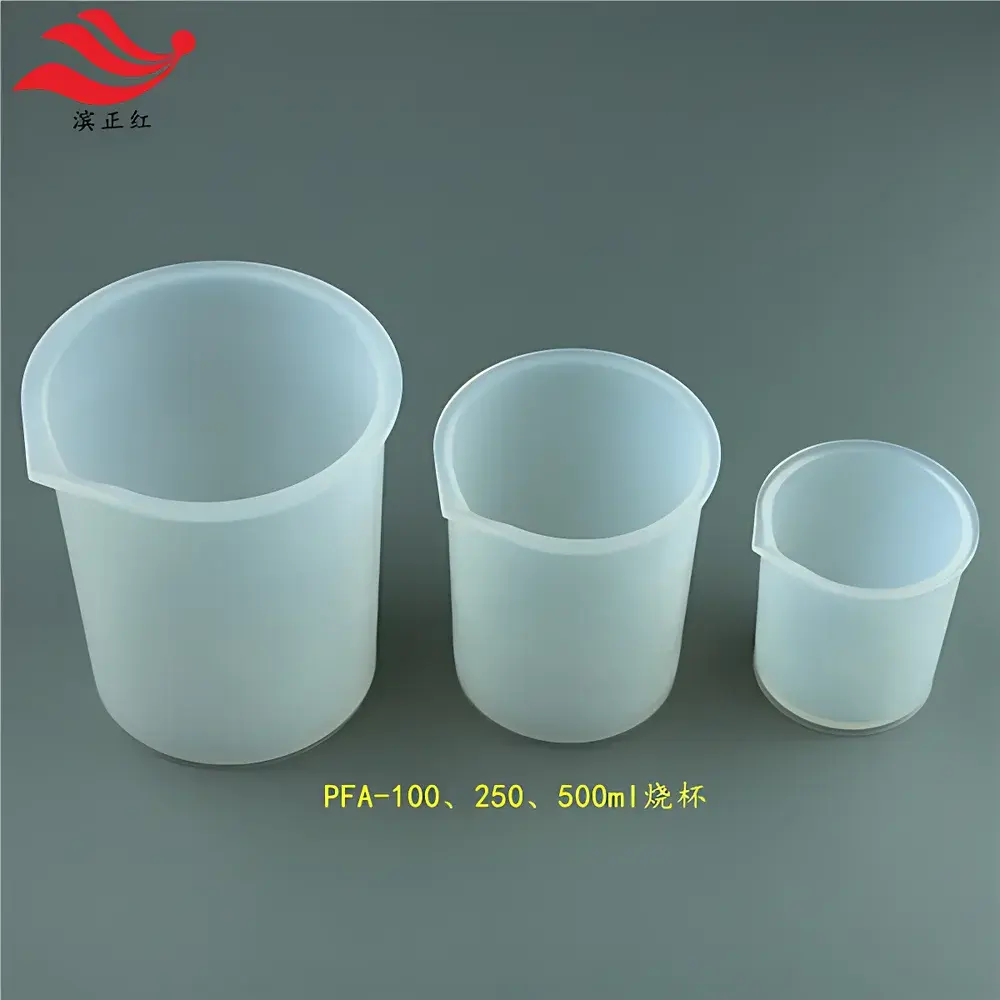
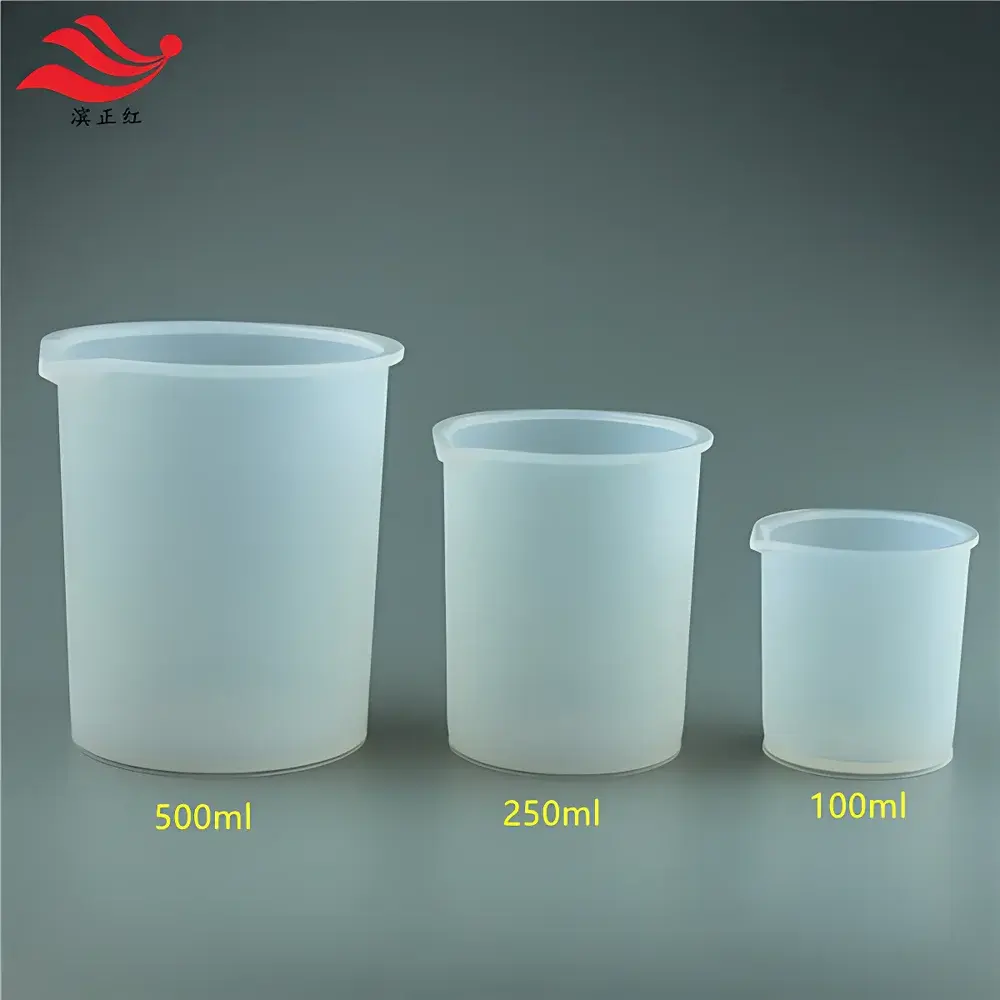
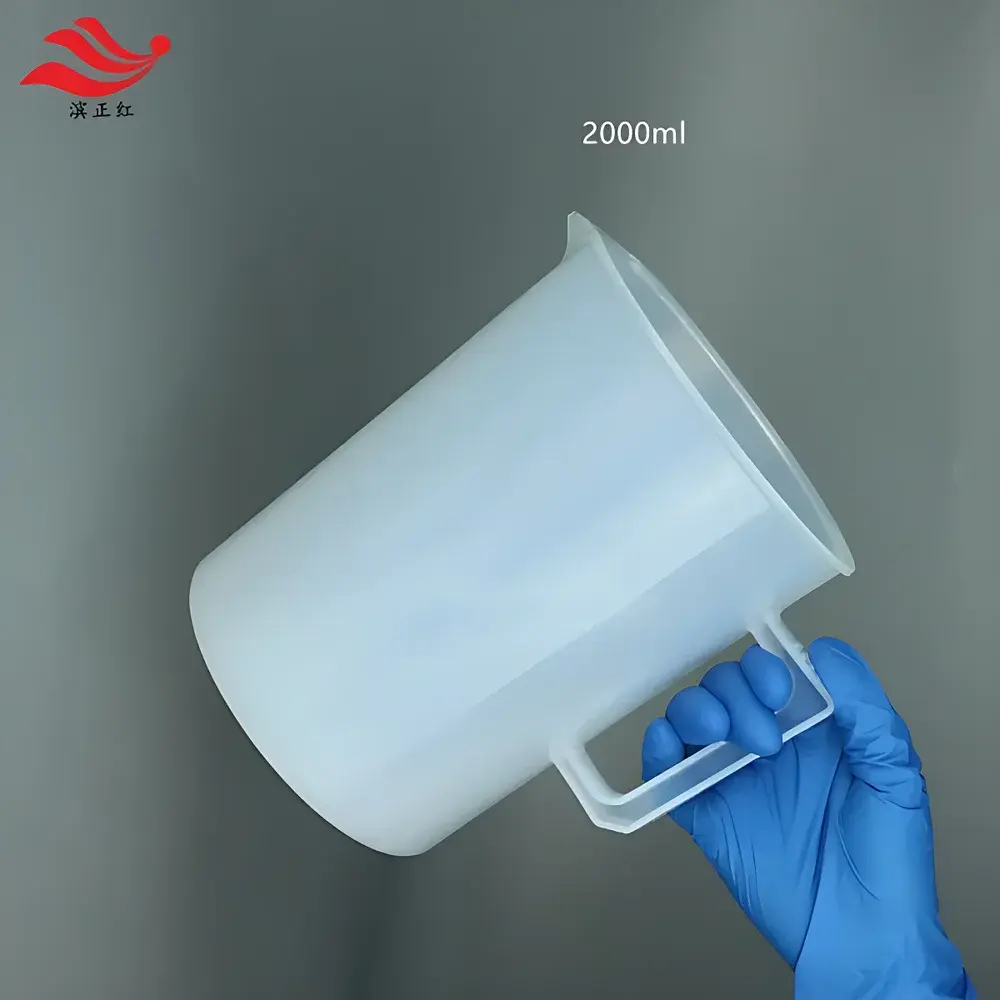
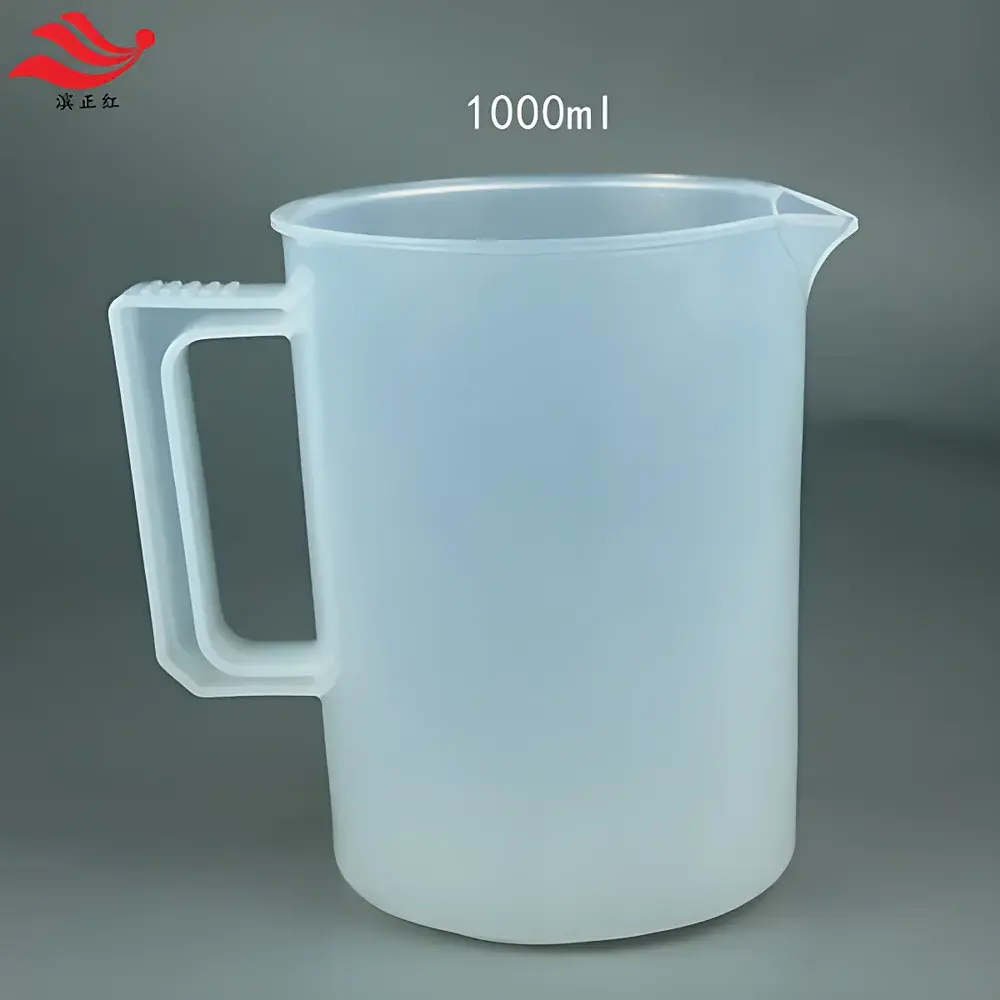
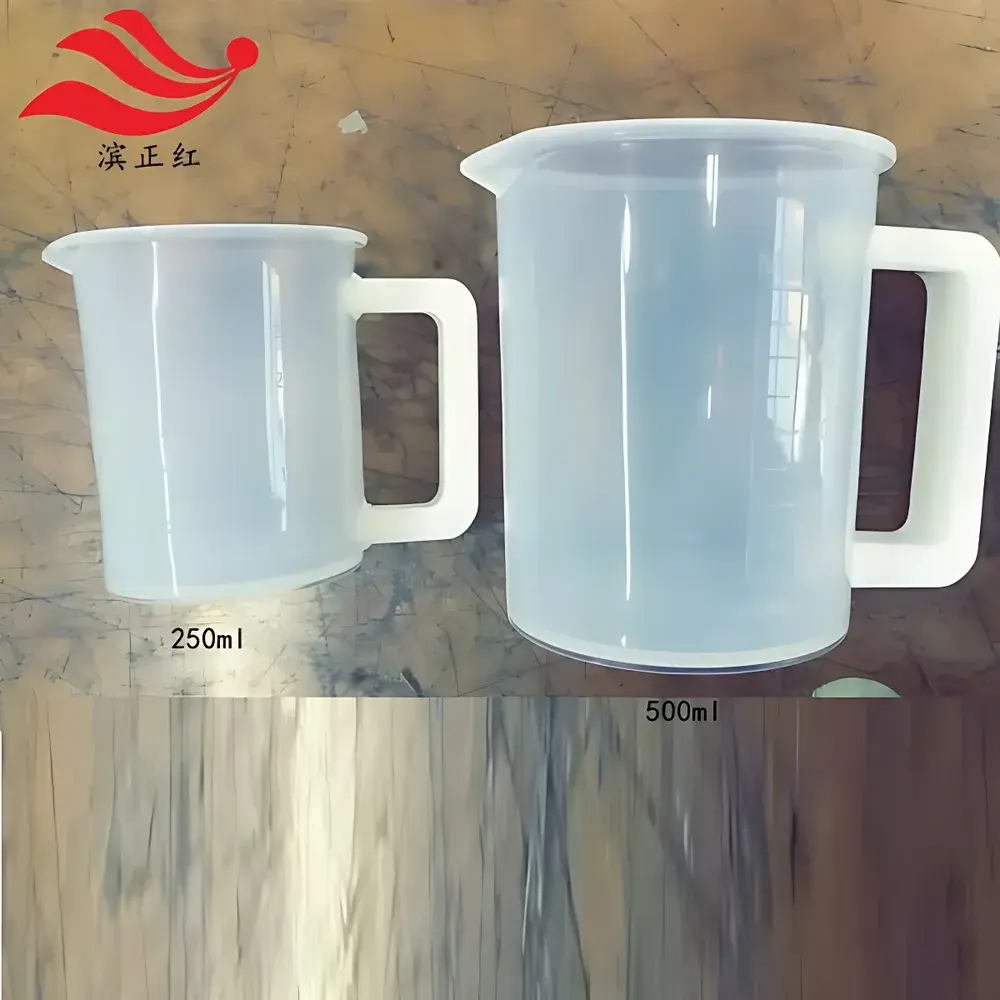
Binzhenghong PFA Graduated Cylindrical Beakers for Wet Etching and CMP Slurry Handling — Electronic-Grade Perfluoroalkoxy (PFA) Labware
| Brand | Binzhenghong |
|---|---|
| Origin | Jiangsu, China |
| Manufacturer Type | Direct Producer |
| Product Category | Domestic Labware |
| Volume Range | 10–2000 mL |
| Pricing | Upon Request |
| Material | ASTM D4894-22 Grade Electronic-Grade PFA |
| Max Operating Temperature | +260 °C |
| Min Operating Temperature | –200 °C |
| Chemical Resistance | HF, Aqua Regia, Concentrated HNO₃/H₂SO₄/NaOH, All Common Organic Solvents |
| Transparency | >90% Visible Light Transmittance |
| Surface Roughness (Ra) | <0.2 µm |
| Compliance | ISO 15223-1, USP Class VI, RoHS 3, REACH SVHC-Free |
Overview
Binzhenghong PFA Graduated Cylindrical Beakers are precision-engineered labware components designed for critical wet processing applications in semiconductor manufacturing, including photomask cleaning, silicon wafer wet etching, chemical mechanical polishing (CMP) slurry preparation and handling, and high-purity reagent storage. Constructed from electronic-grade perfluoroalkoxy alkane (PFA), these beakers operate on the fundamental principle of inert containment: leveraging the fully fluorinated carbon backbone of PFA to eliminate leachable ions, metal contaminants, and organic extractables—ensuring sub-part-per-trillion (ppt) purity retention during aggressive chemical exposure. Unlike molded PTFE or FEP alternatives, PFA offers superior melt-processability while retaining equivalent thermal stability and chemical resistance, enabling seamless one-piece, seam-free fabrication that eliminates potential crevices for particle entrapment or residue accumulation. The cylindrical geometry supports uniform fluid dynamics during stirring or ultrasonic agitation, while the laser-etched or molded volumetric graduations conform to ISO 6772:2021 accuracy class B tolerances for routine quantitative transfer in Class 100 cleanroom environments.
Key Features
- Seamless monolithic construction via high-precision compression molding—no weld lines, joints, or adhesive interfaces that could compromise purity or structural integrity.
- Exceptional optical clarity (>90% transmittance at 550 nm), enabling real-time visual monitoring of reaction progress, precipitate formation, or slurry homogeneity without opening containment.
- Graduated scale calibrated to ISO 6772:2021 Class B tolerances (e.g., ±0.5 mL for 100 mL capacity), with permanent, chemically resistant marking resistant to HF-based etchants and piranha solutions.
- Ultra-low surface energy (critical surface tension ≈ 18 mN/m) and nanoscale surface smoothness (Ra < 0.2 µm) minimize adsorption and facilitate complete recovery of high-value analytes or slurries.
- Thermal resilience across –200 °C to +260 °C with minimal coefficient of thermal expansion (CTE ≈ 1.1 × 10⁻⁴ /°C), maintaining dimensional stability during rapid thermal cycling in wafer cleaning baths or hot acid digestion steps.
Sample Compatibility & Compliance
These beakers are validated for direct contact with ultra-high-purity (UHP) process chemicals used in front-end-of-line (FEOL) fabrication, including buffered oxide etch (BOE), ammonium hydroxide–hydrogen peroxide mixtures (SC-1), hydrochloric acid–hydrogen peroxide (SC-2), and dilute HF formulations. They meet ASTM D4894-22 specifications for fluoropolymer purity, demonstrate zero detectable levels of Na⁺, K⁺, Fe, Ni, Cr, and Al by ICP-MS after 24-hr soak in 49% HF at 60 °C, and comply with SEMI F57-0320 standards for semiconductor-grade plastic labware. Each batch is traceable to raw material lot number and accompanied by a Certificate of Conformance (CoC) listing elemental impurity profiles and residual catalyst analysis.
Software & Data Management
While inherently passive labware, Binzhenghong PFA beakers integrate seamlessly into digitally controlled wet benches and automated dispensing platforms. Their consistent geometry and volume calibration support accurate gravimetric or volumetric dosing when paired with METTLER TOLEDO or Sartorius analytical balances compliant with ISO/IEC 17025. For GMP/GLP-regulated environments, beaker lot numbers can be linked to LIMS entries for full chain-of-custody documentation; all CoCs are archived for ≥15 years per FDA 21 CFR Part 11 requirements for electronic records.
Applications
- Preparation and storage of CMP slurries containing colloidal silica or ceria nanoparticles in acidic or basic media.
- In-situ monitoring of photoresist strip kinetics using sulfuric acid–peroxide mixtures (SPM) under reflux conditions.
- Trace-metal-free digestion of GaN or SiC wafers prior to ICP-OES quantification.
- Calibration standard preparation for ion chromatography (IC) and total organic carbon (TOC) analysis in UPW systems.
- Low-outgassing sample containers for XPS and SIMS surface analysis sample transfer under vacuum.
FAQ
Can these beakers withstand repeated exposure to 49% hydrofluoric acid at elevated temperatures?
Yes—validated for continuous immersion in 49% HF at 60 °C for ≥72 hours with no measurable weight loss, haze development, or dimensional change per ASTM D543.
Are the graduations resistant to abrasion during ultrasonic cleaning with alumina scrubbers?
Yes—laser-etched markings are subsurface and unaffected by ultrasonic cavitation or non-metallic cleaning tools; mechanical wiping with PTFE-coated swabs does not degrade readability.
Do you provide lot-specific certificates of analysis (CoA) for semiconductor customers?
Yes—each shipment includes a CoA reporting ≤0.1 ppb total metallic impurities (by ICP-MS), ≤10 ppt organic extractables (by GC-MS), and full compliance with SEMI F57-0320 Annex A.
What is the maximum recommended autoclave cycle for sterilization?
PFA beakers may be autoclaved at 121 °C, 15 psi for up to 30 minutes; however, repeated cycles above 200 °C are not advised due to gradual crystallinity increase affecting long-term flexibility.



