
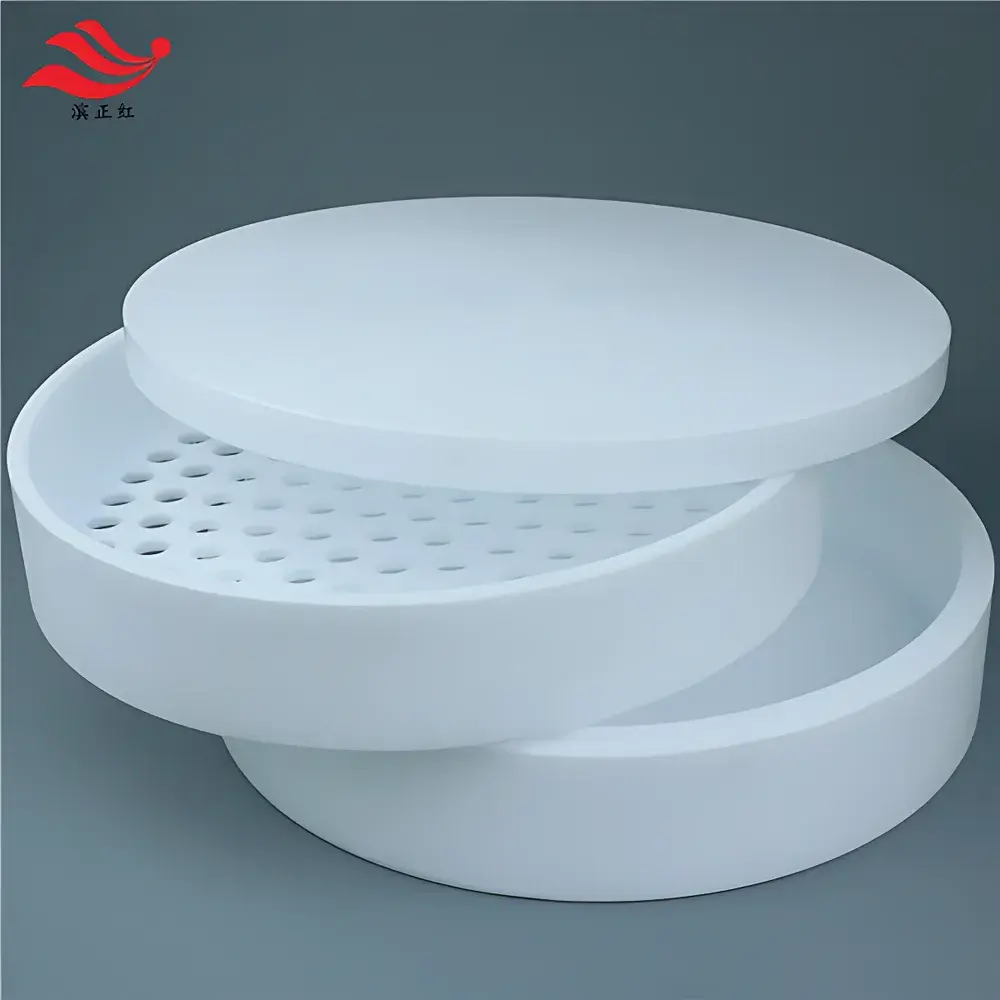
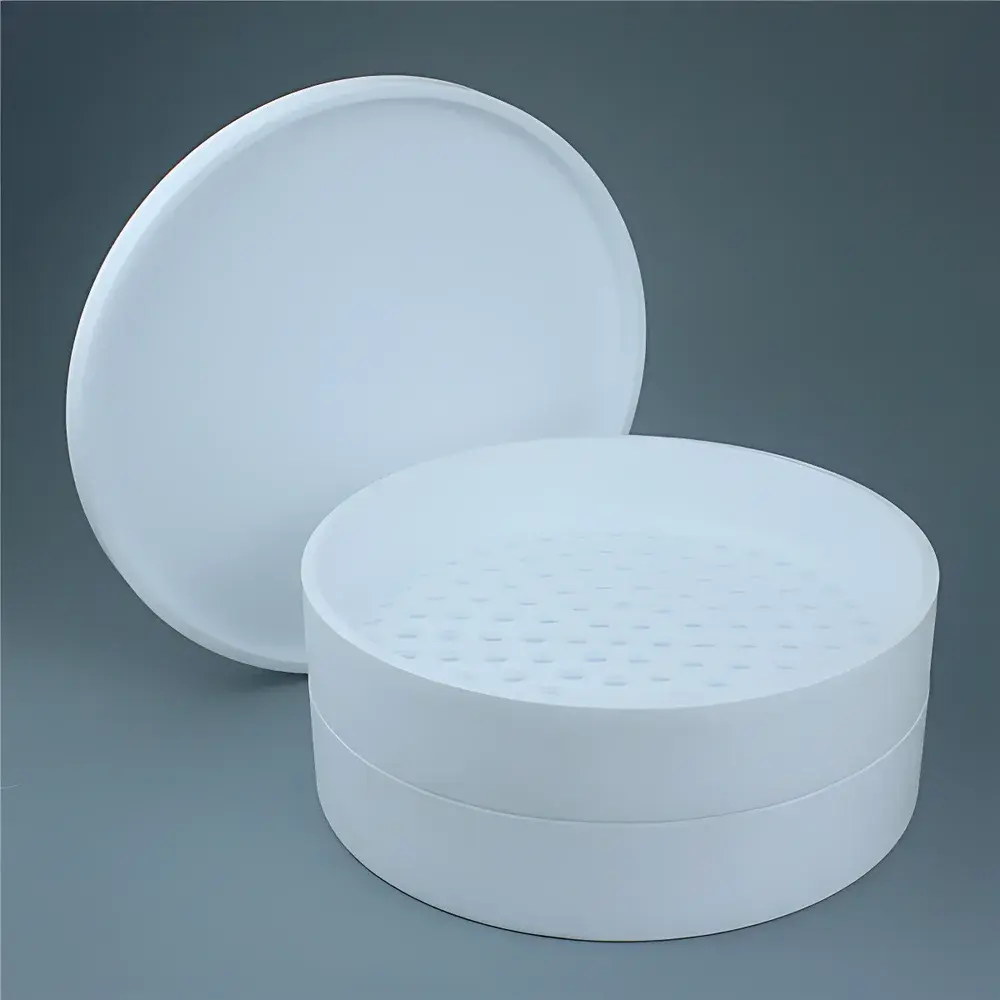
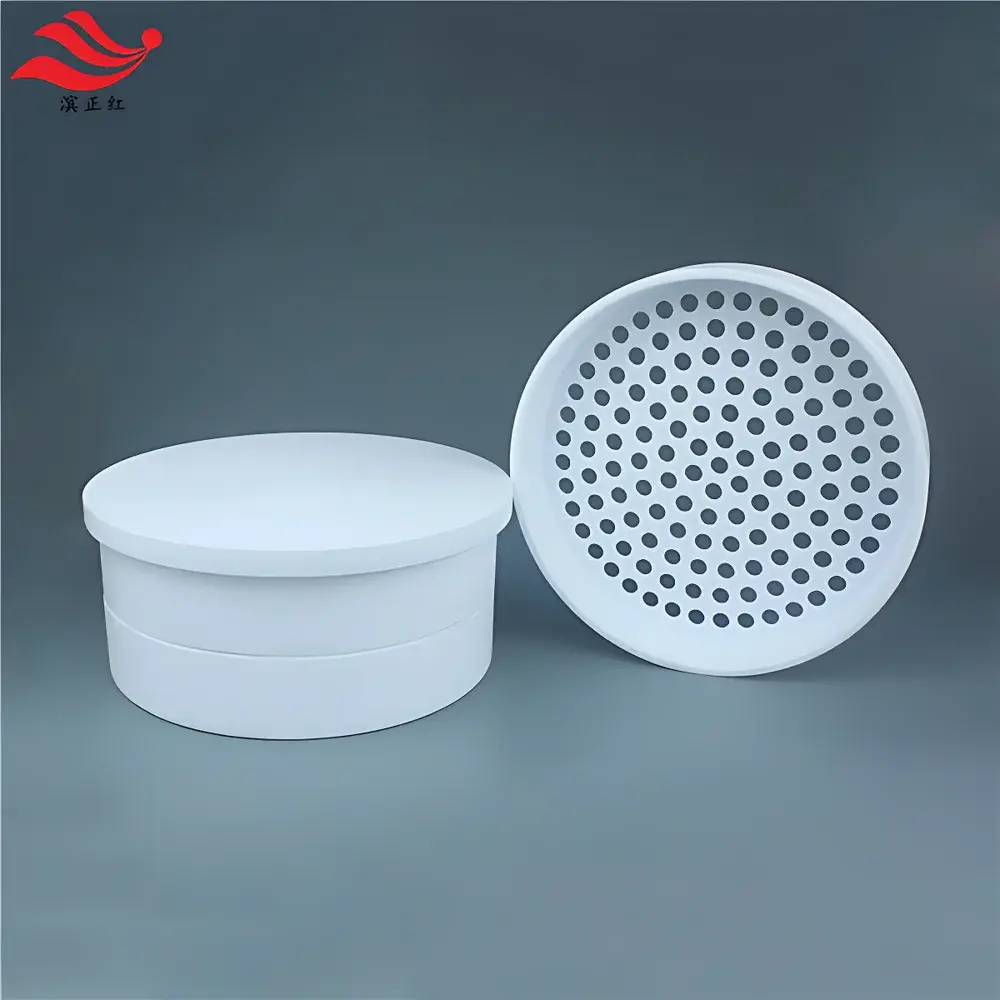
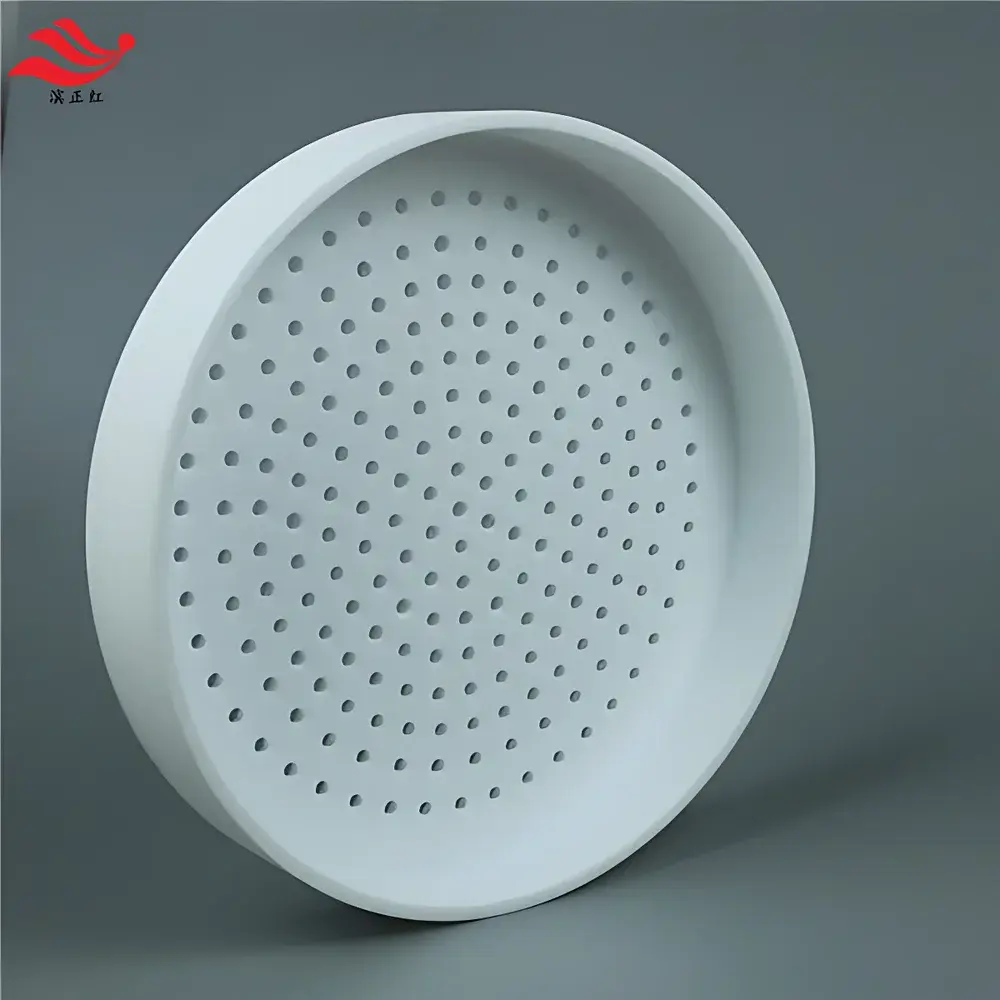
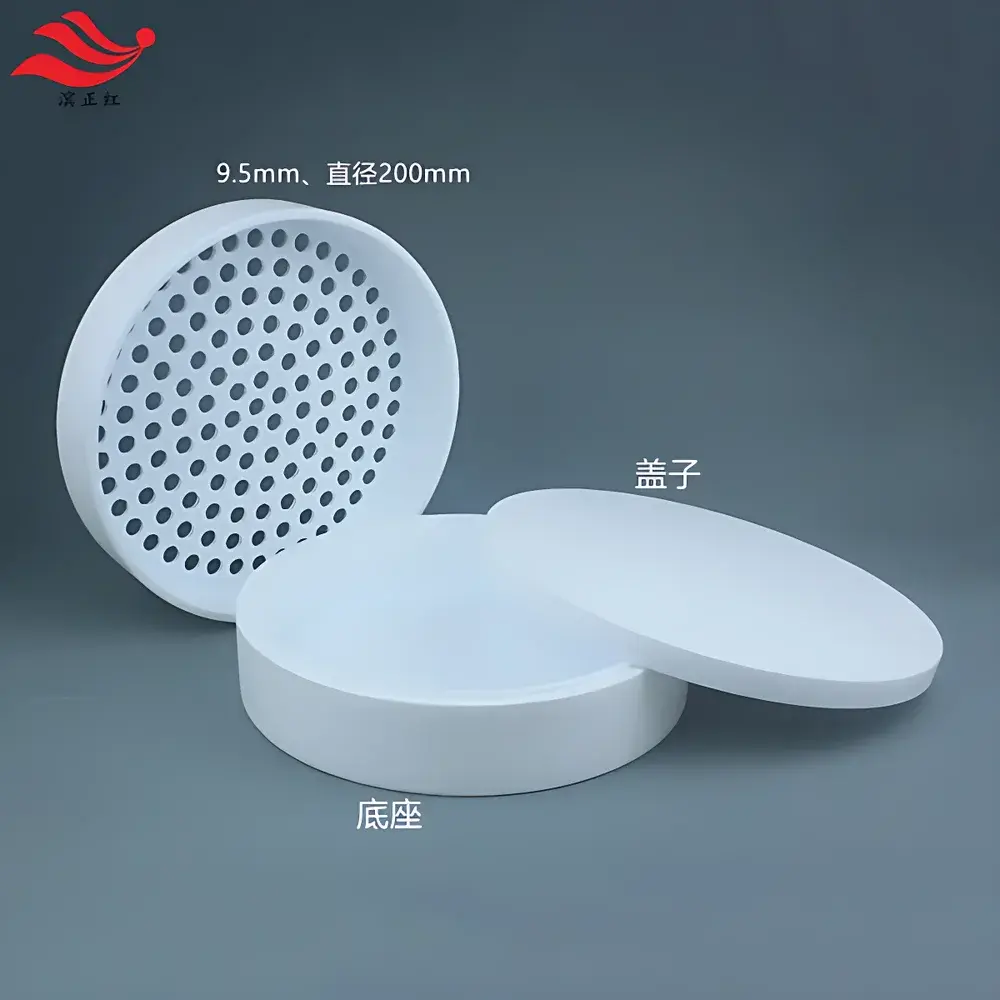
Binzhenghong PTFE-Coated Stainless Steel Test Sieves for Solid Waste Analysis — 200 mm Diameter, Custom Aperture Sizes (e.g., 3 mm, 5 mm, 9.5 mm)
| Brand | Binzhenghong |
|---|---|
| Origin | Jiangsu, China |
| Manufacturer Type | OEM/ODM Producer |
| Country of Origin | China |
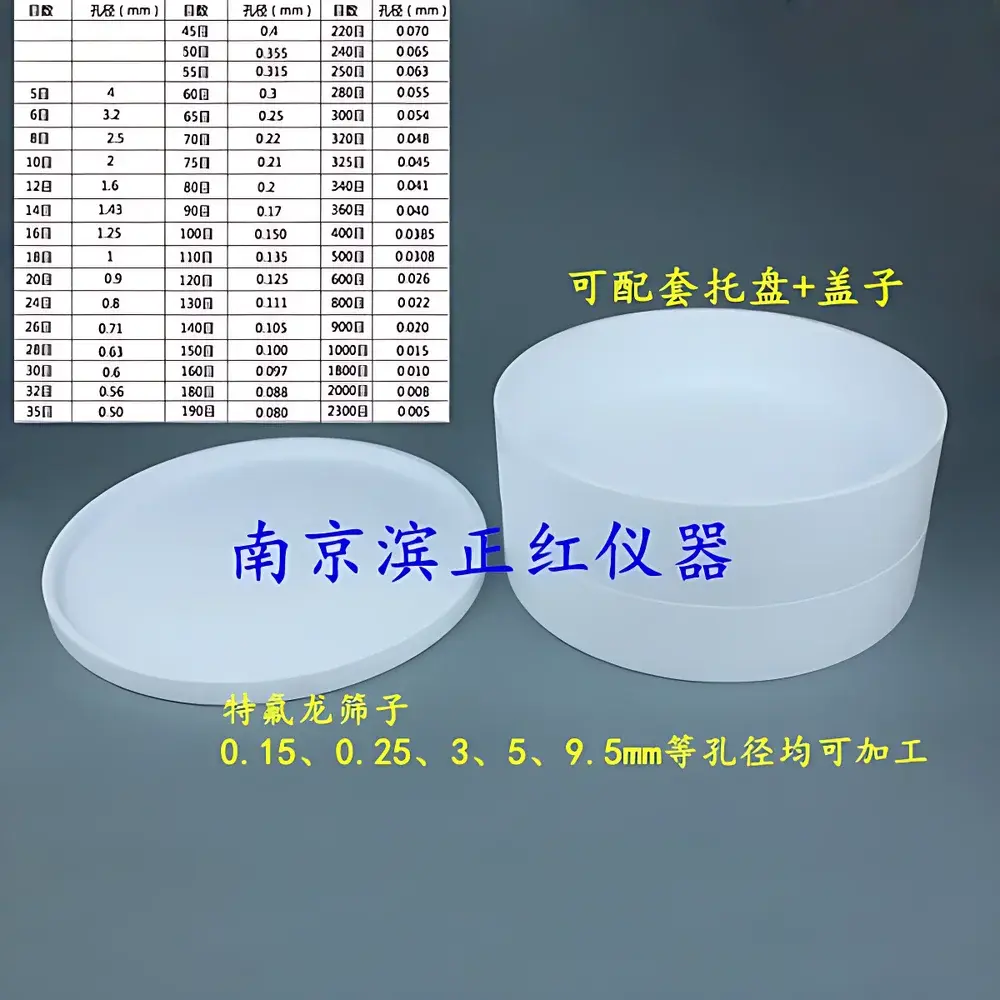
| Available Apertures | 0.15 mm (100 mesh), 0.25 mm (60 mesh), 0.5 mm (35 mesh), 1.0 mm (18 mesh), 2.0 mm (10 mesh), 4.0 mm (5 mesh), 5.0 mm, 9.5 mm, 10.0 mm, 22.4 mm |
| Diameter | 200 mm |
| Material | Stainless steel frame with PTFE-coated woven wire mesh |
| Compliance | Designed to meet HJ/T 557–2007 specifications for solid waste particle size analysis |
Overview
The Binzhenghong PTFE-Coated Stainless Steel Test Sieves are precision-engineered laboratory sieves designed specifically for particle size distribution analysis of heterogeneous solid waste samples in environmental and regulatory testing laboratories. Constructed with a corrosion-resistant stainless steel frame and a uniformly tensioned, fluoropolymer-coated (PTFE) woven wire mesh, these sieves deliver exceptional chemical inertness, non-stick surface properties, and dimensional stability under repeated mechanical agitation or solvent exposure. Unlike standard stainless-steel or nylon sieves, the PTFE coating eliminates sample adhesion—critical when handling hydrophobic microplastics, oily sludges, or sticky organic residues—and ensures high reproducibility in sieve residue recovery. The 200 mm diameter conforms to international standard sieve frame dimensions (ISO 3310-1, ASTM E11), enabling compatibility with standard mechanical sieve shakers and manual shaking protocols. These sieves are explicitly referenced in China’s Environmental Protection Standard HJ/T 557–2007 for the preparation and particle size classification of solid waste samples prior to leaching, toxicity characteristic leaching procedure (TCLP), or physical characterization.
Key Features
- Chemically inert PTFE coating on all mesh surfaces—resists degradation from strong acids, bases, organic solvents, and oxidizing agents commonly used in solid waste pretreatment.
- Precision-calibrated aperture sizes traceable to certified reference standards; available in 13 standard apertures from 0.15 mm (100 mesh) to 22.4 mm (coarse fraction), with full custom aperture and depth options.
- 200 mm nominal diameter with standardized rim height and thickness—ensures interchangeability with ISO-compliant sieve shakers (e.g., Retsch AS 200, Endecotts Octagon) and stackable multi-sieve assemblies.
- Optional PTFE-coated base plates and lids available—enabling closed-system sieving for volatile or hazardous particulates, and preventing cross-contamination during transport or storage.
- High-tensile stainless steel frame (AISI 304) provides structural rigidity and long-term resistance to deformation under vibratory stress or centrifugal loading.
Sample Compatibility & Compliance
These sieves are validated for use across diverse solid matrices including municipal solid waste (MSW), industrial slags, fly ash, compost, contaminated soils, marine sediment, and microplastic-laden water filtration residues. Their PTFE surface significantly improves recovery efficiency for low-density synthetic polymers (<1 g/cm³), where conventional metal meshes suffer from static charge-induced retention. In accordance with HJ/T 557–2007, each sieve is calibrated and labeled with its nominal aperture (in mm) and corresponding mesh number (per ISO 565), and may be supplied with calibration certificates upon request. While not inherently GLP-certified, the design supports audit-ready documentation workflows—including lot traceability, calibration logs, and usage records—required under ISO/IEC 17025-accredited environmental testing laboratories.
Software & Data Management
As passive mechanical instruments, these sieves do not incorporate embedded electronics or digital interfaces. However, they integrate seamlessly into LIMS (Laboratory Information Management Systems) via standardized sample ID labeling (e.g., laser-etched serial numbers or QR-coded PTFE tags). When used with automated sieve shakers equipped with time-controlled vibration profiles and mass balance integration (e.g., Mettler Toledo XP series balances), particle size data can be exported directly to Excel or validated analytical software platforms supporting 21 CFR Part 11–compliant electronic records. Binzhenghong provides technical documentation packages—including dimensional drawings, material certifications (RoHS/REACH), and HJ/T 557–2007 alignment statements—for inclusion in method validation dossiers.
Applications
- Regulatory compliance testing of solid waste for particle size distribution prior to TCLP, SPLP, or EN 12457 leaching protocols.
- Microplastic isolation and quantification from seawater, beach sand, and wastewater treatment plant effluents per ISO 24007 and NOAA SOPs.
- Particle size grading of recycled construction materials, foundry sands, and biomass feedstocks.
- Preparative fractionation of heterogeneous environmental samples before XRF, ICP-MS, or SEM-EDS analysis.
- Cleaning and recovery of fine particulates from extraction solvents without mesh clogging or fiber shedding.
FAQ
Are these sieves compliant with ISO 3310-1 or ASTM E11?
Yes—the 200 mm diameter, rim geometry, and aperture tolerances conform to ISO 3310-1:2016 Class A specifications. Mesh designation follows ASTM E11–22 nomenclature, and calibration reports can be provided upon order.
Can I request a calibration certificate with NIST-traceable verification?
Calibration certificates referencing ISO/IEC 17025-accredited third-party metrology labs are available as an optional add-on service.
What is the maximum operating temperature for PTFE-coated mesh?
Continuous use up to 260 °C is permissible; short-term exposure up to 300 °C is acceptable but may accelerate coating wear over repeated cycles.
Do you offer stackable sieve sets with alignment pins?
Yes—custom multi-tier stacks (up to 7 layers) with precision-machined stainless-steel alignment sleeves and PTFE-coated retaining clamps are available for sequential dry/wet sieving workflows.
Is the PTFE coating applied to both sides of the mesh?
Yes—the entire wire surface—including top, bottom, and interstitial voids—is uniformly coated to prevent preferential adsorption and ensure symmetrical flow dynamics.







