
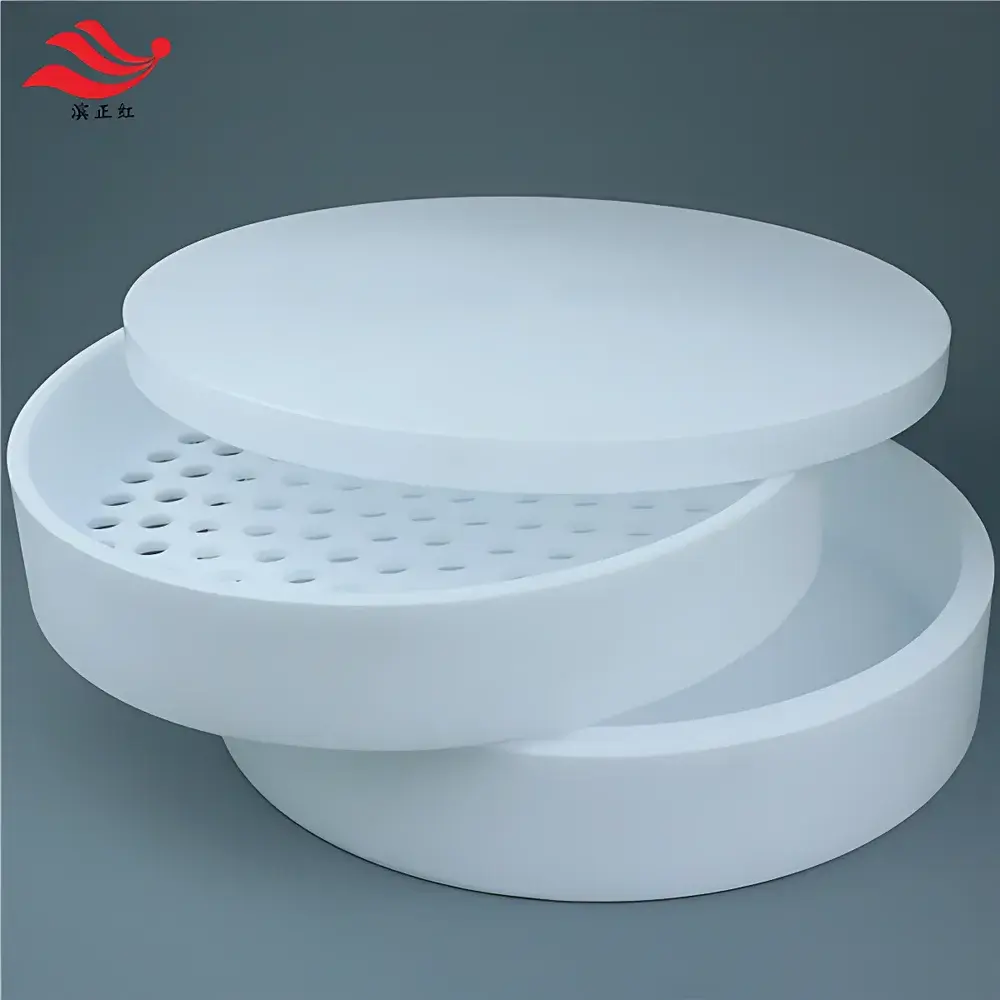
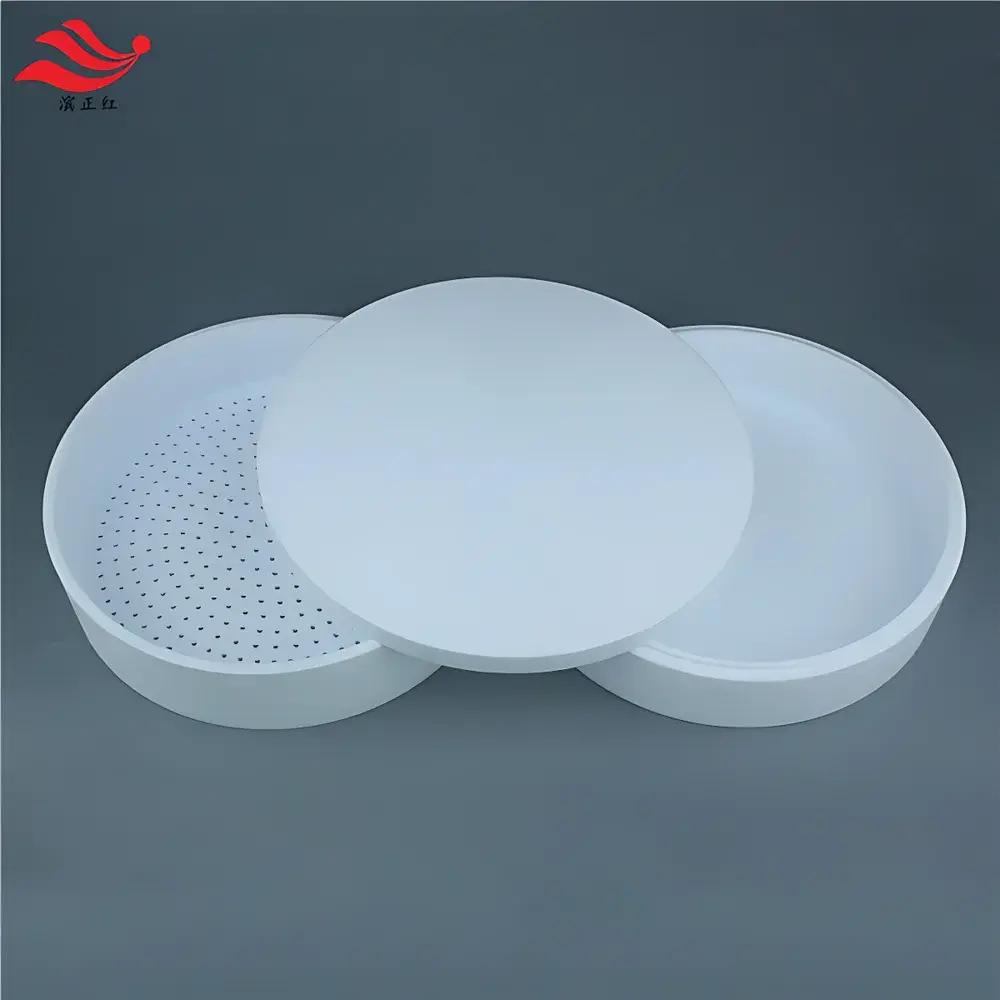
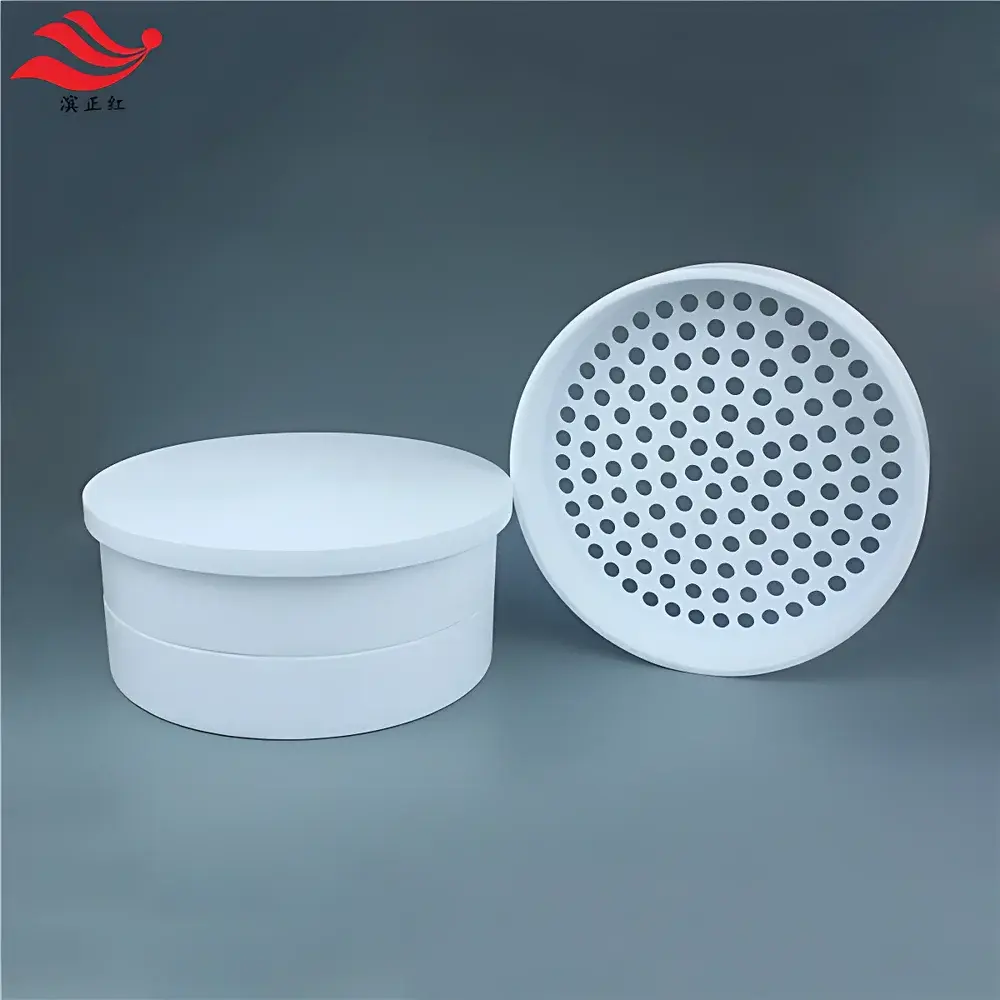
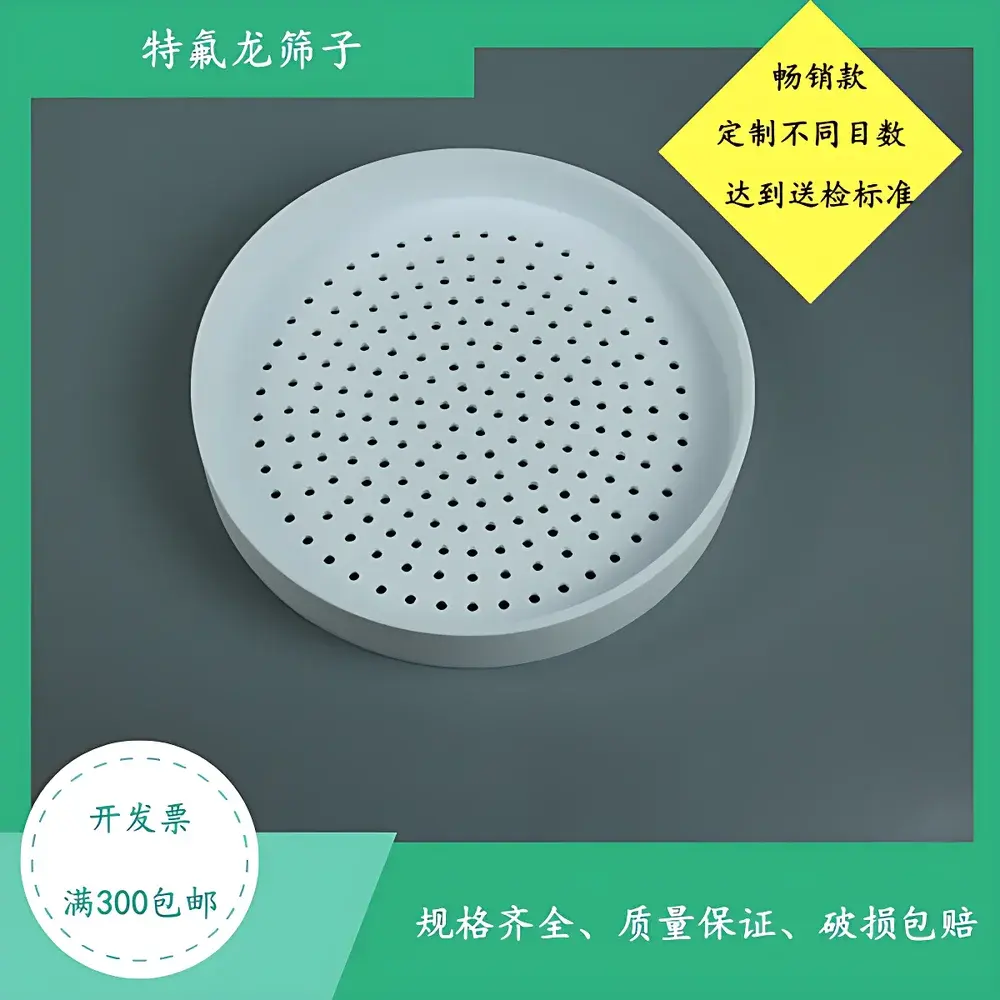
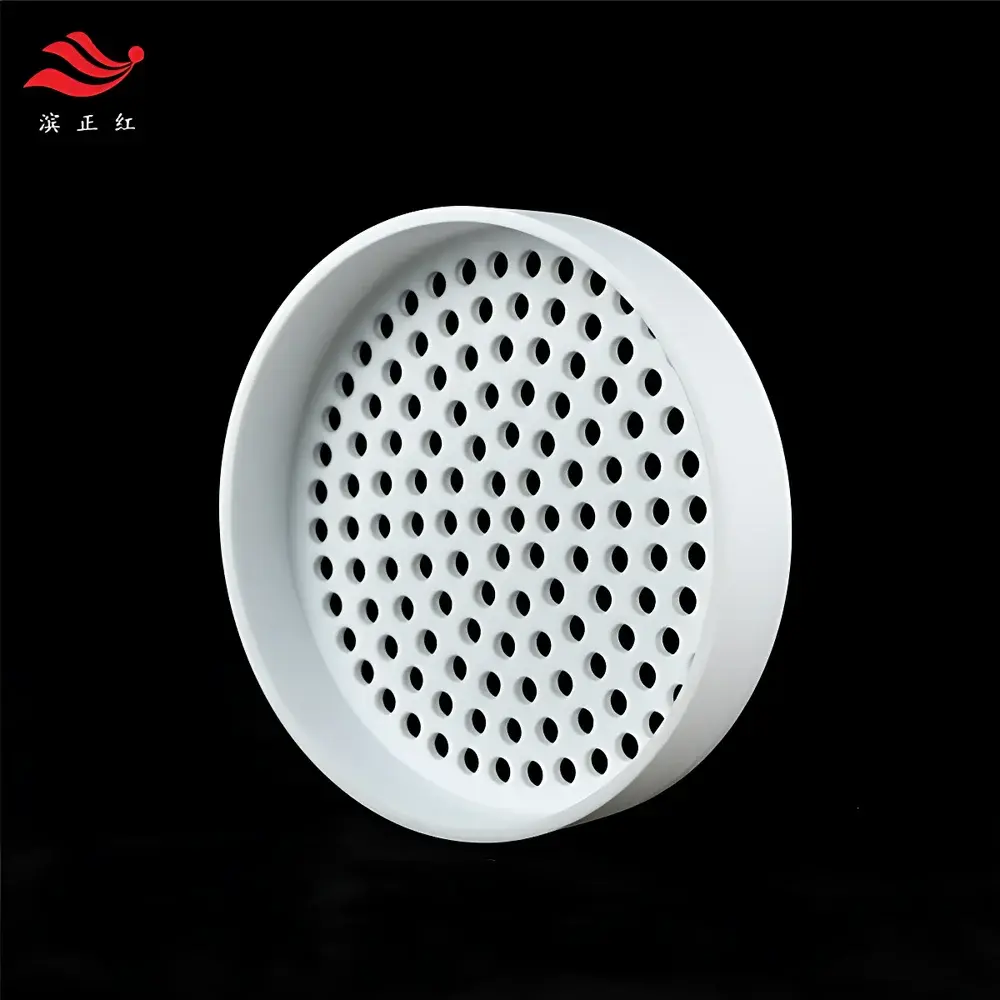
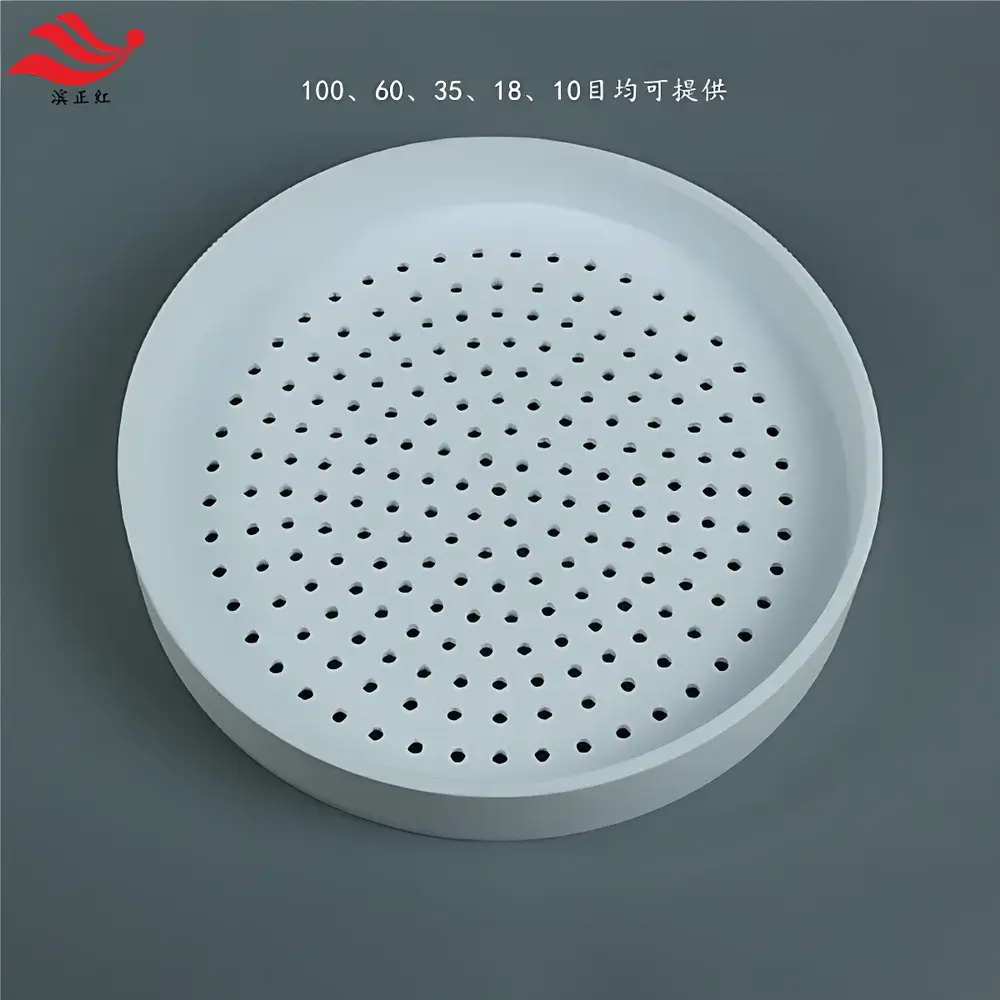
Binzhenghong PTFE-Coated Standard Test Sieve, 9.5 mm Aperture, for Solid Waste Characterization and Microplastic Separation
| Brand | Binzhenghong |
|---|---|
| Origin | Jiangsu, China |
| Manufacturer Type | Direct Manufacturer |
| Product Origin | Domestic (China) |
| Available Apertures | 3 mm, 5 mm, 9.5 mm |
| Pricing | Upon Request |
Overview
The Binzhenghong PTFE-coated standard test sieve with a nominal aperture of 9.5 mm is engineered for precise particle size classification and physical characterization of heterogeneous solid waste matrices in compliance with HJ/T 557–2007 — the Chinese Environmental Protection Industry Standard for solid waste sampling and preparation. This sieve operates on the principle of mechanical sieving, where particles are separated based on their ability to pass through a geometrically defined orifice under controlled agitation. Its fluoropolymer coating ensures chemical inertness, non-stick surface behavior, and resistance to acid/alkali corrosion—critical when handling leachates, digested sludge, soil extracts, or marine sediment samples containing organic contaminants or microplastics. Unlike conventional stainless-steel or brass sieves, this PTFE-coated variant minimizes sample adhesion and cross-contamination, supporting trace-level analysis workflows required in environmental monitoring laboratories accredited to ISO/IEC 17025.
Key Features
- PTFE (polytetrafluoroethylene) coating applied uniformly across the entire sieve mesh surface, providing exceptional chemical resistance and low surface energy for effortless sample release.
- Precision-machined 9.5 mm square or round aperture geometry, manufactured to tolerance limits specified in HJ/T 557–2007 for reproducible dry/wet sieving outcomes.
- Standard 200 mm diameter sieve frame compatible with common laboratory sieve shakers (e.g., Retsch AS 200, Endecotts Octagon 200), including stackable configurations for multi-stage fractionation.
- Optional accessories include PTFE-coated base trays and dust-tight lids—designed to prevent sample loss during transport or vibration-based separation protocols.
- Customizable aperture sizes (3 mm, 5 mm, 9.5 mm, and others upon request), enabling method-specific adaptation for EPA Method 9071B (microplastic isolation), ASTM D6913 (particle-size analysis of soils), or ISO 13320-compliant granulometric studies.
Sample Compatibility & Compliance
This sieve is validated for use with solid waste streams including municipal solid waste (MSW) fractions, construction and demolition debris, compost feedstock, dredged sediments, and seawater-filtered microplastic concentrates. Its inert PTFE surface eliminates metal ion leaching risks during acidic digestion steps or prolonged contact with saline matrices. The device conforms to the dimensional and performance criteria outlined in HJ/T 557–2007 for solid waste particle size distribution testing and supports data integrity requirements under GLP (Good Laboratory Practice) frameworks. While not certified to ISO 565 or ISO 3310-1 as a metrological reference standard, its fabrication process aligns with industry practices for routine analytical sieving applications in regulated environmental labs.
Software & Data Management
As a passive mechanical tool, the sieve does not integrate with digital control systems or software platforms. However, it is fully compatible with laboratory information management systems (LIMS) when used within documented SOPs that define sieve calibration frequency, cleaning validation procedures, and traceability logs for each batch-tested sample. For audit readiness, users are advised to record aperture verification data (e.g., optical microscope measurement of three random locations per sieve) in accordance with FDA 21 CFR Part 11–aligned electronic record retention policies.
Applications
- Pre-sieving step in solid waste characterization prior to heavy metal extraction (e.g., TCLP or SPLP protocols).
- Size-fractionation of marine sediment samples to isolate >9.5 mm debris for macroplastic inventory and morphological assessment.
- Removal of coarse particulates from liquid suspensions prior to filtration-based microplastic quantification (e.g., following EPA 1611 or ISO/CD 24097).
- Routine quality control of compost maturity via particle size distribution profiling per PAS 100 or USCC standards.
- Supporting tiered sieving strategies in geotechnical testing of landfill cover materials per ASTM D1140.
FAQ
Is this sieve calibrated and supplied with a certificate of conformance?
No formal calibration certificate is provided; however, aperture dimensions are verified during production using optical profilometry, and documentation can be supplied upon request for internal QA records.
Can I use this sieve for wet sieving with aqueous solvents?
Yes—the PTFE coating is stable in water, ethanol, acetone, and dilute acid/base solutions up to pH 2–12 at ambient temperature. Avoid exposure to molten alkali metals or fluorinating agents.
What is the maximum operating temperature?
Continuous use is rated up to 260 °C; short-term exposure up to 300 °C is permissible but may affect long-term coating integrity.
Do you offer mesh certification to ISO 3310-1?
Not by default; however, third-party mesh certification services can be coordinated upon order placement.
Are replacement meshes available separately?
Yes—custom PTFE-coated meshes in various apertures (including 9.5 mm) are available as spare parts for frame reuse.



