
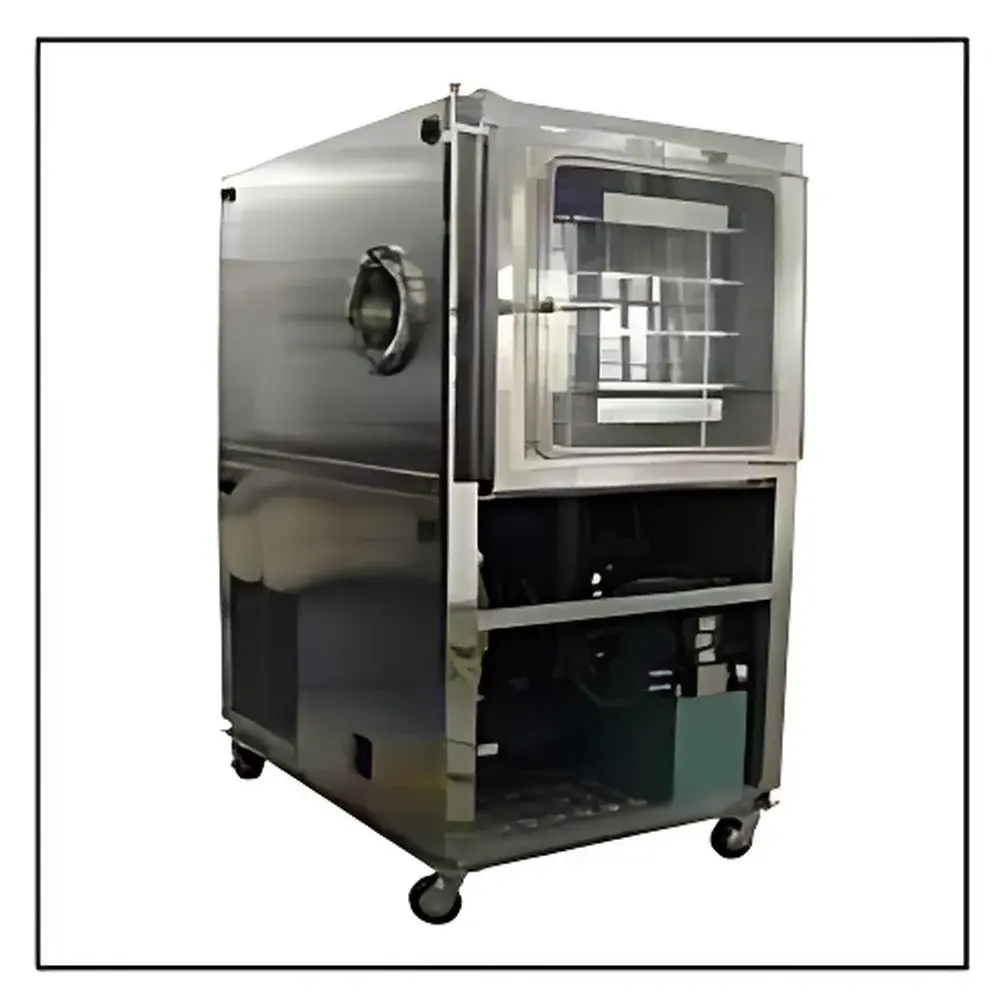
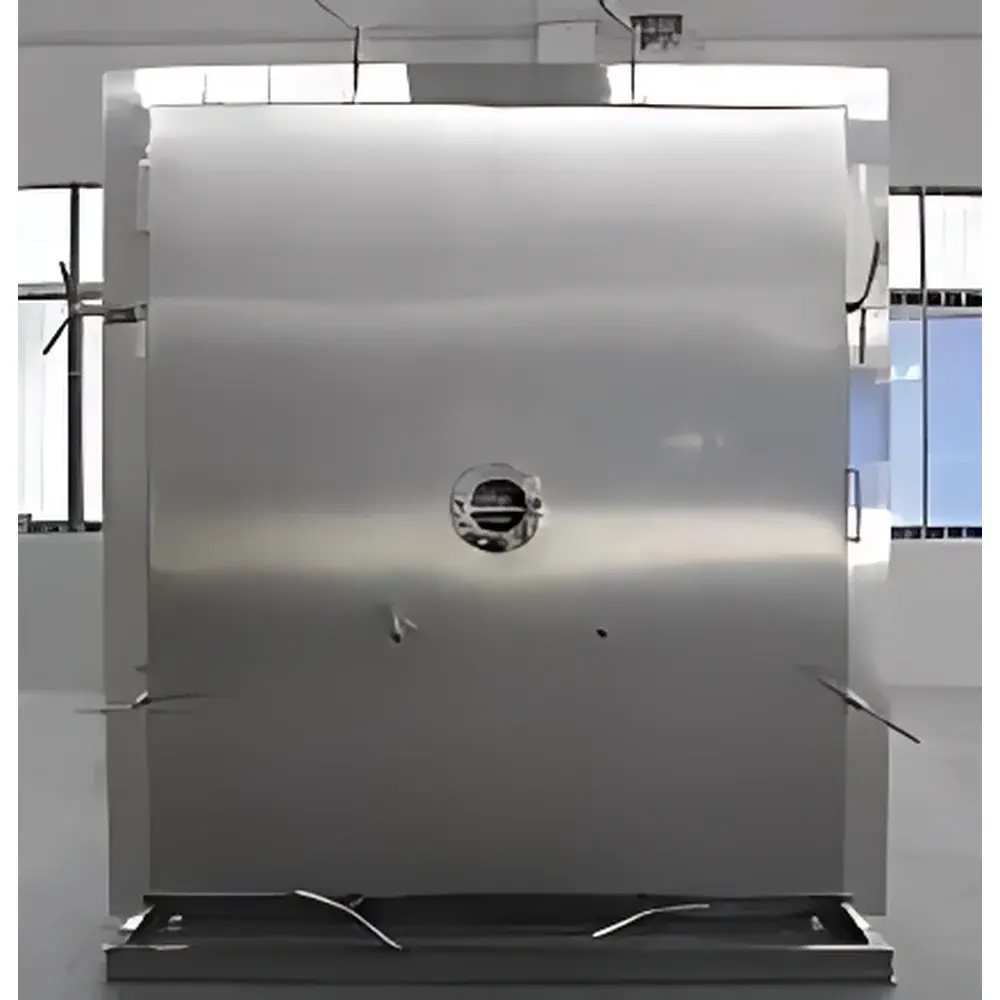
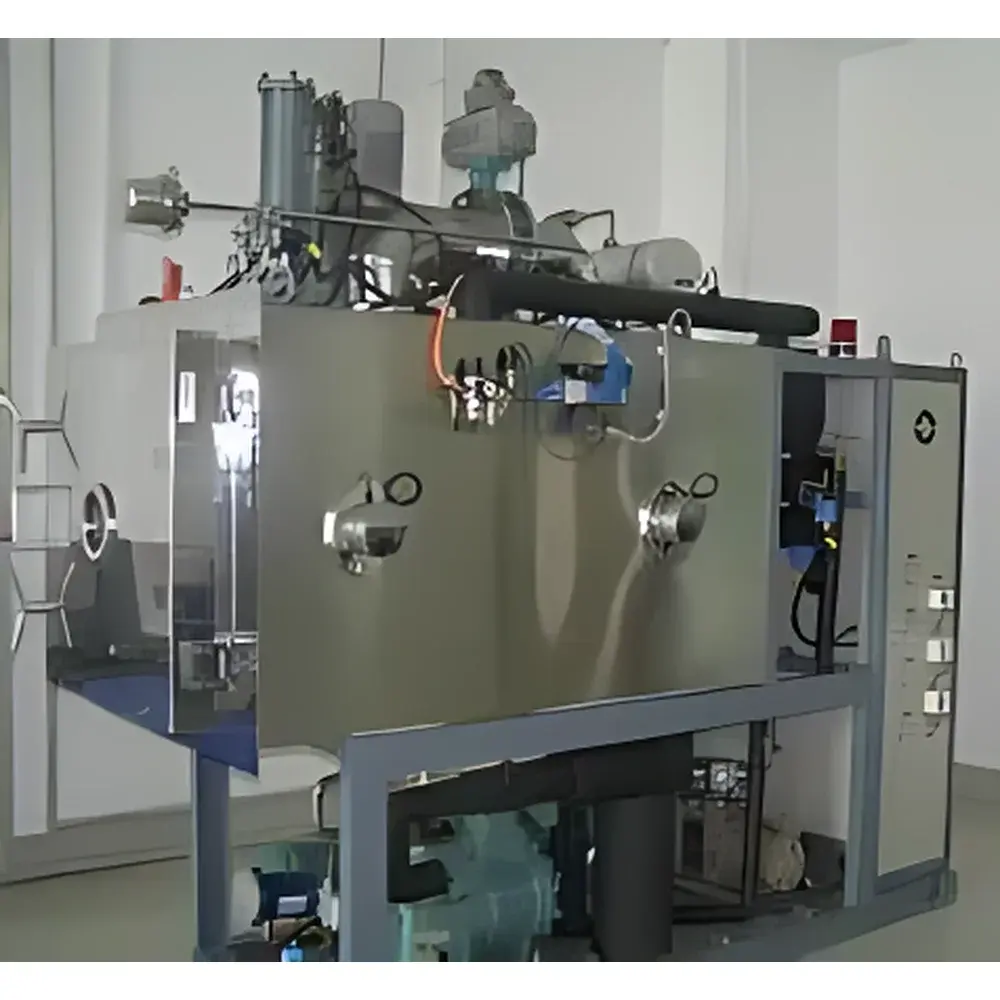
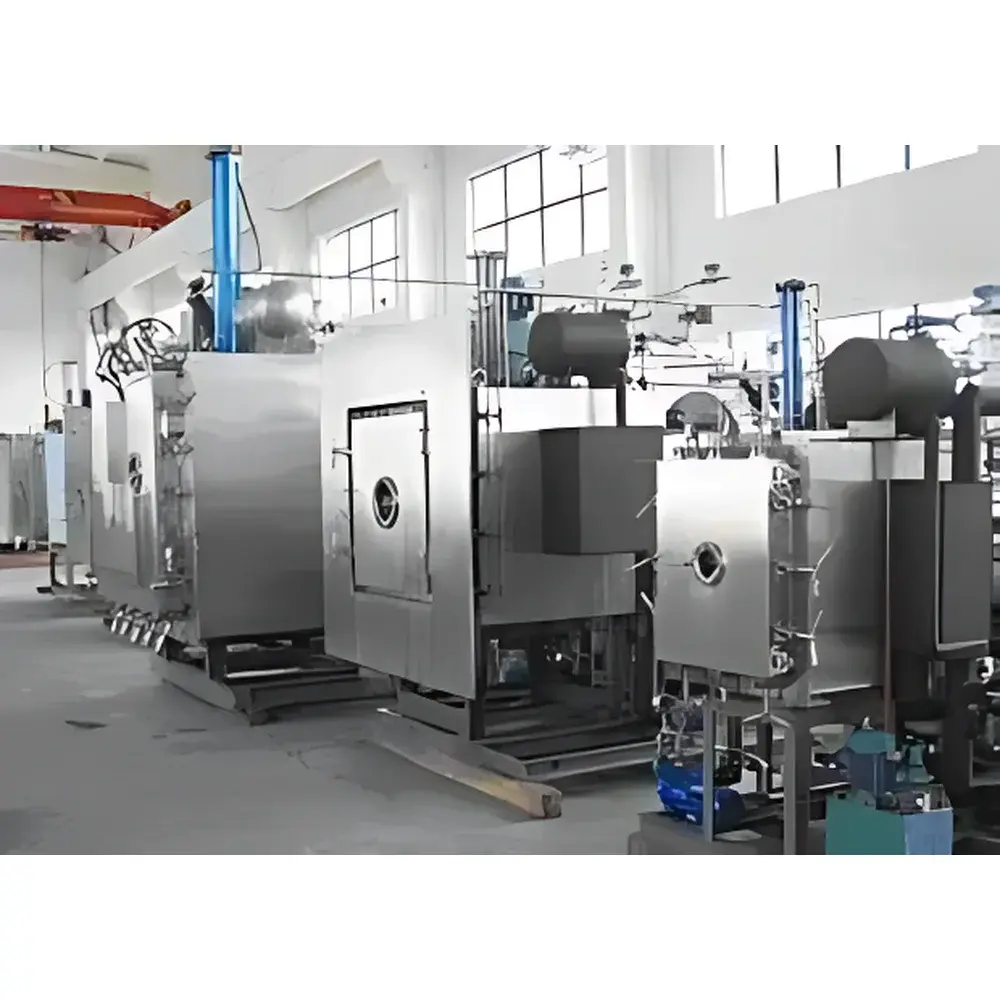
BIOCOOL Pilot10-15T Pilot-Scale Freeze Dryer
| Brand | BIOCOOL |
|---|---|
| Origin | Beijing, China |
| Manufacturer Type | Authorized Distributor |
| Country of Origin | China |
| Model | Pilot10-15T (Fully Automated Pilot-Scale Freeze Dryer) |
| Instrument Type | Shelf-Type Freeze Dryer |
| Application Scope | Pilot-Scale Processing |
| Lyophilization Area | 1 m² |
| Ultimate Vacuum | ≤ 2.5 Pa |
| Condensate Capacity (24 h) | 15 kg/24 h |
| Cold Trap Temperature | ≤ −80 °C |
| Shelf Temperature Range (Empty Load) | ≤ −50 °C |
| Shelf Dimensions | 350 mm × 600 mm |
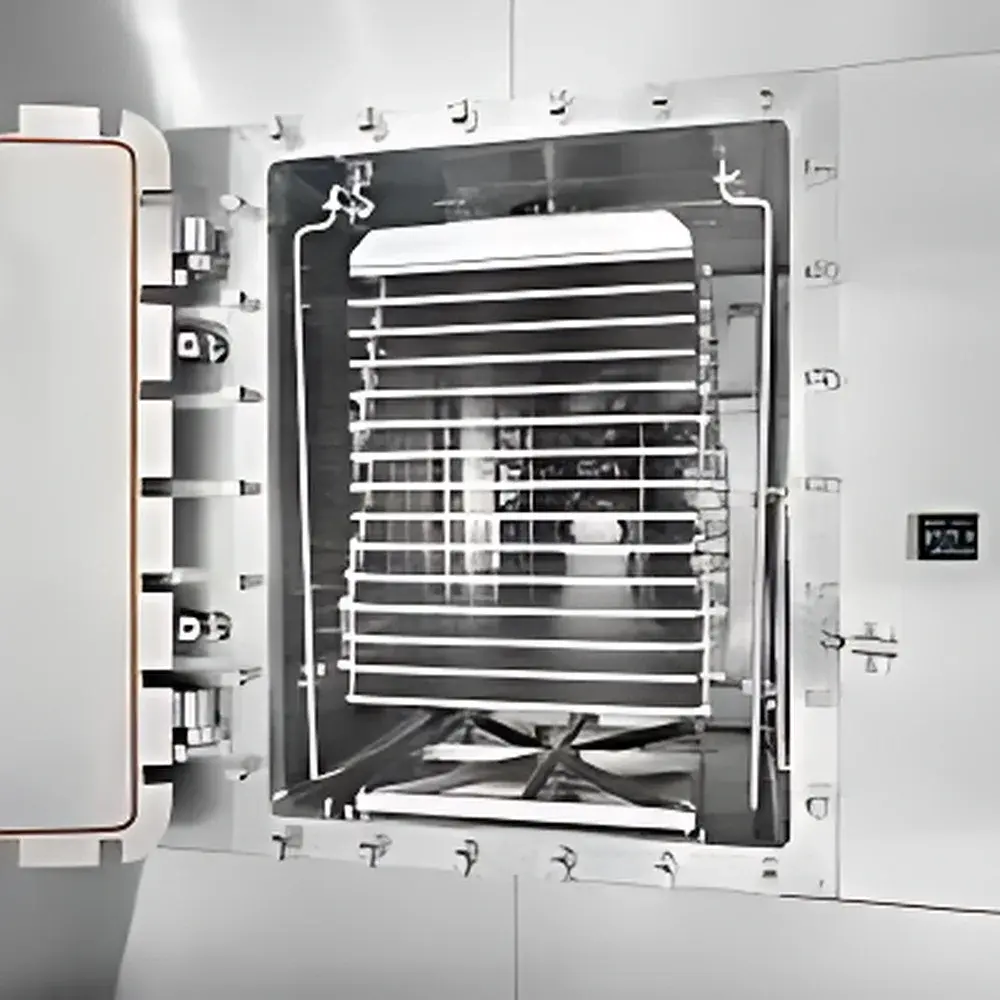
| Number of Shelves | 5 + 1 Radiant Shelf |
| Shelf Spacing | 70 mm |
| Installed Power | 8 kW (3-phase) |
| Unit Dimensions (W×D×H) | ~880 × 2200 × 1900 mm |
| Unit Weight | ~1200 kg |
| Noise Level | ≤ 70 dB(A) |
Overview
The BIOCOOL Pilot10-15T is a fully automated, GMP-aligned pilot-scale freeze dryer engineered for process development, scale-up validation, and small-batch manufacturing in pharmaceutical, biotechnology, and academic research environments. It operates on the fundamental principles of lyophilization—sequential freezing, primary drying (sublimation under vacuum), and secondary drying (desorption)—to preserve thermolabile compounds while maintaining structural integrity, biological activity, and long-term stability. Designed for reproducible transition from laboratory to production, the system integrates precision temperature control across five actively cooled shelves plus one radiant shelf, a high-efficiency cold trap capable of sustained operation at ≤ −80 °C, and a robust vacuum system achieving ≤ 2.5 Pa ultimate pressure. Its 1 m² shelf area supports standardized pharmaceutical formats—including up to 2,268 × 22 mL vials—and accommodates ≥15 kg of aqueous load per 24-hour cycle, making it suitable for formulation optimization, stability studies, and clinical batch production.
Key Features
- Fully automated control architecture with programmable freeze-drying cycles, real-time parameter logging, and alarm-triggered safety interlocks.
- Five independently controlled stainless-steel shelves (350 mm × 600 mm) plus one radiant shelf, spaced at 70 mm intervals for uniform heat transfer and scalable loading configurations.
- Cold trap engineered for continuous condensation of water vapor at ≤ −80 °C (empty load), ensuring stable vacuum integrity during extended primary drying phases.
- Shelf temperature range down to ≤ −50 °C (empty load), supporting rapid freezing of diverse formulations including proteins, vaccines, and monoclonal antibodies.
- Compliance-ready mechanical design adhering to GB/T 5226.1–1996 (equivalent to IEC 60204-1), with electrical safety certification, CE-marked components, and documentation traceability for IQ/OQ/PQ execution.
- Low-noise operation (≤ 70 dB[A]) and compact footprint (~880 × 2200 × 1900 mm) optimized for ISO Class 7/8 cleanroom integration or dedicated pilot labs.
Sample Compatibility & Compliance
The Pilot10-15T accommodates a broad spectrum of sample types: sterile liquid pharmaceuticals in 22 mL serum vials, bulk solutions in trays, lyophilized diagnostics reagents, and biopolymer gels. Its shelf geometry and thermal uniformity support both stopper-on and stopper-off configurations, enabling vial-based endpoint determination via pressure rise test (PRT) or tunable diode laser absorption spectroscopy (TDLAS) integration. The system is constructed and validated in alignment with Annex 1 of EU GMP, USP , and FDA guidance on lyophilization process validation. Full documentation packages—including FAT/SAT protocols, calibration certificates for PT100 sensors and Pirani/Penning gauges, and material traceability (316L SS contact surfaces)—are provided to support regulatory submissions and GLP/GMP audits.
Software & Data Management
Equipped with BIOCOOL’s proprietary LyoControl™ v4.2 software, the Pilot10-15T delivers compliant data handling per 21 CFR Part 11 requirements: role-based user access, electronic signatures, audit trail with immutable timestamping, and encrypted data export (CSV, PDF, XML). Cycle recipes are version-controlled; deviations trigger automatic event logging and email alerts. Raw sensor data—including shelf temperature (±0.3 °C accuracy), chamber pressure (±0.1 Pa resolution), and condenser temperature—is sampled at 1 Hz and archived locally with optional cloud backup. Integration with LIMS and MES platforms is supported via OPC UA and Modbus TCP protocols.
Applications
- Pharmaceutical process development: mapping critical quality attributes (CQAs) against critical process parameters (CPPs) such as shelf ramp rate, annealing hold, and primary drying shelf temperature.
- Clinical trial material production: manufacturing Phase I–III batches under documented, auditable conditions meeting ICH Q5C and Q5A requirements.
- Biotherapeutic stabilization: lyophilizing monoclonal antibodies, viral vectors, and mRNA-LNPs with minimal aggregation or degradation.
- Academic and CRO research: kinetic modeling of ice nucleation, mass transfer resistance, and collapse temperature (Tc’) determination via micro-thermal analysis.
- Contract manufacturing support: serving as a bridge between R&D lyophilizers (e.g., Labconco FreeZone) and production-scale units (e.g., SP Scientific Virtis Genesis).
FAQ
What regulatory standards does the Pilot10-15T comply with?
It conforms to GB/T 5226.1–1996 (IEC 60204-1), EU GMP Annex 1, USP , and supports validation activities aligned with FDA Process Validation Guidance (2011) and ICH Q5C.
Can the system be qualified for GMP manufacturing?
Yes—full IQ/OQ/PQ documentation templates, calibrated instrumentation records, and vendor-supported protocol execution are available upon request.
Is remote monitoring supported?
Yes, via secure HTTPS web interface and optional VPN-configurable Ethernet connection with real-time dashboard and SMS/email alerting.
What maintenance intervals are recommended?
Vacuum pump oil change every 500 operational hours; cold trap cleaning and shelf surface passivation annually; full system calibration biannually per ASTM E2500-13 guidelines.
Does it support PAT integration?
Yes—RS-485 and analog 4–20 mA outputs enable connection to third-party probes (e.g., FDB, NIR, Raman) for real-time critical quality attribute monitoring.
Related Products



