
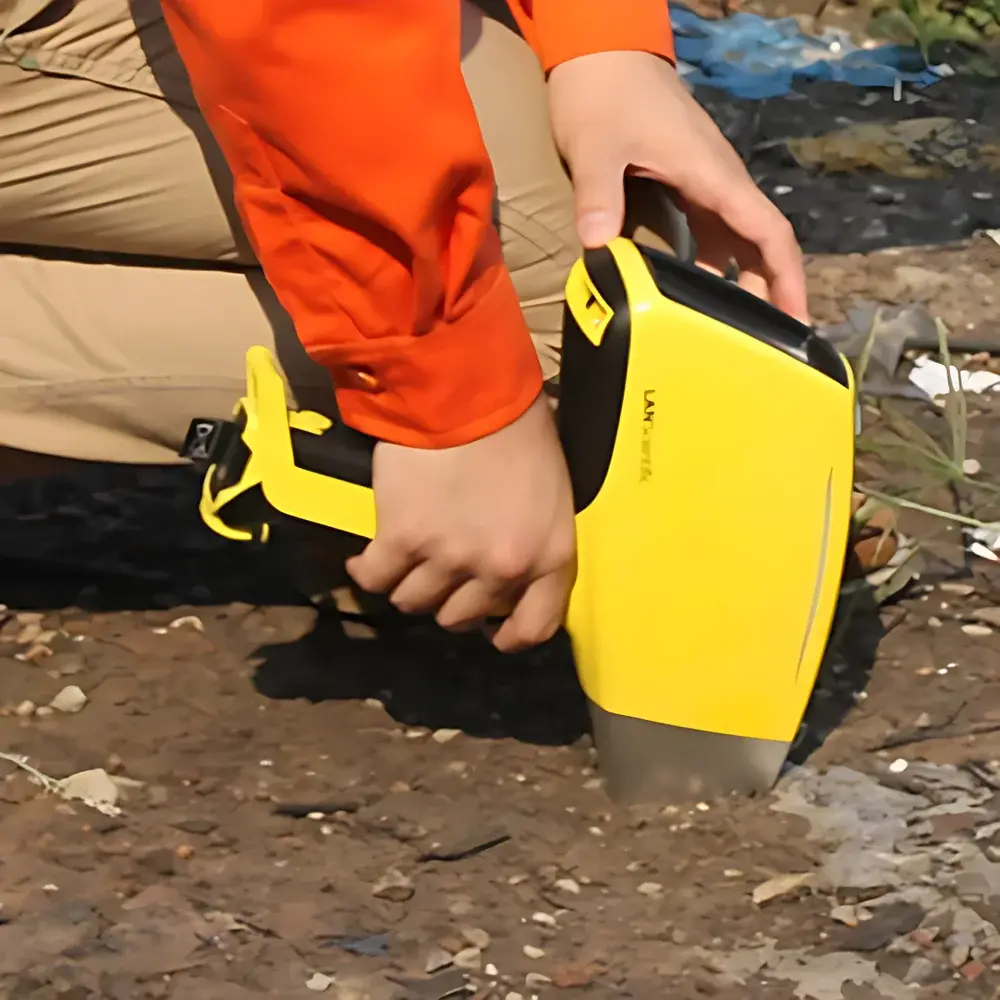
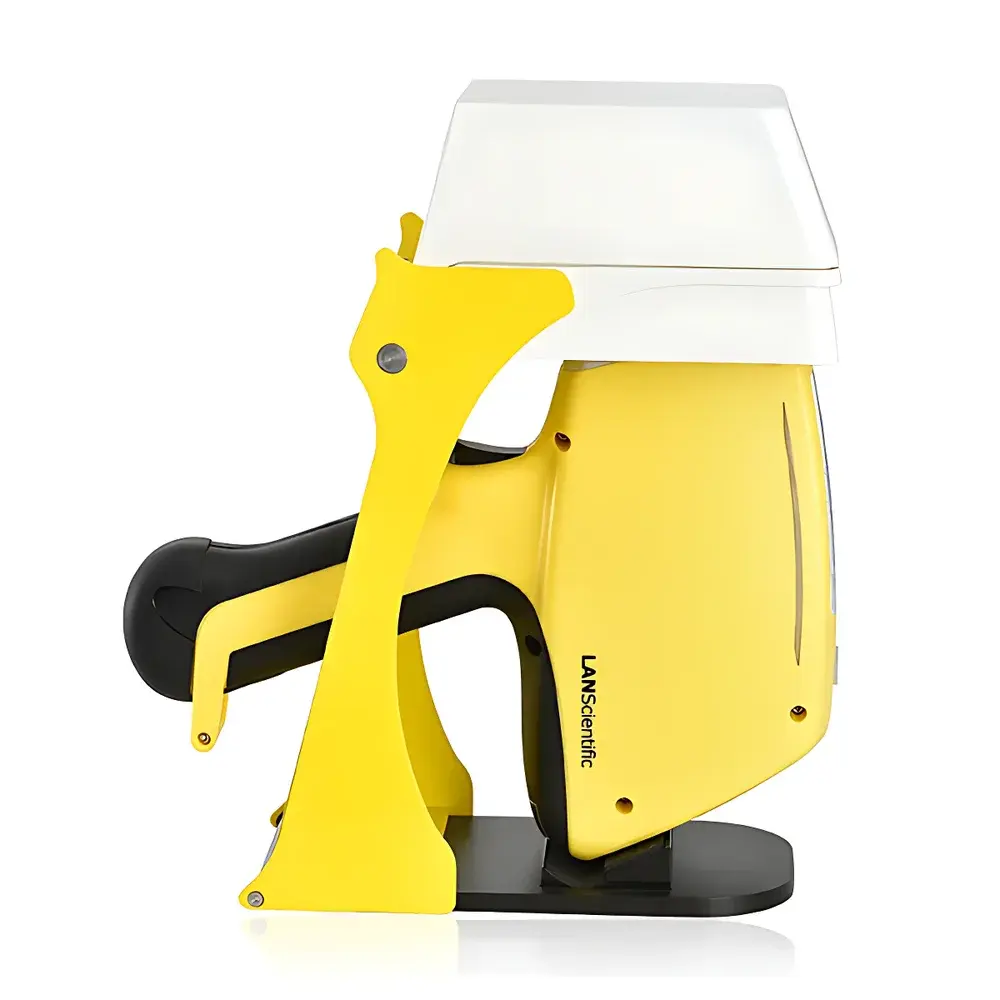
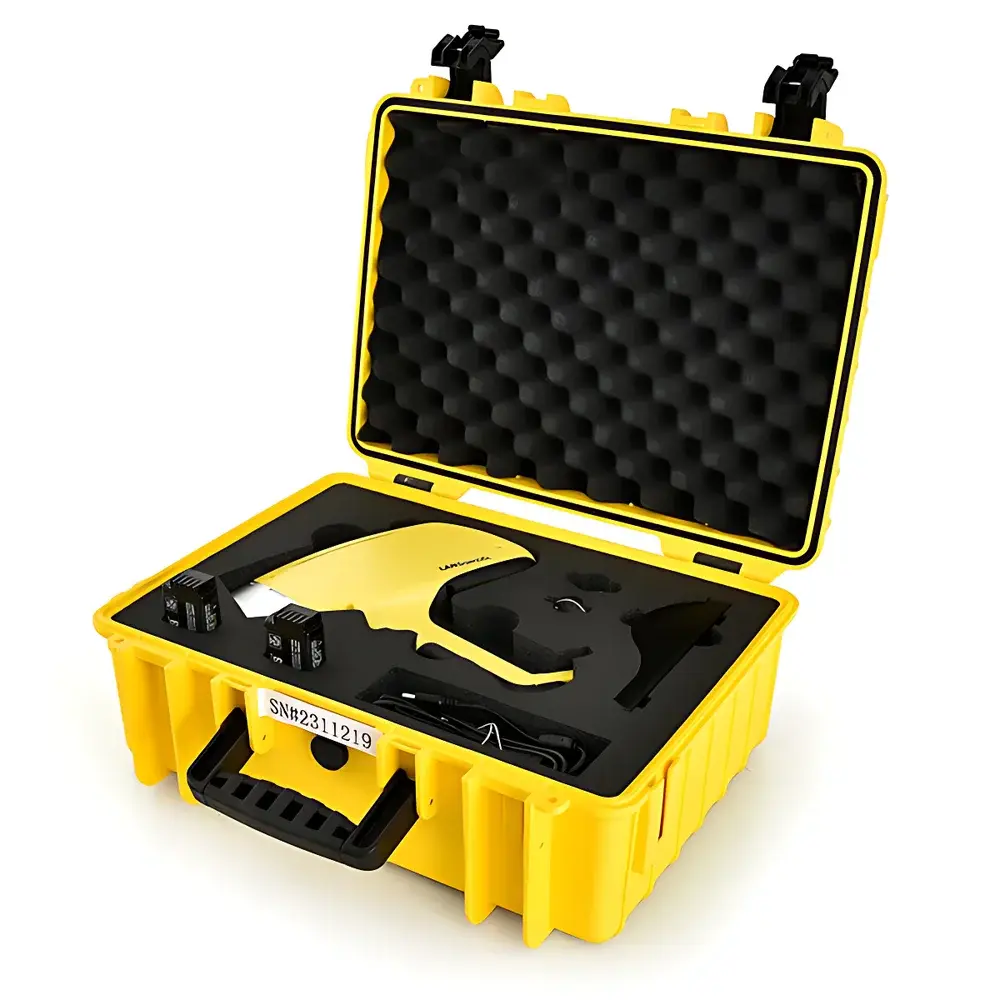
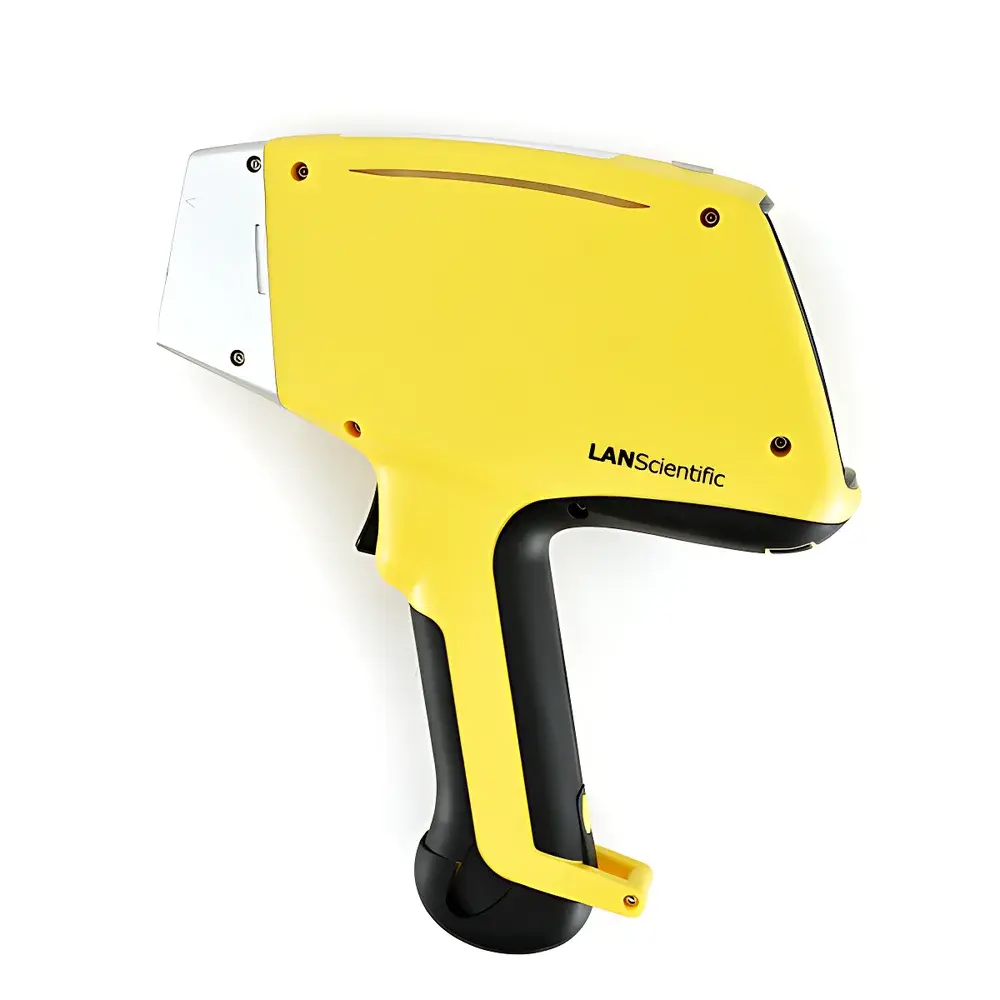
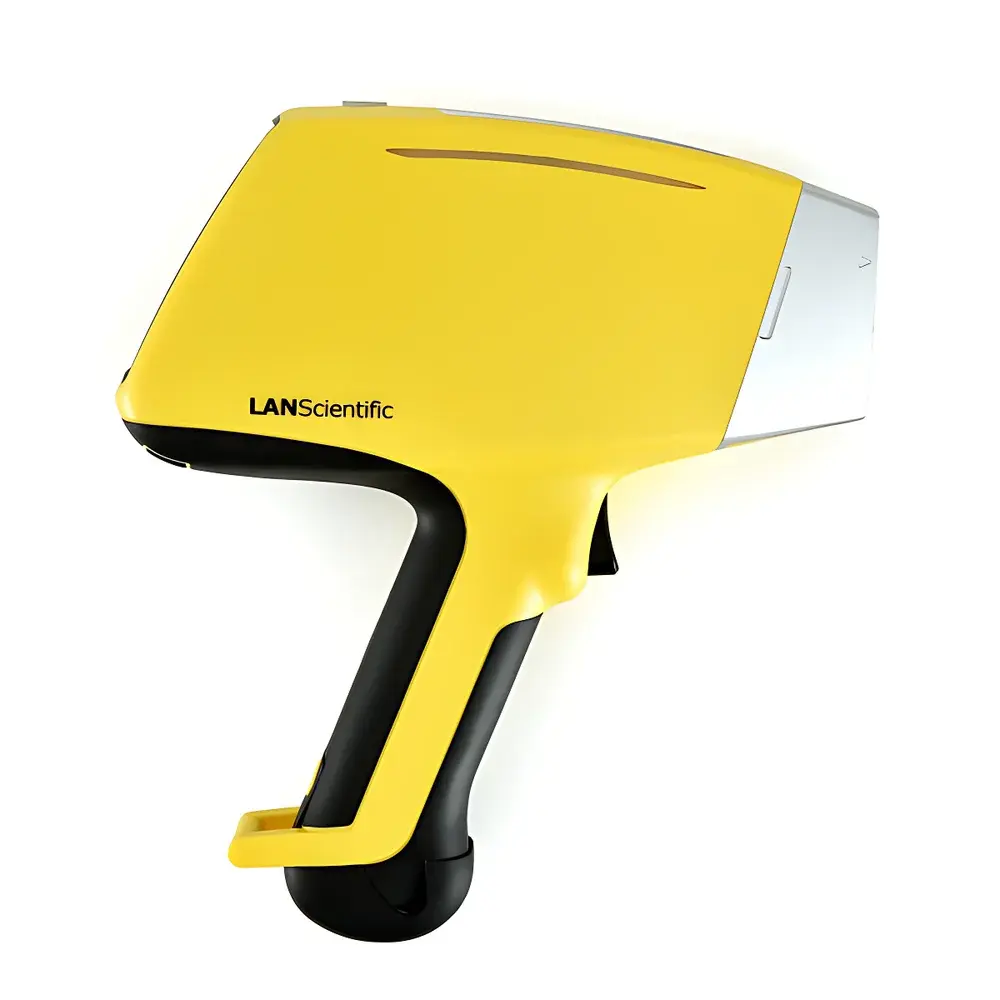
Brookfield LANScientific TrueX 760 Portable Energy Dispersive X-Ray Fluorescence (EDXRF) Spectrometer for Soil Heavy Metal Analysis
| Brand | LANScientific |
|---|---|
| Model | TrueX 760 |
| Origin | Jiangsu, China |
| Manufacturer Type | Direct Manufacturer |
| Instrument Type | Portable EDXRF Spectrometer |
| Application Domain | Soil & Environmental Field Screening |
| Regulatory Scope | RCRA Metals, EPA Priority Pollutants, ISO 12847, ASTM D6359, USP <232>/<233> (for elemental impurities in environmental matrices) |
| Detection Range | Elements from Mg (Z=12) to U (Z=92) |
| Typical Detection Limits | 1–10 mg/kg (ppm) for heavy metals (Pb, As, Cd, Cr, Hg, Ni, Cu, Zn) in soil matrices |
| Sample Form | Solid, powder, slurry filtrate, filter membrane, thin film, bulk sediment |
| Measurement Principle | Energy-Dispersive X-Ray Fluorescence (EDXRF) with Peltier-cooled Si-PIN or SDD detector |
| Operating Mode | Direct-field analysis without sample preparation |
| Compliance | GLP-compliant data logging, audit trail ready, 21 CFR Part 11 optional configuration |
Overview
The LANScientific TrueX 760 is a field-deployable, handheld energy dispersive X-ray fluorescence (EDXRF) spectrometer engineered for rapid, non-destructive quantification of heavy metals in soil, sediment, and environmental solid matrices. Based on fundamental XRF physics—where primary X-rays excite characteristic secondary (fluorescent) X-rays from target elements—the instrument delivers lab-validated elemental composition directly in situ. Unlike wet-chemistry or ICP-MS methods requiring digestion and lab transit, the TrueX 760 enables real-time decision-making at contaminated sites, brownfields, agricultural fields, and regulatory inspection points. Its compact architecture integrates a high-stability miniature X-ray tube (Ag anode, 40 kV max), a silicon drift detector (SDD) with <145 eV Mn Kα resolution, and embedded spectral deconvolution algorithms compliant with ISO 12847 (soil analysis by XRF) and ASTM D6359 (screening of hazardous metals in waste). The system operates under ambient conditions, requires no vacuum or helium purge, and maintains measurement repeatability within ±5% RSD across multiple field replicates.
Key Features
- True portable operation: Weighs <1.5 kg with integrated battery (up to 8 hours continuous use); IP54-rated enclosure for dust and splash resistance.
- One-touch analysis: Pre-configured soil calibration modes (e.g., “Soil-Low-Z”, “Sludge-High-Moisture”) initiate full-spectrum acquisition and quantification in ≤3 seconds.
- Elemental display flexibility: Simultaneous readout of mass fraction (%) to three decimal places and concentration (ppm) for up to 25 elements—including regulated metals (Pb, As, Cd, Cr, Hg, Ni, Cu, Zn, Mn, Co)—with automatic matrix correction for SiO₂, Fe₂O₃, and organic content.
- Non-destructive testing (NDT): No sample grinding, acid digestion, or dilution required; preserves sample integrity for chain-of-custody documentation.
- Field-adaptive calibration: Supports user-defined calibrations using NIST-traceable soil reference materials (e.g., SRM 2710a, 2711a); includes built-in drift correction via internal radioactive check source (¹⁰⁹Cd).
- Robust hardware design: Shock-absorbing magnesium alloy chassis; thermally stabilized detector housing ensures spectral stability across −10°C to 50°C ambient range.
Sample Compatibility & Compliance
The TrueX 760 accepts heterogeneous, unprepared samples including air-dried soil cores, wet slurry filters, construction debris fines, airborne particulate membranes (e.g., PVC or polycarbonate filters), and layered sediment sections. It complies with U.S. EPA Method 6200 (field screening of metals in soils/sediments) and supports RCRA Waste Analysis Plans (WAPs) for metals listed in 40 CFR Part 261. Data output meets GLP requirements when configured with optional audit-trail firmware: all measurements are timestamped, operator-ID logged, and raw spectra archived with detector temperature, tube current/voltage, and live-time metadata. Optional 21 CFR Part 11 mode provides electronic signature capability, role-based access control, and immutable record retention for regulated environmental monitoring programs.
Software & Data Management
LANScientific’s TrueX Manager software (Windows-based, v4.2+) enables remote instrument configuration, spectral library management, and report generation. Users define custom reporting templates with company logo, site ID, GPS coordinates (via Bluetooth-linked GNSS), and regulatory threshold flags (e.g., EPA Regional Screening Levels). Raw data exports natively to CSV, Excel (.xlsx), and PDF formats; spectral files (.trf) retain full detector pulse-height histograms for third-party reprocessing. Firmware updates deploy over-the-air via secure HTTPS; calibration models can be shared across fleets using encrypted .cal packages. For QA/QC, the software logs every calibration event, diagnostic self-test result, and spectral interference alert—fully traceable for ISO/IEC 17025 laboratory accreditation audits.
Applications
- Regulatory field screening: Rapid triage of RCRA-listed metals (As, Ba, Cd, Cr, Pb, Hg, Se, Ag) in soil prior to remediation or landfill disposal.
- Agricultural land assessment: Mapping bioavailable Cd, Cu, and Zn hotspots in farmland to inform crop rotation or liming strategies.
- Construction & demolition waste sorting: On-site verification of metal-bearing debris (e.g., painted wood, slag, insulation) against LEED MR credits.
- Emergency response: Immediate detection of Pb in post-flood sediments or As in ash-contaminated soils after industrial incidents.
- Long-term monitoring networks: Paired with GIS platforms for spatiotemporal trend analysis across multi-year soil health programs.
FAQ
Does the TrueX 760 require sample homogenization or drying before analysis?
No—field-moist, cloddy, or coarse-textured soils can be analyzed directly; however, for optimal precision below 50 ppm, users should flatten the surface and ensure consistent instrument contact.
Can it quantify mercury (Hg) reliably in organic-rich soils?
Yes, when using the “High-Sensitivity Hg” mode (optimized dwell time and spectral deconvolution), detection limits reach 2–3 mg/kg in peat or compost matrices.
Is spectral interference correction automated for overlapping peaks (e.g., As Kα and Pb Lα)?
Yes—the onboard algorithm applies fundamental parameter (FP)-based interelement correction and iteratively refines peak deconvolution using library-matched background subtraction.
How is calibration traceability maintained across instrument lifetimes?
Each unit ships with NIST-traceable calibration verification standards; users may perform routine checks using supplied SRM 2711a tablets and document results in the integrated calibration log.
What cybersecurity protocols protect data during wireless transfer?
All Bluetooth and Wi-Fi communications use TLS 1.2 encryption; firmware updates require digital signature verification via LANScientific’s PKI infrastructure.




