
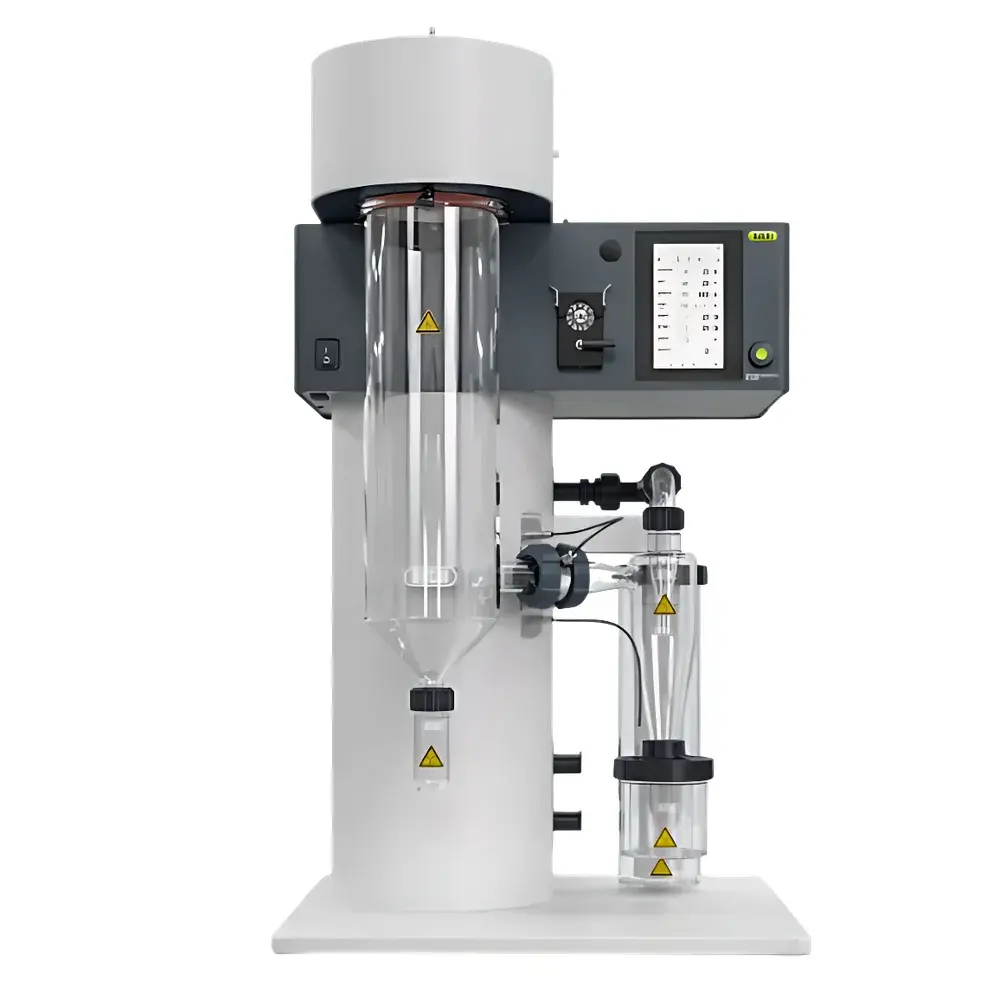
BUCHI Mini Spray Dryer S-300
| Brand | BUCHI |
|---|---|
| Origin | Switzerland |
| Manufacturer | BUCHI AG |
| Product Type | Laboratory-scale spray dryer |
| Model | S-300 |
| Sample Compatibility | Aqueous, organic, and mixed-phase solutions |
| Maximum Feed Rate | 1.5 L/h (water) |
| Inlet Temperature Range | Ambient to 220 °C (standard), up to 250 °C (optional) |
| Outlet Temperature Control | Precise PID-regulated |
| Particle Size Distribution | 1–25 µm (dependent on nozzle type and process parameters) |
| Nozzle Options | Dual-fluid (2–25 µm), triple-fluid (for encapsulation), ultrasonic (10–60 µm) |
| Integrated Safety | O₂ monitoring, inert gas recirculation compatibility (with S-395), pressure-controlled closed-loop operation |
| Data Logging & Reporting | Full process parameter recording, one-click PDF/.csv report generation |
| Compliance Support | Designed for GLP/GMP-aligned workflows |
Overview
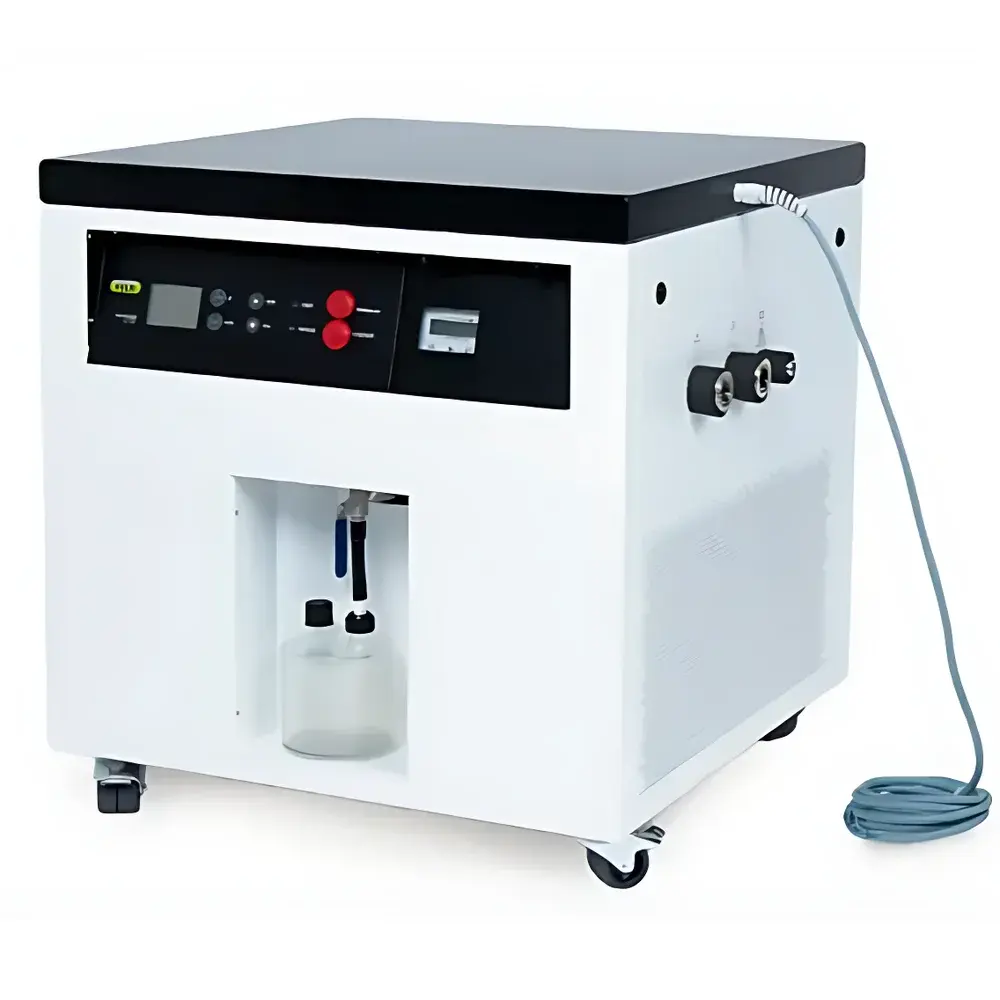
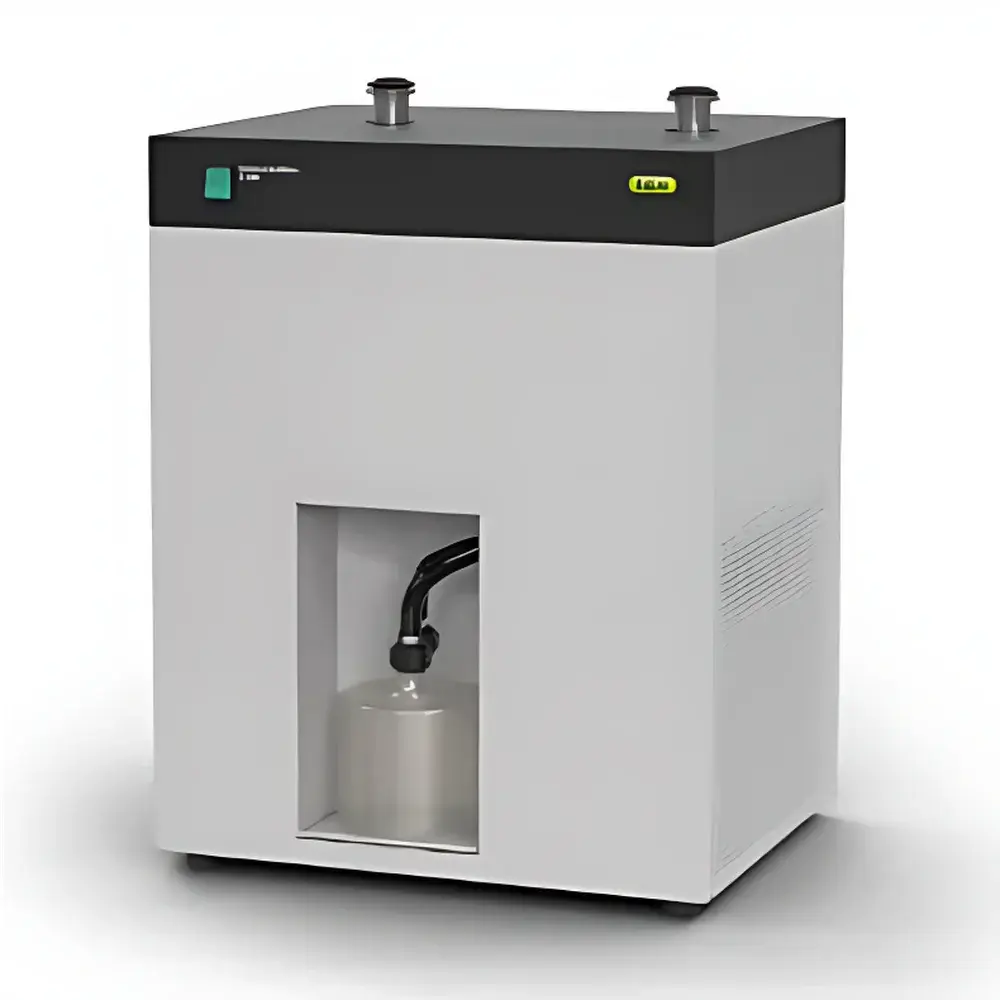
The BUCHI Mini Spray Dryer S-300 is a high-precision, benchtop spray drying system engineered for reproducible, scalable, and safe laboratory-scale powder production. It operates on the principle of rapid solvent evaporation via atomization—where liquid feed is dispersed into fine droplets using compressed gas or ultrasonic energy, then exposed to a controlled stream of heated drying gas. This enables instantaneous solidification of particles with defined morphology and narrow size distribution. Designed for R&D laboratories in pharmaceuticals, food science, materials chemistry, and nanotechnology, the S-300 supports method development from early-stage formulation screening through to pilot-scale process transfer. Its modular architecture integrates seamlessly with BUCHI’s inert gas recirculation system (S-395) and dehumidification unit (S-396), enabling compliant handling of thermolabile, oxygen-sensitive, or flammable formulations—including APIs dissolved in ethanol, acetone, or dichloromethane.
Key Features
- Intelligent automation suite: Fully programmable auto-mode sequences—including pre-heating, solvent rinsing, sample feeding, post-run purging, and shutdown—ensuring consistent thermal history and minimizing operator intervention.
- Advanced temperature management: Independent inlet/outlet temperature control with real-time feedback loops; optional high-temperature inlet configuration (up to 250 °C) for low-volatility solvents.
- Multi-nozzle compatibility: Interchangeable dual-fluid (2–25 µm), triple-fluid (co-axial encapsulation), and ultrasonic nozzles (10–60 µm) allow tailored particle engineering for diverse applications such as sustained-release matrices or core-shell nanoparticles.
- Enhanced sample recovery: Conductive-coated cyclone separator reduces electrostatic adhesion and wall loss; optimized geometry improves collection efficiency >90% across typical feed viscosities (<500 cP).
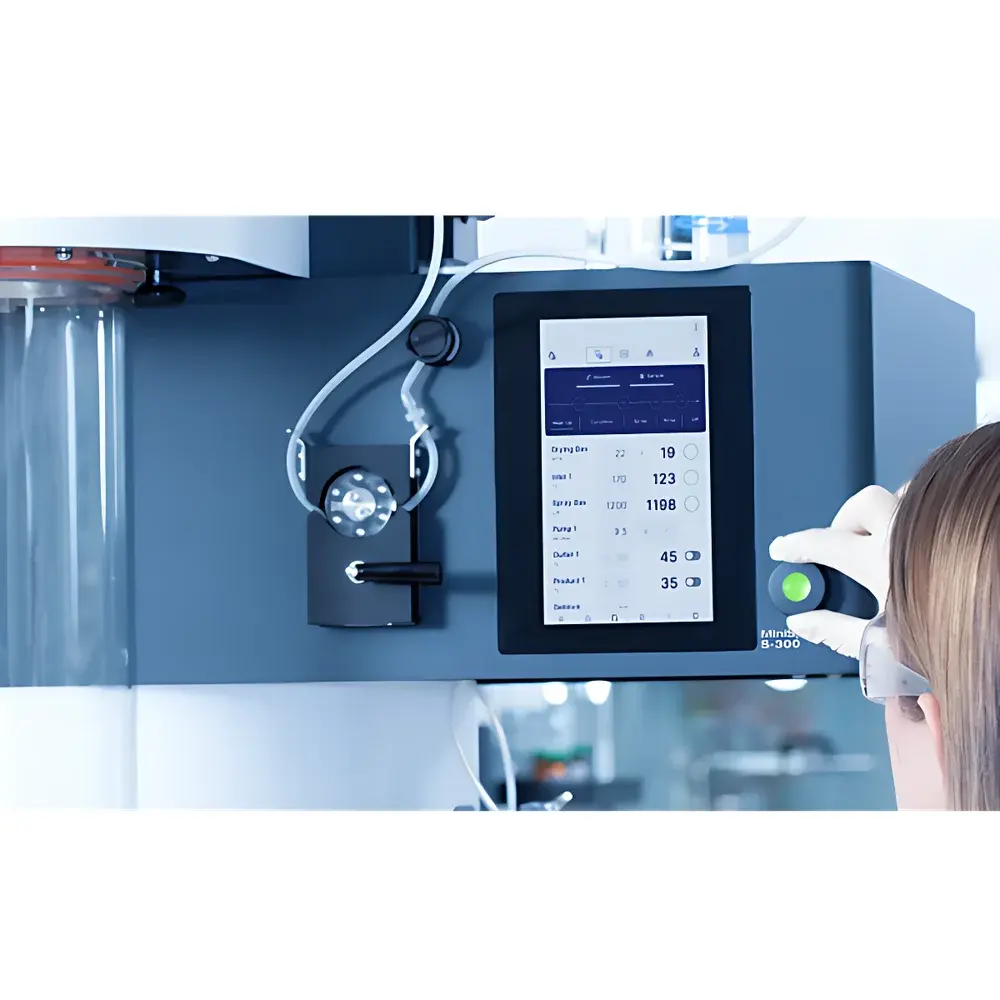
- Remote operation & digital traceability: Web-based interface accessible via desktop or mobile devices; all process events—including setpoints, alarms, and hardware status—are timestamped and stored locally for regulatory review.
- Modular safety integration: Built-in O₂ sensor (0–10% range, ±0.1% accuracy), pressure monitoring, and interlock logic ensure fail-safe operation when coupled with S-395 inert gas recirculation.
Sample Compatibility & Compliance
The S-300 accommodates aqueous buffers, polar and non-polar organic solvents (e.g., methanol, THF, ethyl acetate), and biphasic emulsions. When paired with the S-395 inert gas recirculation module, it meets stringent safety requirements for Class I, Division 1 hazardous environments per NFPA 497. The system supports ASTM E2912 (Standard Guide for Spray Drying of Pharmaceuticals) and aligns with ICH Q5C stability testing protocols. Its software architecture complies with FDA 21 CFR Part 11 expectations for electronic records and signatures, including user authentication, audit trail logging, and data integrity safeguards. All glassware components conform to ISO 3585 borosilicate 3.3 specifications; optional amber glassware is available for light-sensitive compounds.
Software & Data Management
The embedded BUCHI LabX® Lite software provides intuitive method programming, multi-step sequence scheduling, and real-time visualization of critical parameters (inlet/outlet temperature, feed rate, gas flow, O₂ level). Each run generates a tamper-evident digital record containing raw sensor data, event timestamps, and metadata (user ID, method name, version). Reports export in PDF (formatted for lab notebooks) or CSV (for statistical analysis in JMP or Python). Data retention follows ALCOA+ principles: Attributable, Legible, Contemporaneous, Original, Accurate, Complete, Consistent, Enduring, and Available. Backups are supported via USB or network share; no cloud dependency required.
Applications
- Pharmaceutical formulation: Production of amorphous solid dispersions, inhalable dry powders, and nanoparticle carriers for poorly soluble drugs.
- Food & nutraceuticals: Encapsulation of probiotics, omega-3 oils, and heat-labile vitamins without Maillard degradation.
- Materials science: Synthesis of ceramic precursors (e.g., LiFePO₄), catalyst supports, and functionalized silica microspheres.
- Academic research: Method transfer validation between S-200/S-300 platforms; kinetic studies of droplet drying dynamics using high-speed imaging integration.
- Biotechnology: Stabilization of monoclonal antibodies, enzymes, and viral vectors via trehalose-based matrix formation.
FAQ
Can the S-300 handle chlorinated solvents like chloroform or DCM?
Yes—when operated with the S-395 inert gas recirculation system under nitrogen or argon, and with appropriate cold trap configuration (–40 °C condenser), the S-300 safely processes halogenated solvents in compliance with OSHA PEL limits.
Is method transfer from older BUCHI models (e.g., S-200) straightforward?
Yes—the S-300 maintains identical nozzle geometry, airflow path design, and thermal response profiles as legacy systems; validated methods migrate with ≤±5% deviation in residual moisture and particle size Dv50.
What maintenance intervals are recommended for the dual-fluid nozzle?
Daily visual inspection and solvent flush; full disassembly and ultrasonic cleaning every 10 operational hours when processing viscous or particulate-laden feeds.
Does the system support PAT (Process Analytical Technology) integration?
Yes—via analog 4–20 mA outputs and Modbus TCP protocol, enabling connection to third-party NIR probes, laser diffraction analyzers (e.g., Sympatec), or PLC-based control networks.
How is calibration traceability maintained?
Inlet/outlet thermocouples are calibrated against NIST-traceable reference standards annually; BUCHI provides calibration certificates compliant with ISO/IEC 17025 upon request.



