
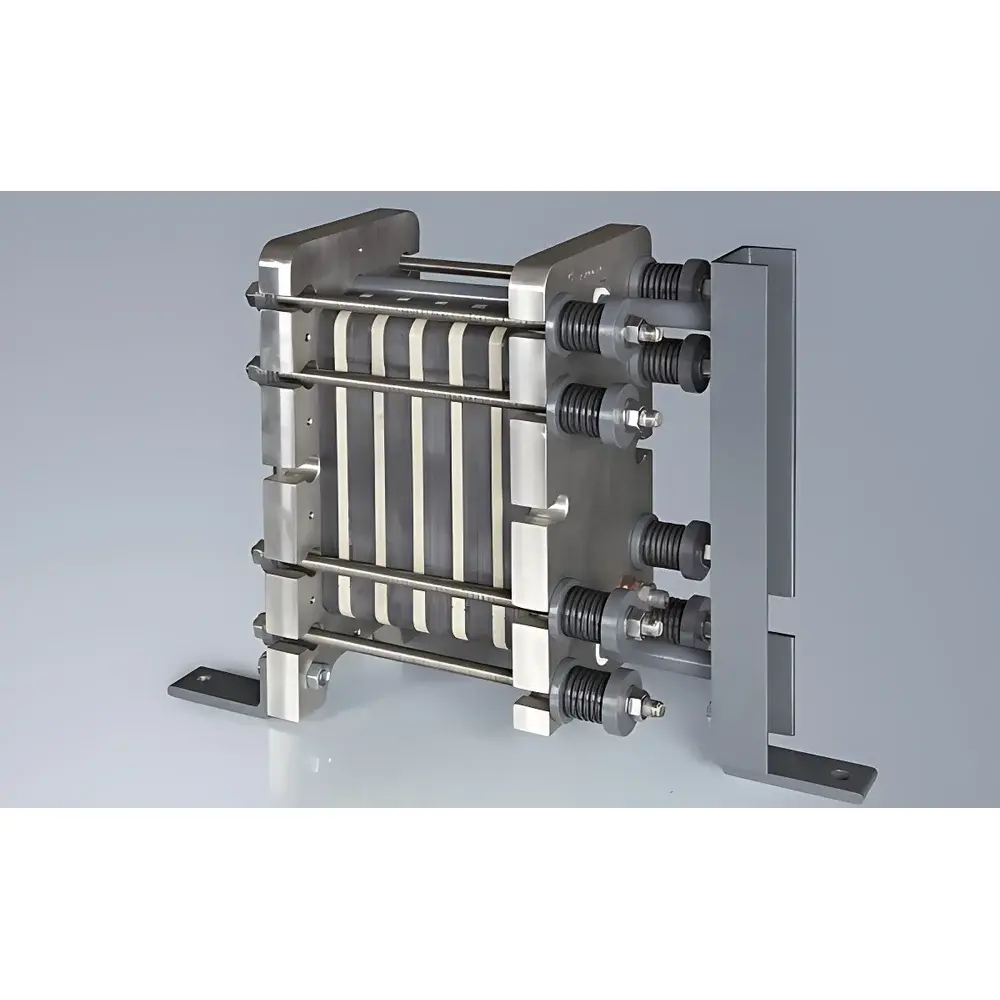
Chemtrix Plantrix MR260 Continuous Flow Reactor
| Brand | Chemtrix |
|---|---|
| Origin | Germany |
| Model | MR260 |
| Temperature Range | -30 – 200 °C |
| Temperature Control Accuracy | ±0.1 °C |
| Reaction Units | 1 |
| Reaction Volume | 2.9–170 mL |
| Pressure Rating | 0–25 bar |
| Wetted Materials | Silicon Carbide (sintered, pressureless), PTFE, FFKM |
| Flow Rate Capacity | 1–36 L/h |
| Application Scale | 1–10 kg/h |
Overview
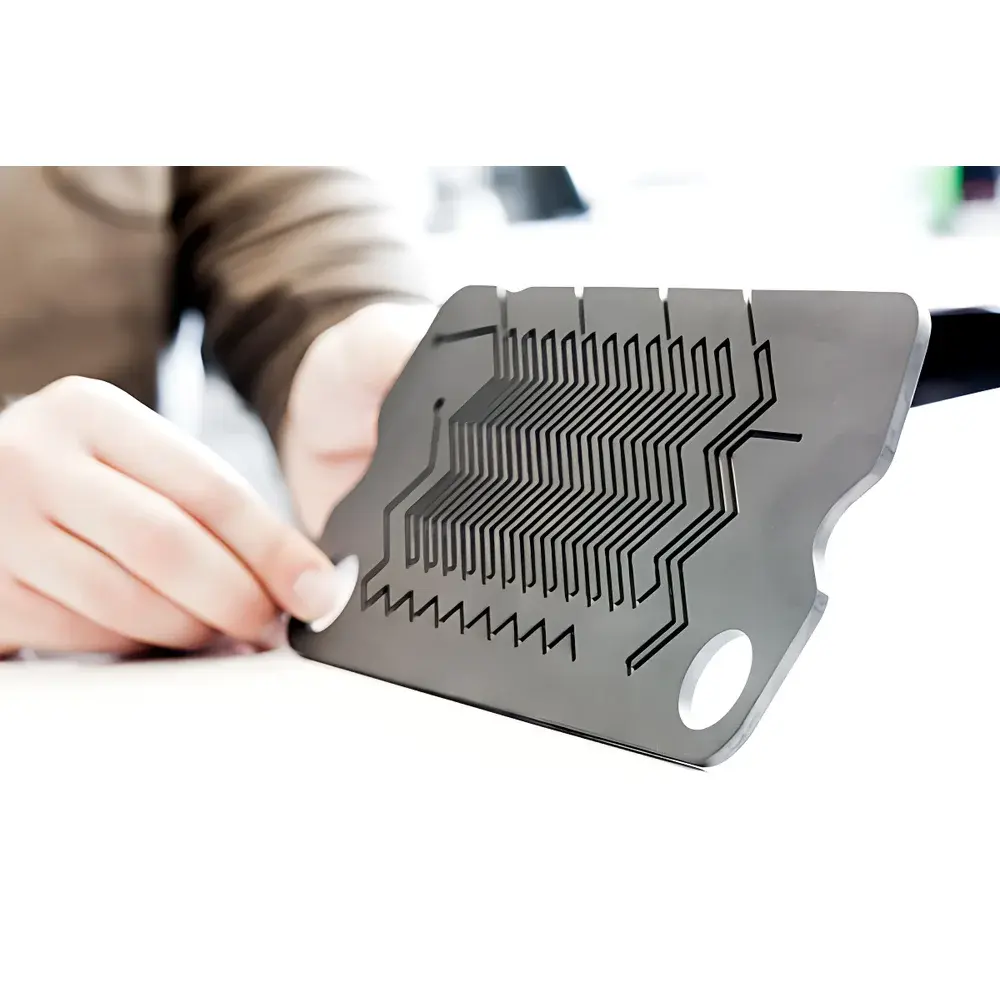
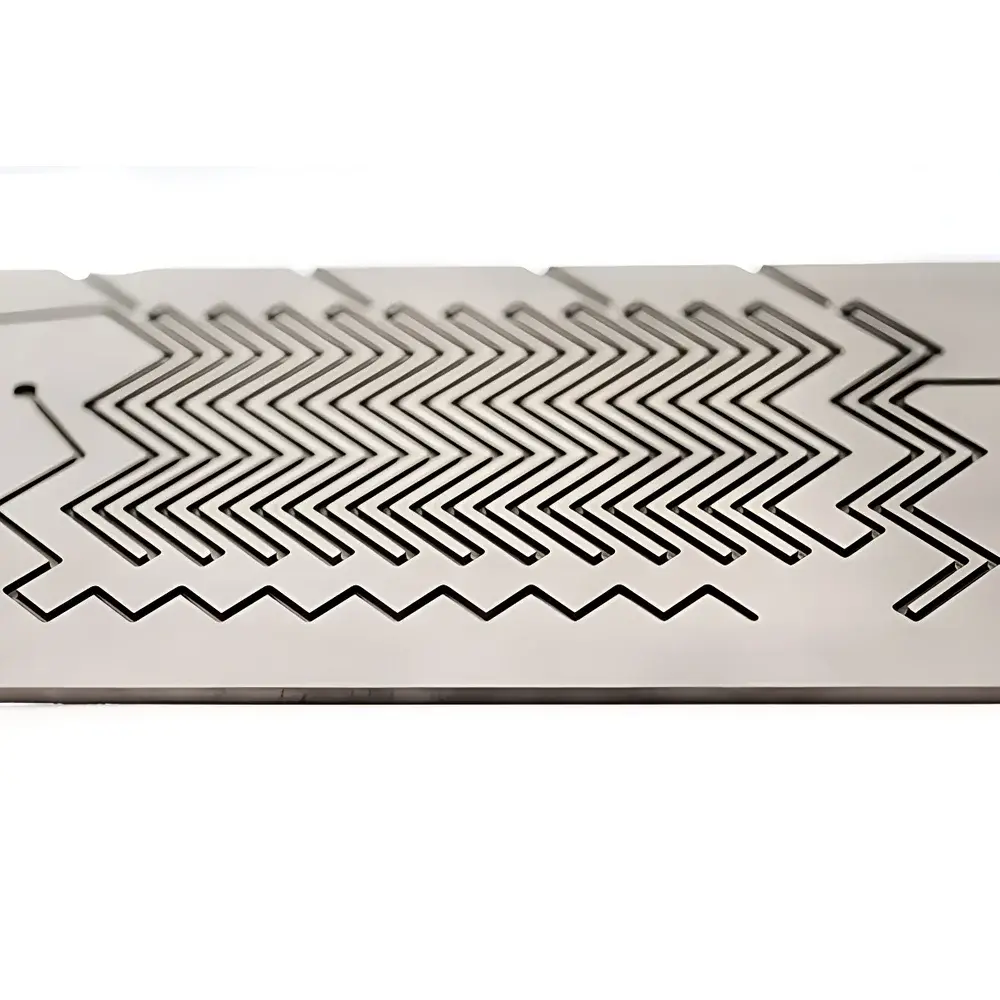
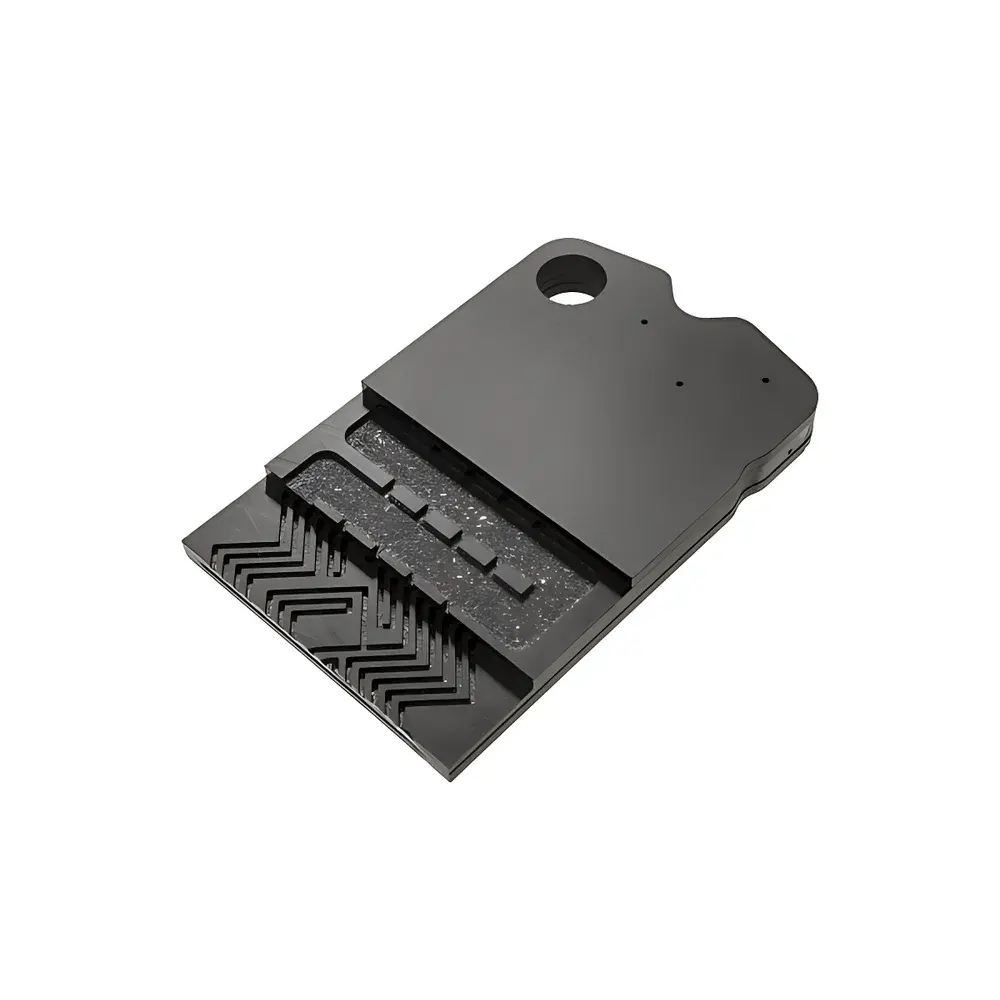
The Chemtrix Plantrix MR260 is a high-performance, single-unit continuous flow reactor engineered for laboratory-to-pilot-scale chemical synthesis under precisely controlled thermal and residence time conditions. Built upon microstructured silicon carbide (SiC) reaction plates manufactured via 3M’s pressureless sintering process, the MR260 leverages intrinsic material advantages—including exceptional thermal conductivity (~120 W/m·K), near-zero thermal expansion, and broad chemical resistance—to enable safe, reproducible operation across extreme process windows. Unlike conventional batch reactors, the MR260 operates on the principle of continuous flow chemistry: reagents are metered via precision pumps into a fixed-volume, thermally integrated microchannel network where mixing, heat exchange, and reaction occur in a fully defined laminar or transitional flow regime. This architecture ensures sub-second mixing, millisecond-to-minute residence time control, minimal axial dispersion, and negligible dead volume—critical attributes for managing highly exothermic, kinetically sensitive, or air/moisture-sensitive transformations. The system is designed to support seamless transition from reaction screening to quantitative production, with validated scalability rooted in constant dimensionless numbers (e.g., Reynolds, Péclet, Damköhler) rather than empirical scale-up factors.
Key Features
- Monolithic silicon carbide (SiC) reaction core fabricated by pressureless sintering—no metallic wetted components, eliminating corrosion, leaching, and catalytic side reactions
- Integrated jacketed temperature control with ±0.1 °C stability over -30 °C to 200 °C, enabling cryogenic lithiation, high-temperature nitration, and everything in between
- Modular design supports rapid configuration changes: interchangeable SiC plates (2.9–170 mL active volume), optional back-pressure regulators, inline IR/UV flow cells, and quench modules
- Full compatibility with aggressive media—including 70% nitric acid, anhydrous n-BuLi, chlorine gas, HF-containing mixtures, and molten salt systems—validated per ASTM D543 and ISO 17892-12
- Pressure-rated to 25 bar, supporting superheated solvent operation, gas-liquid hydrogenations, and pressurized photochemical workflows
- Compliant with mechanical integrity standards per TÜV Rheinland certification (EN 13445-1:2021, PED 2014/68/EU) and referenced in FDA process validation guidance for continuous manufacturing (ICH Q5C, Q8(R3))
Sample Compatibility & Compliance
The MR260 accommodates homogeneous liquid–liquid, gas–liquid, and slurry-phase reactions without clogging or fouling, owing to its smooth, non-porous SiC surface (Ra < 0.2 µm) and absence of gasketed joints or threaded fittings in the flow path. It is routinely deployed for stoichiometrically precise, stoichiometry-critical transformations—such as halogen–lithium exchange at -10 °C, nitration at 180 °C with 12-second residence time, or continuous diazotization—where traditional batch vessels fail due to thermal runaway or decomposition. All wetted materials conform to USP Class VI and FDA 21 CFR 177.1550 specifications. System documentation includes full material traceability (mill test reports), pressure test records, and calibration certificates traceable to PTB (Physikalisch-Technische Bundesanstalt). The platform satisfies GLP audit requirements for raw data integrity, including timestamped sensor logs, pump event histories, and temperature ramp profiles.
Software & Data Management
Operation is managed via Chemtrix’s proprietary FlowManager™ software (v4.2+), which provides deterministic real-time control of up to six syringe or diaphragm pumps, dual-zone thermal regulation, and programmable pressure setpoints. All process parameters—including volumetric flow rates, temperature gradients, pressure transients, and residence time distributions—are logged at 10 Hz resolution with cryptographic hashing for ALCOA+ compliance. Data export formats include CSV, HDF5, and XML, compatible with LIMS integration (e.g., LabWare, Thermo SampleManager) and PAT (Process Analytical Technology) frameworks. Audit trails meet FDA 21 CFR Part 11 requirements, with role-based access control, electronic signatures, and immutable record retention. Optional OPC UA server enables bidirectional communication with DCS or MES environments in GMP-compliant facilities.
Applications
The MR260 serves as a primary tool for process intensification in pharmaceutical API route scouting, fine chemical manufacturing, and academic methodology development. Documented use cases include: continuous nitration of alcohols (99.6% purity, 10,000 t/yr equivalent throughput), fragrance synthesis under solvent-free conditions (2.8 kg/day at 160 °C), and low-temperature organolithium substitutions (20 kg n-BuLi/day, 7-second residence time). Its design supports hazardous chemistries—such as azide chemistry, peroxide synthesis, and chlorosulfonation—without safety compromise. The system is equally effective for photoredox catalysis (with optional LED-integrated plates), enzymatic cascades (pH-stable SiC surface), and heterogeneous catalysis (packed-bed or wall-coated configurations). Universities and industrial R&D labs—including Fudan University, Nanjing University, and East China University of Science and Technology—leverage the MR260 for teaching continuous processing principles aligned with IUPAC recommendations on green chemistry metrics.
FAQ
What is the maximum allowable operating pressure for the MR260?
The reactor core is rated for continuous operation up to 25 bar at all temperatures within its specified range.
Can the MR260 handle solid-containing slurries or heterogeneous catalysts?
Yes—its wide-channel SiC plates (minimum hydraulic diameter 500 µm) accommodate particles up to 100 µm without clogging; optional packed-bed inserts support immobilized enzyme or metal catalyst applications.
Is the system compliant with FDA 21 CFR Part 11 for electronic records?
Yes—FlowManager™ software includes full Part 11 functionality: audit trail, electronic signatures, user authentication, and data integrity controls.
How is temperature uniformity verified across the SiC plate?
Each unit undergoes infrared thermography mapping during factory acceptance testing (FAT), with spatial deviation ≤ ±0.3 °C across the active reaction zone.
What validation documentation is supplied with the system?
Standard delivery includes IQ/OQ protocols, material certifications (SiC, FFKM, PTFE), pressure test reports, temperature calibration certificates (DAkkS-traceable), and TÜV design verification.



