
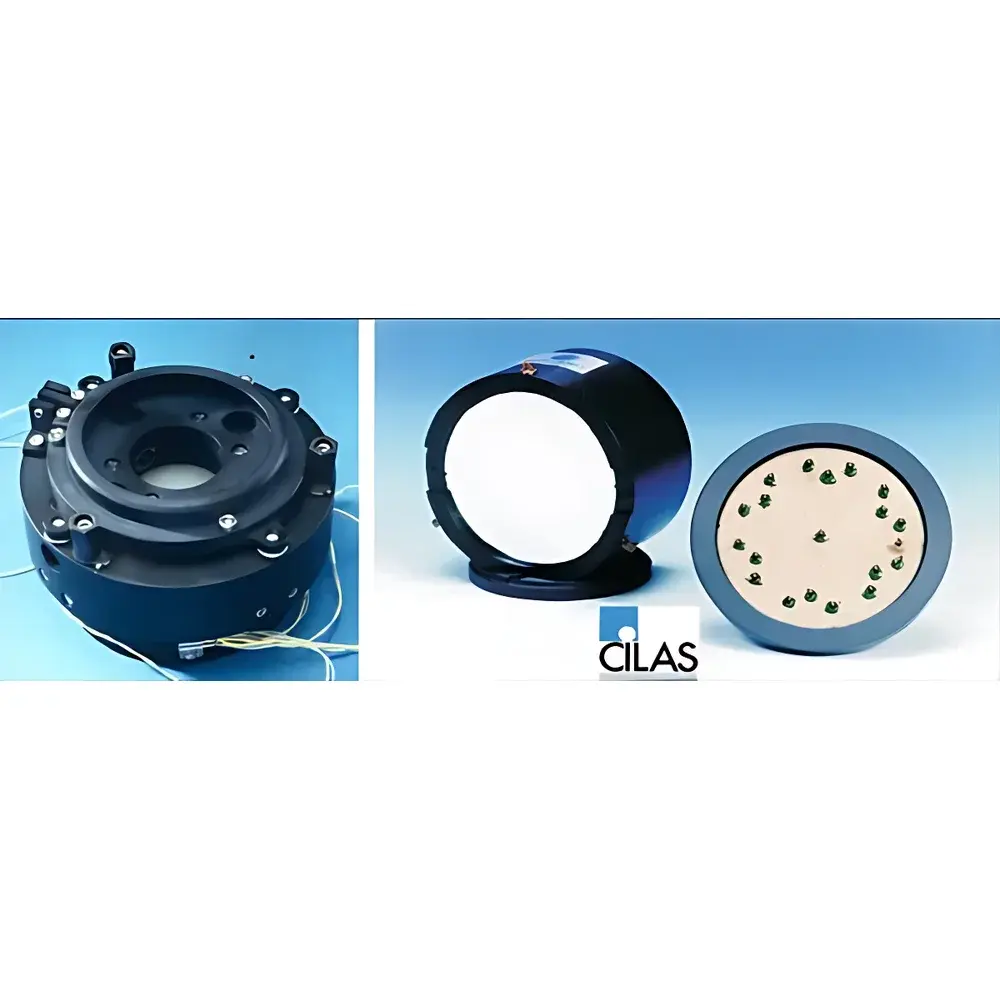
CILAS MONO31-100 LULI Piezoelectric Deformable Mirror
| Brand | CILAS |
|---|---|
| Origin | France |
| Manufacturer Type | Authorized Distributor |
| Origin Category | Imported |
| Model | MONO31-100 LULI |
| Pricing | Upon Request |
Overview
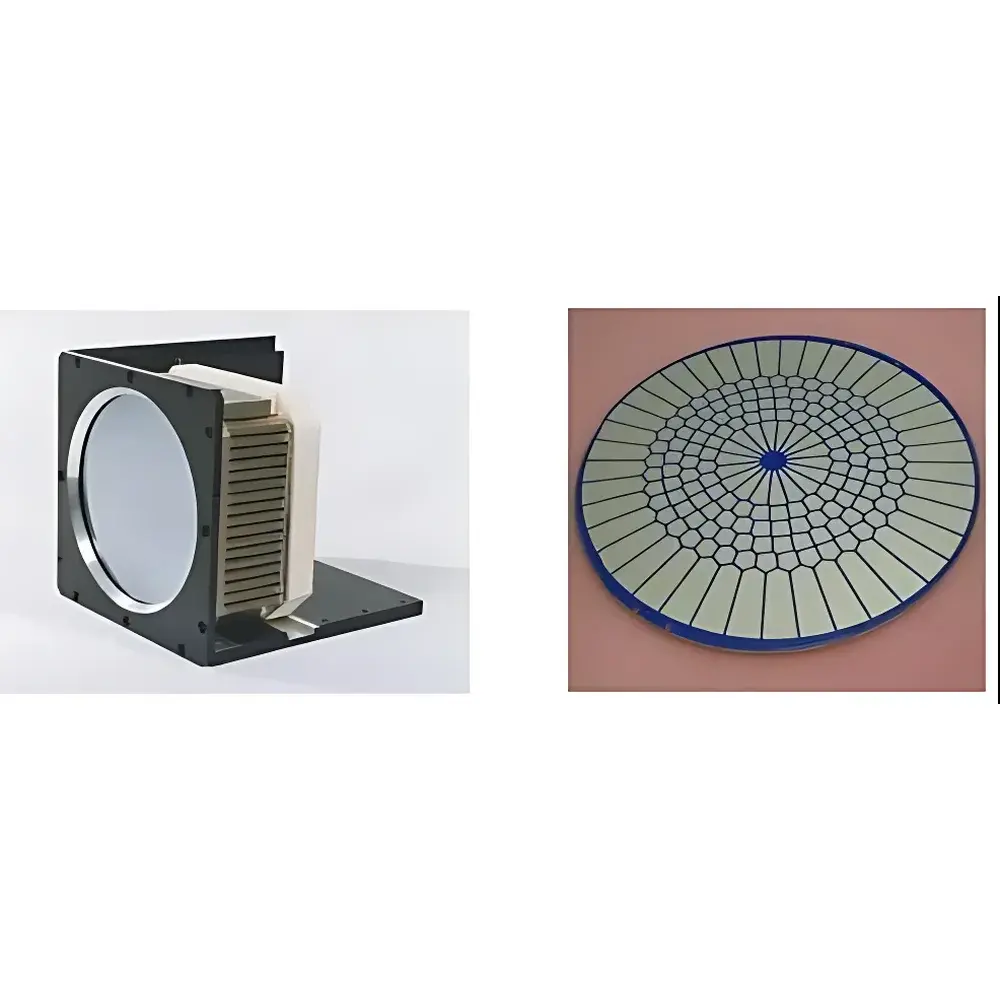
The CILAS MONO31-100 LULI is a high-precision piezoelectric deformable mirror engineered for adaptive optics (AO) systems requiring sub-nanometer surface control and microsecond-scale actuation response. Based on monomorph (MONO) architecture, this mirror employs transverse piezoelectric actuation—leveraging the lateral strain response of PZT (lead zirconate titanate) ceramics bonded to a continuous optical substrate—to generate localized curvature changes without internal mechanical stacking or discrete actuators. Unlike stack-array mirrors (SAM), which rely on cumulative axial displacement from vertically stacked PZT elements, the MONO31-100 LULI achieves smooth, continuous surface deformation through differential bending at mechanically coupled bimorph interfaces. Its design enables closed-loop wavefront correction in real time, making it suitable for applications where optical path stability, thermal insensitivity, and vacuum compatibility are critical—such as high-power laser beam shaping, astronomical wavefront sensing, and EUV-compatible optical test benches.
Key Features
- Monomorph (MONO) actuation architecture with integrated PZT ceramic layers for intrinsic mechanical continuity and zero inter-actuator gaps
- Sub-nanometer (≤0.5 nm RMS) open-loop positioning resolution over full stroke range
- Actuation response time 1 kHz in closed-loop AO systems
- Optical aperture: 100 mm clear diameter with λ/20 surface flatness (PV) at rest; coated with protected aluminum (R > 92% @ 400–1000 nm) or custom dielectric HR coatings upon request
- Vacuum-compatible construction using low-outgassing adhesives and stainless-steel housing; rated for operation in UHV environments (<10⁻⁷ mbar)
- Integrated strain gauge feedback option available for real-time position monitoring and hysteresis compensation
Sample Compatibility & Compliance
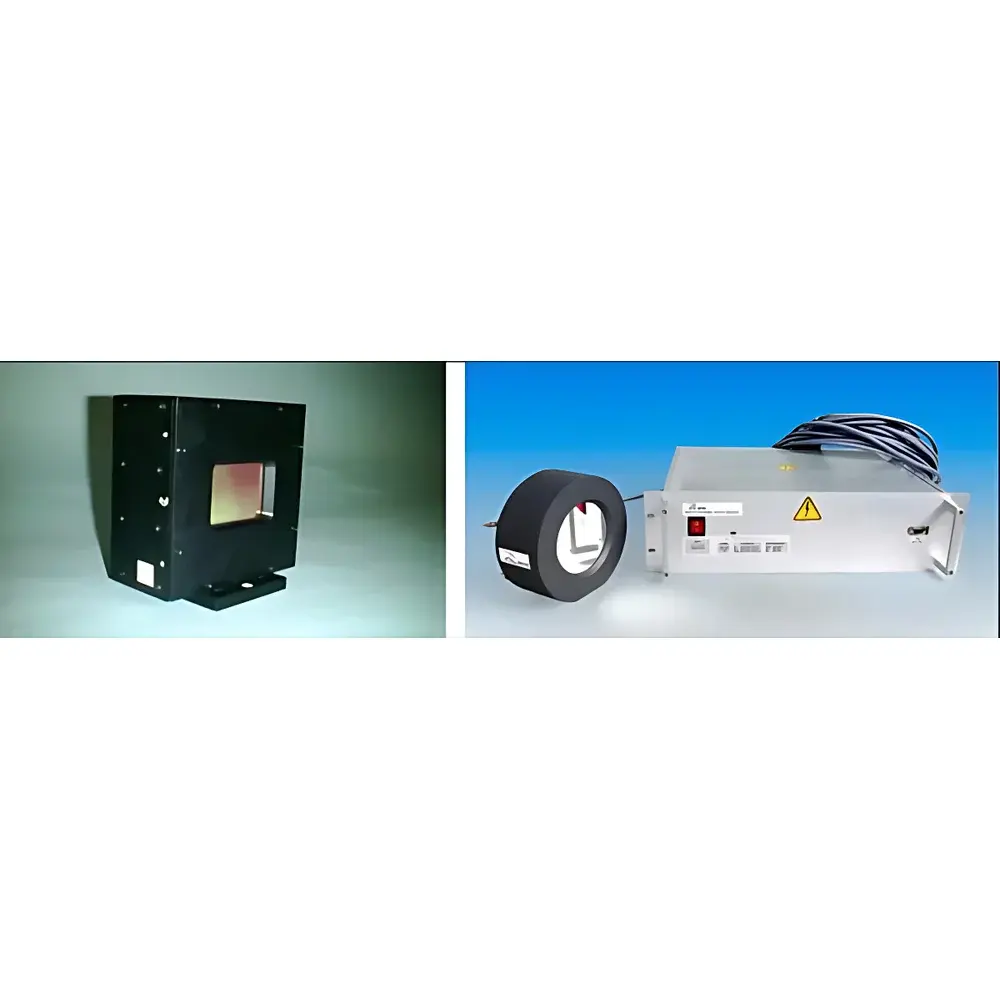
The MONO31-100 LULI is compatible with standard AO control architectures including Shack–Hartmann wavefront sensors, pyramid sensors, and interferometric metrology systems. It interfaces via standard 75-pin D-sub analog voltage inputs (±100 V range, 16-bit DAC resolution per channel) and supports synchronization signals (TTL trigger input/output) for temporal alignment with pulsed lasers or detector gating. The mirror meets ISO 10110-7 surface quality specifications for optical components and complies with CE marking requirements for electromagnetic compatibility (EN 61326-1) and low-voltage directive (2014/35/EU). For regulated research environments—including those operating under GLP or defense-contract QA protocols—the system supports traceable calibration documentation and optional audit-ready firmware logs aligned with ISO/IEC 17025 metrological practices.
Software & Data Management
CILAS provides the AOControl Suite—a cross-platform (Windows/Linux) application programming interface (API) supporting MATLAB, Python (via ctypes bindings), and LabVIEW integration. The suite includes real-time wavefront reconstruction algorithms (Zernike and Karhunen–Loève modal decomposition), actuator coupling matrix characterization tools, and automated hysteresis modeling based on Preisach operator libraries. All control parameters, actuator voltage histories, and sensor-correlated correction maps are stored in HDF5 format with embedded metadata (including timestamps, environmental conditions, and user-defined experiment tags). Optional FDA 21 CFR Part 11-compliant configuration enables electronic signatures, role-based access control, and immutable audit trails for pharmaceutical or defense-related optical testing workflows.
Applications
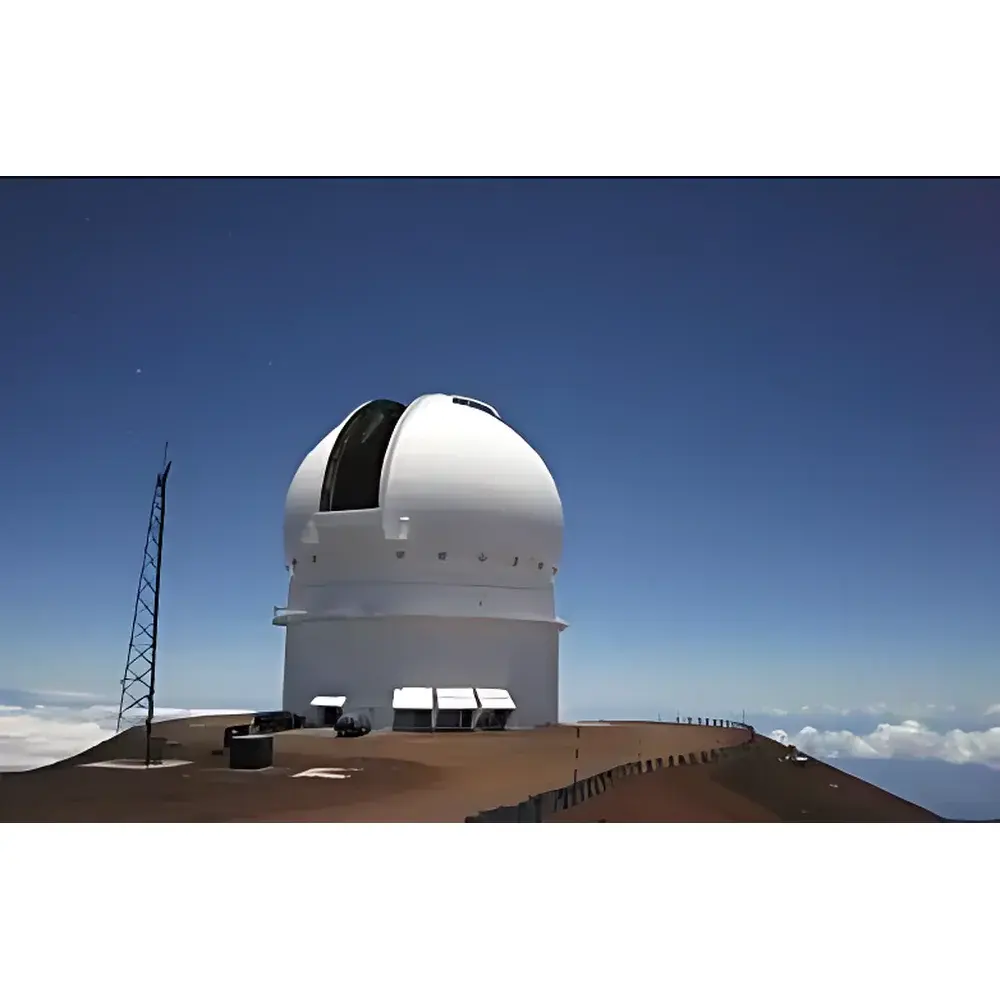
- Astronomical adaptive optics: Real-time atmospheric turbulence correction in large ground-based telescopes (e.g., ESO’s VLT, Keck Observatory), especially in conjunction with laser guide stars and low-order wavefront sensors
- High-energy laser systems: Beam phase control in MOPA architectures, thermal lensing compensation in kW-class CO₂ and Yb:fiber amplifiers, and focal spot stabilization in inertial confinement fusion (ICF) facilities
- Industrial metrology: Dynamic aberration correction in EUV lithography mask inspection tools and synchrotron beamline wavefront tuning
- Biomedical optics: Aberration-free multiphoton microscopy in deep-tissue imaging and confocal ophthalmoscopy for retinal wavefront-guided diagnostics
- Free-space optical communications: Atmospheric scintillation mitigation in ground-to-satellite uplink channels operating at 1550 nm
FAQ
What is the difference between MONO and SAM deformable mirrors?
The MONO architecture uses transverse piezoelectric strain in a monolithic bimorph structure to induce smooth, continuous curvature changes. In contrast, SAM mirrors employ vertically stacked PZT actuators that produce discrete, piston-like displacements—leading to higher actuator density but increased inter-actuator print-through and hysteresis.
Is the MONO31-100 LULI suitable for high-average-power laser applications?
Yes—its all-metal, low-absorption substrate design and absence of epoxy joints minimize thermo-optic distortion. It has been validated for use with CW lasers up to 500 W/cm² (1070 nm) and pulsed lasers with peak fluences ≤5 J/cm² (10 ns, 1064 nm).
Can the mirror be integrated into an existing adaptive optics loop?
Yes—it supports standard analog voltage drive (±100 V) and TTL synchronization, and its actuator map and influence functions are provided in machine-readable format for seamless integration with commercial AO controllers (e.g., ALPAO, Imagine Optic, or custom FPGA-based systems).





