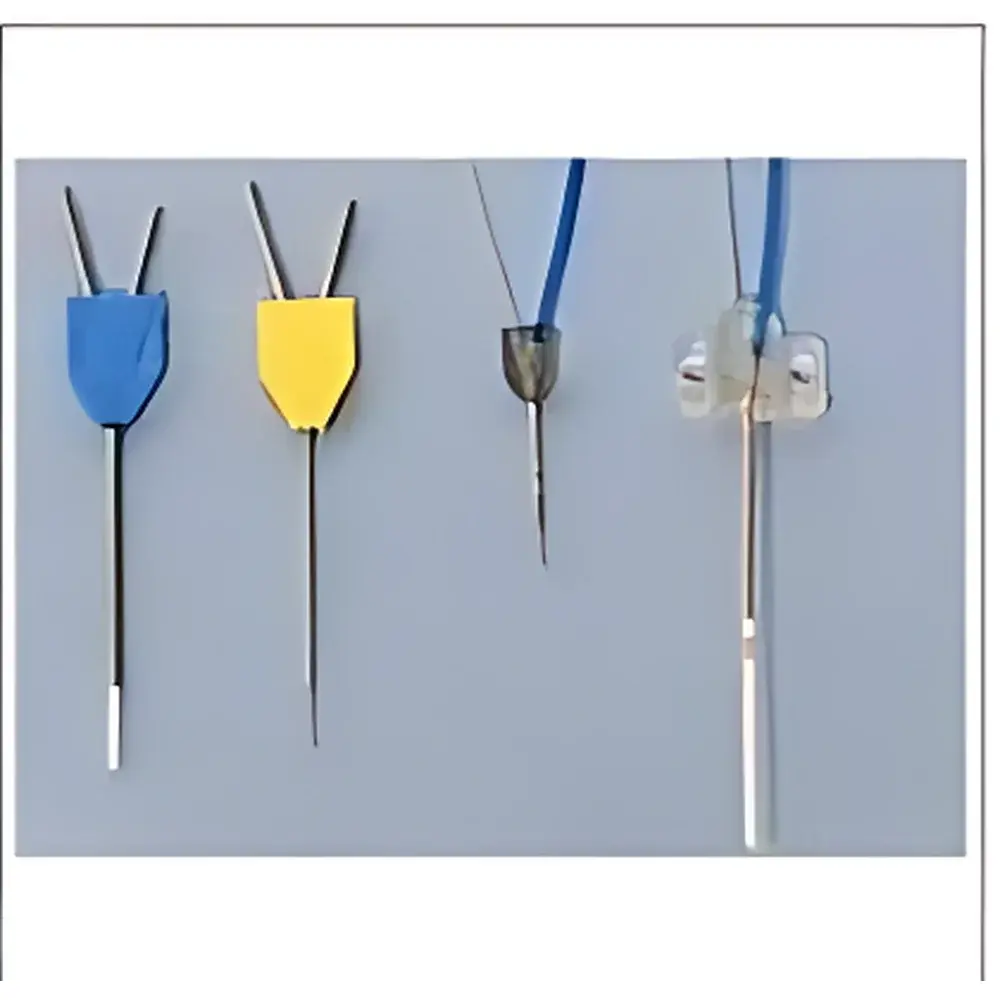
CMA Microdialysis Probe Model 2
| Origin | USA |
|---|---|
| Manufacturer Type | Authorized Distributor |
| Origin Category | Imported |
| Model | 2 |
| Pricing | Upon Request |
Overview
The CMA Microdialysis Probe Model 2 is a precision-engineered, implantable sampling device designed for in vivo molecular monitoring in preclinical neuroscience, pharmacokinetic, and neuropharmacological research. Operating on the principle of passive diffusion across a semi-permeable membrane, the probe enables continuous, real-time sampling of unbound analytes—including neurotransmitters (e.g., dopamine, serotonin, glutamate), metabolites (e.g., glucose, lactate), drugs, and peptides—from extracellular fluid in discrete brain regions or peripheral tissues. Its concentric design—comprising an inner perfusion cannula and an outer sheath enclosing a cylindrical semi-permeable membrane—ensures laminar, low-shear perfusion flow and minimizes tissue displacement during insertion. The probe is fully compatible with CMA’s microdialysis systems (e.g., CMA 100, CMA 400, CMA 470) and supports both retrodialysis and no-net-flux calibration methodologies per established ICH and FDA guidance for quantitative in vivo sampling.
Key Features
- Concentric geometry with integrated inlet and outlet ports—optimized for stable hydrodynamic performance and minimal backpressure across physiological flow rates (0.1–5.0 µL/min)
- Semi-permeable membrane fabricated from regenerated cellulose or polyacrylonitrile, available in standard molecular weight cut-offs (MWCO) of 6–100 kDa to match target analyte size
- Pre-processed stainless steel and fused silica components—passivated to suppress oxidative degradation of redox-sensitive compounds (e.g., catecholamines, ascorbate)
- Biocompatible polymer housing and sharp-tipped insertion stylet—designed for precise stereotaxic placement with minimal acute tissue trauma
- Compatible with guide cannula-based implantation protocols—enabling delayed probe insertion in awake, freely moving subjects to reduce surgical stress artifacts and improve data fidelity
- Autoclavable (non-membrane components) and ethylene oxide (EtO)-sterilizable—supporting GLP-compliant study execution and multi-use validation where permitted
Sample Compatibility & Compliance
The Model 2 probe supports sampling in rodent (rat, mouse), rabbit, and non-human primate models across cortical, striatal, hippocampal, ventral tegmental, and peripheral tissue sites. It complies with ISO 10993-5 (cytotoxicity), ISO 10993-10 (irritation/sensitization), and ASTM F748 (standard practice for biological evaluation of medical device materials). When used within validated microdialysis workflows—including calibrated flow control, temperature-stabilized perfusate delivery, and on-line HPLC-EC or LC-MS/MS detection—the system meets analytical requirements outlined in USP Analytical Instrument Qualification and supports audit readiness for FDA 21 CFR Part 11–compliant electronic records when paired with CMA’s certified software platforms.
Software & Data Management
While the probe itself is hardware-only, its integration into CMA’s ecosystem enables traceable, metadata-rich experimental workflows. When operated with CMA Software Suite (v5.0+), all probe-specific parameters—including lot number, membrane type, MWCO, insertion coordinates, perfusion rate, and calibration method—are logged alongside time-stamped concentration data. Audit trails capture user actions, instrument settings, and calibration events in accordance with ALCOA+ principles (Attributable, Legible, Contemporaneous, Original, Accurate, Complete, Consistent, Enduring, Available). Export formats include CSV, Excel, and direct linkage to LIMS via ODBC for centralized data governance in regulated environments.
Applications
- Real-time monitoring of neurotransmitter dynamics during behavioral assays (e.g., operant conditioning, fear extinction, locomotor activity)
- Pharmacokinetic/pharmacodynamic (PK/PD) profiling of CNS-penetrant therapeutics—including receptor occupancy kinetics and metabolite formation
- Neuroinflammatory biomarker tracking (e.g., cytokines, prostaglandins) in models of stroke, epilepsy, or neurodegeneration
- Intratumoral drug distribution studies in orthotopic glioma models
- Peripheral microdialysis in skeletal muscle, adipose tissue, or skin for metabolic phenotyping (e.g., insulin resistance, lipolysis)
- Validation of PET radioligand binding through parallel measurement of endogenous ligand concentrations
FAQ
Is the Model 2 probe suitable for chronic implantation studies?
Yes—when implanted with a guide cannula and used with appropriate aseptic technique and post-operative care, it supports up to 72 hours of continuous sampling in awake rodents, with demonstrated stability in extracellular dopamine and glutamate recovery under standardized conditions.
Can the probe be reused?
Reuse is not recommended for regulatory or scientific reproducibility reasons; each probe is intended for single-use per animal to prevent carryover contamination and membrane fouling. Sterilization does not restore membrane integrity or diffusion characteristics.
What perfusate formulations are compatible?
Standard artificial cerebrospinal fluid (aCSF) is most common; however, the probe accommodates isotonic buffers containing antioxidants (e.g., ascorbic acid, sodium metabisulfite) or enzyme inhibitors (e.g., PMSF, bestatin) depending on analyte stability requirements.
Does the probe require special handling prior to use?
Yes—probes must be equilibrated in perfusate at room temperature for ≥30 minutes before implantation to minimize osmotic shock and ensure baseline membrane hydration and diffusion equilibrium.