
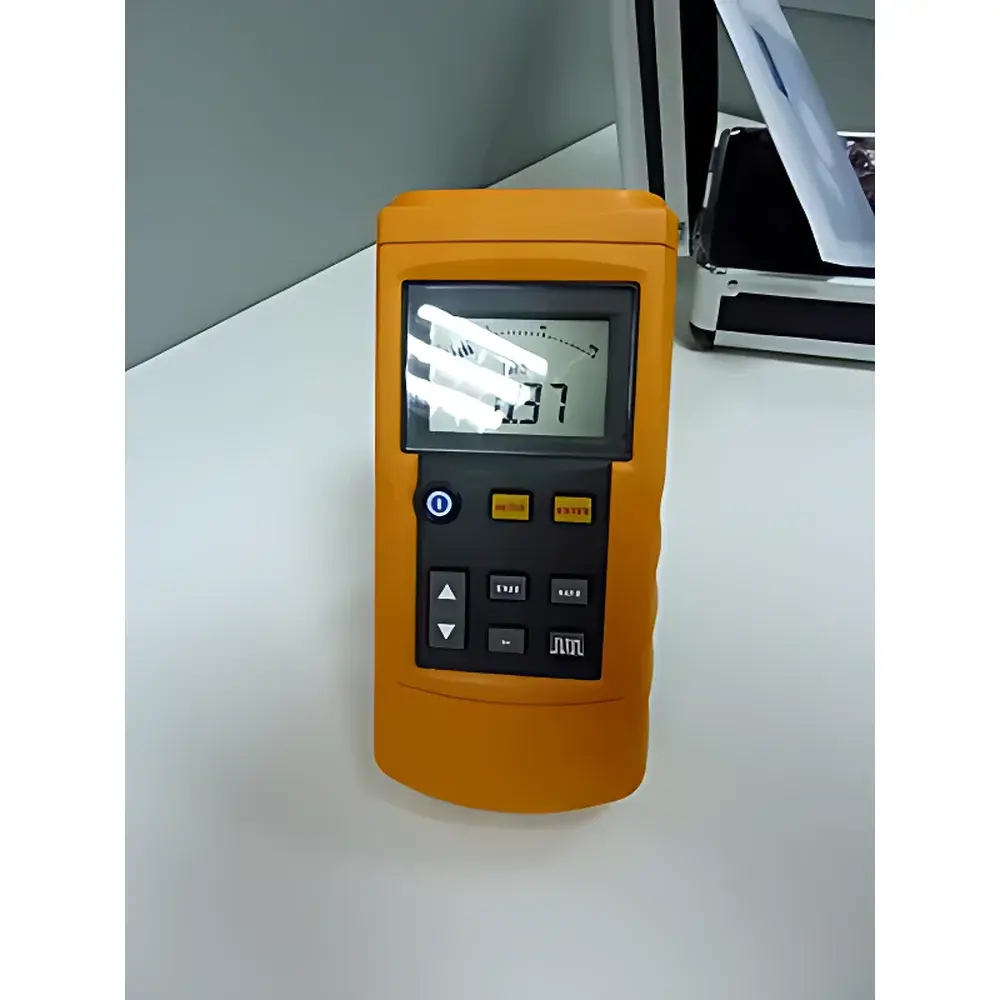
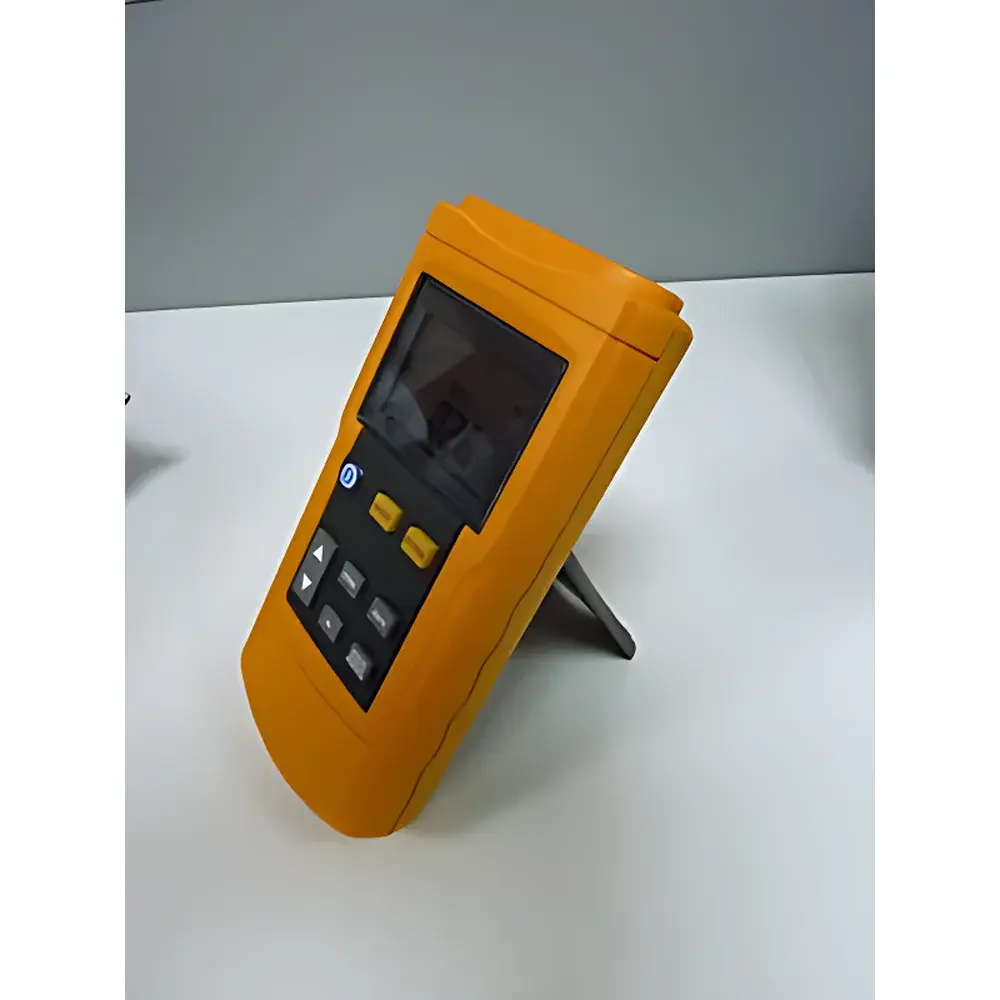
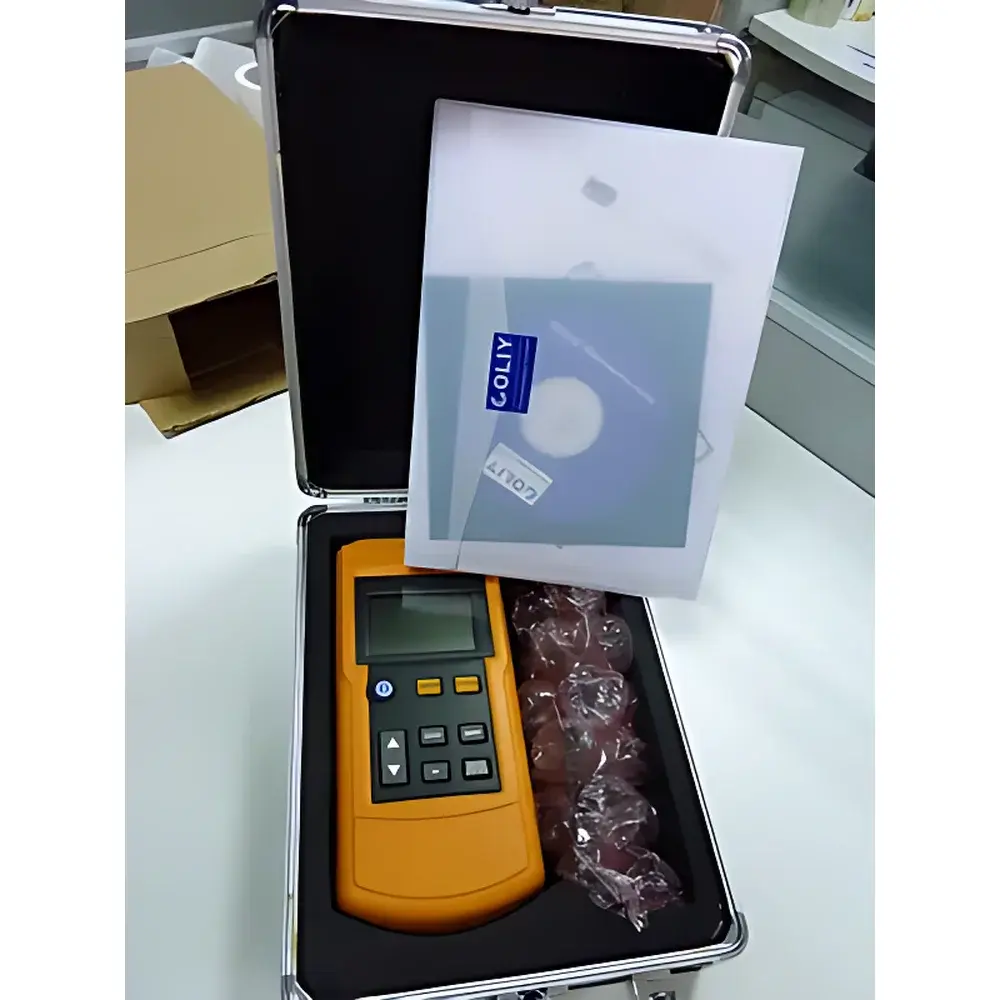
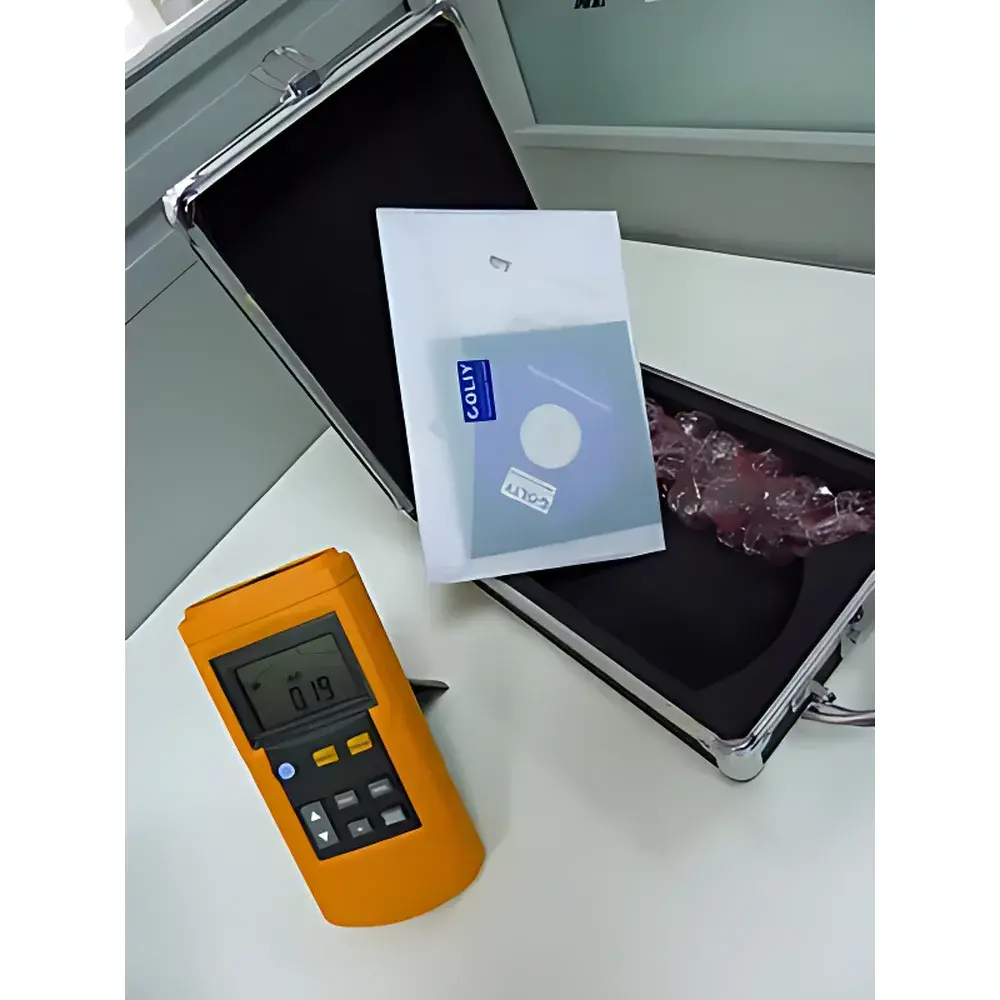
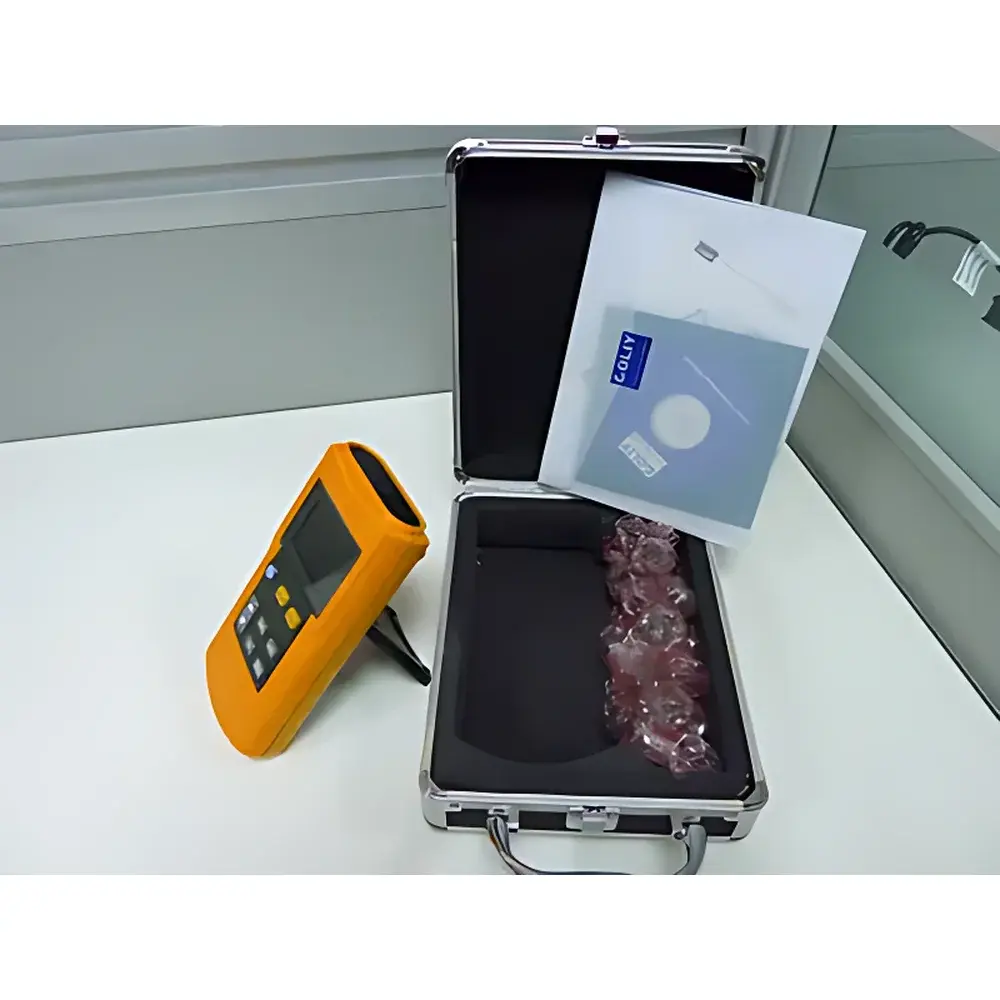
Coliy R280 Portable Multifunction Digital Radiation Survey Meter
| Origin | Germany |
|---|---|
| Manufacturer Type | Authorized Distributor |
| Origin Category | Imported |
| Model | R280 |
| Instrument Type | Portable Dose Rate Meter |
| Radiation Types Detected | Beta (β), Gamma (γ), and X-rays |
| Detector Type | Halogen-Quenched Geiger-Müller Tube |
| Measurement Range (Dose Rate) | 0.01 µSv/h – 1000 µSv/h |
| Sensitivity | ≥10⁸ counts per µSv/h (for ⁶⁰Co, 1.25 MeV) |
| Energy Response Threshold | β ≥ 0.2 MeV, γ/X ≥ 0.02 MeV |
| Operating Temperature | −40 °C to +75 °C |
| Dimensions | 190 mm × 88 mm × 40 mm |
| Weight | 500 g |
| Power Supply | 9 V alkaline battery (IEC 6LR61) |
| Data Storage Capacity | 2000 records (manual or auto-triggered) |
| Compliance | CE (EN 61000-6-3, EN 61000-6-2), FCC Part 15 Subpart B |
Overview
The Coliy R280 Portable Multifunction Digital Radiation Survey Meter is a field-deployable, microprocessor-controlled radiation detection instrument engineered for precision measurement of ambient dose equivalent rate (H*(10)) and surface contamination in mixed beta–gamma–X-ray fields. Based on halogen-quenched Geiger-Müller (GM) tube detection technology, the R280 operates under the principle of ionization pulse counting in low-pressure gas-filled detectors, delivering real-time dose rate quantification traceable to national standards. Designed for operational robustness in industrial, emergency response, and regulatory compliance environments, it meets the functional requirements of ISO 4037-3 (calibration of radiation protection instrumentation) and supports routine use in accordance with IEC 60846-1:2014 for portable radiation monitoring devices. Its compact form factor, extended temperature tolerance, and high shock resistance make it suitable for continuous deployment in laboratories, nuclear facilities, environmental monitoring stations, and first-responder operations.
Key Features
- Real-time digital display of ambient dose rate (µSv/h), accumulated dose (µSv–Sv), and count rate (cpm/cps) on a high-contrast 4-digit LCD with bar-graph visualization
- Adjustable averaging time (1 s to 60 s) to optimize signal-to-noise ratio for low-level or transient radiation fields
- Configurable audible and visual alarm thresholds (default: 5 µSv/h), with user-defined setpoints stored in non-volatile memory
- USB 2.0 interface enabling direct data streaming and synchronized logging to Windows-based analysis software (included)
- Onboard storage of up to 2000 measurement records—timestamped, with manual or automatic capture modes
- Self-contained calibration verification capability; factory calibration traceable to PTB (Physikalisch-Technische Bundesanstalt) reference sources
- Ergonomic housing rated IP54 for dust and splash resistance; operating life >200 hours per 9 V battery under typical usage
Sample Compatibility & Compliance
The R280 detects ionizing radiation from natural and artificial radionuclides across a broad energy spectrum: beta particles ≥0.2 MeV (e.g., ⁹⁰Sr/⁹⁰Y), gamma photons ≥0.02 MeV (e.g., ¹³⁷Cs, ⁶⁰Co, ²²⁶Ra), and diagnostic/industrial X-ray beams (20–150 kVp). It is routinely deployed for surface contamination screening (in cpm mode), environmental gamma background mapping, radon progeny assessment (via equilibrium-equivalent activity estimation), and post-decontamination verification. The device complies with European Electromagnetic Compatibility Directive 2014/30/EU and Radio Equipment Directive 2014/53/EU. While not certified for Class I medical device applications per MDR 2017/745, its performance aligns with ANSI N42.33-2021 for handheld radiation survey instruments used in health physics and environmental surveillance.
Software & Data Management
The bundled Windows-compatible software provides real-time telemetry visualization, configurable data export (CSV, TXT), statistical reporting (min/max/avg/std dev), and time-series graphing. All logged entries include UTC timestamps, detector voltage status, battery level, and operator-defined location tags. Audit trails are preserved without modification; no data encryption or FDA 21 CFR Part 11 electronic signature functionality is implemented, as the instrument is intended for non-GxP field screening—not regulated clinical or pharmaceutical release testing. Firmware updates are delivered via USB and require no external programming hardware.
Applications
- Routine monitoring of laboratory workbenches, gloveboxes, and waste handling areas for beta/gamma surface contamination
- Environmental site assessments—including granite quarries, landfill boundaries, and groundwater sampling points—for elevated gamma dose rates indicative of ²²⁶Ra or ⁴⁰K anomalies
- Verification of shielding integrity around X-ray diffraction (XRD) systems, fluoroscopy units, and industrial radiography enclosures
- Emergency response triage during radiological dispersal events (RDEs) or lost source incidents, supporting IAEA Response and Assistance Network (RANET) protocols
- Regulatory compliance checks in pharmaceutical cleanrooms (USP Annex), nuclear power plant perimeter zones, and scrap metal recycling facilities (IAEA RS-G-1.9)
- Consumer product screening—ceramic glazes, antique glassware, thoriated welding rods, and geological specimens—for unauthorized radioactive content
FAQ
What is the recommended recalibration interval?
Coliy specifies a maximum 5-year calibration verification interval under stable storage and moderate field use. However, annual traceable recalibration against a certified ¹³⁷Cs source is advised for applications requiring documented metrological traceability.
Can the R280 measure alpha radiation?
No. The halogen-quenched GM tube lacks a thin entrance window required for alpha particle detection; it is insensitive to α-emitters such as ²³⁸Pu or ²⁴¹Am.
Is the USB cable included, and what is its maximum operational length?
A standard 1.5 m USB-A to mini-B cable is supplied. Optional shielded extension cables (up to 100 m) are available for remote monitoring setups, though signal integrity beyond 30 m requires active repeater support.
Does the instrument support external probe connectivity?
No. The R280 integrates a fixed GM detector; no external probe ports or modular sensor interfaces are provided.
How is energy dependence compensated across the measurement range?
Energy compensation is achieved through proprietary tube wall thickness optimization and internal filtering—validated per IEC 60846-1 Annex B for ±30% deviation between 60 keV and 1.3 MeV, referenced to ¹³⁷Cs.
Related Products







