
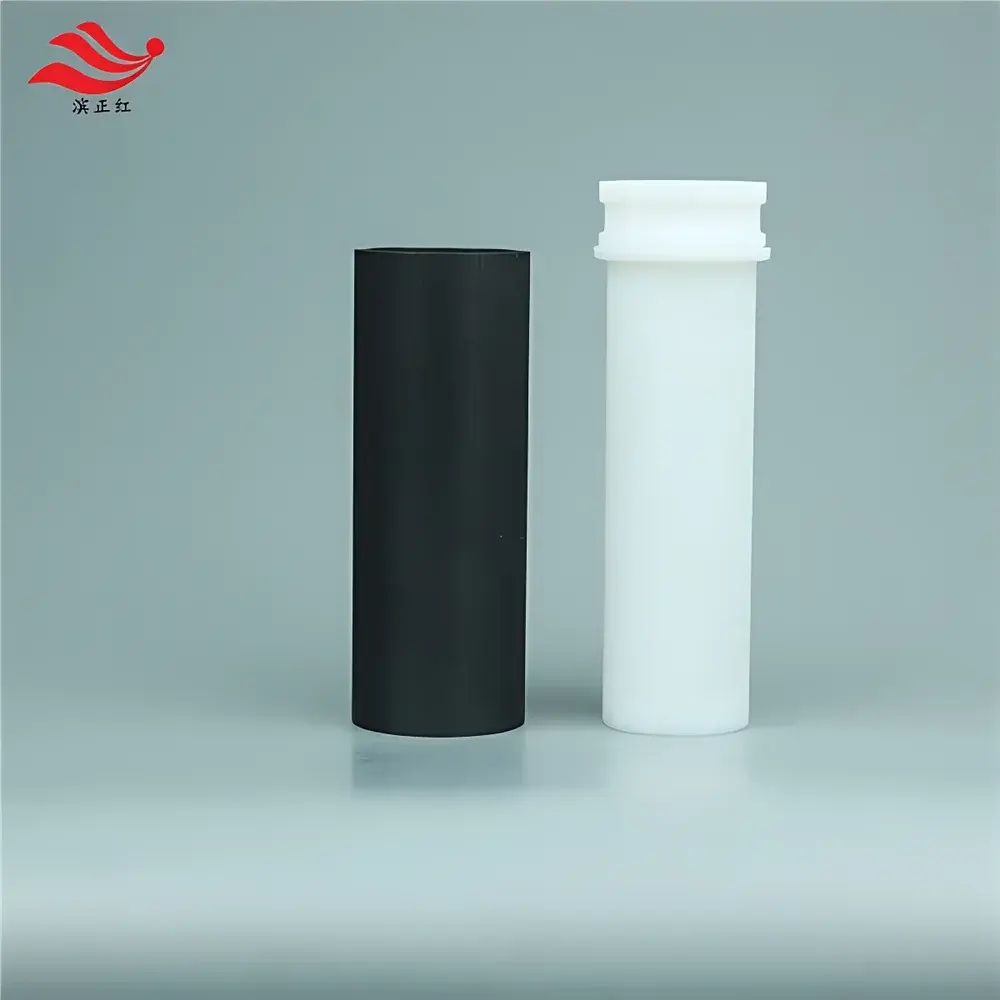
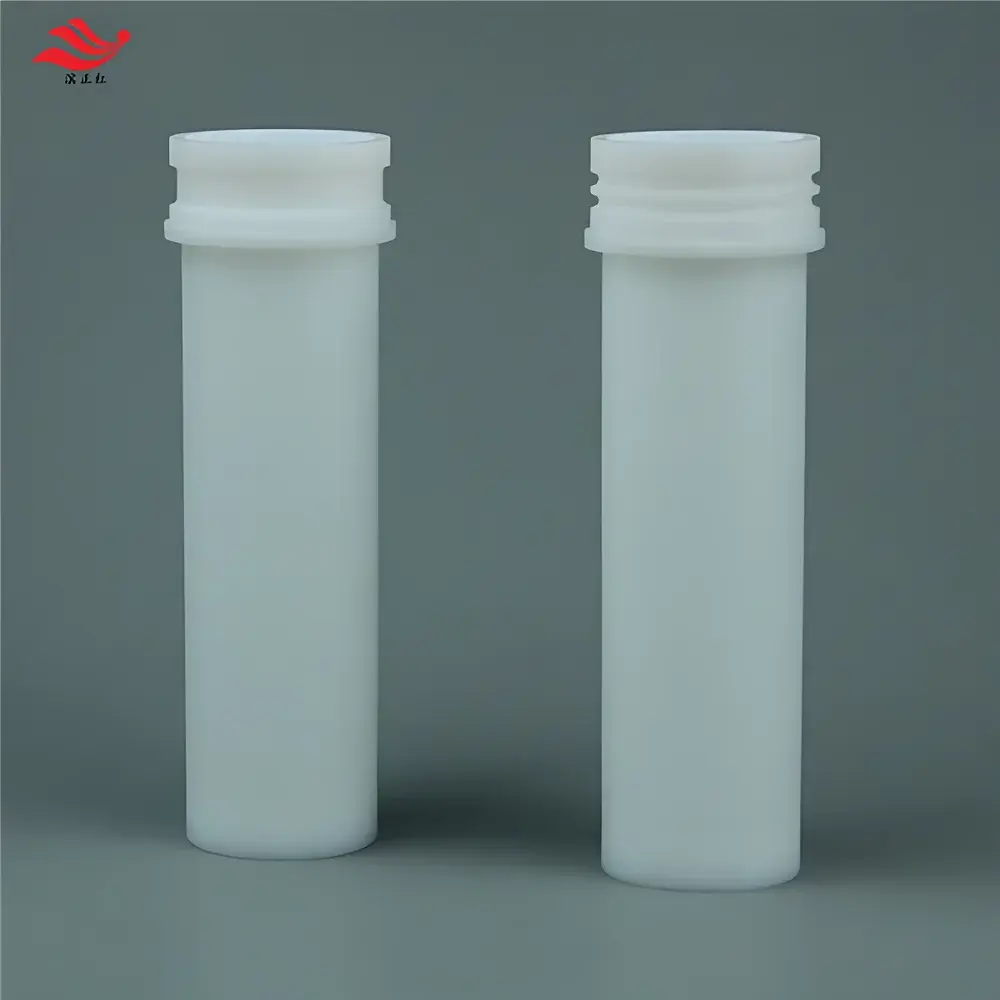
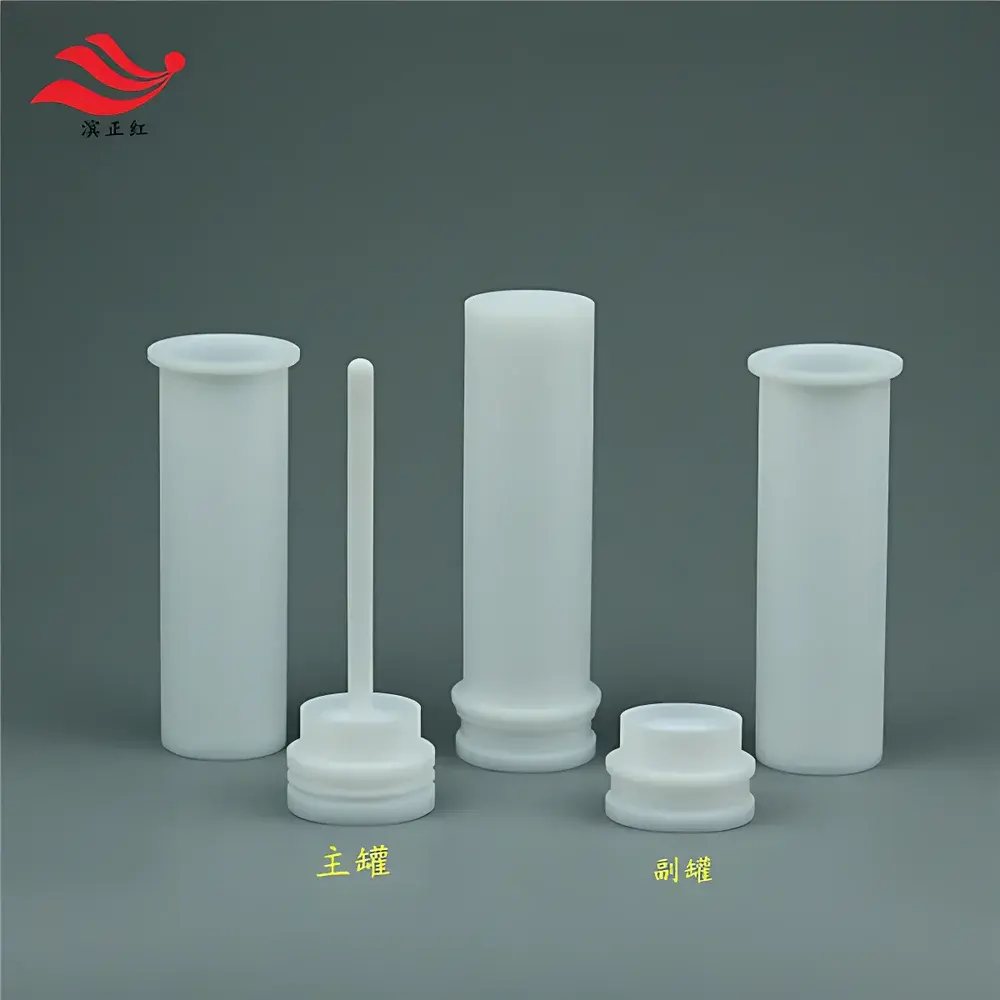
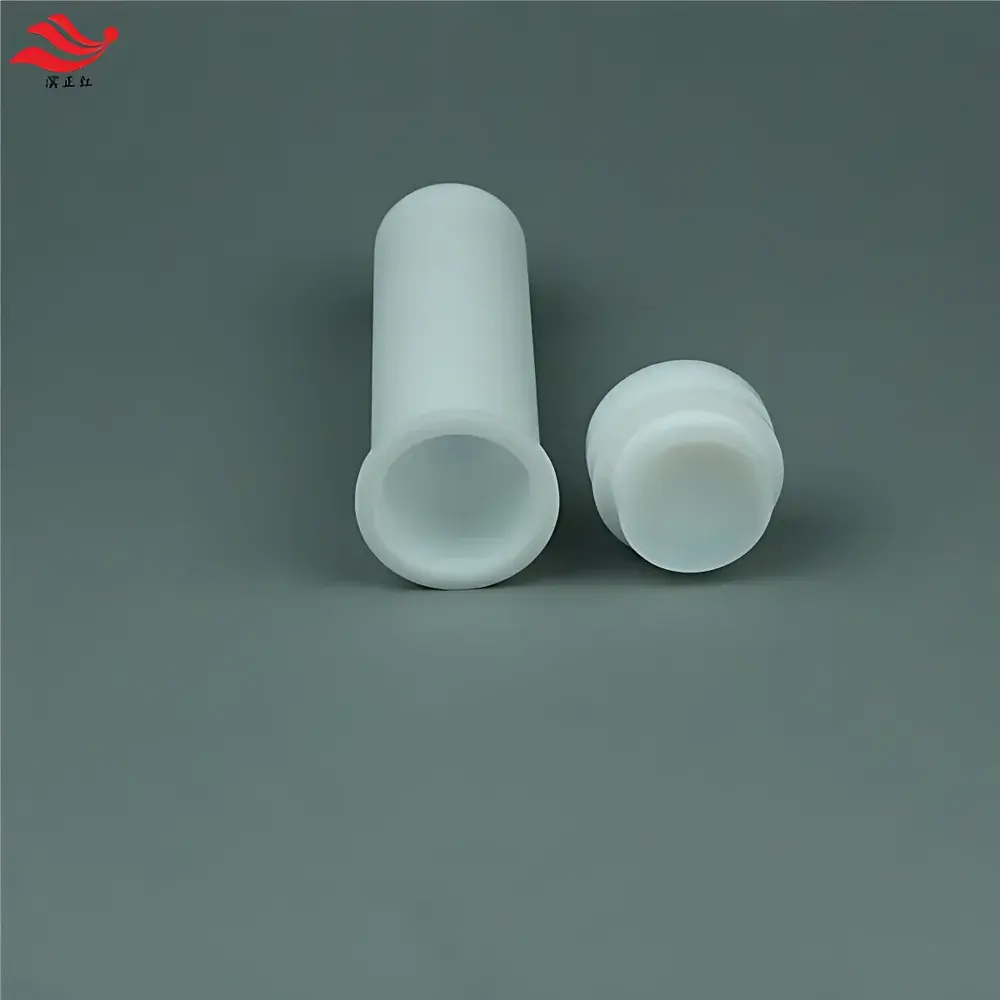
Cupid-B Series Microwave Digestion Vessels (Main & Auxiliary Vessels, 100 mL Capacity)
| Brand | Nanjing Binzhenghong |
|---|---|
| Origin | Jiangsu, China |
| Manufacturer Type | OEM/ODM Producer |
| Origin Classification | Domestic (PRC) |
| Model | Cupid-B |
| Price Range | USD 0.15 – 195 |
Overview
The Cupid-B Series Microwave Digestion Vessels are precision-engineered PTFE-TFM™ and PFA-lined high-pressure digestion vessels designed for safe, reproducible, and contamination-free sample preparation in trace metal analysis workflows. Engineered for compatibility with mainstream closed-vessel microwave digestion systems—including CEM MARS, Anton Paar Multiwave PRO, and Milestone ETHOS UP—the Cupid-B main and auxiliary vessel set supports standardized 100 mL total internal volume configurations. Each vessel operates under controlled pressurized thermal decomposition conditions (up to 300 °C / 60 bar), leveraging microwave energy absorption by polar solvents (e.g., HNO₃, HCl, HF) to achieve complete organic matrix destruction and analyte liberation into solution. The system is optimized for regulatory-compliant digestion of environmental soils, biological tissues, food matrices, polymers, and geological samples prior to ICP-MS, ICP-OES, or AAS quantification.
Key Features
- Chemically inert construction: Inner liner fabricated from ultra-pure TFM™ fluoropolymer (ASTM D4894-compliant), outer pressure sleeve from reinforced fiberglass-reinforced PEEK with stainless-steel locking mechanism.
- Dual-vessel architecture: Main digestion vessel (100 mL nominal capacity) paired with auxiliary venting/pressure-relief vessel to enable real-time pressure monitoring and controlled gas release during ramp-and-hold protocols.
- Zero-metal leaching design: All wetted surfaces undergo multi-stage acid-washing (HNO₃/HF blend, 120 °C, 4 h) and blank verification per ISO 17025 validation criteria; typical procedural blanks < 10 pg/g for Cd, Pb, As, Cr.
- Thermal shock resistance: Rated for repeated cycling between −40 °C and +300 °C without delamination or microcracking—validated per ASTM E2219 accelerated aging tests.
- Ergonomic sealing interface: Dual O-ring (FEP-coated silicone + Kalrez® 6375) compression seal with torque-limited closure cap ensures leak-tight integrity while minimizing operator-induced over-tightening errors.
Sample Compatibility & Compliance
The Cupid-B system accommodates solid, semi-solid, and liquid samples up to 1.5 g dry mass or 2 mL liquid volume—optimized for EPA Method 3051A/3052, ISO 11466, and GB/T 17141-1997 compliant digestion protocols. It meets CE marking requirements for laboratory equipment (2014/30/EU EMC Directive and 2014/35/EU LVD Directive). Vessel geometry conforms to IUPAC-recommended aspect ratios (height/diameter ≈ 2.8) to ensure uniform microwave field coupling and minimize hot-spot formation. All materials comply with USP Class VI biocompatibility standards and FDA 21 CFR 177.1550 for fluoropolymer food-contact safety—critical for clinical and nutraceutical applications.
Software & Data Management
While the Cupid-B vessels themselves are hardware components, their use integrates seamlessly with instrument control software supporting audit-trail-enabled method storage (e.g., CEM’s iWave, Anton Paar’s Multiwave Navigator). Each batch includes a serialized calibration certificate traceable to NIST SRM 2783 (Trace Elements in Spinach Leaves), with full documentation of blank testing, pressure-cycle validation, and thermal stability profiling. For GLP/GMP environments, vessel usage logs—including lot number, sterilization cycle count, and cumulative exposure time above 200 °C—can be maintained within LIMS via barcode-scanned identifiers embedded on vessel bases.
Applications
- Environmental monitoring: Total recoverable metals in sediments (EPA 6010D), airborne particulate filters (NIOSH 7300), and wastewater sludge (ISO 11047).
- Clinical toxicology: Quantification of essential/toxic elements (Zn, Cu, Se, Al, Ni) in whole blood, serum, and hair digests per CLIA and CAP guidelines.
- Food safety: Lead, cadmium, and inorganic arsenic determination in infant formula (EU 1881/2006), spices, and seafood per AOAC 999.10.
- Materials science: Rare earth element extraction from NdFeB magnets and Li-ion battery cathode powders prior to XRF or ICP-MS fingerprinting.
- Geochemical research: Whole-rock digestion of silicate minerals using HF-HNO₃-HClO₄ mixtures under temperature-programmed control.
FAQ
What cleaning protocol is required before first use?
Rinse thoroughly with deionized water (≥18.2 MΩ·cm), followed by three sequential rinses with ASTM Type I ultrapure water. Air-dry in a Class 100 clean bench or bake at 80 °C for 2 h. Never use abrasive brushes or organic solvents.
Can HF be used safely in Cupid-B vessels?
Yes—TFM™ liners exhibit negligible etching rates (<0.1 µm/year) under 40% HF at 220 °C, as verified by SEM surface profilometry after 50 digestion cycles.
Is post-digestion residue clarity a reliable indicator of completeness?
Yes—optical clarity (absence of suspended particles or turbidity) correlates strongly with >98% organic carbon removal, confirmed by TOC analysis per ISO 8245. Cloudiness indicates incomplete oxidation or polymer cross-linking.
How often should pressure seals be replaced?
Kalrez® O-rings maintain functional integrity for ≥200 cycles at ≤250 °C; replacement is recommended every 6 months in high-throughput labs or after any visible compression set (>15% thickness loss).
Are vessel lots certified for low-background trace analysis?
Each production lot undergoes batch-level blank testing against ICP-MS detection limits (sub-fg/mL for As, Bi, U); full analytical reports are supplied with Certificate of Analysis (CoA).
Related Products



