
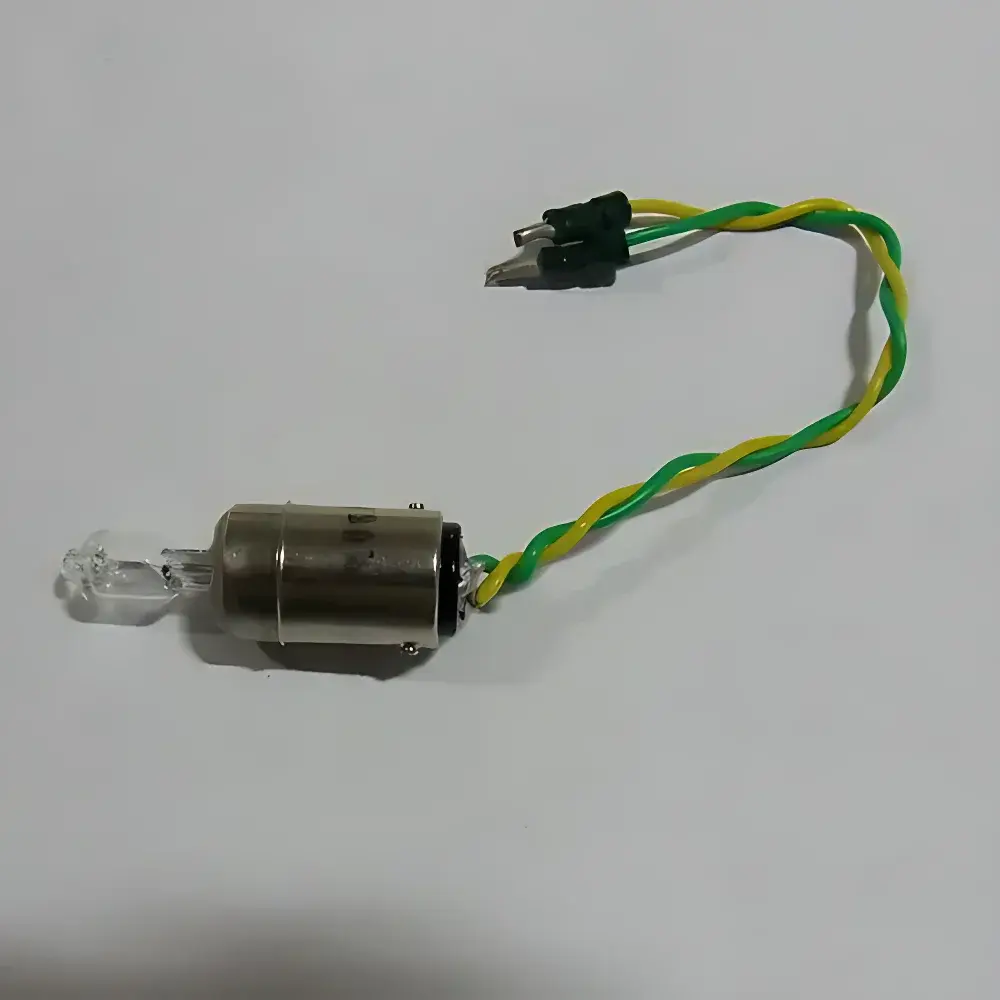
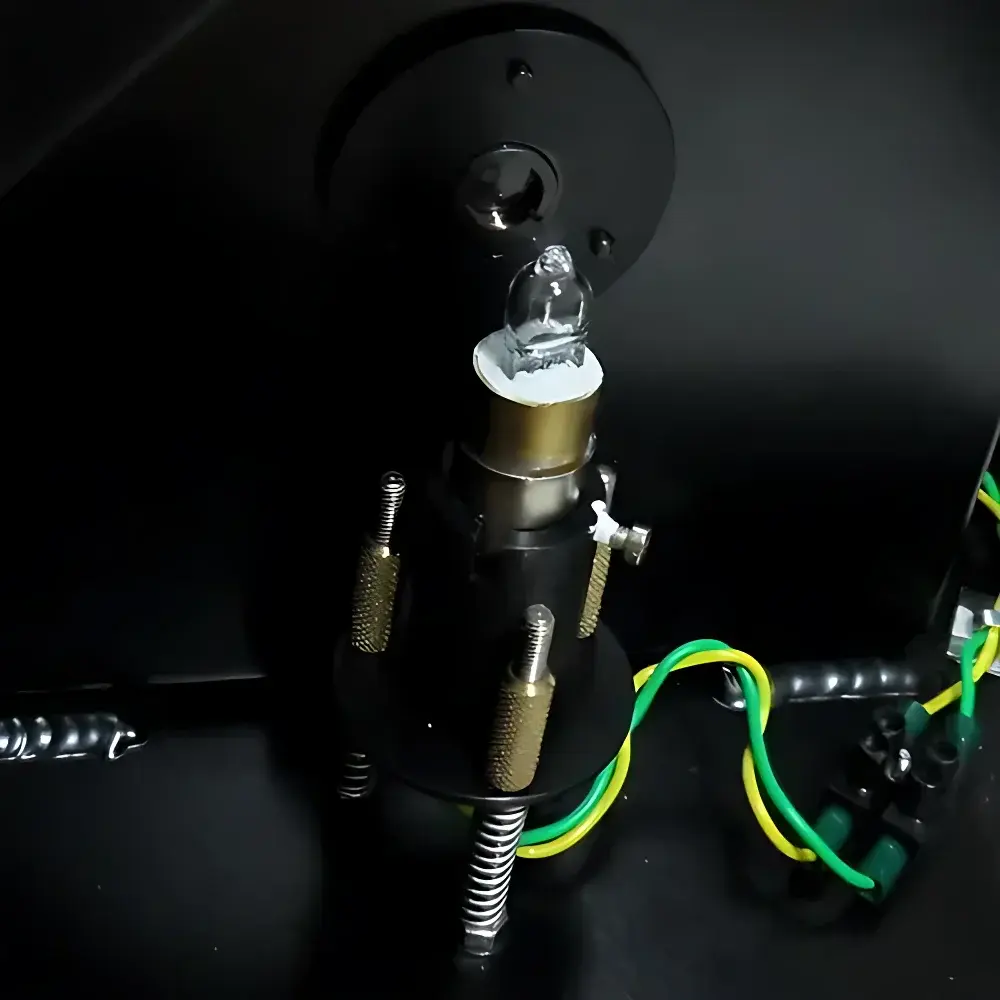
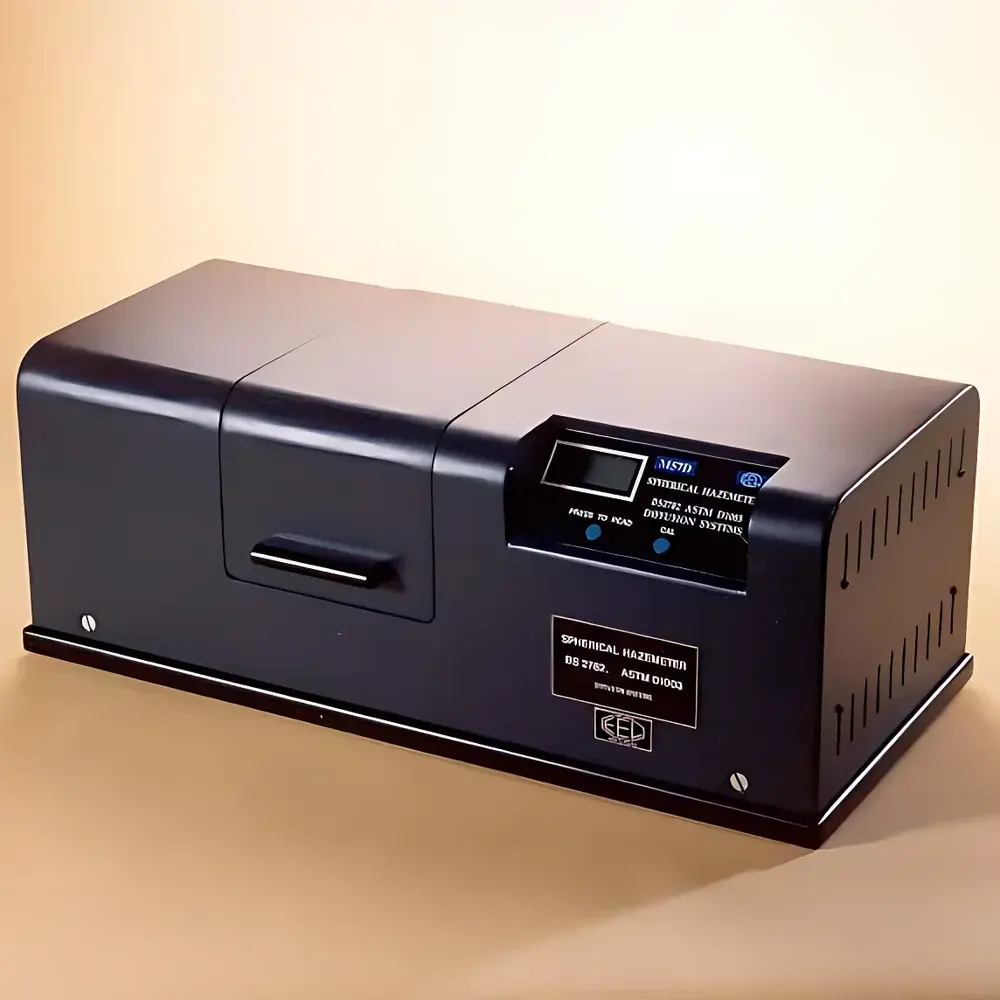
Diffusion EEL-57D Haze Meter Light Source
| Brand | Diffusion |
|---|---|
| Origin | United Kingdom |
| Model | EEL-57D |
| Type | Automatic |
| Transmittance Range | 0–100% |
| Haze Repeatability | ±0.1 units |
| Transmittance Repeatability | ±0.1 units |
| Optical Geometry | 0°/diffuse |
| Compliance | ASTM D1003, BS 2782 |
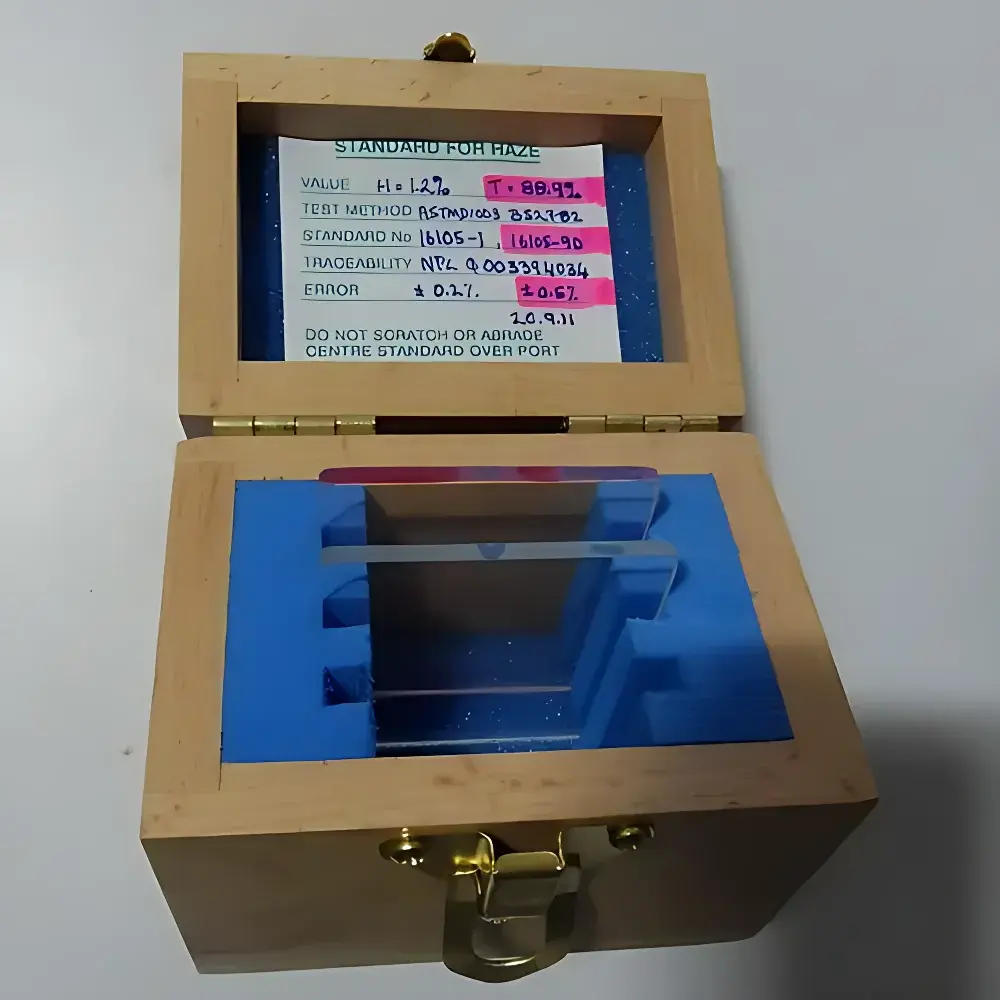
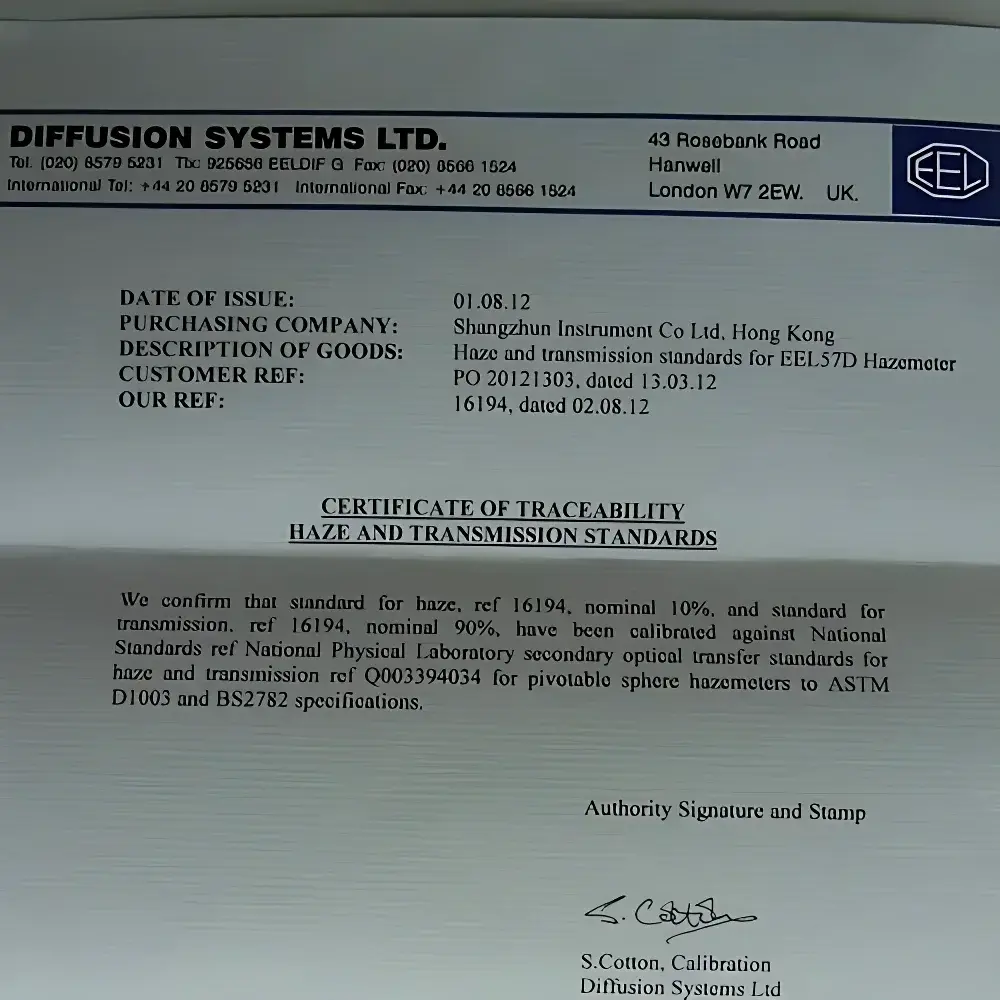
| Calibration Traceability | NPL (National Physical Laboratory, UK) |
| Spectral Response | CIE Illuminant A and C |
| Sample Port Diameter (Transmittance) | 22 mm |
| Illumination Port Diameter | 15 mm |
| Source–Detector Spacing | 90 mm |
| Warm-up Time | 1 min |
| Zero Drift | None |
| Full-Scale Drift | <0.1 units within 5 min after warm-up |
| Operating Temperature | 5–50 °C |
| Storage Temperature | −10–65 °C |
| Power Supply | 110–230 VAC, 50–60 Hz |
| Dimensions (H×W×D) | 200 × 530 × 240 mm |
| Weight | 12 kg |
| Shipping Weight | 14 kg |
| Optional Accessories | Cuvette holder for liquid haze/transmittance measurement |
Overview
The Diffusion EEL-57D Haze Meter Light Source is a precision optical subassembly engineered for consistent, traceable, and standards-compliant haze and luminous transmittance measurements in industrial quality control and R&D laboratories. Designed and manufactured by Diffusion Systems Ltd (UK), the EEL-57D serves as the calibrated illumination module for dedicated haze meters—specifically those configured to operate per the 0°/diffuse (0°/d) optical geometry defined in ASTM D1003 and BS 2782. Unlike broad-spectrum or uncharacterized lamps, this light source delivers spectrally stable output aligned with CIE Illuminant A (incandescent reference) and Illuminant C (daylight approximation), ensuring photometric validity across material classes—from colorless polymers to tinted glass and translucent ceramics. Its integral thermal and mechanical design minimizes spectral shift during operation, while the 90 mm source-to-detector spacing accommodates rigid, flexible, and laminated specimens up to 22 mm in diameter without vignetting or edge diffraction artifacts.
Key Features
- Calibrated light source traceable to the National Physical Laboratory (NPL), UK—providing metrological confidence for audit-ready quality systems.
- Stable spectral output conforming to CIE Illuminants A and C—critical for reproducible haze quantification across diverse material bases.
- Optimized 0°/diffuse geometry with 15 mm illumination port and 22 mm sample port—enabling high-fidelity transmission and scatter capture under standardized collimation.
- Low thermal drift architecture: zero baseline drift and <0.1 unit full-scale drift within 5 minutes post-warm-up (1 min required).
- Rugged mechanical housing (200 × 530 × 240 mm; 12 kg) with light-tight sample chamber—eliminating ambient interference in factory-floor or shared-lab environments.
- Universal AC input (110–230 VAC, 50–60 Hz) supporting global deployment without voltage conversion hardware.
Sample Compatibility & Compliance
The EEL-57D light source supports haze and transmittance assessment of flat, rigid, or semi-flexible specimens meeting ASTM D1003 thickness and surface flatness criteria—including plastic films (PET, PP, PC), laminated automotive glazing, ceramic tiles, coated optics, pharmaceutical blister packaging, cosmetic emulsion containers, and protective clear coats. Optional accessories extend functionality: a precision cuvette holder enables quantitative haze analysis of liquids (e.g., detergent formulations, polymer dispersions), while a Taber-abrasion–resistant sample fixture maintains positional repeatability during durability testing. All measurements comply with ISO 14782 (optical properties of plastics), ASTM D1003 (standard test method for haze and luminous transmittance), and BS 2782-4 (methods of testing plastics—optical properties), making data admissible in GLP, GMP, and FDA-regulated submissions where instrument traceability and inter-laboratory reproducibility are mandatory.
Software & Data Management
As a hardware-level illumination module, the EEL-57D does not incorporate embedded firmware or digital interfaces. It functions as a passive, analog-calibrated component integrated into host haze meter systems equipped with microprocessor-based readout electronics. When paired with compliant instrumentation, it enables automated zero calibration and single-button measurement execution—streamlining operator workflow in production QA settings. For regulatory compliance (e.g., 21 CFR Part 11), data integrity is maintained at the system level: raw analog signals from the detector are digitized and logged with time-stamped audit trails, user authentication, and electronic signature capability—features implemented in the associated meter’s control software, not the light source itself.
Applications
- Quantifying haze development in UV-cured coatings after accelerated weathering exposure.
- Evaluating clarity retention of PET thermoformed food trays following steam sterilization cycles.
- Assessing batch-to-batch consistency of anti-glare polycarbonate face shields used in medical PPE.
- Measuring turbidity-induced transmittance loss in transparent acrylic resins post-machining.
- Validating optical uniformity of printed backlit signage substrates under controlled illuminant conditions.
- Monitoring haze growth in silicone encapsulants during thermal cycling reliability tests.
FAQ
Is the EEL-57D a standalone instrument or a replacement lamp module?
The EEL-57D is a calibrated light source assembly—not a complete meter. It replaces aging or degraded lamps in compatible Diffusion haze meters to restore metrological accuracy.
How often must the EEL-57D be recalibrated?
NPL-traceable calibration is performed at time of manufacture. Users should verify performance annually using certified reference standards (e.g., NIST-traceable haze plates) or per internal quality protocols.
Can the EEL-57D be used with non-Diffusion instruments?
Mechanical and optical integration is specific to Diffusion-designed meters. Interchangeability with third-party systems is not guaranteed due to proprietary port alignment, spectral filtering, and thermal management requirements.
What is the expected service life of the EEL-57D lamp under continuous operation?
Rated operational lifetime exceeds 1,000 hours at nominal voltage. Degradation manifests as reduced irradiance and increased spectral deviation—both detectable via routine transmittance standard checks.
Does the EEL-57D require warm-up before each measurement session?
Yes—a 1-minute warm-up stabilizes thermal equilibrium and ensures spectral fidelity. The system achieves <0.1 unit repeatability immediately thereafter.





