X-Rite CI60/CI62/CI64 Spectrophotometer Light Source Failure Repair Service
| Brand | X-Rite |
|---|---|
| Origin | USA |
| Manufacturer Type | Authorized Distributor |
| Product Category | Imported Instrument |
| Model | CI60 / CI62 / CI64 |
| Service Fee | USD 0–500 |
| Technician Experience | 15 Years |
| Instrument Type | Color Measurement Spectrophotometer |
| Response Time | Within 1 Business Day |
| Service Scope | Light Source Replacement, Thermal Management Calibration, Firmware Diagnostic & Recovery, Battery Health Assessment and Conditioning, NIST-Traceable Photometric Calibration |
Overview
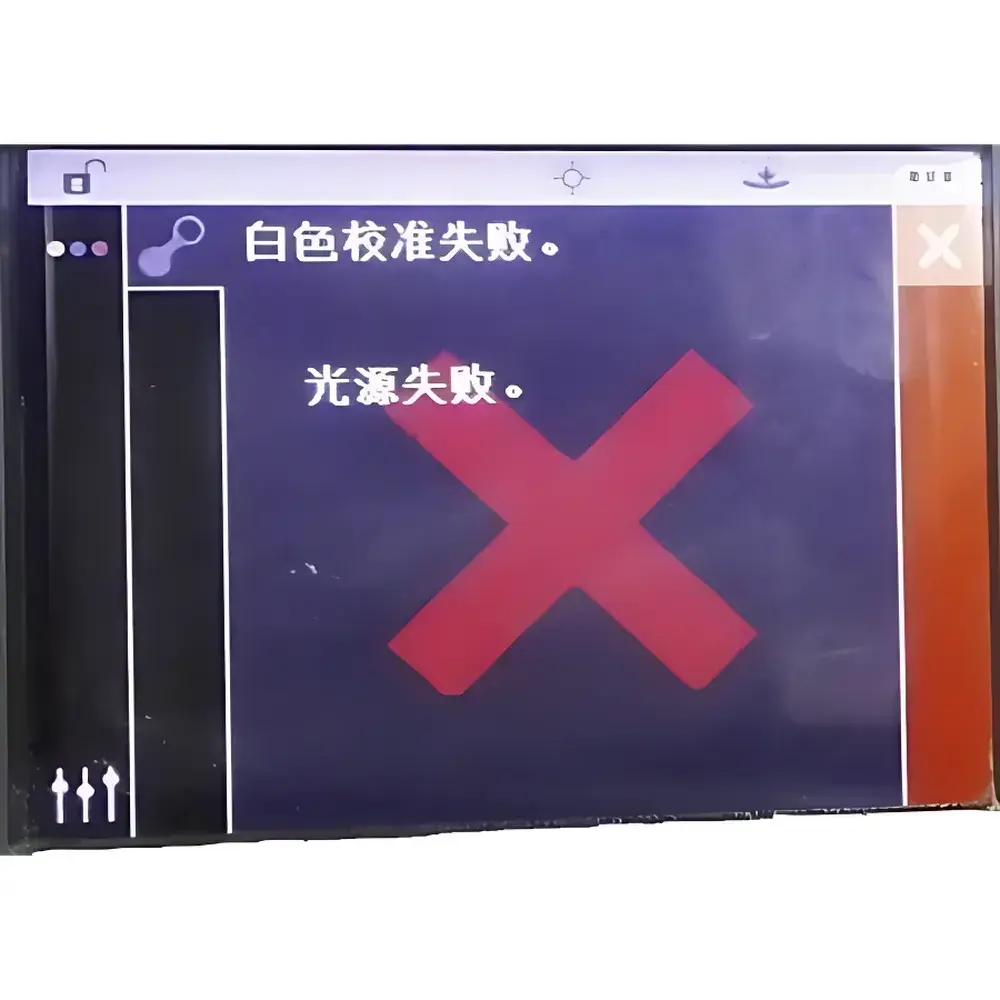
This service addresses critical optical subsystem failure in the X-Rite CI60, CI62, and CI64 benchtop spectrophotometers — specifically, light source degradation or complete failure. These instruments employ a pulsed xenon flash lamp as the primary broadband illumination source, coupled with a diffraction grating monochromator and silicon photodiode array for spectral reflectance measurement across 400–700 nm (CIE standard observer). Light source failure manifests as inconsistent spectral output, low signal-to-noise ratio, calibration drift, or instrument-initiated shutdown due to thermal overload or lamp arc instability. As these devices are widely deployed in QC labs for color-critical industries — including automotive paint, packaging printing, textiles, and plastics — maintaining photometric integrity is essential for compliance with ISO 13655 (M0/M1/M2/M3 measurement conditions), ASTM D2244, and ISO 11664-1–7 colorimetric standards.
Key Features
- Full xenon lamp replacement using OEM-specified components with verified spectral irradiance profile and pulse stability
- Thermal recalibration of lamp housing and detector cooling path to prevent repeat overtemperature events (Tmax > 65°C triggers protective shutdown)
- Optical alignment verification of integrating sphere geometry and detector field-of-view using reference white tile and aperture validation targets
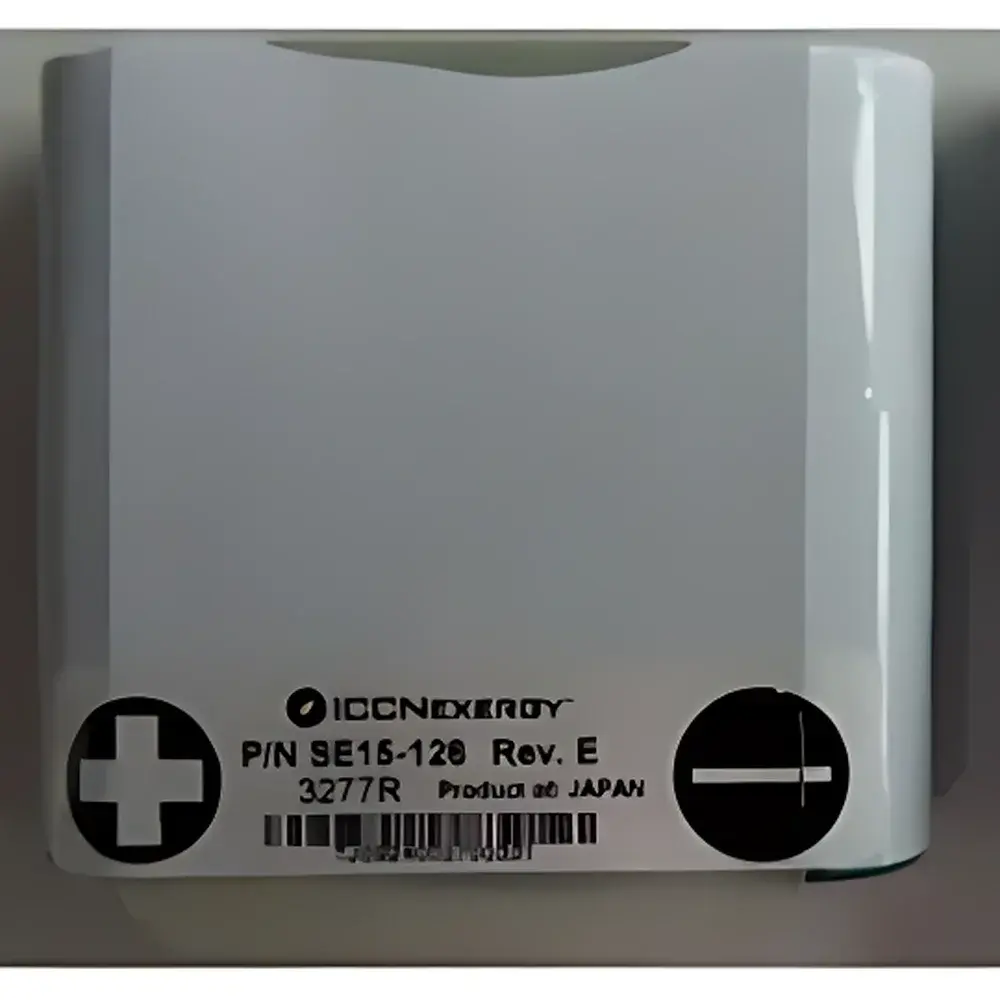
- Firmware-level diagnostic execution to identify latent EEPROM corruption, sensor gain offset errors, or flash capacitor aging
- Post-repair photometric validation against NIST-traceable ceramic standards (e.g., NIST SRM 2014, 2015) per ISO/IEC 17025 procedures
- Documentation includes full service report, pre- and post-calibration spectral data, and traceability statement compliant with FDA 21 CFR Part 11 audit requirements
Sample Compatibility & Compliance
This repair service supports all CI60, CI62, and CI64 variants shipped since 2012, including units configured for M0 (incandescent), M1 (D50), M2 (UV-included), and M3 (polarized) measurement modes. All replaced components meet X-Rite’s original specifications for spectral power distribution (SPD), pulse duration (≤ 10 µs), and radiometric repeatability (CV < 0.1% at 550 nm). The process adheres to ISO 9001-certified internal quality control protocols and satisfies GLP/GMP documentation requirements for regulated environments. No third-party lamps or non-X-Rite firmware modifications are used; all calibrations retain full compatibility with X-Rite Color iQC, Color iMatch, and Datacolor Tools software ecosystems.
Software & Data Management
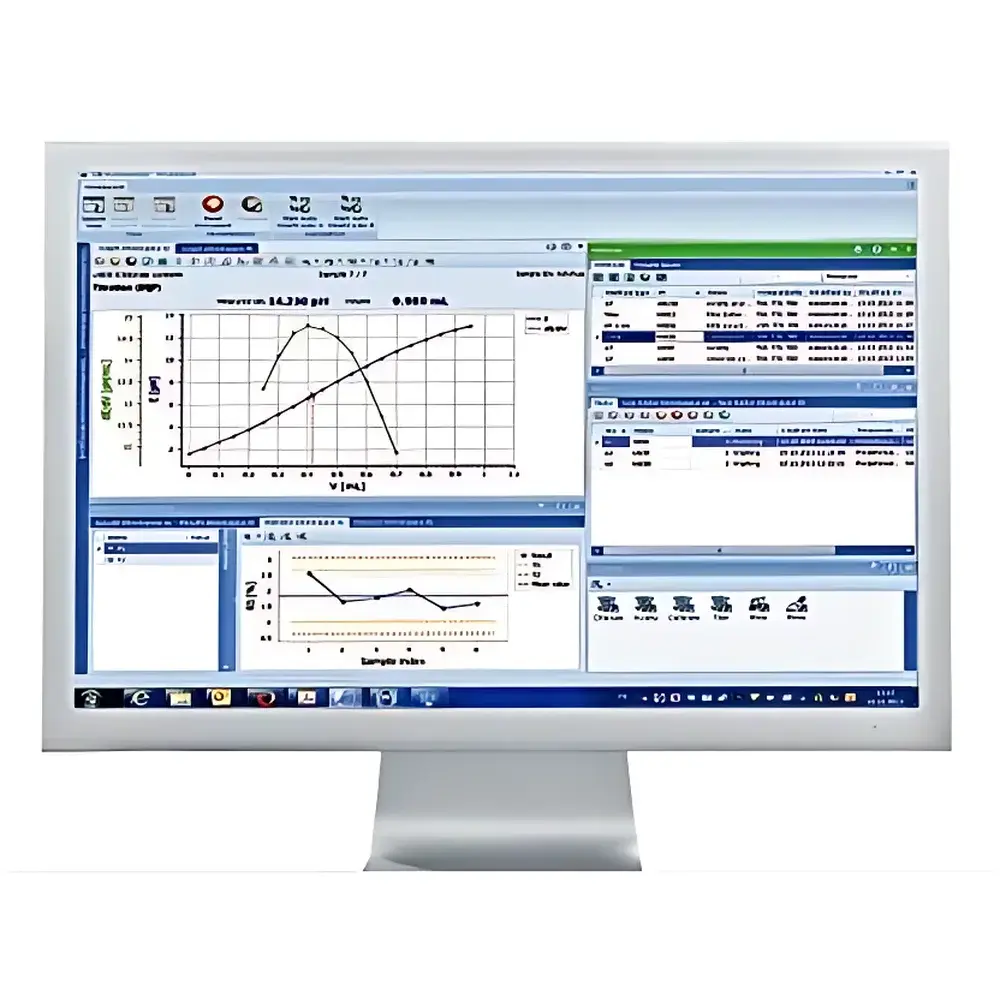
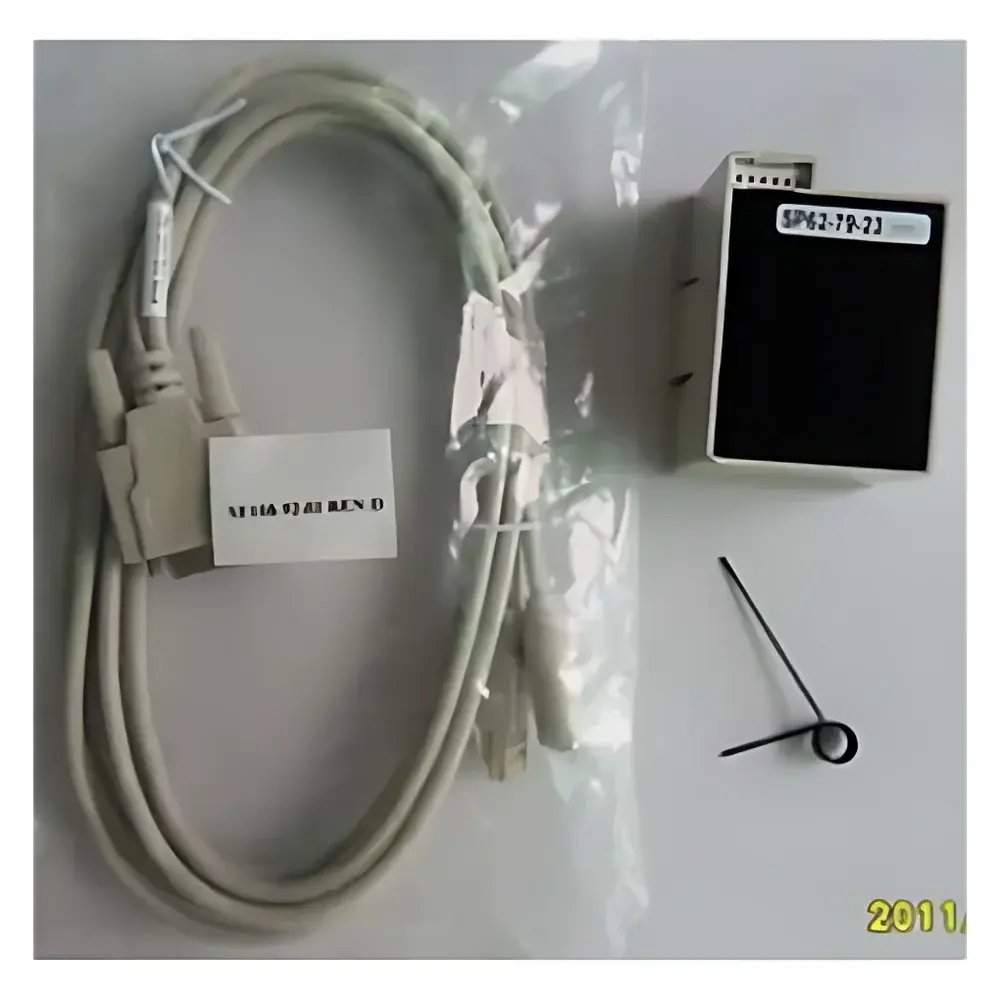
Diagnostic firmware interrogation is performed via X-Rite’s proprietary USB-based service interface, accessing real-time lamp voltage waveform logs, thermal sensor history (housing, detector, lamp base), and flash count accumulation. Post-repair calibration data is exported in CIE XYZ, L*a*b*, and spectral reflectance (.spc) formats, compatible with industry-standard platforms including BYK-Gardner LabView modules, HunterLab Universal Software, and MATLAB-based spectral analysis toolboxes. Audit trails include technician ID, timestamped calibration steps, raw sensor response curves, and pass/fail status against ANSI Z80.10-2020 photometric tolerance thresholds. Optional integration with enterprise CMMS systems (e.g., SAP PM, IBM Maximo) is supported via CSV/XML export with configurable metadata tagging.
Applications
This repair directly sustains metrological continuity in applications where spectral accuracy underpins regulatory conformance and supply chain interoperability: automotive OEM color approval (e.g., Ford WSS-M99P1111-A, GM 6090M), pharmaceutical blister packaging color consistency (USP ), food-grade label verification (ISO 12233), and textile dye lot matching per AATCC Evaluation Procedure 1. It ensures that measurements remain aligned with master standards held at national metrology institutes (NMI), minimizing inter-laboratory variance in multi-site production networks. The service also restores functionality required for ISO 17025 accreditation audits, particularly Clause 6.4 (Equipment) and Clause 7.7 (Uncertainty of Measurement).
FAQ
How long does the light source repair typically take?
Standard turnaround is 3–5 business days from receipt, including diagnostics, component replacement, thermal stabilization, and full spectral validation. Expedited service (24–48 hr) is available with prior coordination.
Is NIST-traceable calibration included in the base service fee?
Yes — a full photometric calibration using NIST-traceable standards is integral to every light source repair and documented in the final service report.
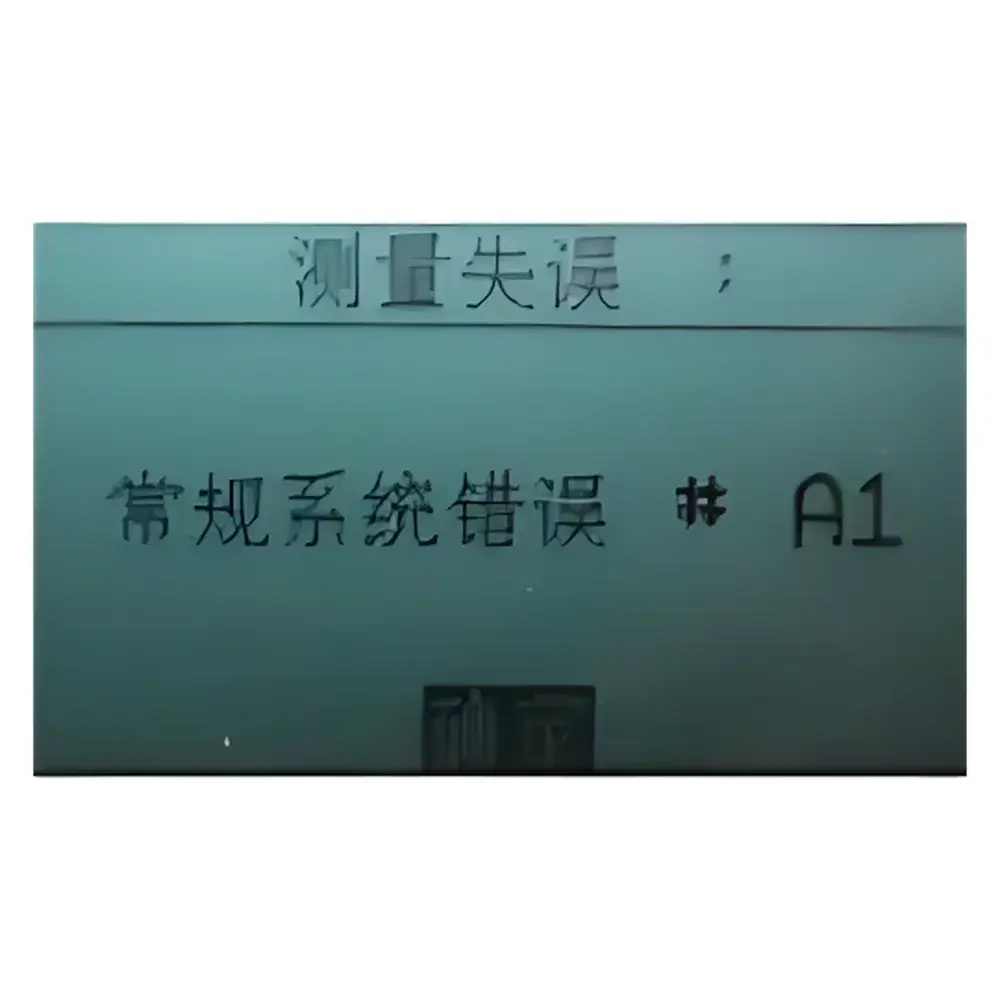
Can this service resolve persistent “Error 12” or “Lamp Overheat” warnings?
Yes — these codes commonly originate from degraded xenon lamp electrodes, failing flash capacitors, or blocked thermal vents. Our procedure includes root-cause analysis and corrective action beyond simple lamp swap.
Do you support CI60/CI62/CI64 units under extended warranty or service contract?
We coordinate directly with X-Rite’s global service network to honor active contracts and provide seamless handoff documentation for warranty claims.
What evidence confirms successful restoration of spectral fidelity?
Customers receive a signed calibration certificate, raw spectral data files, and delta-E00 deviation plots against reference tiles measured before and after service — all traceable to NIST SRM 2014.