
Diosna MidiLab Pilot-Scale Fluidized Bed Granulator and Dryer
| Brand | Diosna |
|---|---|
| Origin | Germany |
| Model | MidiLab |
| Chamber Volumes | 7 L / 12 L / 16 L / 20 L |
| Air Distribution Plate Diameters | 160 mm / 180 mm / 200 mm / 220 mm |
| Filter Diameter | 390 mm |
| Max Inlet Air Temperature | 100 °C (digital display) |
| Max Airflow Rate | 250 m³/h |
| Electrical Supply | 380 V / 50 Hz, 22 kW |
| Overall Dimensions | 1950 × 975 × 2310 mm |
| Weight | 1200 kg |
Overview
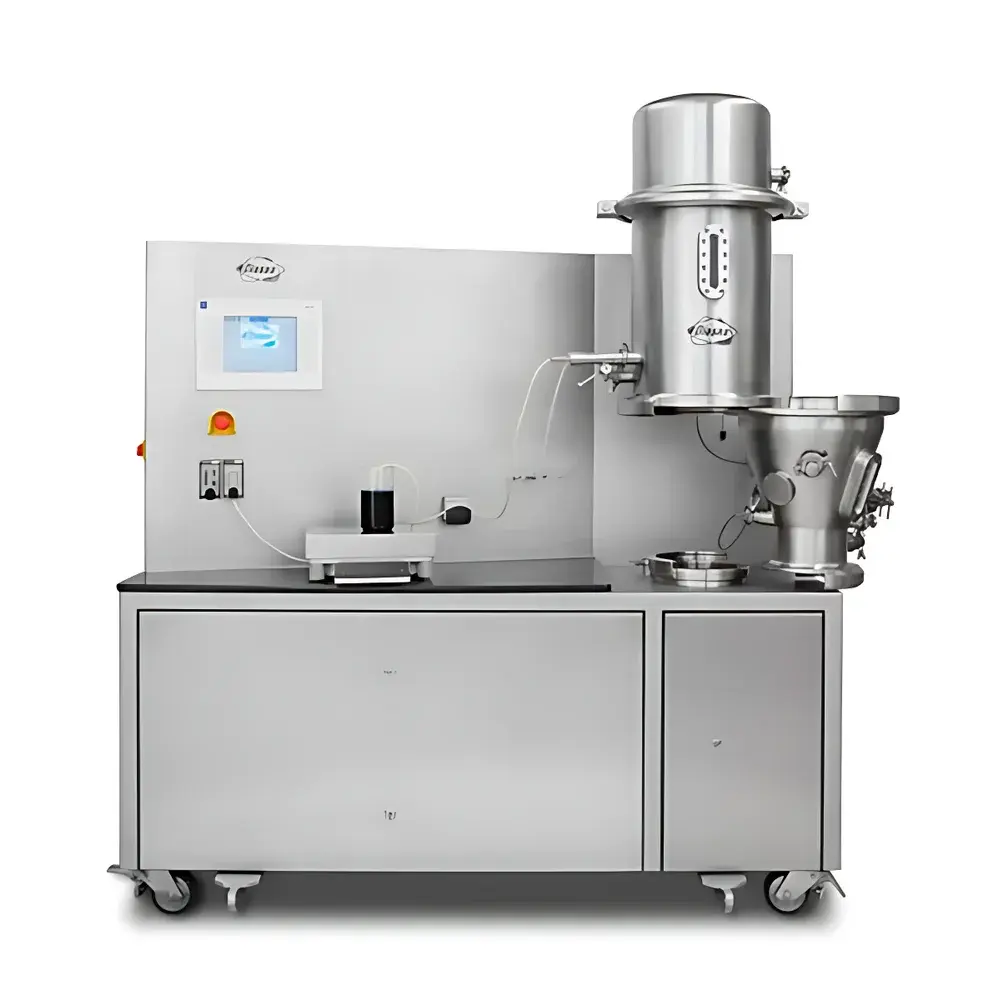
The Diosna MidiLab is a modular, pilot-scale fluidized bed granulator and dryer engineered for seamless process development from laboratory to pre-commercial manufacturing. Based on the proven principles of fluidization dynamics and concurrent spray granulation–drying, the system integrates mixing, particle growth via liquid binder atomization, and moisture removal within a single, closed-cycle chamber. Its design adheres to core pharmaceutical engineering fundamentals—ensuring consistent gas–solid contact, controlled thermal profiles, and reproducible residence time distribution. Unlike fixed-volume lab systems, the MidiLab supports four interchangeable product containers (7 L, 12 L, 16 L, and 20 L), enabling scalable batch outputs ranging from 1 kg to 10 kg of dried granules per run. This architecture directly supports Quality by Design (QbD) frameworks, facilitating systematic parameter space exploration (e.g., inlet air temperature, airflow rate, spray rate, atomization pressure) under GMP-aligned operational conditions.
Key Features
- Modular container system with four stainless-steel product bowls (7 L, 12 L, 16 L, 20 L), each fitted with precision-machined air distribution plates (160–220 mm diameter) and integrated Wurster partitioning capability.
- Triple-mode spray configuration: top-spray, bottom-spray, and side-spray—each configurable without tools; dual top-spray nozzles support parallel or sequential application of binders or coatings.
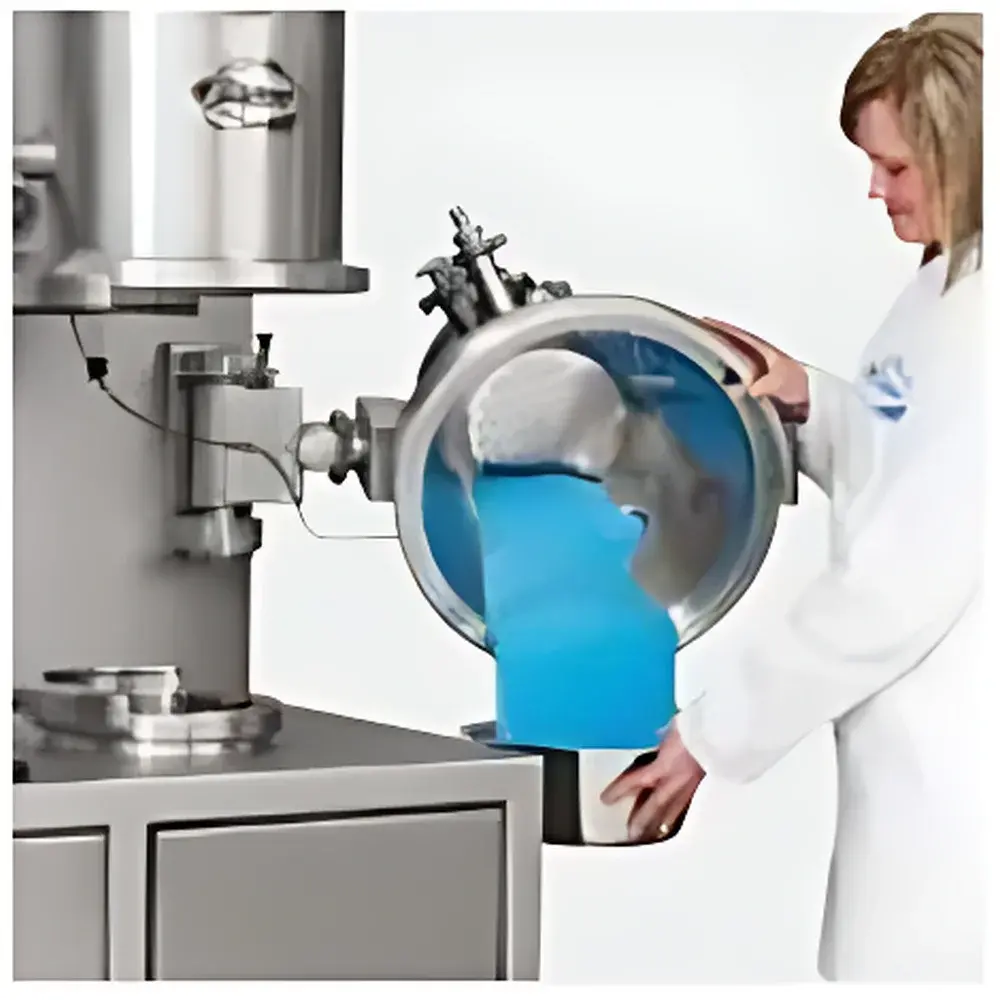
- Full 180° bowl rotation and tilt mechanism for complete, residue-free discharge—mechanically locked during operation and pneumatically assisted during unloading.
- Integrated 22 kW air handling unit with digital temperature control (up to 100 °C), variable-speed fan (max 250 m³/h), and bypass airflow management for rapid product de-fluidization or blockage clearance.
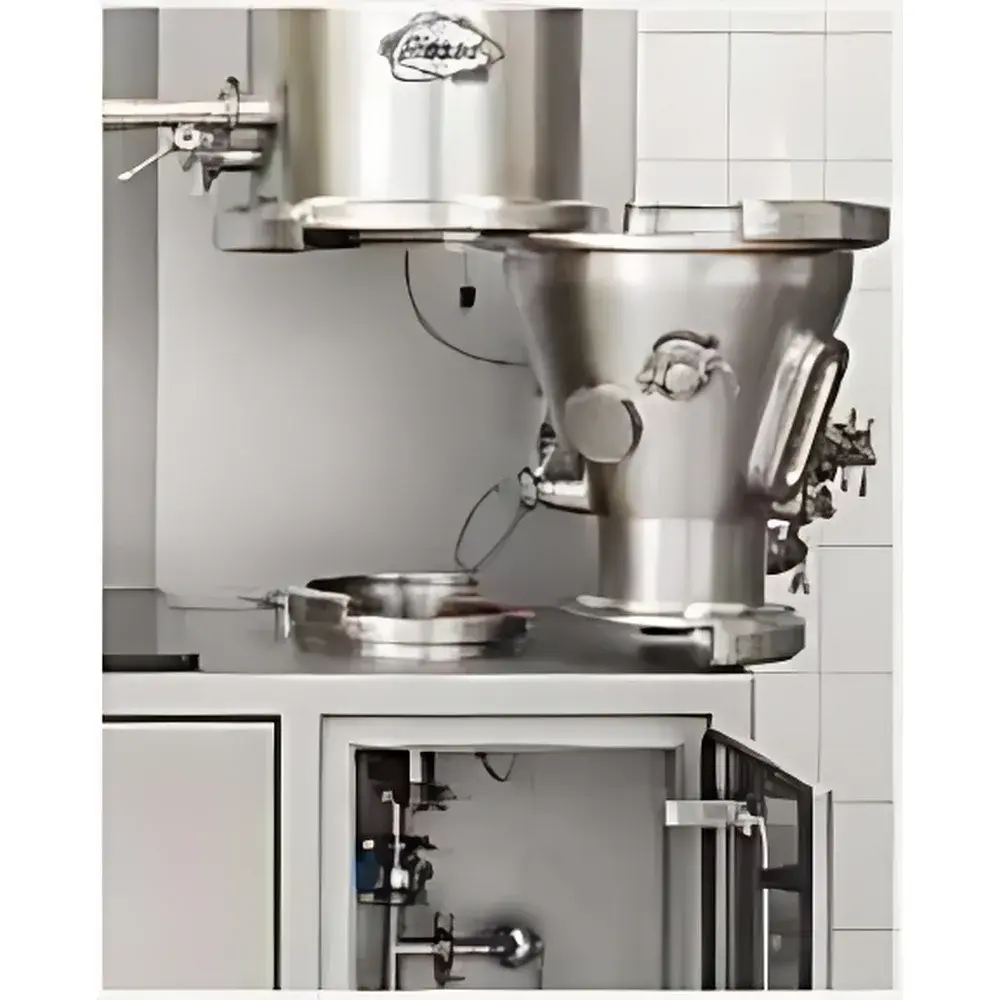
- Wash-in-place (WIP) as standard: automated filtration back-pulse cleaning, wet-clean nozzles mounted above filter cartridges and in filter housing, manual drain valve for effluent release.
- Stainless-steel 304 enclosure with rear-access service panels, side-removable exhaust filters, front-mounted HMI touchscreen interface, and auxiliary power outlets for peripheral lab equipment (e.g., balance, peristaltic pump controller).
Sample Compatibility & Compliance
The MidiLab accommodates thermolabile APIs, high-potency compounds, and moisture-sensitive excipients through precise control of inlet air temperature, humidity, and residence time. Its closed-system architecture minimizes cross-contamination risk and supports containment strategies for OEL Class 3–4 materials when coupled with optional isolator integration. All wetted parts are electropolished AISI 316L stainless steel; non-wetted surfaces meet ISO 8573-1 Class 2 compressed air purity requirements. The system is designed to comply with key regulatory expectations including EU GMP Annex 1 (sterile and non-sterile manufacture), USP Analytical Instrument Qualification, and FDA 21 CFR Part 11 when paired with validated software extensions. Full audit trail logging, user access levels, and electronic signature support are available via optional IQ/OQ/PQ documentation packages.
Software & Data Management
Operation is managed via an industrial-grade 10.4″ capacitive touchscreen HMI running real-time embedded firmware. Process parameters—including airflow, temperature setpoints, spray rate (via integrated programmable peristaltic pump), and filter differential pressure—are logged at user-defined intervals (minimum 1 s) and exportable in CSV or PDF format. Optional PC-based data acquisition software enables synchronized PAT integration (e.g., inline NIR, FBRM), multivariate statistical analysis (MVDA), and deviation tracking against predefined control limits. All data files include timestamp, operator ID, batch ID, and version-controlled method templates—supporting ALCOA+ data integrity principles.
Applications
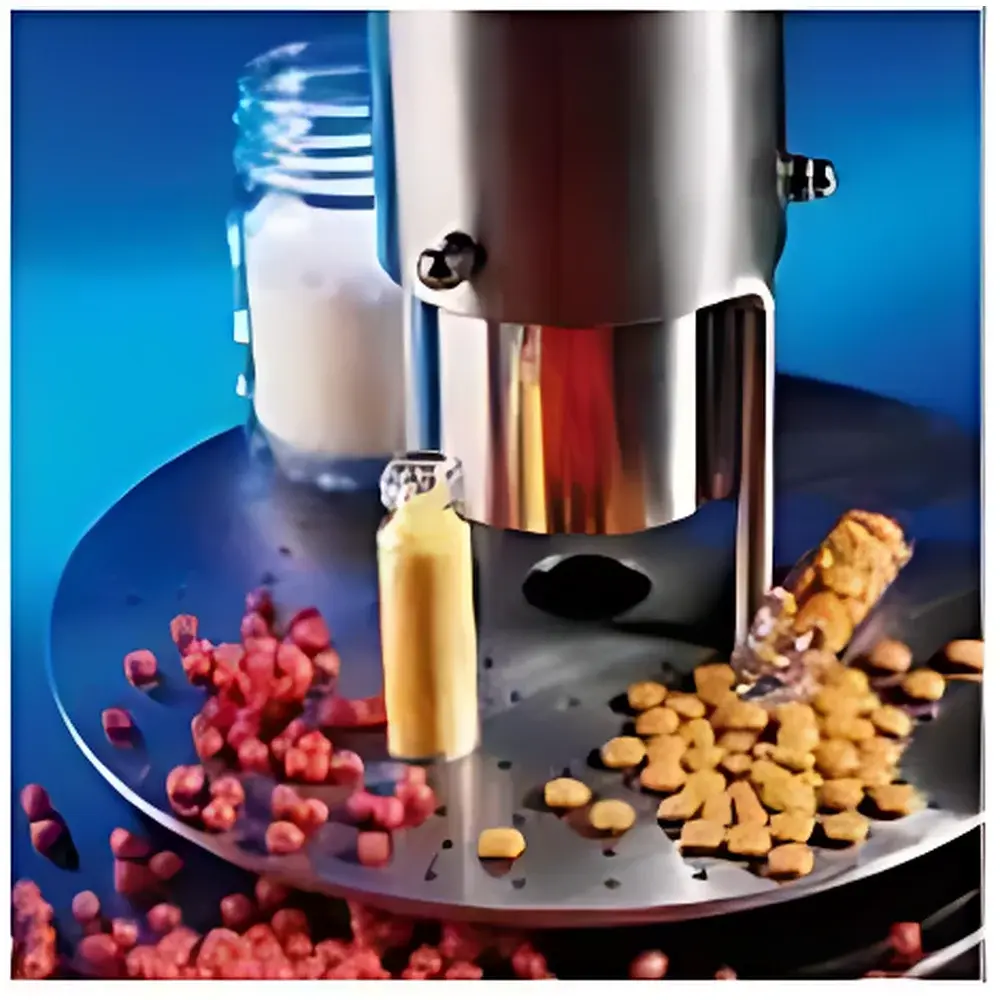
- Pharmaceutical solid dosage form development: immediate-release and modified-release granules, taste-masked particles, and functional excipient blends.
- Process transfer validation: bridging lab-scale findings (e.g., from Diosna Labstar) to commercial fluid bed processors (e.g., Diosna P1000 series).
- Formulation screening: evaluation of binder types (HPC, PVP, HPMC), solvent systems (aqueous, ethanol/water, isopropanol), and granule density/porosity profiles.
- Coating feasibility studies: Wurster-based enteric or sustained-release film coating using aqueous dispersions or organic solvents.
- Chemical and nutraceutical applications: agglomeration of hygroscopic powders, catalyst support granulation, and microencapsulation of volatile actives.
FAQ
What batch sizes can the MidiLab accommodate?
The system supports four interchangeable product containers: 7 L, 12 L, 16 L, and 20 L—enabling dry powder outputs from approximately 1 kg to 10 kg per batch, depending on bulk density and final moisture specification.
Is the MidiLab compliant with FDA 21 CFR Part 11?
Yes—when equipped with the optional validated software package, the system provides electronic signatures, role-based access control, full audit trails, and data immutability features required for regulated environments.
Can the MidiLab perform Wurster coating?
Yes—the system includes a removable Wurster column insert compatible with all four container sizes, supporting both bottom-spray and top-spray coating configurations.
How is cleaning validated?
The standard WIP functionality allows for documented wet cleaning cycles; optional swab sampling ports and rinse solution collection points support cleaning validation protocols per ICH Q5C and PDA TR29.
What utilities are required for operation?
The unit requires 380 V / 50 Hz three-phase power (22 kW), instrument-grade compressed air (6–7 bar, ISO 8573-1 Class 2), and ambient cooling water for condenser operation (if solvent recovery option is installed).



