
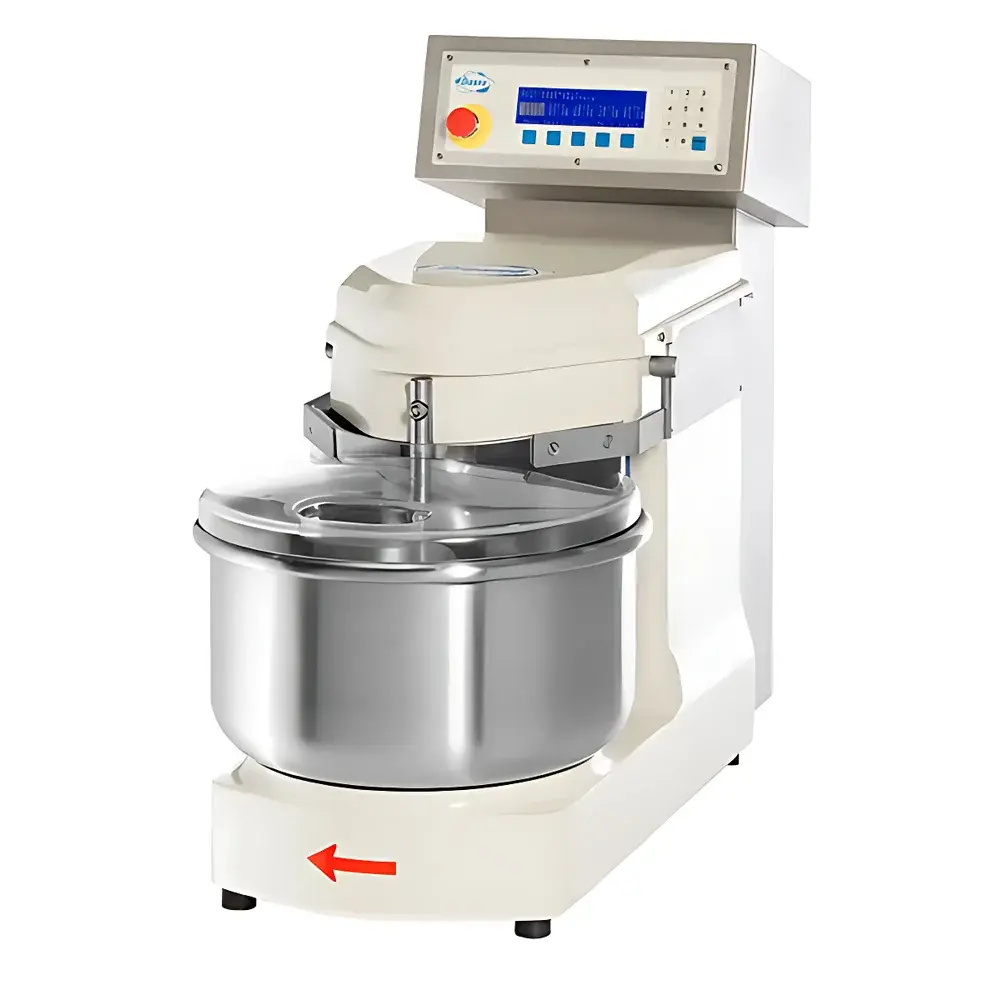
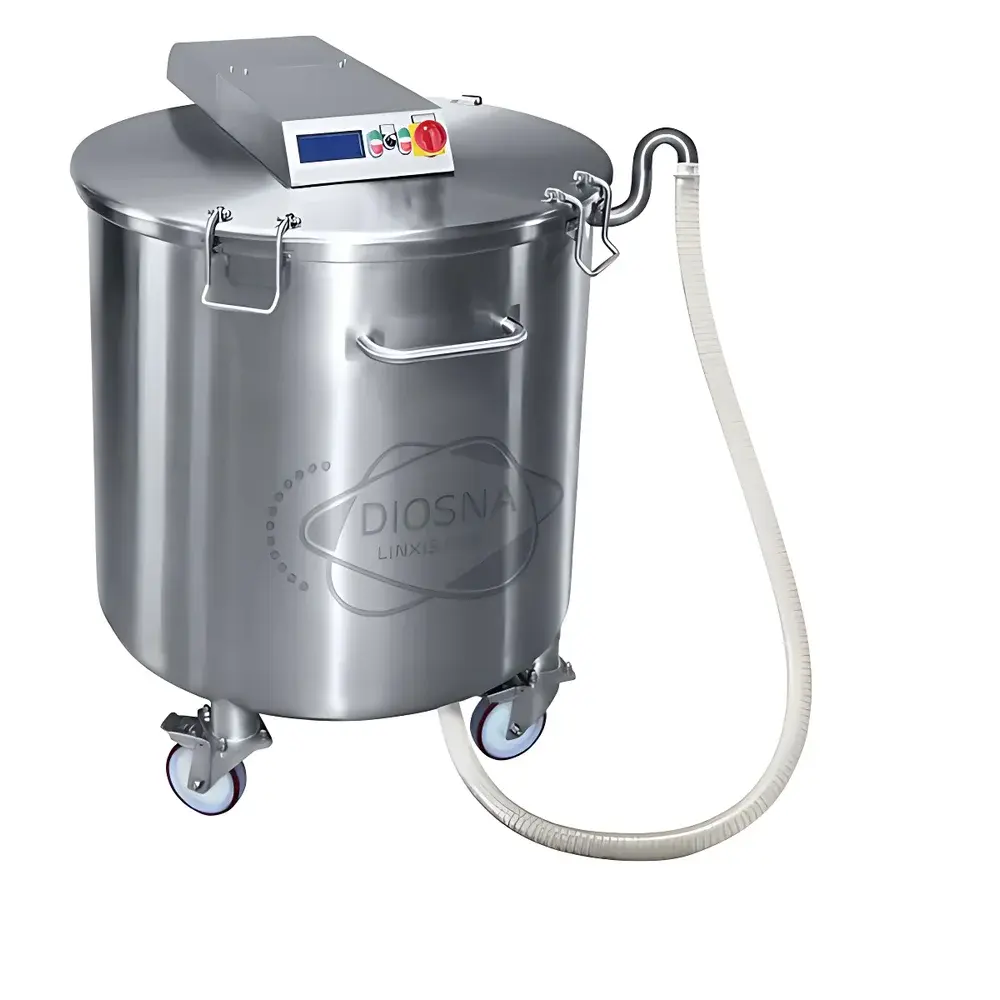
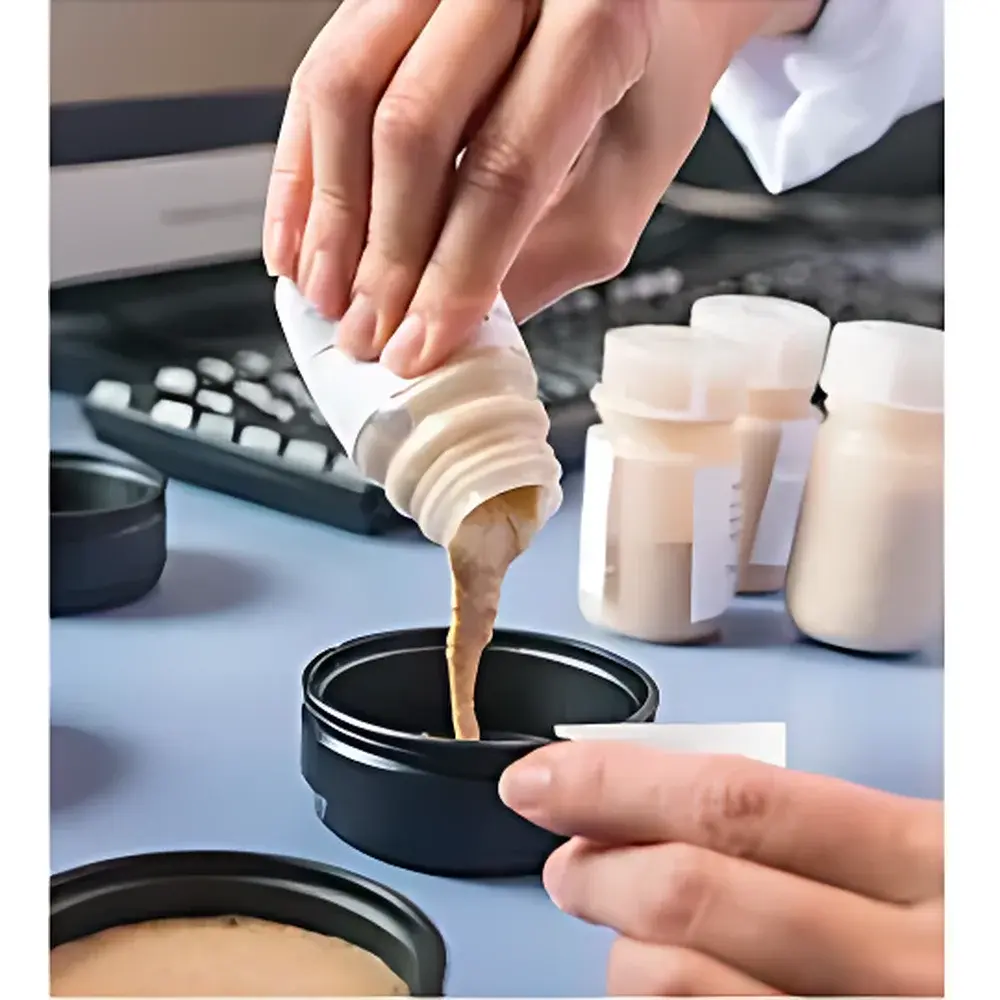
Diosna SP-12 Laboratory Spiral Mixer
| Brand | Diosna |
|---|---|
| Origin | Germany |
| Model | SP-12 |
| Capacity | 12 kg |
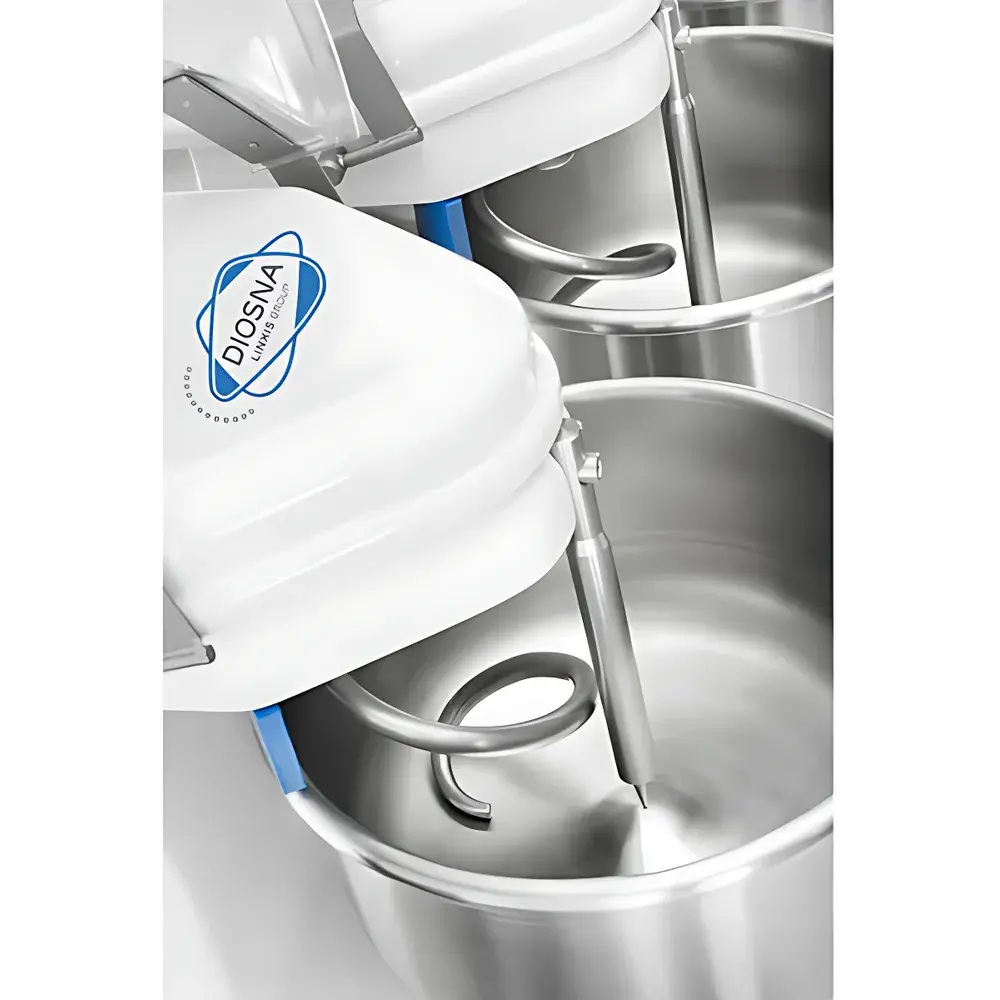
| Bowl Type | Fixed bowl with movable mixing arm |
| Drive System | Variable-frequency motor drive |
| Control Interface | LCD touchscreen with programmable memory |
| Optional Accessories | Dough temperature sensor, load cell, real-time torque monitoring module |
| Compliance | CE-marked, designed in accordance with EU Machinery Directive 2006/42/EC and Hygiene Design Principles per EHEDG Doc. Type A |
Overview
The Diosna SP-12 Laboratory Spiral Mixer is a precision-engineered benchtop mixing system designed for controlled, reproducible dough development in R&D laboratories, pilot-scale bakeries, culinary innovation centers, and quality assurance facilities. Based on the Couette-type spiral kneading principle—where a rotating spiral hook engages dough within a stationary stainless-steel bowl—the SP-12 delivers consistent mechanical energy input across variable hydration levels and flour types. Unlike planetary or horizontal mixers, the spiral geometry minimizes shear-induced gluten damage while maximizing uniform hydration distribution and protein network alignment. This enables accurate simulation of industrial-scale dough formation kinetics at laboratory scale (12 kg batch), supporting formulation optimization, raw material qualification, and process parameter mapping prior to scaling.
Key Features
- Fixed stainless-steel bowl (304 grade) with hygienic, crevice-free interior surface conforming to EHEDG Guideline Doc. Type A for clean-in-place (CIP) compatibility
- Movable spiral mixing arm driven by a frequency-controlled AC motor, enabling precise speed regulation from 25 to 250 rpm with ±1 rpm repeatability
- Programmable control unit with LCD interface storing up to 99 user-defined mixing protocols—including multi-stage sequences with timed speed ramps, pause intervals, and torque-triggered phase transitions
- Integrated load cell option for real-time torque measurement (0–50 N·m range), correlating mechanical work input with dough rheological evolution
- Optional PT100 dough temperature probe (±0.3 °C accuracy) mounted directly into the bowl wall, enabling closed-loop thermal management during mixing
- CE-compliant safety architecture including bowl lid interlock, emergency stop circuit, and IP54-rated enclosure for humid environments
- Energy-efficient design consuming ≤1.8 kW peak power; no routine lubrication required due to sealed gearmotor and maintenance-free bearings
Sample Compatibility & Compliance
The SP-12 accommodates a broad spectrum of cereal-based systems: refined wheat flour doughs (bread, brioche, croissant), whole grain blends (rye, spelt, oat), gluten-free formulations (rice-teff-sorghum composites), and high-fiber or pre-fermented sourdough matrices. Its low-shear kinematics preserve native starch granule integrity and yeast viability—critical for fermentation performance assessment. The equipment meets hygiene requirements outlined in Regulation (EC) No 852/2004 on food hygiene and supports GLP-compliant documentation when paired with validated data logging software. All wetted parts comply with FDA 21 CFR §177.2400 for repeated-use food contact surfaces.
Software & Data Management
When configured with the optional Diosna DataLink module, the SP-12 exports timestamped CSV files containing RPM, torque, temperature, elapsed time, and program stage ID. These datasets integrate natively with statistical process control (SPC) platforms and LIMS environments. Audit trails record operator login, protocol selection, parameter edits, and execution timestamps—fully compliant with 21 CFR Part 11 requirements when deployed with electronic signature validation. Raw data files are digitally signed and checksum-verified to ensure integrity during transfer to analytical tools such as JMP or Python-based rheological modeling suites.
Applications
- Formulation screening: Quantifying optimal hydration, enzyme dosage, and improver concentration across flour variants
- Process validation: Correlating mixing energy input with farinograph absorption, extensograph resistance, and alveograph W values
- Fermentation studies: Preparing standardized dough batches for subsequent proofing, oven spring, and crumb structure analysis
- Ingredient functionality testing: Evaluating hydrocolloid interaction, oxidant efficacy, and malt enzyme activity under controlled mechanical stress
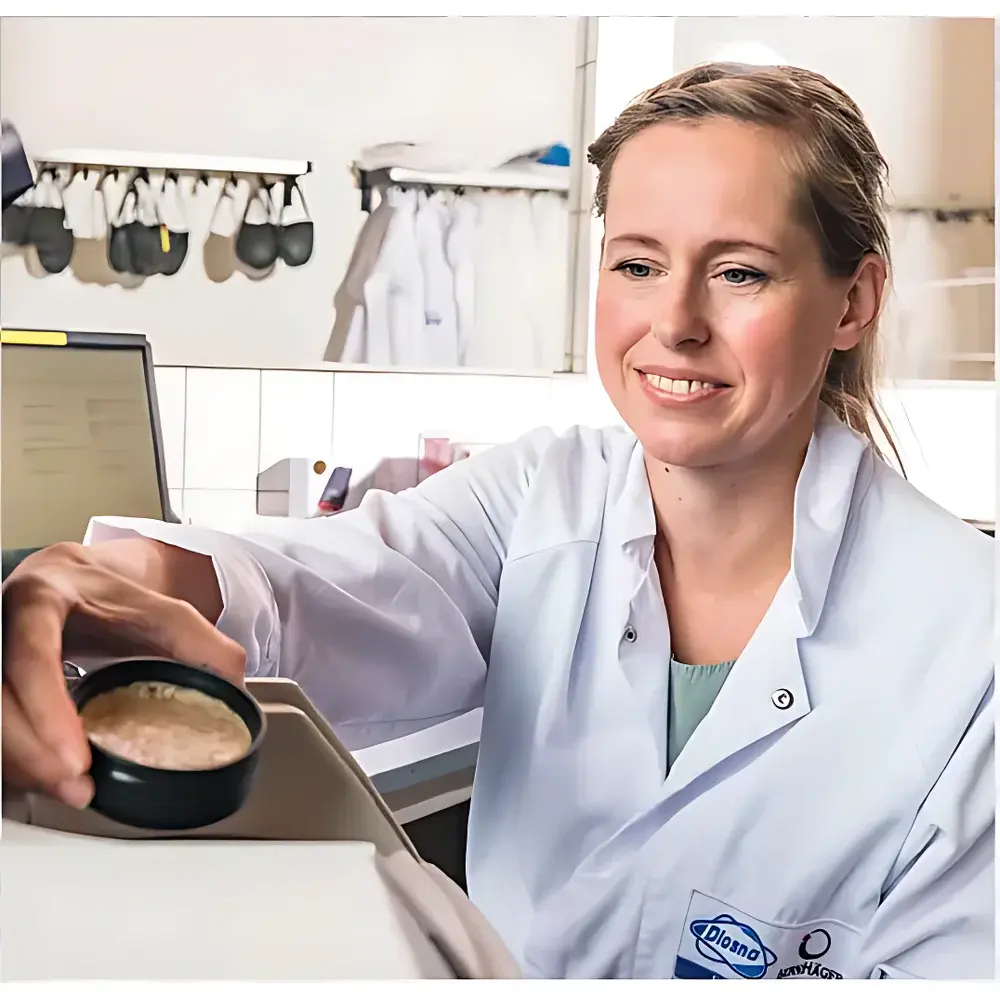
- Training and education: Demonstrating dough rheology fundamentals in food science curricula and bakery technician certification programs
- Regulatory dossier preparation: Generating GMP-aligned process records for novel food ingredient submissions to EFSA or FDA
FAQ
What is the maximum recommended dough hydration level for the SP-12?
The mixer reliably handles formulations up to 85% hydration (flour basis) when using strong bread flours (W ≥ 350); lower-protein flours may require staged water addition to prevent slippage.
Can the SP-12 be integrated into an automated lab workflow?
Yes—via RS-485 Modbus RTU or optional Ethernet/IP interface, enabling synchronization with environmental chambers, dough dividers, or inline viscometers.
Is validation documentation available for IQ/OQ/PQ protocols?
Diosna provides a comprehensive User Requirement Specification (URS) template and factory-verified Operational Qualification (OQ) test scripts aligned with ISO/IEC 17025 and ASTM E2500-13 standards.
How frequently does the mixing arm require calibration?
Torque and speed sensors are factory-calibrated and require no field recalibration; annual verification against traceable NIST standards is recommended for GLP audits.
Does the SP-12 support continuous mixing mode?
No—it operates exclusively in batch mode to ensure kinetic consistency; however, sequential batch processing with <30-second changeover enables quasi-continuous throughput in R&D settings.






