
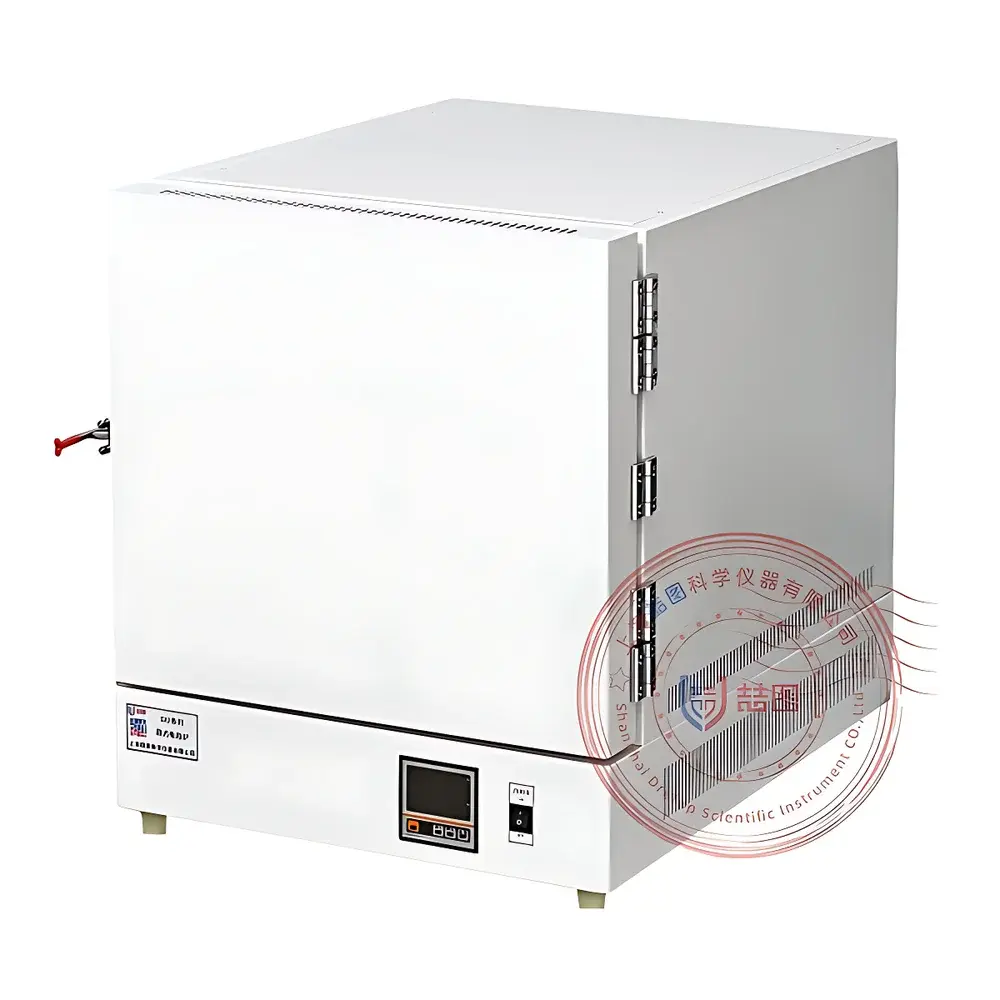
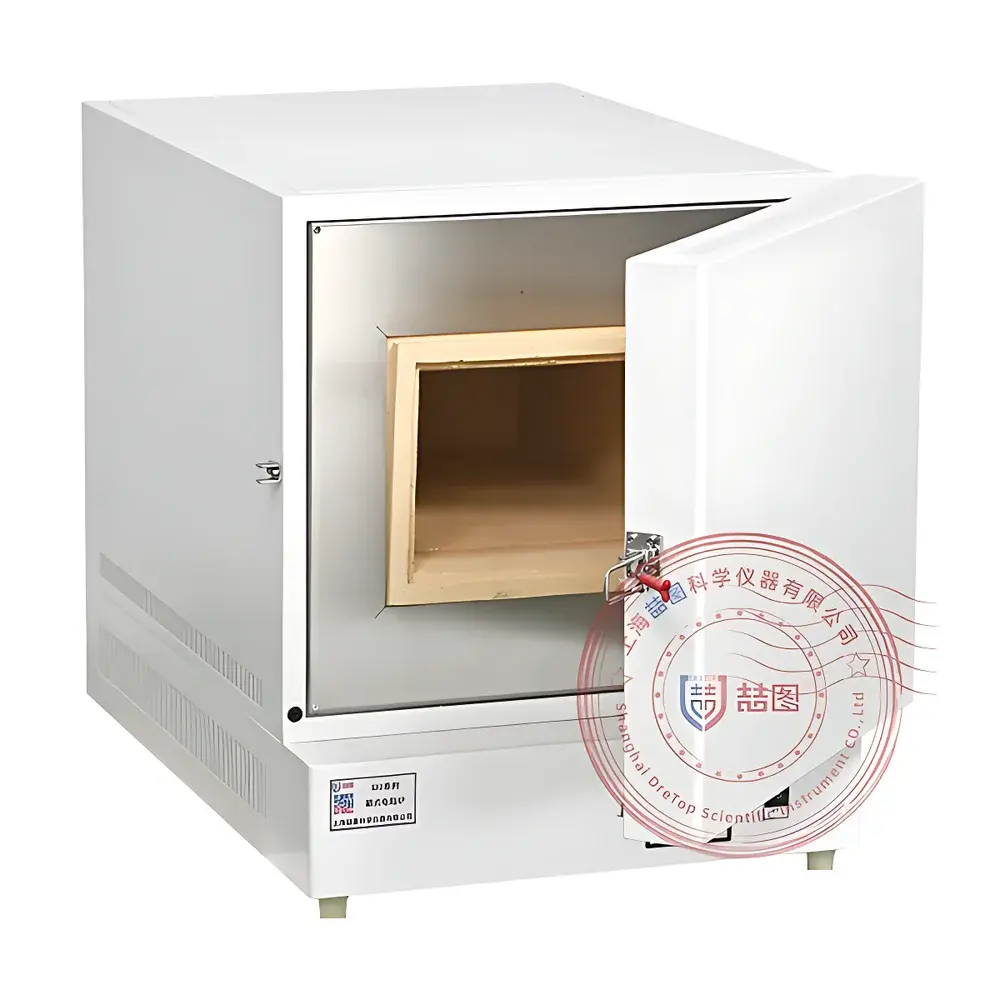
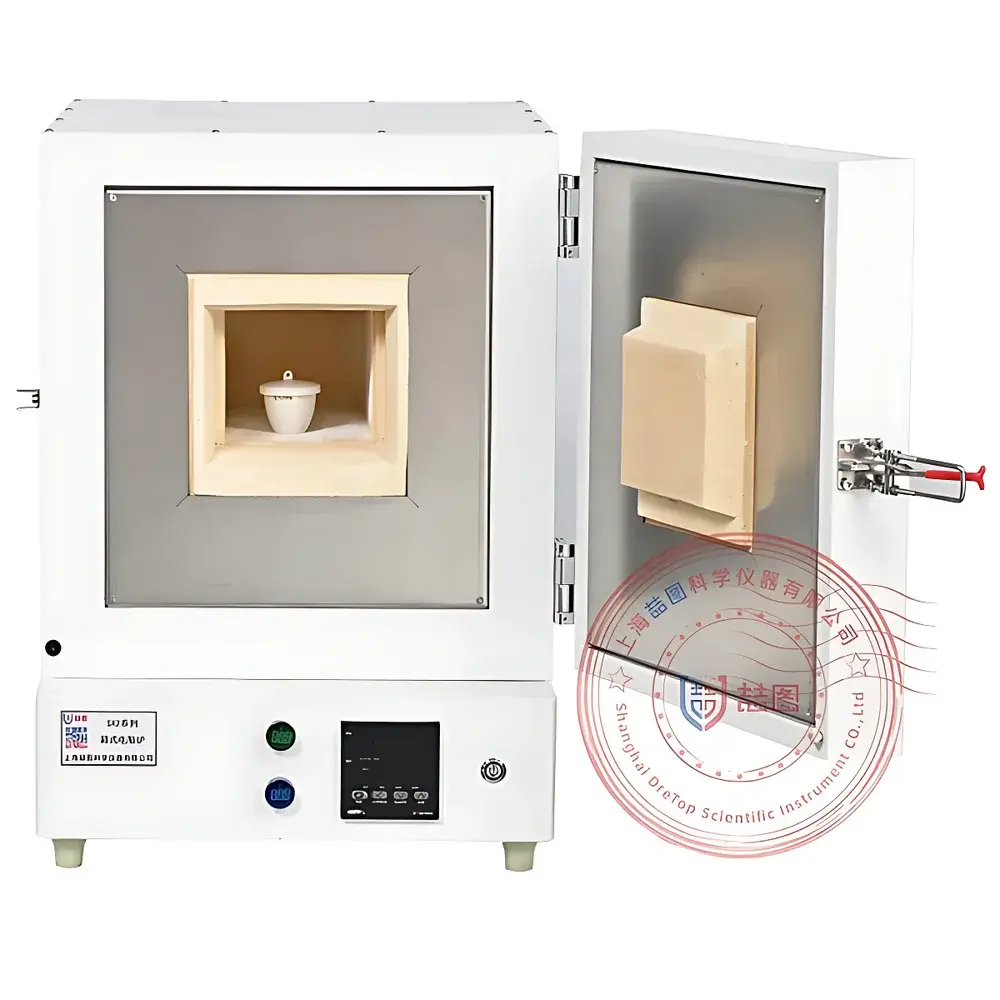
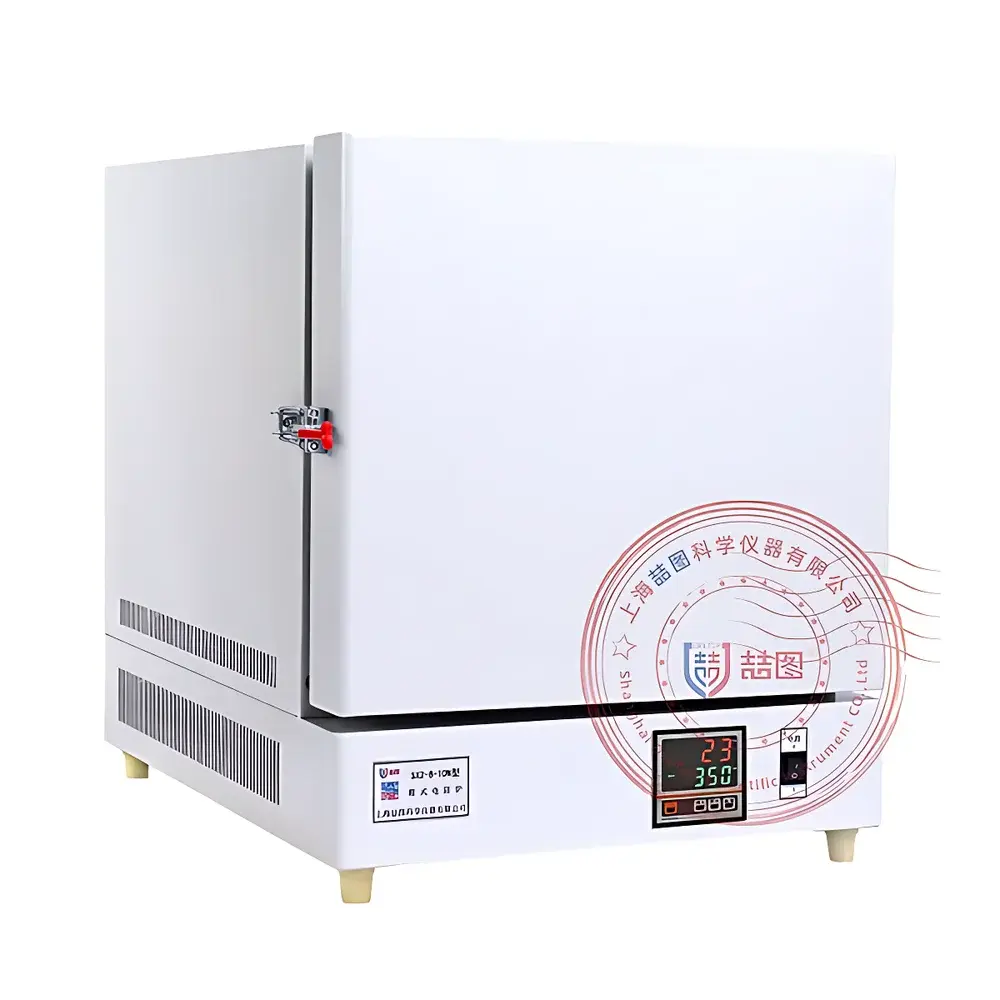
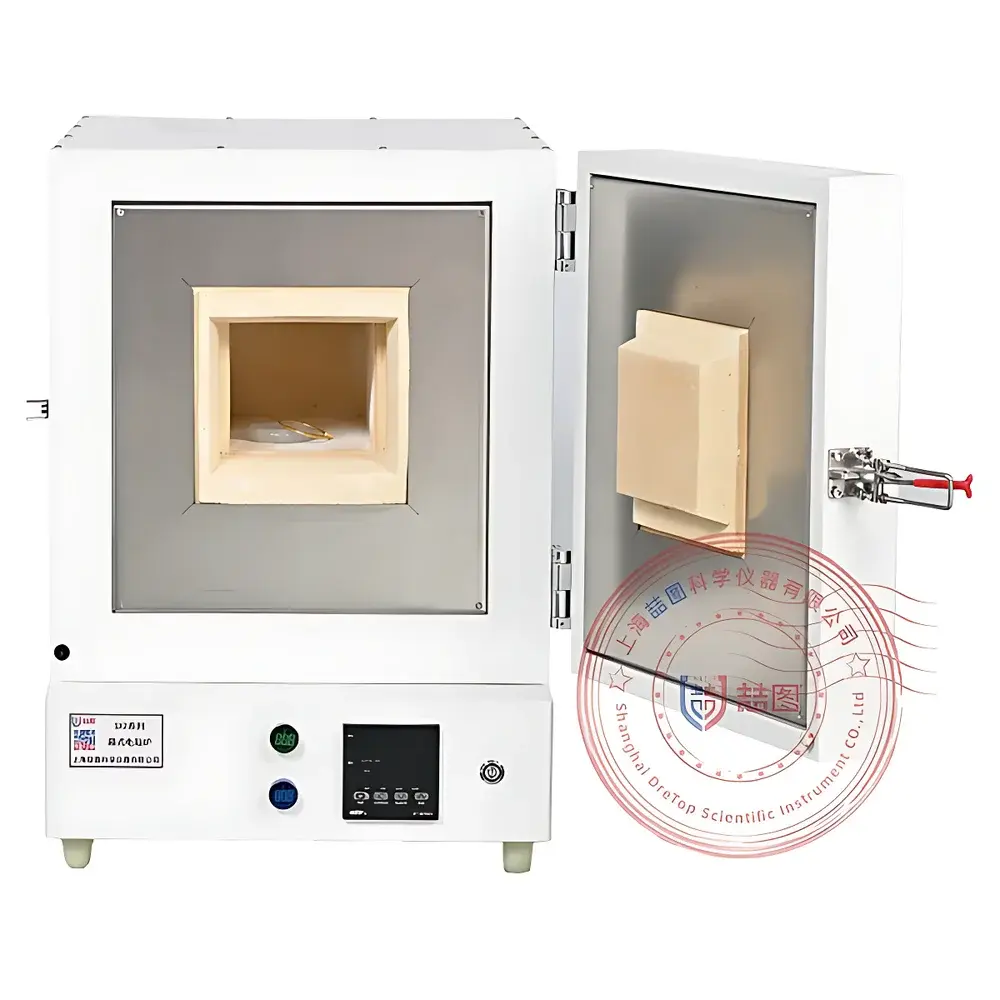
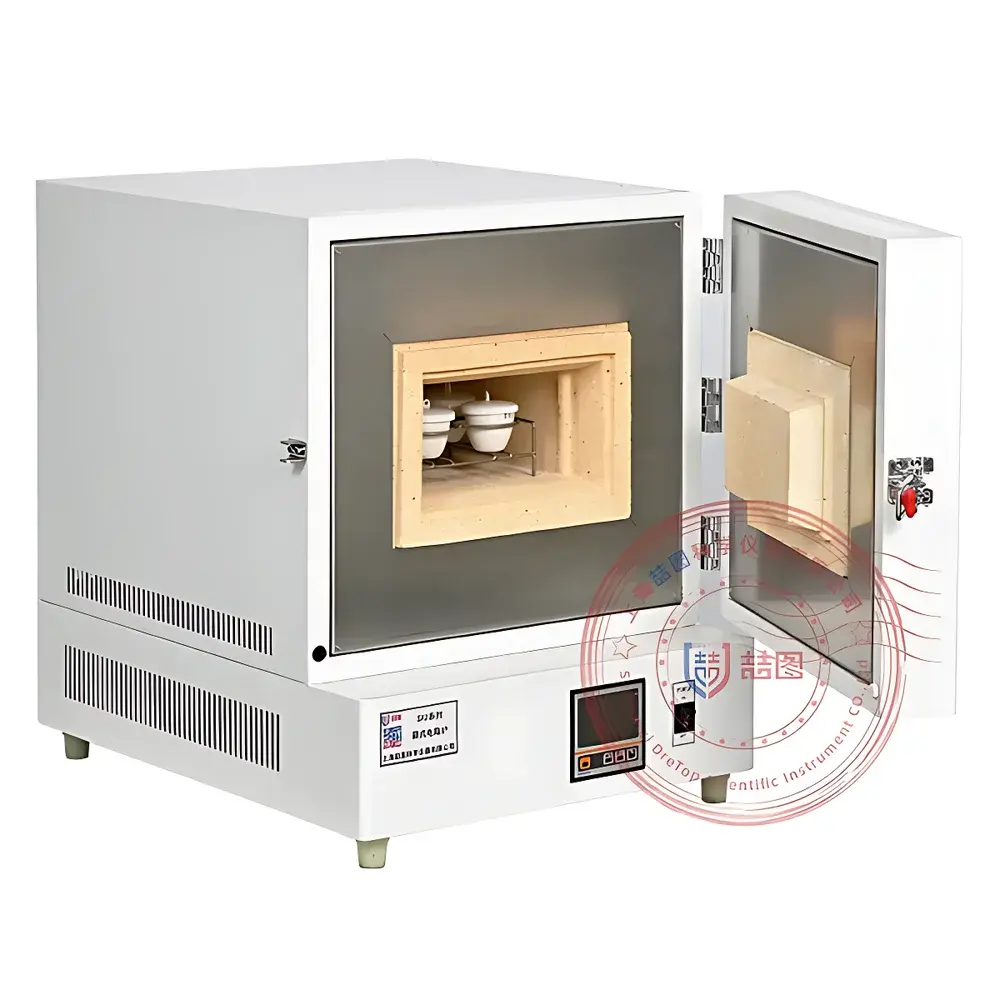
DRETOP SX2 & SX3 Series Box-Type Resistance Furnaces
| Brand | DRETOP |
|---|---|
| Origin | Shanghai, China |
| Manufacturer Type | Authorized Distributor |
| Product Category | Domestic |
| Model Series | SX2, SX3 |
| Instrument Type | Box Furnace |
| Maximum Temperature | 1300 °C |
| Temperature Control Accuracy | ±1 °C |
| Maximum Power | 12000 W |
| Heating Rate (to Max Temp) | 25–35 °C/min |
| Heating Method | Resistance Wire / Silicon Carbide Rod / Molybdenum Disilicide Rod |
| Internal Chamber Dimensions | 120×200×80 mm to 300×500×200 mm |
| Control Interface | LCD Display / Programmable LCD / Color Touchscreen |
| Nominal Chamber Volume | 2 L to 30 L |
| Voltage Requirement | 220 V AC (compatible with glovebox integration) |
| Standard Operating Temp Range | Up to 1100 °C (rated) |
Overview
The DRETOP SX2 and SX3 Series Box-Type Resistance Furnaces are precision-engineered laboratory muffle furnaces designed for controlled thermal processing in research, quality control, and industrial analytical applications. These furnaces operate on the principle of resistive heating—where electrical energy is converted into thermal energy via high-stability heating elements (resistance wire, silicon carbide rods, or molybdenum disilicide rods) embedded in refractory chamber walls. The three-sided or multi-wall heating configuration ensures uniform radial and axial heat distribution across the chamber volume, minimizing thermal gradients and enabling reproducible thermal treatment of samples. With a maximum operating temperature of 1300 °C and certified control accuracy of ±1 °C, the SX2/SX3 series meets stringent requirements for ash content determination (ASTM D3174, ISO 1171), loss-on-ignition (LOI) analysis, calcination, sintering, and pre-treatment of catalysts, ceramics, and metallurgical samples. Their compact footprint, glovebox-compatible 220 V operation, and robust structural integration make them suitable for both standalone benchtop use and integrated lab workflows.
Key Features
- Microprocessor-based PID temperature controller with large-digit LED or color touchscreen interface; supports up to 30-segment programmable ramp-soak profiles (SX3-P variant).
- Dual-stage overtemperature protection: independent hardware limiter + software-based thermal cutoff, compliant with IEC 61000-4-2/IEC 61000-4-4 immunity standards.
- Auto-compensation for ambient temperature drift—system detects initial chamber temperature and dynamically adjusts startup parameters to reduce time-to-target.
- Reinforced double-layer furnace door with ceramic fiber gasket and precision-machined stainless steel latch ensures <0.5 mm gap tolerance, minimizing radiant heat loss during operation.
- Triple-insulated chamber: lightweight refractory brick lining (low thermal mass), high-density ceramic fiber backing, and outer steel shell with phosphate conversion coating + high-temp epoxy powder finish.
- Front-access terminal block with compensation-grade thermocouple wiring (Type K or S, depending on model); all electronics housed below chamber to isolate control logic from thermal stress.
- Door-interlocked power cutoff: heating ceases immediately upon door opening; resumes automatically upon closure with no manual reset required.
- Real-time digital readout of line voltage and current draw—enables proactive detection of phase imbalance, element degradation, or supply fluctuations.
- Integrated secondary heat shield at door aperture—reduces localized cooling at chamber entrance and improves axial temperature uniformity (±3 °C across full volume at 1000 °C).
Sample Compatibility & Compliance
The SX2/SX3 series accommodates standard crucibles (alumina, quartz, platinum, graphite) and custom fixtures within its configurable internal volumes (2–30 L). Chamber dimensions support ASTM E1111-compliant sample placement for gravimetric analysis, while uniformity validation per ISO/IEC 17025 Annex A.3 is achievable through optional NIST-traceable calibration services. Units comply with CE marking requirements (2014/35/EU Low Voltage Directive, 2014/30/EU EMC Directive) and meet essential safety provisions of UL 746A for polymeric component flammability. For regulated environments, firmware versions with audit trail logging (user actions, setpoint changes, alarm events) and password-protected engineering access levels satisfy GLP/GMP documentation expectations. Optional RS485 Modbus RTU interface enables integration into LIMS or SCADA systems with full traceability under FDA 21 CFR Part 11 when paired with validated electronic signature modules.
Software & Data Management
Standard models feature embedded firmware supporting local data logging (up to 10,000 timestamped records) with CSV export via USB port. Touchscreen-equipped SX3 variants include built-in graphing engine for real-time temperature curve visualization, historical overlay comparison, and automatic report generation (PDF/Excel). All programmable controllers store up to five user-defined protocols with version timestamps and operator ID tagging. Optional communication modules provide TCP/IP or RS485 connectivity for remote monitoring via industry-standard OPC UA servers. Data integrity safeguards include cyclic redundancy check (CRC-16) on all serial transmissions and write-protected memory sectors preventing accidental firmware corruption. Firmware updates are delivered via signed binary packages verified using SHA-256 hash authentication.
Applications
- Coal and coke analysis: ash fusion temperature, volatile matter determination (ASTM D3175), fixed carbon calculation.
- Cement and mineral processing: LOI testing per ASTM C114, clinker phase transformation studies.
- Pharmaceutical QC: residual solvent removal, excipient thermal stability screening, granule drying validation.
- Materials science: precursor decomposition kinetics, oxide layer growth experiments, solid-state reaction initiation.
- Environmental testing: soil organic carbon quantification (Walkley-Black method), sludge incineration residue analysis.
- Academic research: catalyst regeneration cycles, battery cathode material annealing, glass transition behavior mapping.
FAQ
What is the difference between SX2 and SX3 models?
The SX2 series offers basic PID control with LCD display and single-stage overtemperature protection. The SX3 series adds programmable multi-segment control, color touchscreen interface, enhanced data logging, dual-stage thermal safety, and expanded communication options.
Can these furnaces be installed inside an inert-atmosphere glovebox?
Yes—models rated for 220 V operation and equipped with front-panel terminal blocks (no rear ventilation fans) are certified for glovebox integration. Optional inert gas inlet valves (N₂, Ar) support controlled-atmosphere processing.
Is NIST-traceable calibration available?
DRETOP provides factory calibration certificates (as-tested) with optional UKAS-accredited third-party calibration services upon request, including temperature uniformity mapping per AMS2750E Zone Certification requirements.
What maintenance is required for long-term reliability?
Annual inspection of heating elements and thermocouple junctions is recommended. Refractory lining requires no scheduled replacement under normal usage; ceramic fiber insulation retains >95% efficiency after 5,000 hours at 1100 °C.
Do you offer custom chamber configurations?
Yes—custom internal dimensions, specialized crucible trays, and modified door mechanisms (e.g., top-hinged, sliding) are available under OEM engineering support with lead times starting at 8 weeks.



