
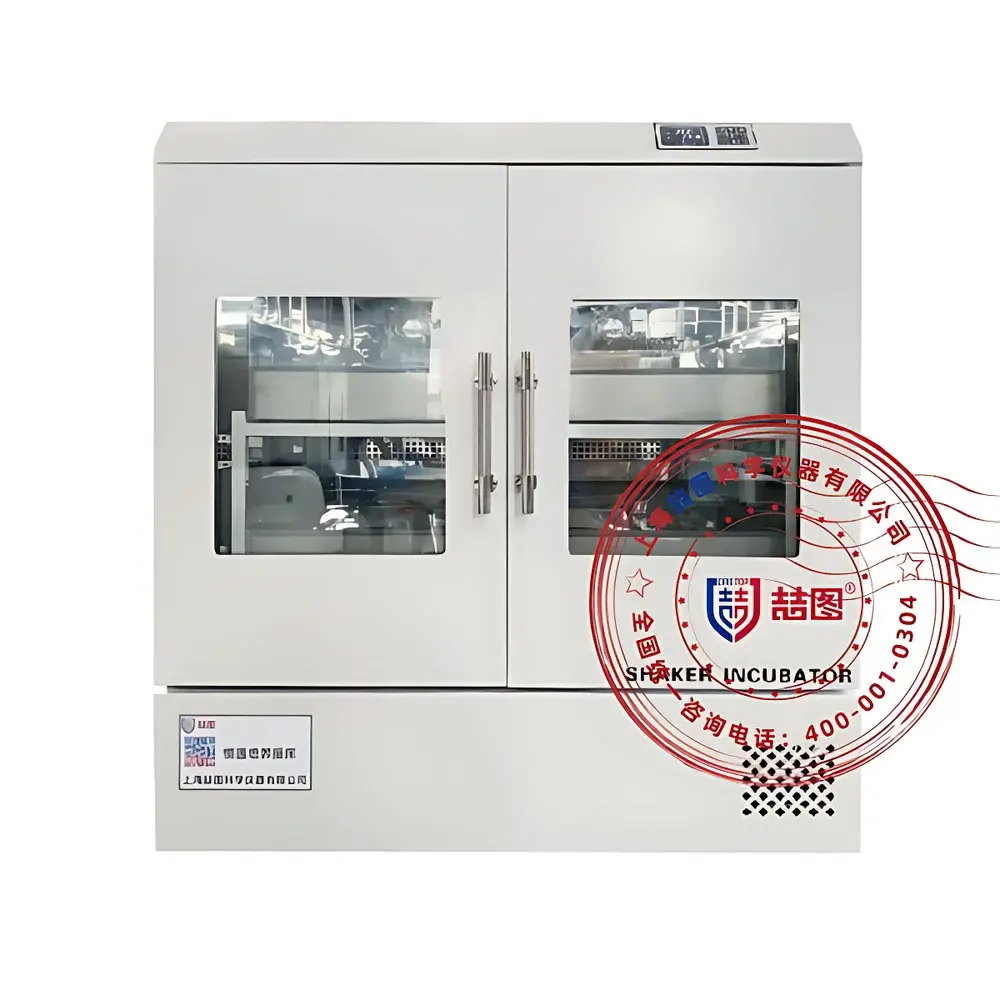
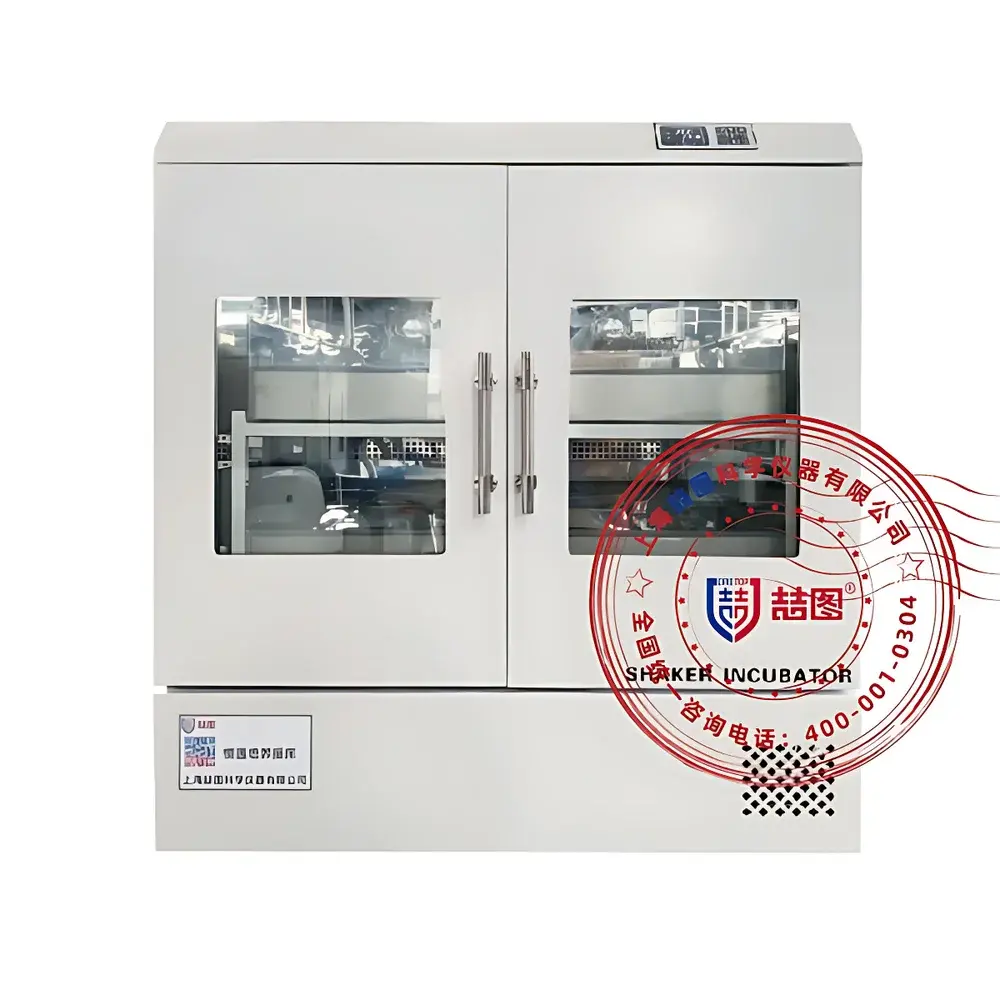
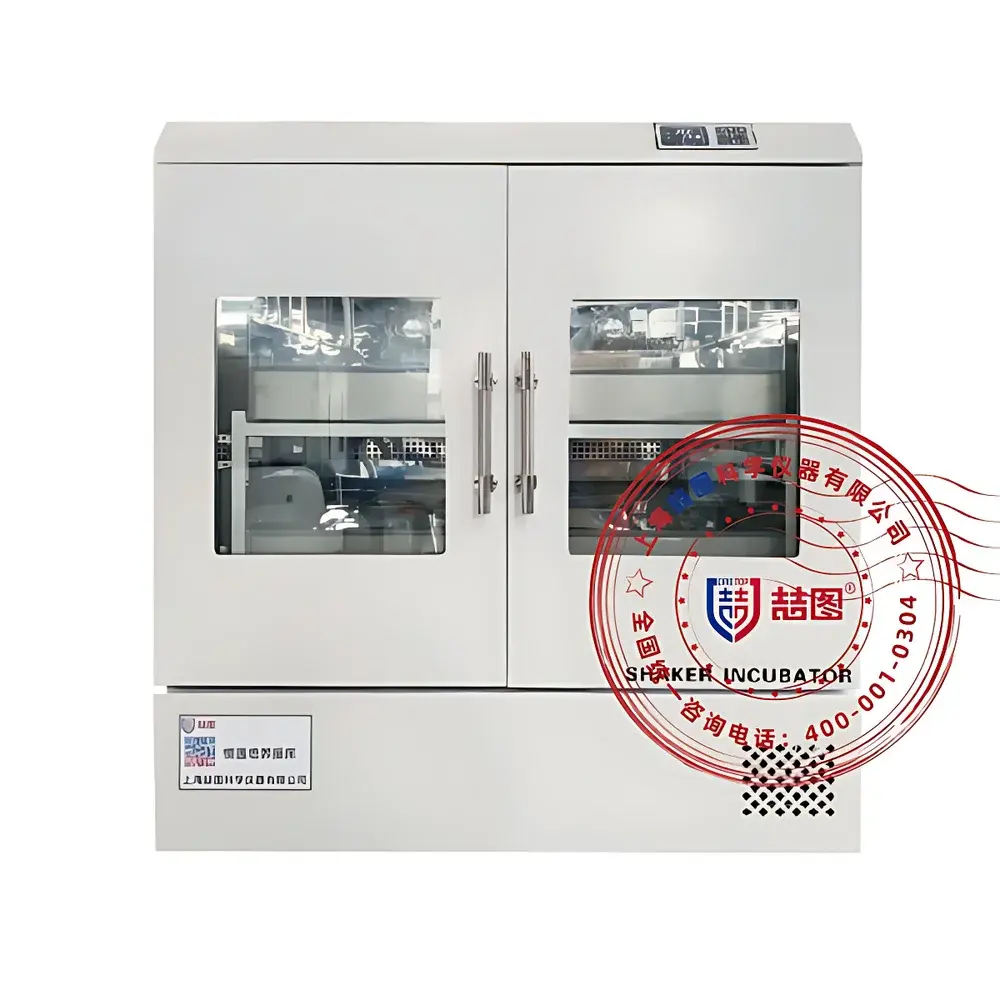
DRETOP ZYL.GC-7145-II Illuminated Temperature-Controlled Orbital Shaker
| Brand | DRETOP |
|---|---|
| Origin | Shanghai, China |
| Model | ZYL.GC-7145-II |
| Timer Range | 1–999 min |
| Oscillation Frequency | 0–300 rpm |
| Orbit Diameter | 26 mm |
| Temperature Range | RT+5°C to 60°C |
| Power Supply | AC 220 V, 50 Hz |
Overview
The DRETOP ZYL.GC-7145-II Illuminated Temperature-Controlled Orbital Shaker is a dual-shelf, microprocessor-regulated incubation shaker engineered for precision-controlled cultivation of photobiological samples under defined thermal, mechanical, and photometric conditions. It integrates orbital shaking mechanics with PID-regulated air-jacketed temperature control and programmable LED-based illumination—enabling reproducible simulation of diurnal light cycles in microbiological, plant tissue, algal, and circadian rhythm studies. Unlike basic shakers, this unit operates on the principle of controlled orbital motion (26 mm diameter) coupled with uniform convective heating and high-fidelity spectral lighting, making it suitable for applications requiring simultaneous regulation of temperature, agitation, and photon flux—such as photoautotrophic culture, light-dependent enzyme assays, and phytochrome-mediated germination experiments.
Key Features
- Microprocessor-based PID temperature control with ±0.1°C accuracy and real-time digital display of setpoint, actual temperature, speed (±1 rpm resolution), and elapsed time.
- Dual independent stainless steel shelves (710 × 455 mm each), each supporting up to 28 × 250 mL or 22 × 500 mL flasks; load capacity optimized for uniform heat distribution and vibration isolation.
- Programmable illumination system featuring top-mounted, spectrally balanced LED arrays (6000 lux max, adjustable intensity); supports multi-segment light/dark scheduling (1–24 time intervals per 24-h cycle).
- Brushless DC motor drive ensures maintenance-free operation, constant torque across full speed range (0–300 rpm), and silent, low-vibration performance—even at high speeds or asymmetric loads.
- Three-dimensional eccentric cam drive mechanism with soft-start acceleration profile minimizes liquid splashing and protects cell integrity during startup and deceleration.
- Robust enclosure with electrostatically sprayed steel housing, 304 stainless steel interior chamber and shelves, and tempered glass observation window with integrated LED lighting and manual on/off switch.
- Comprehensive safety architecture: over-temperature cutoff, overspeed shutdown, timer auto-stop, power-failure recovery, parameter lockout, and user-adjustable calibration offsets for temperature and speed.
Sample Compatibility & Compliance
The ZYL.GC-7145-II accommodates standard laboratory vessels—including Erlenmeyer flasks (50–5000 mL), test tubes, microtiter plates (with optional adapters), and custom bioreactor bottles—via interchangeable clamping systems (fixed bottle holders, universal spring clips, tube racks, and irregular-container fixtures). Its sealed chamber design supports optional O₂ enrichment ports (manually operable) and UV-C germicidal irradiation (optional module) for aseptic workflow integration. The unit complies with IEC 61010-1:2010 for laboratory electrical equipment safety and meets electromagnetic compatibility (EMC) requirements per EN 61326-1. While not certified for GMP manufacturing, its data logging capability (via USB interface), parameter encryption, and audit-ready operational history support GLP-aligned research environments and ISO/IEC 17025-compliant testing laboratories.
Software & Data Management
Equipped with embedded firmware supporting USB-based data export, the shaker records timestamped temperature, speed, illumination status, and runtime continuously during operation. Exported .csv files are compatible with common analytical platforms (e.g., Excel, Python pandas, MATLAB) for post-hoc trend analysis, deviation reporting, and protocol validation. Optional software add-ons enable remote monitoring via Ethernet (not included), scheduled parameter changes, and integration into LIMS environments through standardized serial command protocols. All logged events—including alarms, manual overrides, and calibration adjustments—are stored with immutable timestamps, satisfying traceability requirements under FDA 21 CFR Part 11 when used with validated third-party data management systems.
Applications
- Phototrophic microbial cultivation (e.g., Chlamydomonas reinhardtii, cyanobacteria, microalgae)
- Circadian clock studies in plant seedlings and mammalian cell lines expressing luciferase reporters
- Light-dependent biochemical assays (e.g., photosystem II activity, flavin photoreceptor kinetics)
- Seed germination and etiolation/de-etiolation experiments under controlled photoperiods
- Long-term stability testing of light-sensitive pharmaceutical formulations
- Enzymatic synthesis requiring concurrent agitation, thermal control, and UV/visible excitation
- Environmental simulation studies assessing combined stressors (temperature + light + shear)
FAQ
What is the maximum flask size supported on each shelf?
Each shelf accommodates up to twenty-eight 250 mL Erlenmeyer flasks or twenty-two 500 mL flasks—based on standard neck geometry and recommended fill volume (≤50% capacity).
Can illumination and temperature be programmed independently per shelf?
No—the lighting and thermal profiles are synchronized across both shelves; however, multi-stage programming allows distinct temperature/light combinations across time segments within a single run.
Is refrigeration available for this model?
The ZYL.GC-7145-II is a heating-only unit (RT+5°C to 60°C); for sub-ambient operation, consider the ZYL.GC-7145-DRD variant with compressor-based cooling (4–60°C range).
Does the unit include CO₂ control capability?
No—CO₂ regulation requires the dedicated ZYL.CP-7145 series; this model lacks gas inlet ports, IR sensors, or humidity control.
How is data integrity ensured during extended runs?
Internal non-volatile memory retains all operational logs and settings during power interruption; upon restoration, the device resumes the original program unless manually halted.



