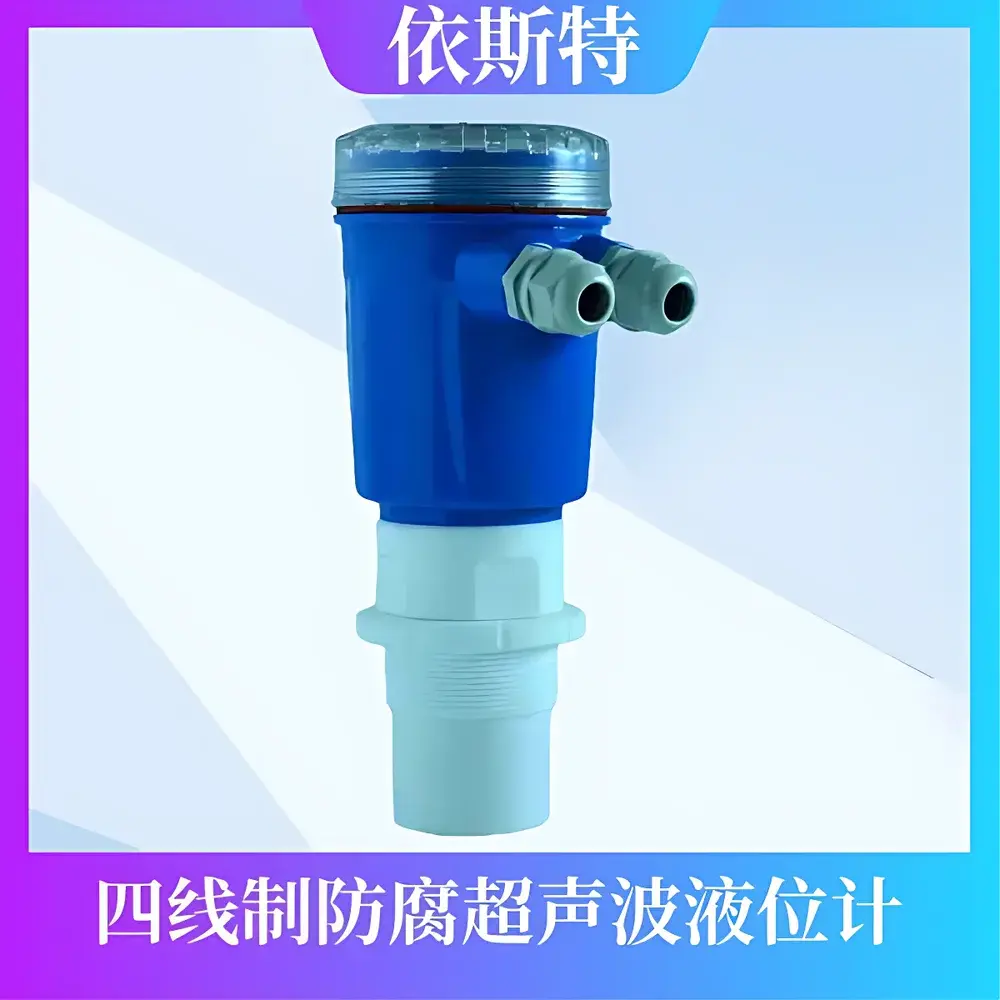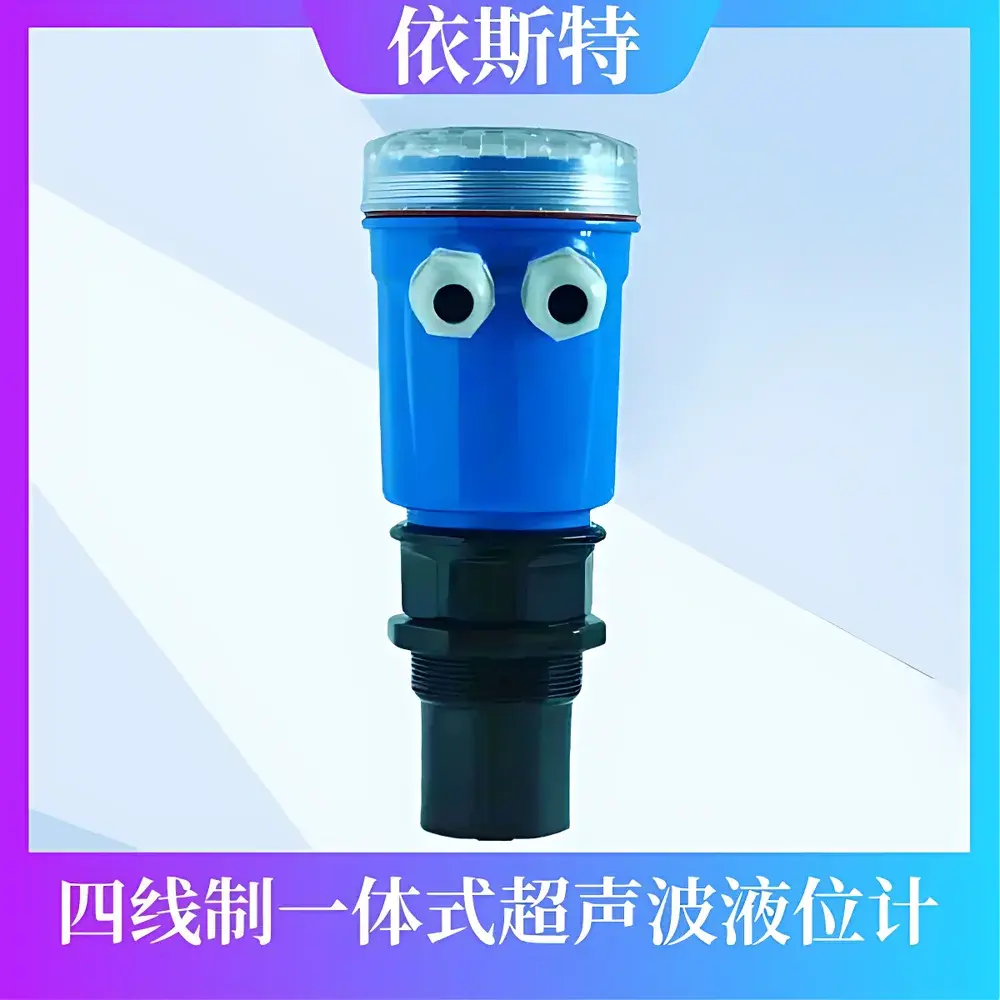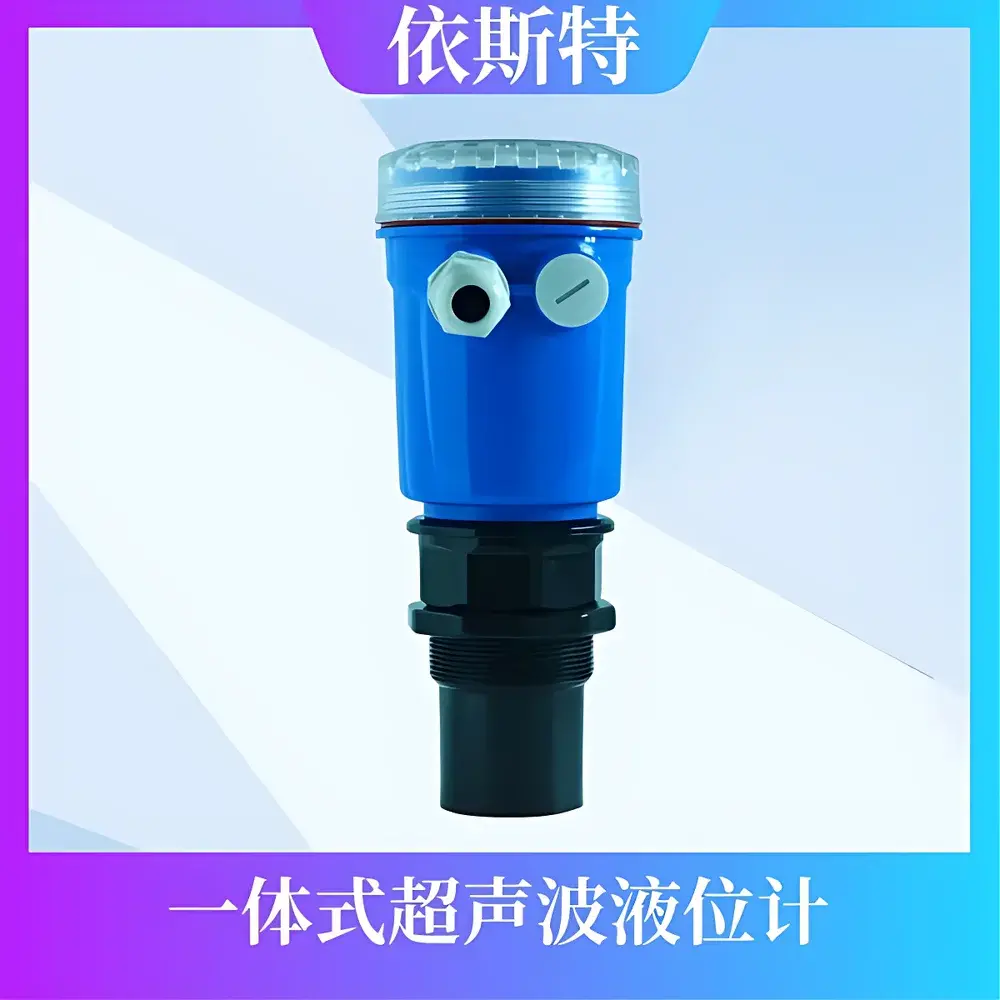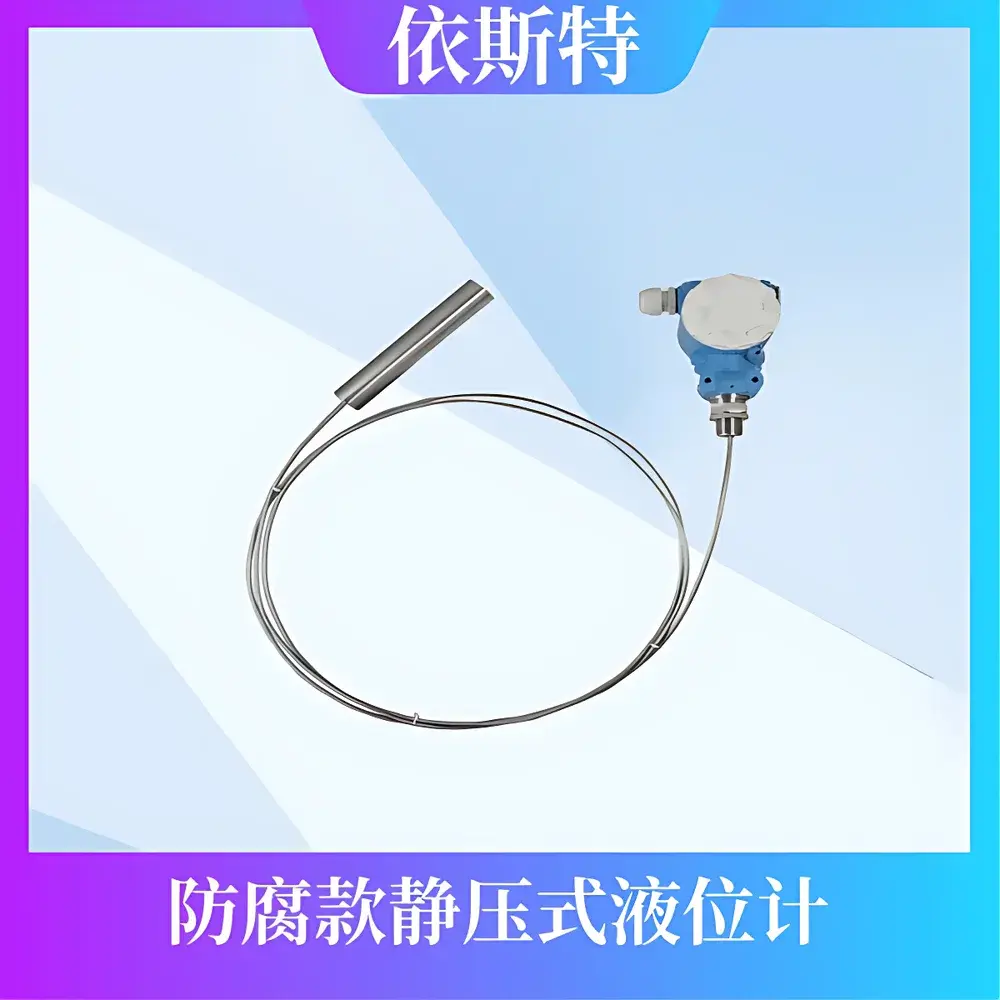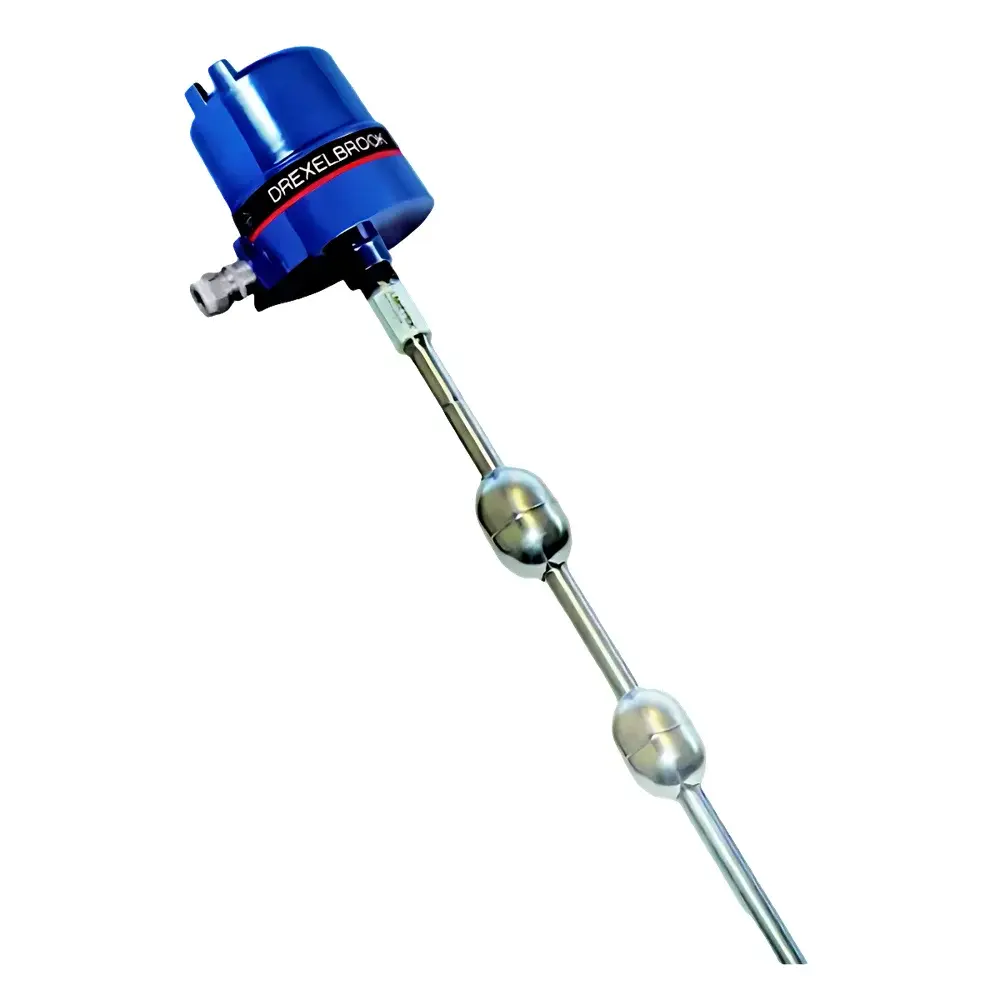
Drexelbrook DM231 Series Magnetostrictive Level Transmitter
| Brand | Drexelbrook |
|---|---|
| Origin | Shanghai, China |
| Manufacturer Type | Authorized Distributor |
| Product Category | Domestic (China-sourced) |
| Model | DM231 Series Magnetostrictive Level Transmitter |
| Pricing | Upon Request |
| Product Type | Level Transmitter |
| Measurement Principle | Magnetostrictive Technology |
| Accuracy | ±0.01% of full scale |
| Integrated Temperature Sensing | 5 discrete RTD points |
| Probe Type | Rigid Rod Sensor |
| Maximum Pressure Rating | 6.9 MPa |
| Operating Temperature Range | –40 °C to +125 °C |
| Maximum Standard Probe Length | 7.3 m |
| Output Options | 4–20 mA/HART, RS-485 Modbus RTU |
| Housing Material Options | 316L SS, Aluminum, or Explosion-Proof Cast Aluminum (ATEX/IECEx certified variants available) |
| Process Connection | NPT, BSP, or Flanged (ANSI/DIN) |
| Electrical Interface | Conduit or Cable Gland (IP66/IP67 rated) |
Overview
The Drexelbrook DM231 Series Magnetostrictive Level Transmitter is an industrial-grade continuous level measurement instrument engineered for high-reliability operation in demanding process environments. It employs the magnetostrictive principle—where a torsional strain pulse is generated at the position of a magnetically coupled float along a waveguide—to deliver precise, non-contact position sensing of liquid level and liquid-liquid interface. Unlike ultrasonic or radar technologies, magnetostriction offers inherent immunity to vapor space conditions, foam, turbulence, and dielectric variability, making it especially suitable for applications involving hydrocarbon separation, chemical blending, solvent recovery, and custody transfer where interface detection and long-term stability are critical. The DM231 is designed for permanent installation in pressurized tanks, reactors, and separators, supporting both single-phase level and two-phase interface monitoring within a single probe assembly.
Key Features
- High-accuracy measurement with repeatability better than ±0.01% of full-scale span, traceable to NIST-calibrated reference standards.
- Simultaneous dual-output capability: two isolated 4–20 mA current loops—one fully compliant with HART 7 protocol for configuration, diagnostics, and multivariable data access via handheld or asset management systems.
- Integrated temperature profiling: five calibrated Pt100 RTD elements distributed along the probe length enable vertical temperature gradient analysis—critical for density-compensated interface calculation and thermal expansion correction.
- Rigid rod construction fabricated from 316L stainless steel, rated for continuous service up to 6.9 MPa (1000 psi) and temperatures from –40 °C to +125 °C, with optional Hastelloy C-276 variants for highly corrosive media.
- Standard probe lengths up to 7.3 meters; custom lengths available with recalibration documentation per IEC 61298-2.
- Explosion-proof housing options certified to ATEX II 1/2G Ex ia IIC T6 Ga, IECEx ia IIC T6 Ga, and UL/cUL Class I, Div 1, Groups A–D, T6, enabling safe deployment in hazardous areas without additional barriers.
Sample Compatibility & Compliance
The DM231 is compatible with a broad range of liquids including hydrocarbons (crude oil, diesel, gasoline), solvents (toluene, acetone, methanol), aqueous solutions, and aggressive chemicals (sulfuric acid, caustic soda at controlled concentrations). Float materials—including SS316, titanium, and PTFE-coated variants—are selected based on specific gravity, chemical compatibility, and temperature requirements. The transmitter conforms to electromagnetic compatibility standards IEC 61326-1 (industrial environment) and functional safety guidelines per IEC 61508 SIL 2 (hardware fault tolerance). All units undergo factory calibration with documented uncertainty budgets and are supplied with calibration certificates compliant with ISO/IEC 17025 requirements when requested. Design and documentation support GLP/GMP validation protocols, including FAT/SAT test plans and 21 CFR Part 11-compliant electronic record generation when integrated with Drexelbrook’s SmartLink software suite.
Software & Data Management
Configuration, commissioning, and diagnostics are performed using Drexelbrook SmartLink PC software (Windows-based), which supports HART communication, real-time waveform visualization, float position trending, and diagnostic event logging. The software enables creation of device description (DD) files for integration into DeltaV, Emerson AMS, Honeywell Experion, and Siemens Desigo CCMS platforms. For enterprise-level data aggregation, the DM231 optionally supports Modbus RTU over RS-485, allowing direct connection to PLCs, SCADA systems, or edge gateways without protocol conversion. Audit trails, parameter change history, and calibration event timestamps are retained onboard and exportable in CSV format—fully aligned with FDA 21 CFR Part 11 requirements for electronic signatures and record integrity.
Applications
- Refinery crude tank farms: simultaneous monitoring of water-cut level and oil/water interface in API separators.
- Pharmaceutical bulk storage: sterile-grade level control of purified water and WFI tanks with temperature-compensated accuracy.
- Chemical manufacturing: interface detection in liquid–liquid extraction columns operating under vacuum or elevated pressure.
- Fuel terminal custody transfer: high-integrity level and temperature verification for fiscal metering compliance (API RP 2550, ISO 4267).
- Wastewater treatment: sludge blanket level monitoring in clarifiers with corrosion-resistant float options.
FAQ
What is the maximum allowable process pressure for the DM231 rod-type sensor?
The standard rigid rod probe is rated for continuous operation up to 6.9 MPa (1000 psi); higher-pressure variants require engineering review and custom pressure housing design.
Can the DM231 measure interface between two immiscible liquids with similar densities?
Yes—when combined with temperature gradient data from its five-point RTD array, the transmitter supports density-based interface algorithms that resolve interfaces with Δρ as low as 0.02 g/cm³, subject to proper float selection and calibration.
Is third-party calibration certification available?
Yes—NIST-traceable calibration certificates issued by ISO/IEC 17025-accredited laboratories are available upon request, including uncertainty statements per GUM (Guide to the Expression of Uncertainty in Measurement).
Does the DM231 support wireless HART or Bluetooth configuration?
No—the device uses wired HART 7 over the 4–20 mA loop; wireless configuration requires an external HART-to-WiFi adapter, which is not supplied or validated by Drexelbrook.
What documentation is provided for validation in regulated industries?
Standard delivery includes Factory Acceptance Test (FAT) report, calibration certificate, material compliance declarations (RoHS, REACH), and IEC 61508 hardware safety manual; IQ/OQ protocols and URS alignment packages are available under engineering services agreement.
Related Products