
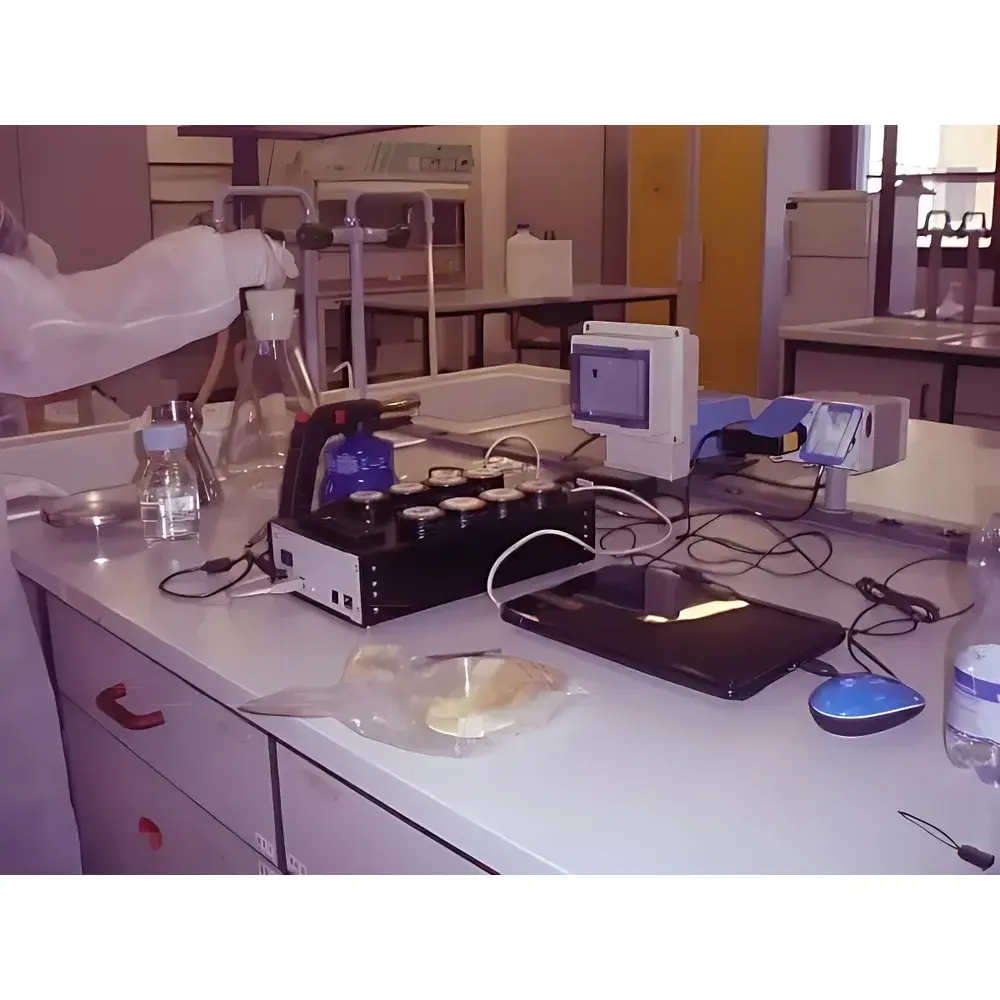
Fitlylab-Water Portable Microbial Water Quality Analyzer by MBS.SRL
| Brand | MBS.SRL |
|---|---|
| Origin | Italy |
| Model | Fitlylab-Water |
| Instrument Type | Portable/Handheld Water Quality Analyzer |
| Detection Targets | Total Viable Count (TVC), Total Coliforms, Escherichia coli, Thermotolerant Coliforms (Fecal Coliforms), Pseudomonas aeruginosa, Salmonella spp., Staphylococcus aureus, Enterococcus spp. |
| Certification | ISO/TR 13843:2000, ISO 16140:2003 (as an alternative method), ISO/IEC 17025:2005 compliant internal validation |
| Detection Principle | Integrated enzymatic–immunological–genomic signal amplification in sealed VL detection vials |
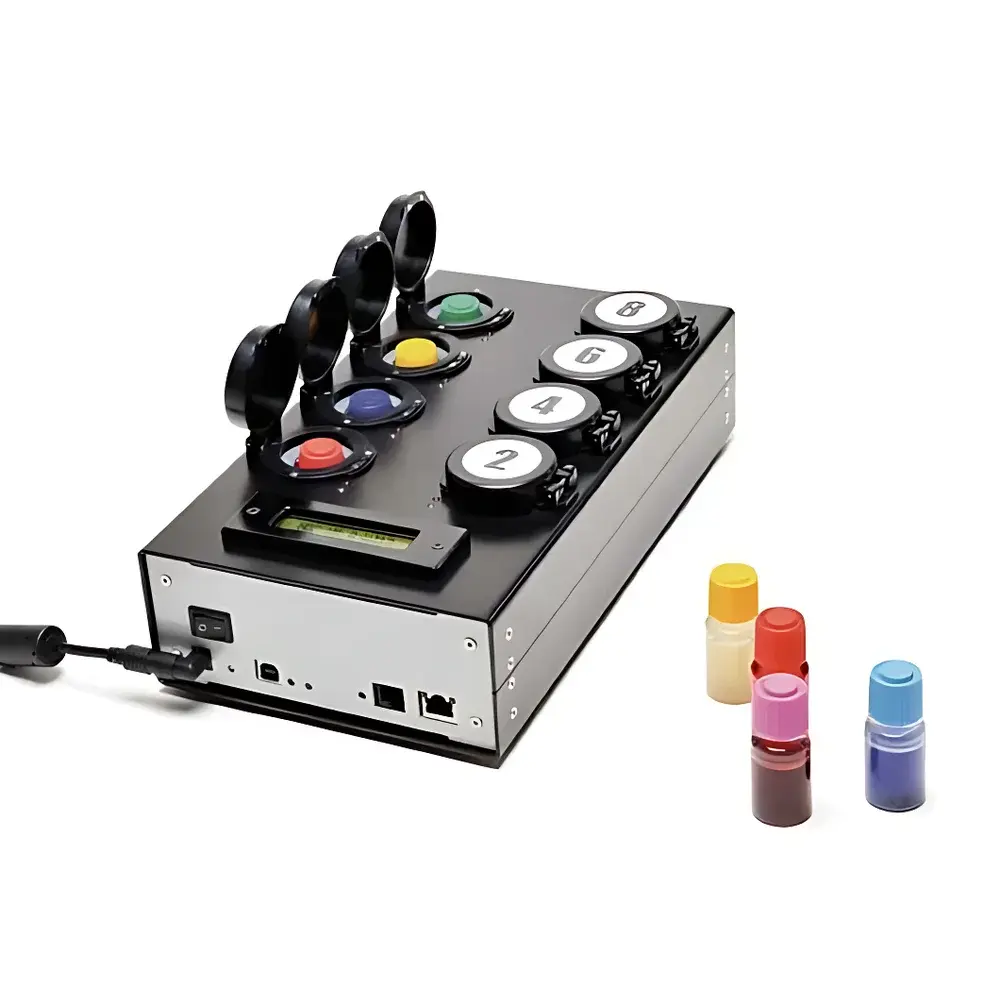
| Sample Throughput | 8 independent parallel channels |
| Sensitivity | ≥1 CFU per assay |
| Reporting | Automated PDF report generation with audit-ready metadata |
Overview
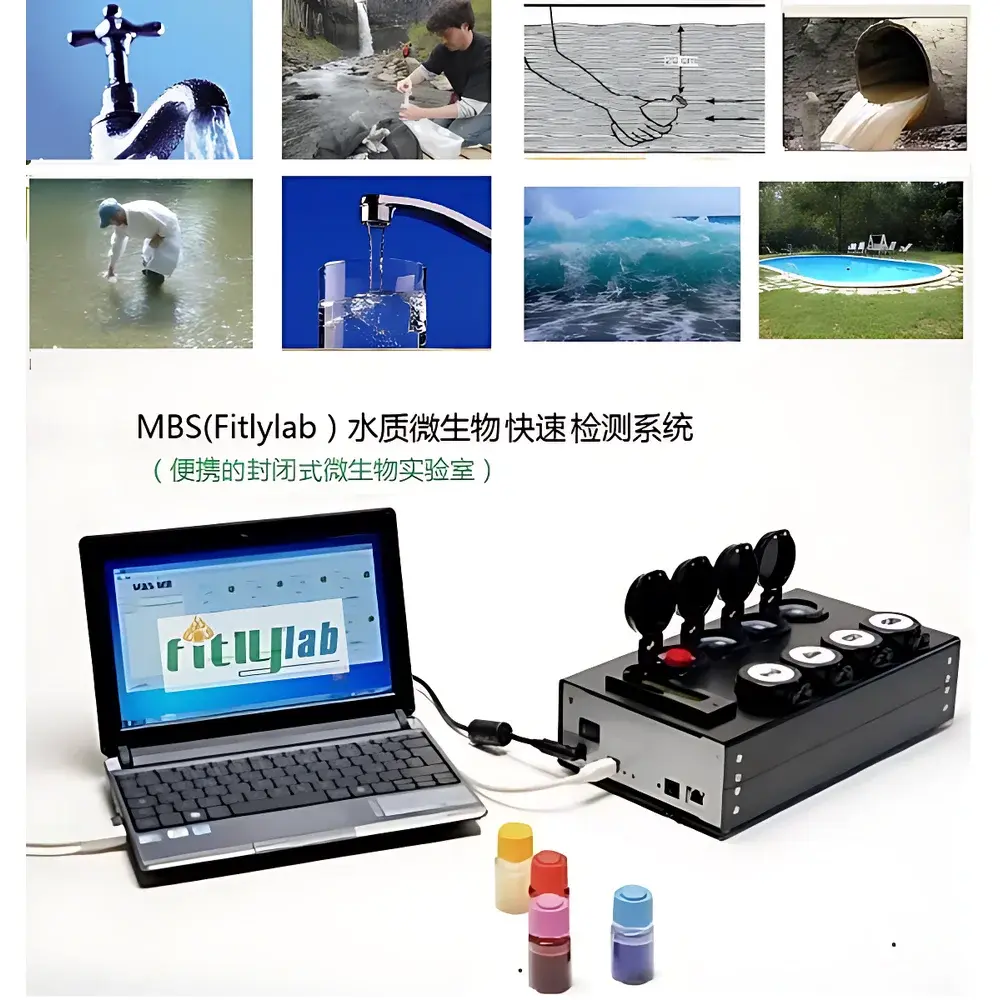
The Fitlylab-Water Portable Microbial Water Quality Analyzer is a field-deployable, ISO-validated system engineered for rapid, quantitative microbial enumeration in diverse water matrices—including drinking water, surface water, wastewater, swimming pool water, and seawater. Unlike conventional culture-based or MPN methods, Fitlylab-Water employs a proprietary multi-modal detection platform that synergistically integrates enzyme substrate hydrolysis (e.g., β-glucuronidase for E. coli), immuno-capture of target antigens, and selective nucleic acid signal amplification—all within a single-use, hermetically sealed VL detection vial. This tri-modal architecture eliminates cross-reactivity, minimizes false positives, and delivers quantifiable colony-forming unit (CFU) data without reliance on subjective colony morphology interpretation. The system operates on the principle of real-time optical signal transduction across three discrete wavelengths (blue, green, red), enabling simultaneous discrimination of multiple microbial targets in one run. Designed for compliance with international water safety frameworks—including WHO Guidelines for Drinking-water Quality and EU Directive 98/83/EC—the Fitlylab-Water analyzer supports both qualitative pass/fail assessment and full quantitative reporting down to 1 CFU per test.
Key Features
- Eight independent, temperature-controlled detection channels—each programmable for distinct microorganisms and incubation profiles (22 °C, 37 °C, 44.5 °C)
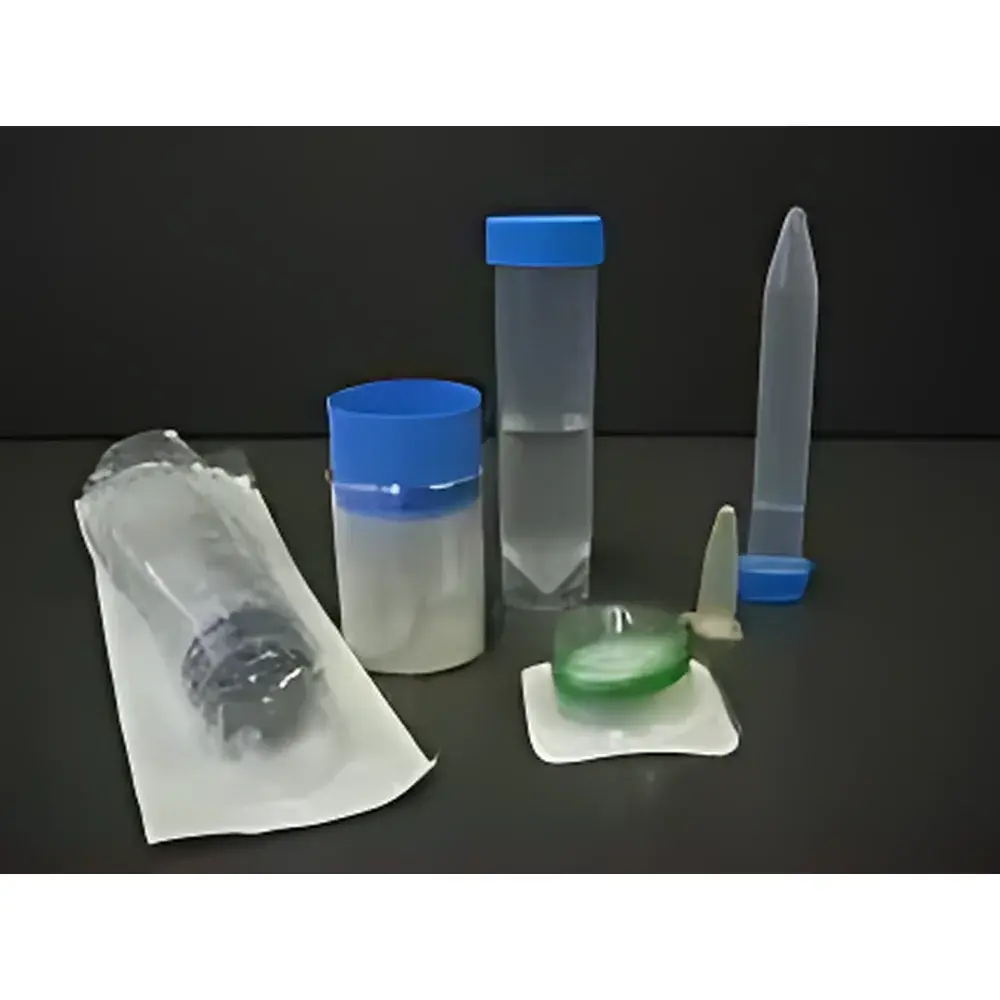
- Direct sample introduction: no pre-enrichment, centrifugation, or membrane filtration required for samples ≤1 mL; optional integrated vacuum-assisted filtration module for volumes up to 100 mL
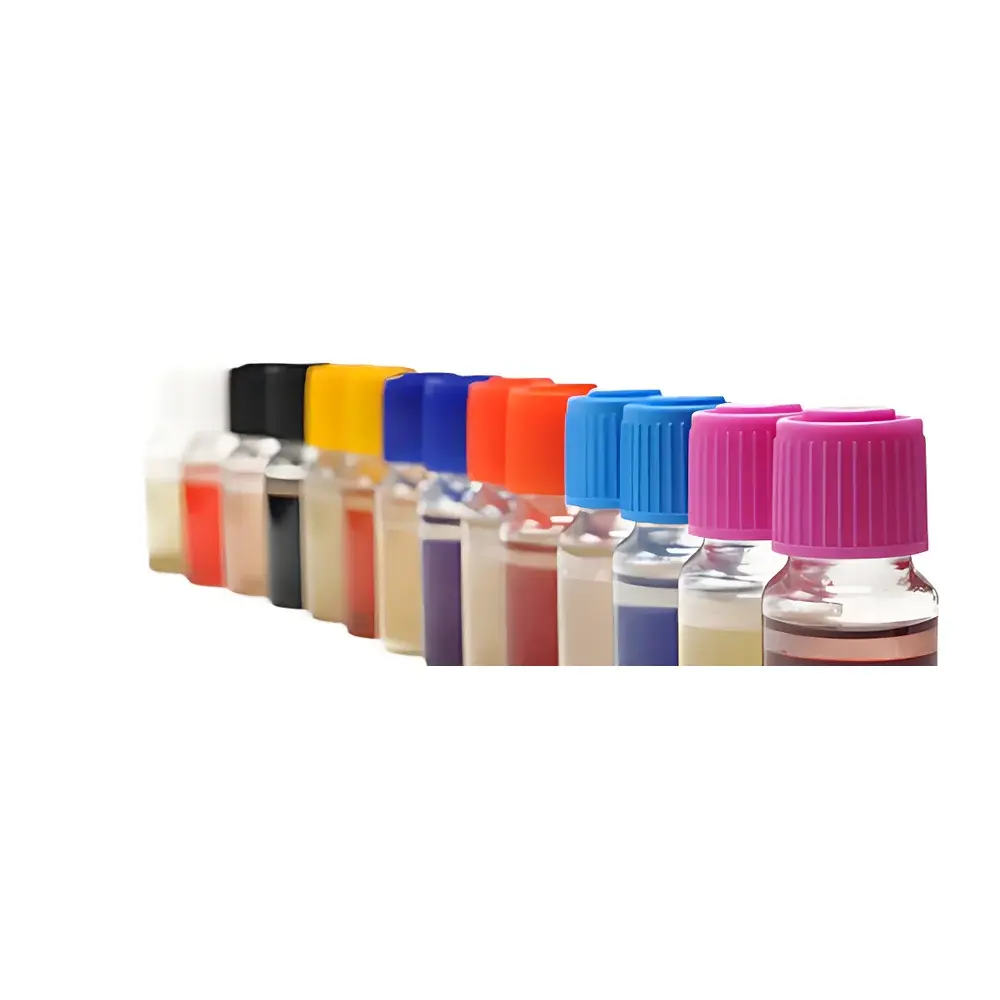
- Sealed, single-use VL vials with integrated sterilization post-assay—eliminates aerosol risk and enables safe operation in non-laboratory environments
- Automated optical readout using triple-wavelength photometry (450 nm, 520 nm, 630 nm) with dynamic baseline correction and kinetic curve analysis
- Sensitivity validated at ≥1 CFU per assay with specificity >99.999% against 27 non-target environmental isolates
- Full audit trail functionality compliant with GLP and FDA 21 CFR Part 11 requirements—including user authentication, electronic signatures, and immutable result archiving
- Battery-powered operation (≥8 hrs continuous use) with IP54-rated ruggedized housing for field deployment
Sample Compatibility & Compliance
Fitlylab-Water accommodates liquid, semi-solid, and surface-rinsed samples—including chlorinated, turbid, saline, and low-biomass waters where membrane filtration fails or yields inconsistent recovery. Validation studies confirm robust performance across high-turbidity river sediments (NTU >100), seawater (salinity 35 g/L), and hypochlorite-treated swimming pool water (free chlorine ≤5 mg/L). The system meets ISO/TR 13843:2000 for microbiological method verification in water quality testing and is certified under ISO 16140:2003 as a validated alternative to reference methods for food and feed microbiology—widely accepted by national drinking water authorities for regulatory monitoring. Internal validation adheres to ISO/IEC 17025:2005 requirements for competence of testing and calibration laboratories, including uncertainty estimation per ISO/IEC Guide 98-3.
Software & Data Management
The Fitlylab software suite—available in English, Spanish, French, and Chinese—provides intuitive workflow navigation, customizable detection protocols, and automated report generation in PDF format with embedded metadata (sample ID, operator, timestamp, instrument serial number, calibration status). All raw optical kinetics, threshold crossing times, and quantification curves are stored in a local SQLite database with optional encrypted cloud sync (AWS S3-backed, GDPR-compliant). Software updates are delivered remotely and installed without downtime. Audit logs record every user action—including parameter changes, result overrides, and report exports—with SHA-256 hashing for integrity verification. Integration with LIMS is supported via HL7 v2.5 and CSV export with configurable field mapping.
Applications
- Regulatory compliance monitoring of drinking water distribution systems (per EPA Method 1604, ISO 9308-1, ISO 7899-2)
- Rapid screening of recreational water bodies (pools, lakes, coastal zones) for E. coli, enterococci, and P. aeruginosa
- Emergency response during flood events or infrastructure failure—enabling on-site decision-making within 24 hours
- Validation of point-of-use (POU) and point-of-entry (POE) treatment devices
- Monitoring of aquaculture effluents and bottled water production lines
- Field-based surveillance in resource-limited settings lacking laboratory infrastructure
FAQ
What regulatory standards does Fitlylab-Water satisfy?
It is validated per ISO/TR 13843:2000 (water microbiology), ISO 16140:2003 (alternative method validation), and internally accredited to ISO/IEC 17025:2005. It aligns with US EPA, WHO, and EU WFD requirements for microbial water safety.
Can it detect microbes in highly turbid or chlorinated water?
Yes—no pretreatment is needed for turbidity ≤200 NTU or free chlorine ≤5 mg/L. For higher concentrations, the integrated filtration module ensures quantitative recovery without membrane clogging.
Is the system suitable for untrained operators?
Yes—its guided interface, auto-calibration, and fully automated reporting require no microbiological training. All critical steps are hardware-locked and software-verified.
How is data integrity ensured for regulatory submissions?
Every assay generates a tamper-evident PDF report with digital signature, timestamp, and full traceability. Raw data files include cryptographic hashes and are archived with version-controlled access logs.
What is the shelf life and storage requirement for VL detection vials?
Vials remain stable for 18 months when stored at 2–8 °C in original packaging. No reconstitution or cold-chain transport is required prior to use.







