
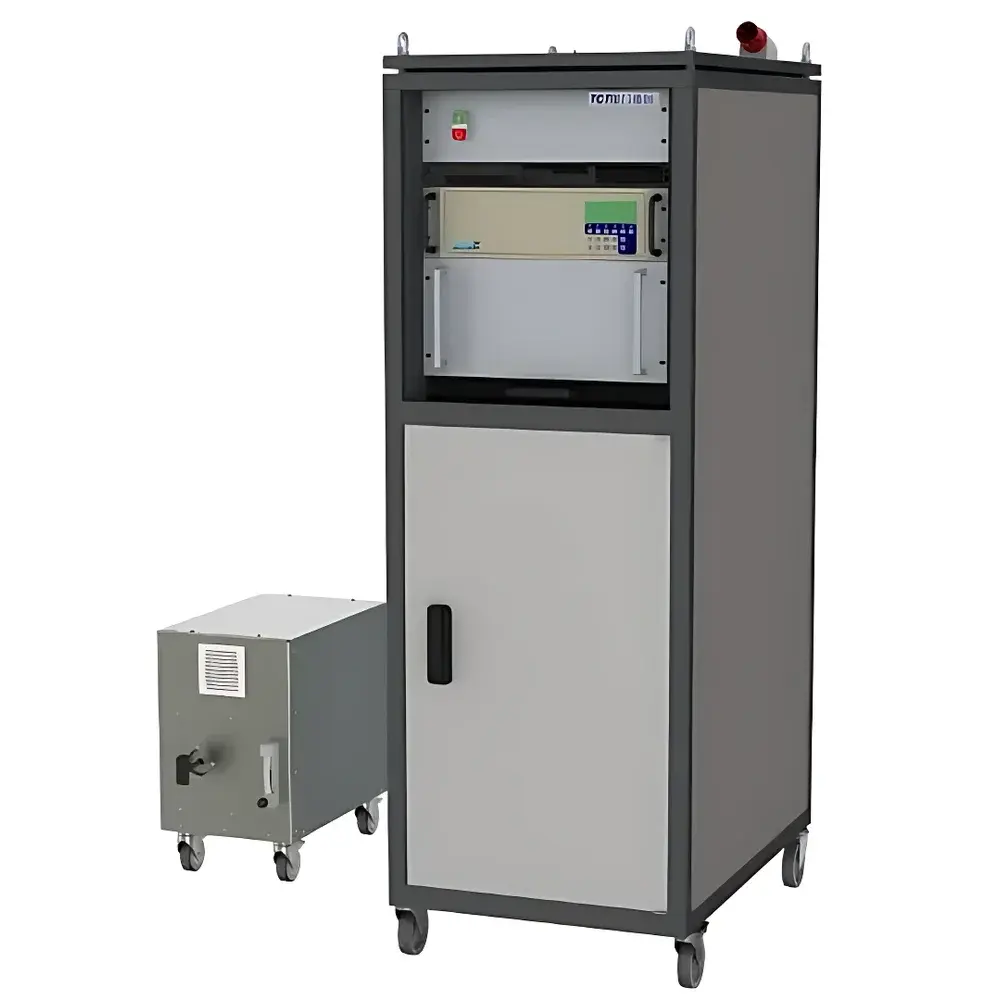
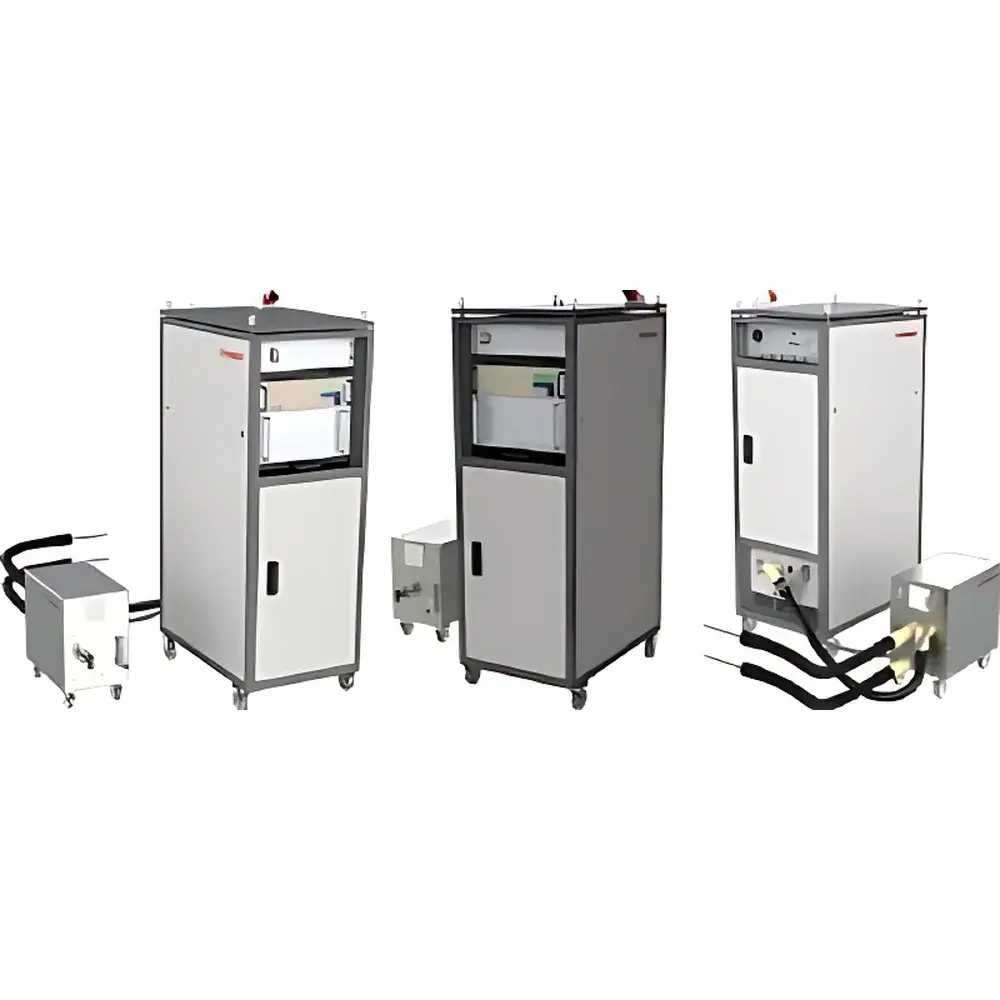
Fourier Transform Infrared Gas Analyzer FGA1000
| Origin | Sweden |
|---|---|
| Manufacturer Type | Authorized Distributor |
| Origin Category | Imported |
| Model | FGA1000 |
| Instrument Type | Laboratory FTIR Spectrometer |
| Laser IR Technology | Yes |
| Resolution | 0.5 cm⁻¹ |
| Wavenumber Range | 600–4,000 cm⁻¹ (standard configuration) |
| Scan Speed | Up to 10 spectra/sec |
| Signal-to-Noise Ratio | >5,000:1 (RMS, 128 scans, 1 cm⁻¹ resolution) |
| Optical Path Length | 200 mL – 5.11 m multi-pass gas cell |
| Operating Temperature | Sample Cell up to 191 °C |
| Calibration Stability | Multi-year drift <1% without recalibration |
| Compliance | ASTM D6348, ISO 12039, EN 15058, EPA Method 320, EU 2017/1151 (RDE), UNECE R83/R49 |
Overview
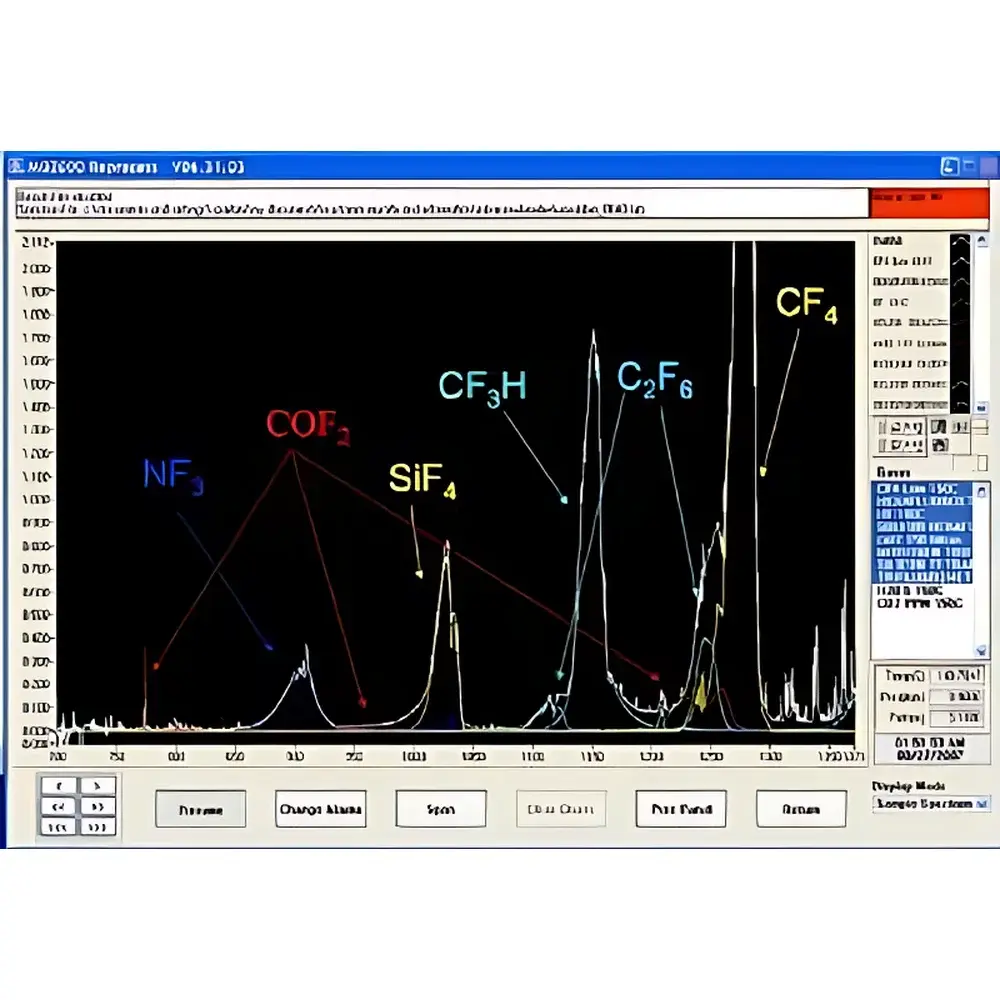
The FGA1000 Fourier Transform Infrared (FTIR) Gas Analyzer is a high-performance, laboratory-grade multi-component emission measurement system engineered for regulatory-compliant and R&D-grade analysis of engine exhaust, catalytic converter effluents, and alternative fuel combustion byproducts. Based on Michelson interferometry and rapid-scan FTIR spectroscopy, the FGA1000 delivers simultaneous, quantitative detection of up to 25 gaseous species—including NH3, NO, NO2, N2O, SO2, CO, CO2, CH4, C2H2, C2H4, C2H6, C3H6, C4H6, C7H8, HCHO, HCOOH, HCN, HF, HCl, and THC—without chemical conversion or cross-interference from water vapor or carbon dioxide. Its core optical architecture features a thermally stabilized, temperature-controlled interferometer with a permanently aligned KBr beam splitter and high-efficiency DTGS detector. The system operates across a wavenumber range of 600–4,000 cm⁻¹ at a nominal resolution of 0.5 cm⁻¹, enabling robust spectral deconvolution of overlapping absorption bands in complex, hot, and humid exhaust streams.
Key Features
- Simultaneous quantification of up to 25 gas components in a single spectrum acquisition cycle
- Direct analysis of hot, wet exhaust gases—no condensation, no dilution, no drying required
- Heated sample path: 180 °C sampling line + 191 °C multi-pass gas cell (operating at 1.0 atm absolute)
- Modular, field-upgradeable hardware design supporting optional THC, formaldehyde, or hydrogen cyanide modules
- Real-time spectral diagnostics: automatic optical alignment verification, detector health monitoring, and interferogram quality assessment
- Factory-calibrated traceable to NIST-standard reference gases; calibration stability verified over ≥36 months under continuous operation
- Dynamic response time ≤1 second (T90) for all target analytes—fully compatible with transient engine test cycles (e.g., WLTC, RDE, FTP-75)
- Integrated background compensation routine requiring only periodic zero-gas measurement—not full recalibration
- Self-contained optical chamber with tool-free access for routine cleaning; no realignment needed post-maintenance
- Compliant with ISO 17025-accredited laboratory workflows and supports audit-ready data integrity per FDA 21 CFR Part 11 and EU Annex 11 requirements
Sample Compatibility & Compliance
The FGA1000 is validated for direct, unfiltered measurement of undiluted exhaust streams from diesel, gasoline, natural gas (CNG), methanol, ethanol, biodiesel, and hydrogen-fueled engines. Its heated optical path eliminates adsorption losses for polar, reactive, or low-volatility compounds—including NH3, SO2, HCl, HF, and aldehydes—ensuring stoichiometric fidelity during SCR, DOC, LNT, and DPF development. The system meets the analytical performance criteria specified in ASTM D6348 (for gaseous emissions), ISO 12039 (stationary source monitoring), EN 15058 (mobile source FTIR), and U.S. EPA Method 320 (infrared analysis of organic and inorganic vapors). It is routinely deployed in laboratories accredited to ISO/IEC 17025:2017 and supports full GLP/GMP documentation including electronic signatures, change control logs, and raw spectral archive retention.
Software & Data Management
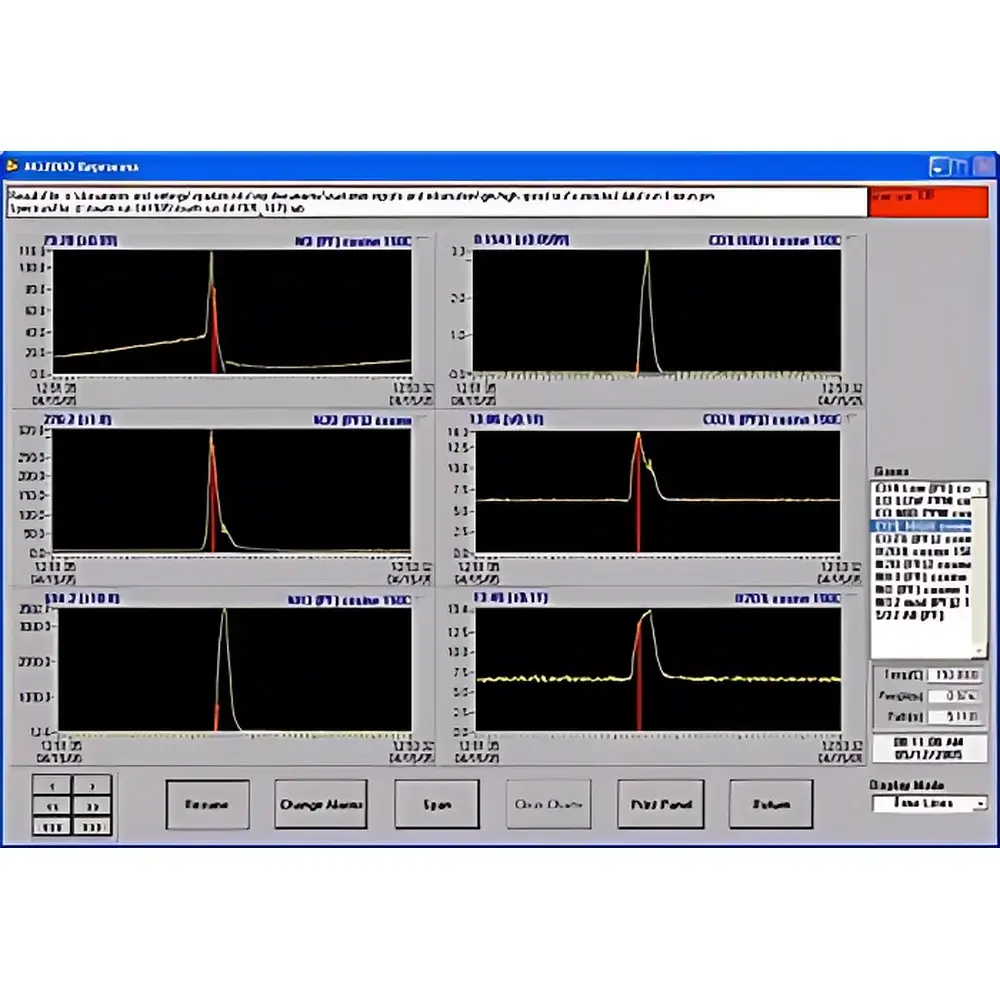
Controlled via the proprietary FGA-Suite™ software platform (Windows-based, .NET 6 framework), the FGA1000 provides real-time spectral acquisition, chemometric quantification using partial least squares (PLS) regression models, and automated interference correction. All calibration models are stored as encrypted, version-controlled binaries with metadata linking to reference gas certificates and validation reports. The software enforces role-based access control, audit trail logging (per 21 CFR Part 11), and export to CSV, XML, or SQL Server databases. Integration with third-party testbed systems (e.g., AVL PUMA, Horiba MEXA, AVL iMQ) is supported via TCP/IP, OPC UA, and CAN bus protocols. Remote diagnostics and firmware updates are performed securely over TLS-encrypted connections without onsite technician intervention.
Applications
- R&D and certification testing of Euro IV–VI and U.S. Tier 4 diesel engines with SCR, LNT, and DOC aftertreatment systems
- Ammonia slip measurement and urea dosing optimization in heavy-duty SCR applications
- Transient emissions mapping on engine and chassis dynamometers (steady-state and NEDC/WLTC/RDE cycles)
- Development and validation of low-temperature catalysts, plasma-assisted oxidation, and electrochemical NOx reduction technologies
- Characterization of non-regulated emissions (NREs) from alternative fuels—including formaldehyde from methanol combustion and acetaldehyde from ethanol
- Hydrogen fuel cell exhaust analysis (H2, CO, CO2, NH3, H2O) and PEM stack degradation studies
- Regulatory compliance testing per UN ECE R83, R49, R101, and California Air Resources Board (CARB) LEV III standards
- Support for SAE J1711, ISO 8178, and ISO 16183 test procedures for non-road and marine engines
FAQ
Is the FGA1000 suitable for real-time, on-dynamometer exhaust analysis?
Yes—the system achieves full spectral acquisition and quantification within 1 second and is routinely synchronized with engine control units and dynamometer data acquisition systems via TTL triggers and analog/digital I/O.
Does it require daily calibration or frequent zero/span checks?
No. Factory calibration remains stable for ≥36 months under normal operating conditions. Only periodic background (zero-air) measurements are required—no span gas or manual intervention is necessary.
Can it measure total hydrocarbons (THC) alongside speciated hydrocarbons?
Yes. An optional integrated FID-based THC module interfaces seamlessly with the FTIR subsystem, enabling concurrent reporting of both speciated and summed hydrocarbon metrics per ISO 8178 and EPA 40 CFR Part 1065.
What level of technical support and software maintenance is included?
All systems include 3 years of comprehensive remote support, firmware updates, spectral library expansion, and annual performance verification services—aligned with ISO/IEC 17025 maintenance schedules.






