
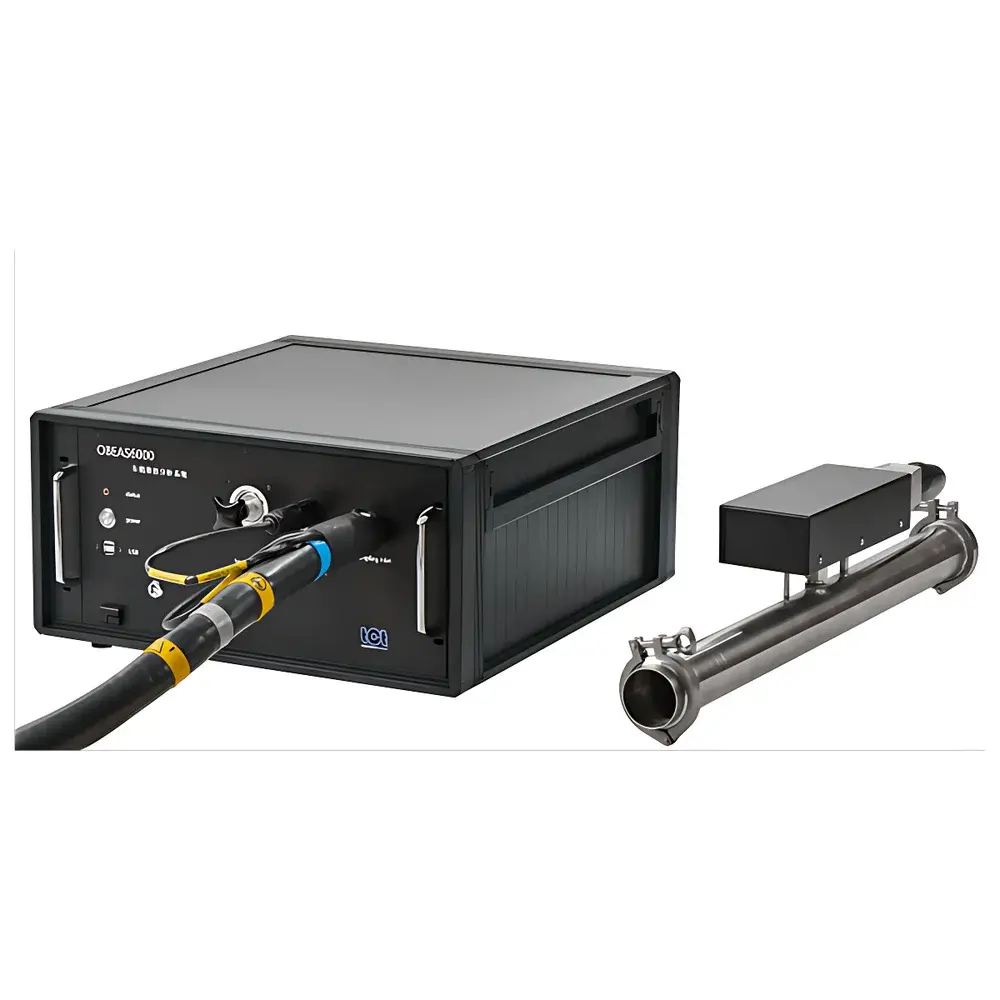
TCT OBEAS6000 Portable On-Board Emission Measurement System (PEMS)
| Brand | TCT (Xiamen Tongchuang) |
|---|---|
| Origin | Fujian, China |
| Model | OBEAS 6000 |
| Instrument Type | Portable |
| Detection Principle | Non-Dispersive Infrared (NDIR), Nondispersive Ultraviolet (NDUV), Electrochemical (EC), Paramagnetic (PMD), Flame Ionization (FID), Diffusion Charging (DC) |
| Max. Permissible Error | ±1.5% of reading |
| Zero Drift | CO ≤10 ppm, CO₂ ≤±1000 ppm, NO/NO₂ ≤±1% of full scale |
| Span Drift | CO ≤10 ppm, CO₂ ≤±1000 ppm, NO/NO₂ ≤±2 ppm |
| Repeatability | CO/CO₂ ≤±1% FS |
Overview
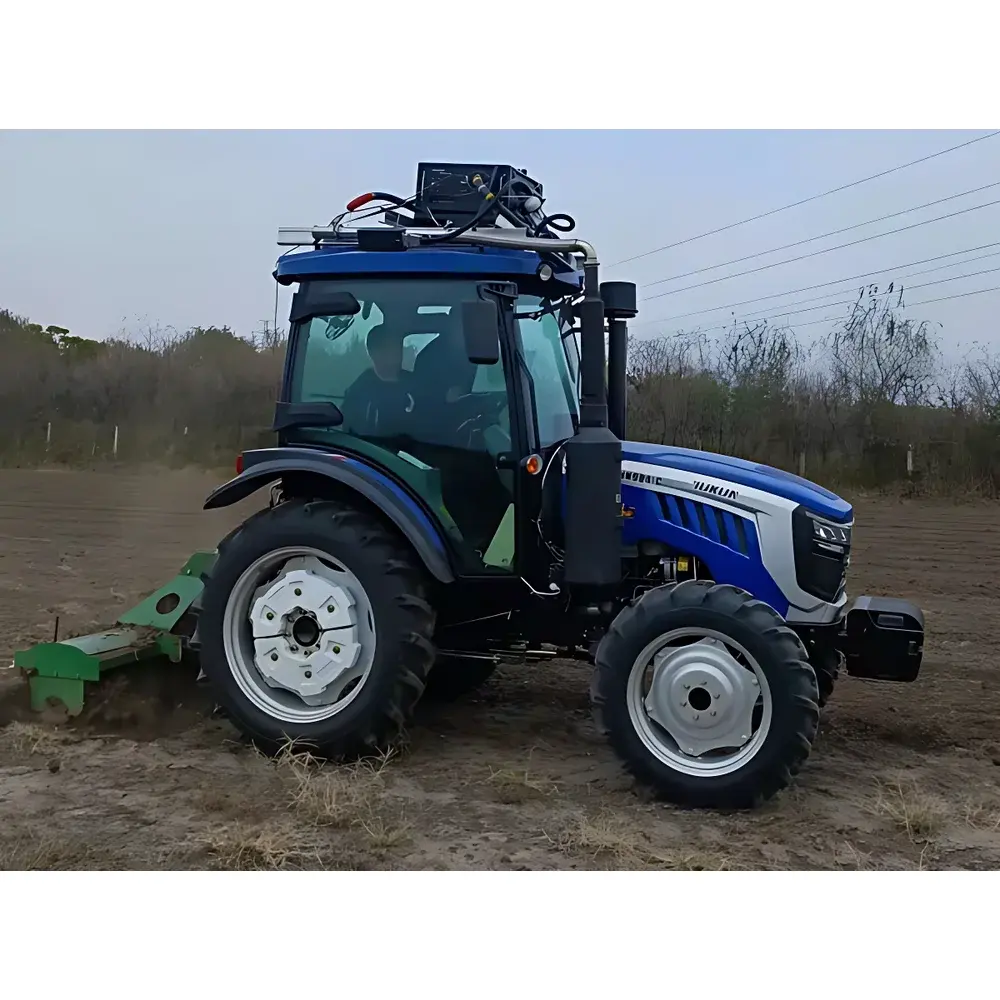
The TCT OBEAS6000 is a fully integrated, field-deployable Portable Emission Measurement System (PEMS) engineered for real-world, on-road and off-road mobile source emissions testing. Designed in accordance with international PEMS architecture standards—including ISO 8714, ISO 29458, and UN GTR No. 15—the system implements multi-principle gas detection (NDIR for CO/CO₂/O₂, NDUV for NO/NO₂, FID for THC/CH₄/C₃H₈, EC/PMD for O₂, and DC-based methodology for PN and PM) alongside synchronized vehicle parameter acquisition. It delivers time-synchronized, high-frequency (≥10 Hz) measurement of gaseous pollutants (CO, CO₂, O₂, NO, NO₂, NOₓ, THC, CH₄, C₃H₈), particulate number concentration (PN, 600–1.3×10⁹ #/cm³), particulate mass concentration (PM, 0.001–300 mg/m³), exhaust mass flow (via heated pitot-tube-based flowmeter, 6–800 L/s), ambient conditions (temperature, humidity, barometric pressure), and GNSS-derived kinematic data (position accuracy <3 m, velocity resolution 0.1 m/s). The system supports both power-based (g/kW·h) and distance-based (g/km) emission quantification using moving-average window (MAW) and Not-To-Exceed (NTE) methodologies per regulatory frameworks including GB 17691-2018 Annex K, GB 18352.6-2016 Type II, HJ 1014-2020 Annex E, and HJ 857-2017.
Key Features
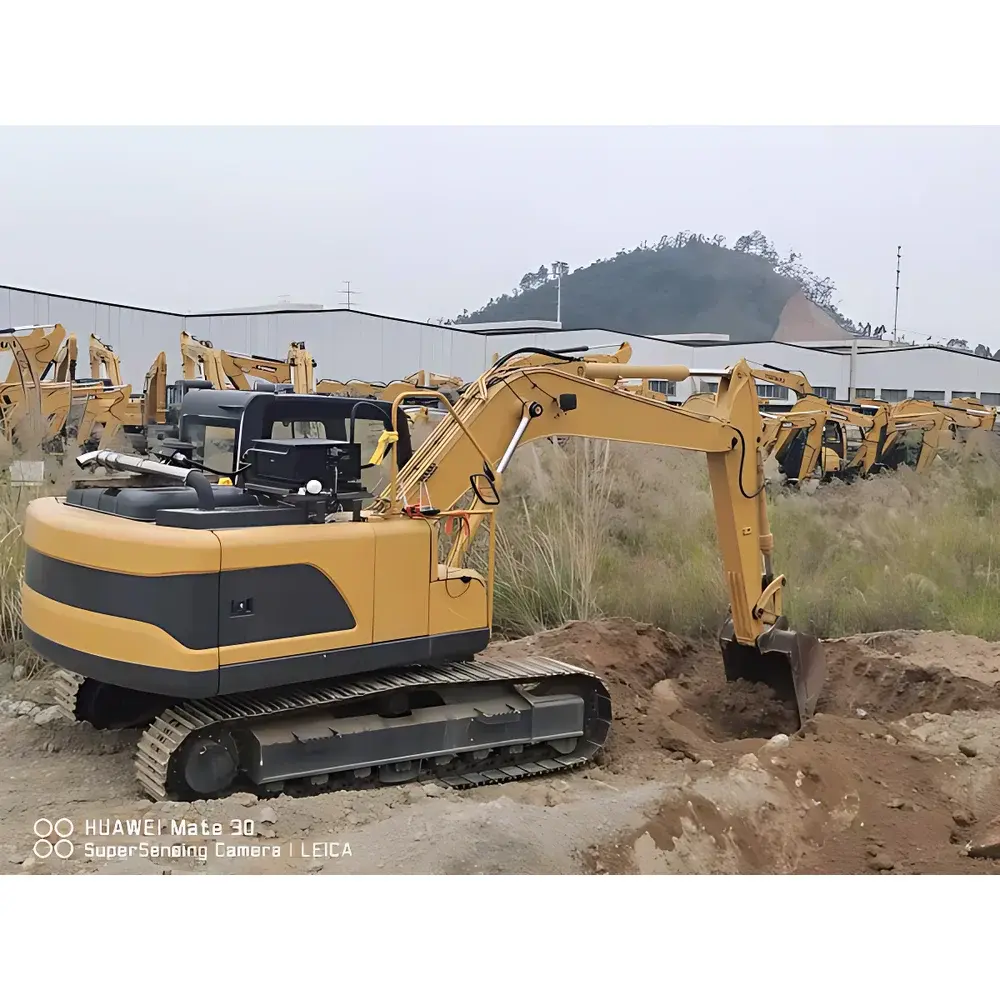
- Modular, field-rugged architecture with IP54-rated enclosure, shock-absorbing chassis, and conformal coating for operation in non-road environments (construction machinery, marine auxiliary engines, locomotives, aircraft APUs).
- Dual-channel NDIR modules for CO and CO₂—optimized for low-emission engine validation with ≤±1% FS repeatability and sub-ppm resolution.
- True-species NDUV detection for simultaneous, water-insensitive, zero-conversion-loss NO and NO₂ measurement—eliminating catalytic converter dependency and reducing long-term calibration drift.
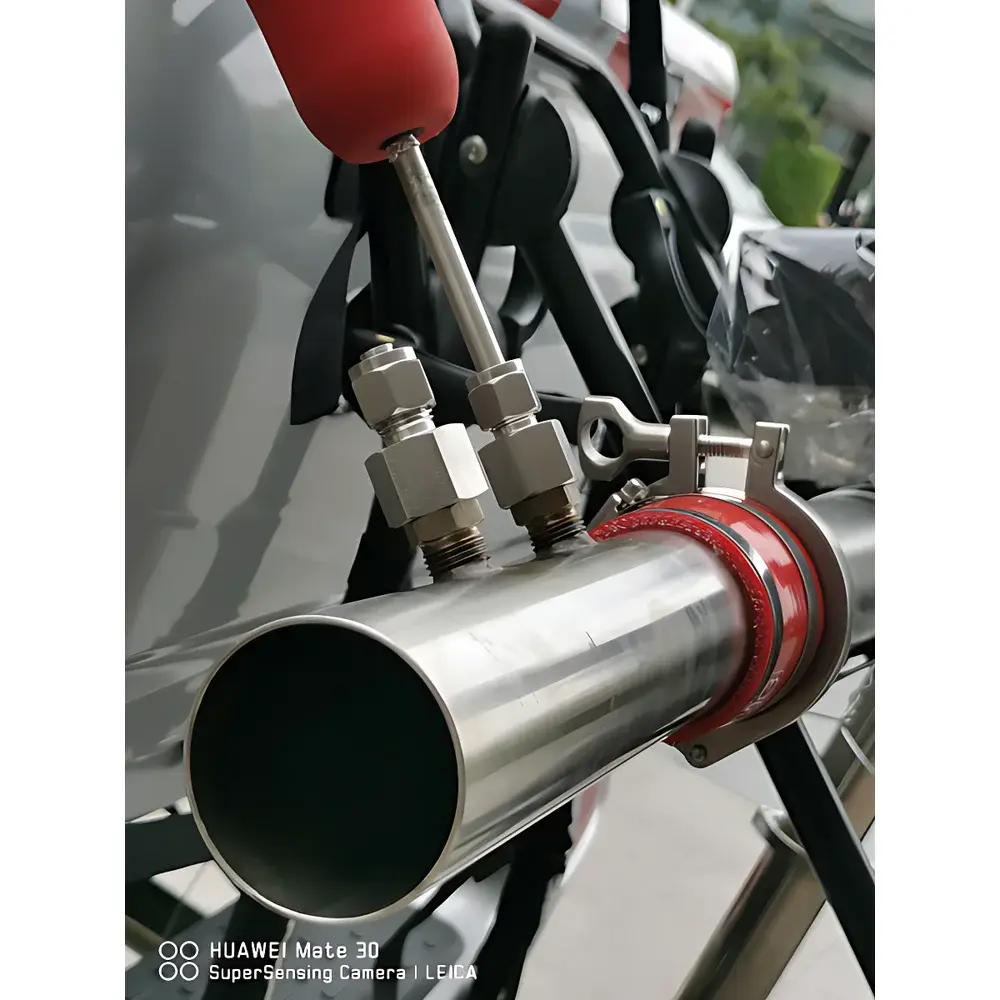
- High-temperature (−10 °C to 700 °C), heated stainless-steel exhaust mass flowmeter with integrated temperature/pressure compensation and ±2% reading accuracy across three pipe-diameter configurations (2.5″, 4.0″, 5.0″).
- Integrated OBD-II/EOBD/J1939-compliant ECU interface supporting >12 protocol families (ISO 15765, ISO 14229, J1979, J1850 PWM/VPW, ISO 9141, SAE J1708, CAT J1939, Agricultural/Marine J1939) for real-time VSS, acceleration, torque, and DTC acquisition.
- Low-power design: 350 W max system draw; German Winkler heated sampling lines; ≥6 h battery runtime under continuous operation.
- Preconfigured software suite with automated MAW/NTE window alignment, emission factor derivation (g/km, g/kW·h), and ISO/GB-compliant report generation—including audit-ready metadata tagging and timestamp synchronization across all sensor channels.
Sample Compatibility & Compliance
The OBEAS6000 is validated for use across light-duty vehicles, heavy-duty diesel and gaseous-fueled trucks, off-road construction equipment, rail traction units, marine propulsion systems, and aviation ground support units. Its modular configuration allows expansion to include THC speciation (C₃H₈, CH₄), PN (nucleation-mode to accumulation-mode particles, 2.5 nm–2.5 µm), and gravimetric PM analysis. Regulatory compliance includes full alignment with Chinese national standards: GB 17691-2018 (China VI diesel/gasoline), GB 18352.6-2016 (China VI light-duty), HJ 1014-2020 (non-road diesel), and HJ 857-2017 (heavy-duty PEMS). Data integrity meets GLP-aligned traceability requirements, with onboard logging of calibration events, sensor diagnostics, and environmental interference flags. All firmware and data handling routines are designed to support future alignment with EU RDE (Regulation (EU) 2016/427) and US EPA 40 CFR Part 1065 Subpart J verification protocols.
Software & Data Management
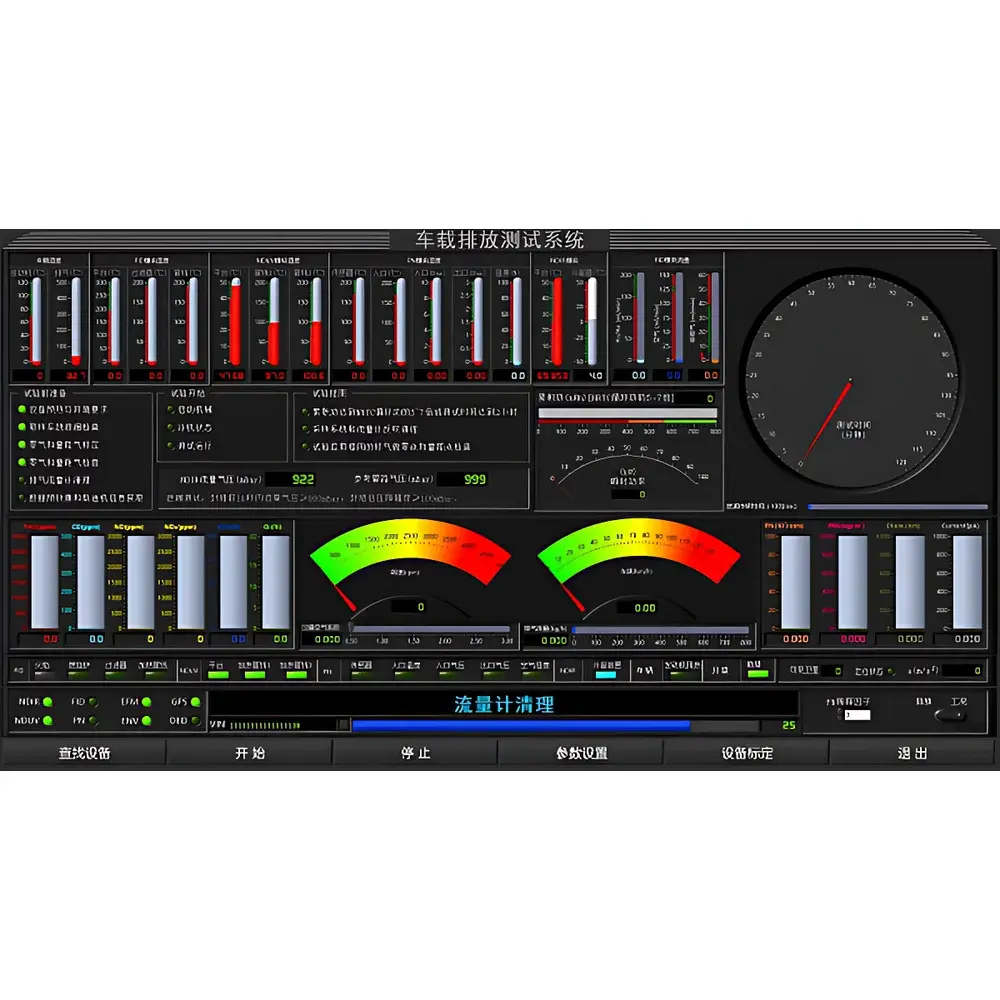
The embedded Linux-based acquisition platform provides real-time visualization, configurable alarm thresholds, and synchronized multi-channel logging at ≥10 Hz. Post-processing software implements ISO-standardized emission windowing algorithms—including 150-second moving average windows, power-based NTE zones, and distance-weighted aggregation. Raw data exports comply with ASAM MDF4 format, enabling interoperability with AVL PUMA, ETAS INCA, and MATLAB-based modeling workflows. Audit trails record user actions, calibration history, GPS lock status, and sensor health metrics. Software supports FDA 21 CFR Part 11–compatible electronic signatures and role-based access control (admin/operator/viewer), with optional encrypted cloud backup and remote diagnostic telemetry via LTE/Wi-Fi.
Applications
- Real-driving emissions (RDE) testing for certification and conformity monitoring under China VI and emerging regional standards.
- In-use compliance screening of municipal bus fleets, logistics vehicles, and municipal construction equipment.
- Engine development validation—especially for aftertreatment systems (SCR, DPF, GPF) under transient load cycles replicating urban, rural, and highway driving.
- Mobile source emission inventory refinement—supporting bottom-up modeling of spatially resolved NOₓ, PM, and CO₂ hotspots in urban air quality management plans.
- Research applications in atmospheric chemistry, including correlation studies between PN size distribution and secondary aerosol formation potential.
- Support for type-approval audits, in-service surveillance, and manufacturer self-certification programs requiring traceable, metrologically sound field data.
FAQ
What regulatory test cycles does the OBEAS6000 support?
It supports China VI RDE testing per GB 17691-2018 Annex K, HJ 857-2017, and HJ 1014-2020 Annex E—including NTE zone definition, power binning, and cold-start exclusion logic.
Can the system measure both NO and NO₂ independently without a catalytic converter?
Yes—using dual-beam NDUV spectroscopy, it quantifies NO and NO₂ simultaneously with no chemical conversion step, eliminating cross-sensitivity to water vapor and thermal decomposition artifacts.
Is the exhaust flowmeter certified for high-temperature, high-particulate exhaust streams?
Yes—the pitot-based mass flowmeter features active heating (up to 200 °C line temperature), ceramic-coated sensing elements, and dynamic pressure/temperature compensation per ISO 5167-3 and GB/T 21188-2007.
Does the system meet data integrity requirements for official compliance reporting?
Yes—data files include cryptographic hash signatures, UTC-synchronized timestamps from GNSS PPS, and embedded calibration certificate references compliant with ISO/IEC 17025 documentation practices.
What is the typical warm-up time before valid measurements can be recorded?
Gas analyzers achieve operational stability within 30–40 minutes; the exhaust flowmeter and PN/PM modules reach thermal equilibrium in <5 minutes post-power-on.
Related Products







