
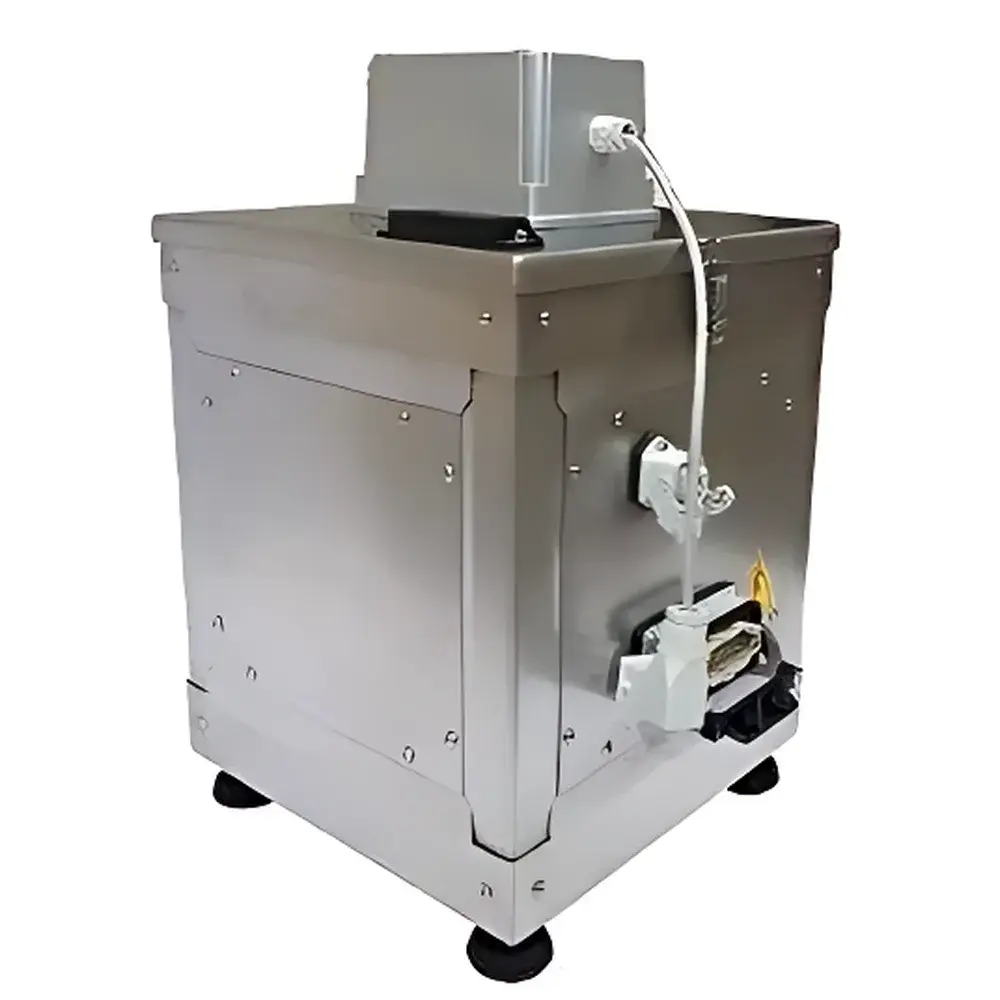
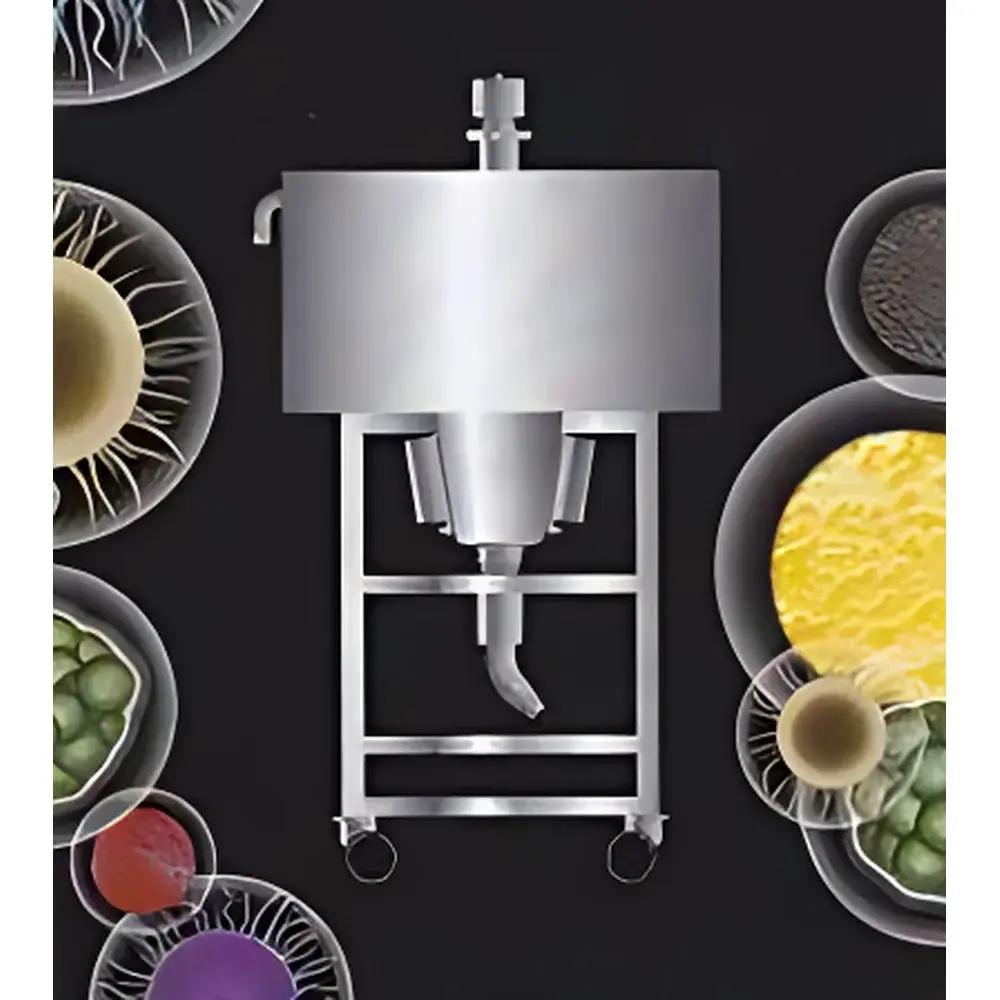
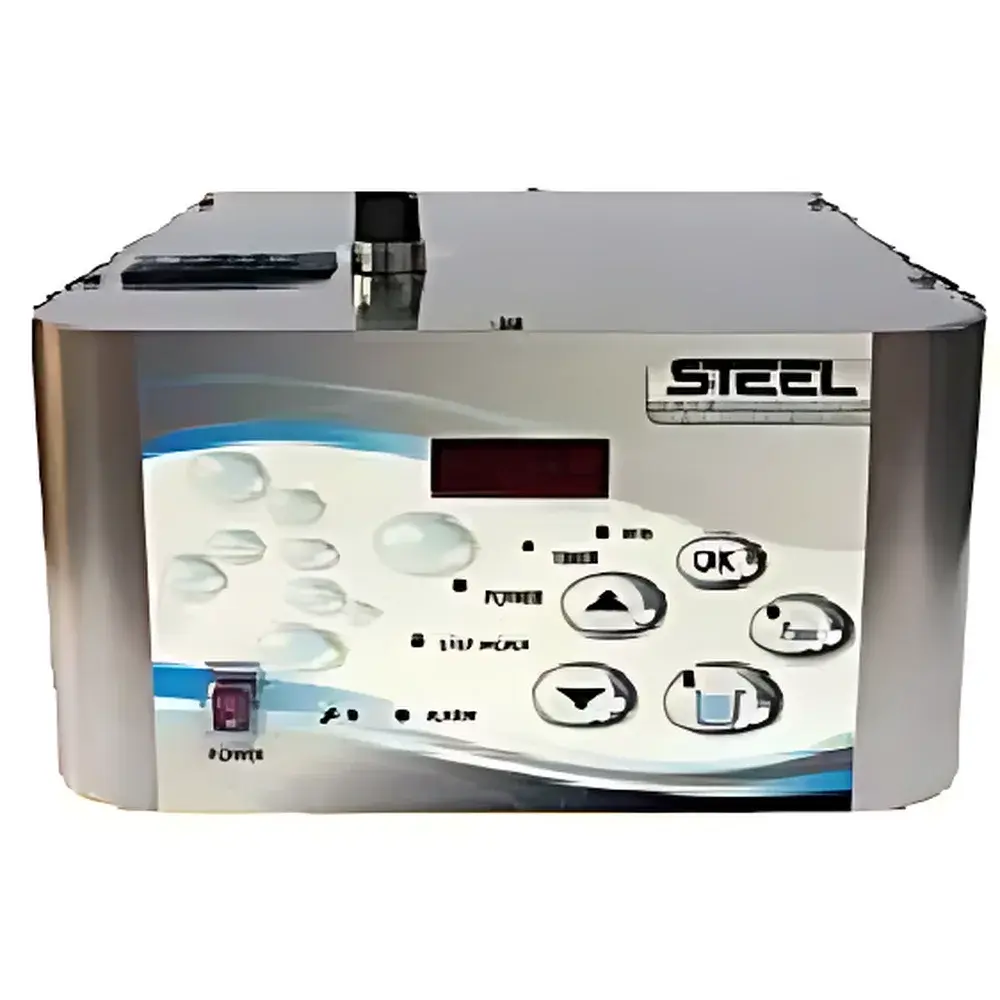
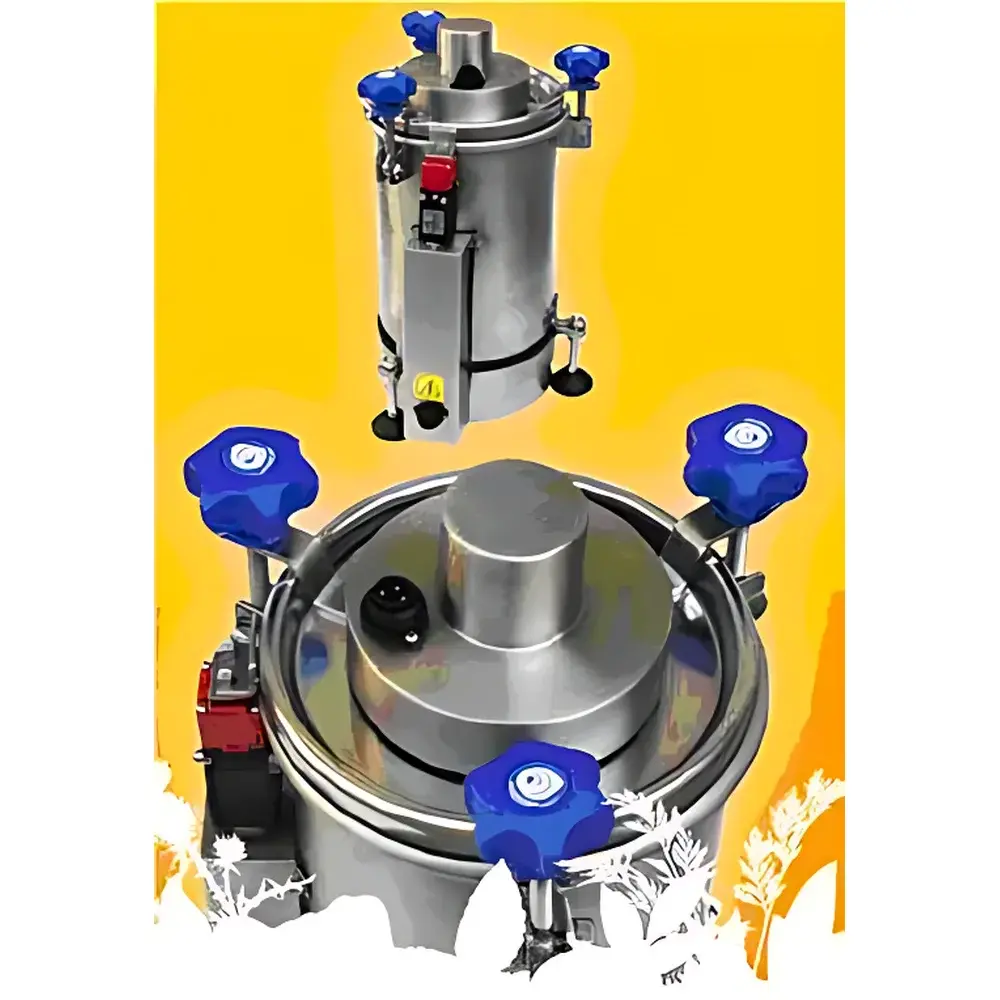
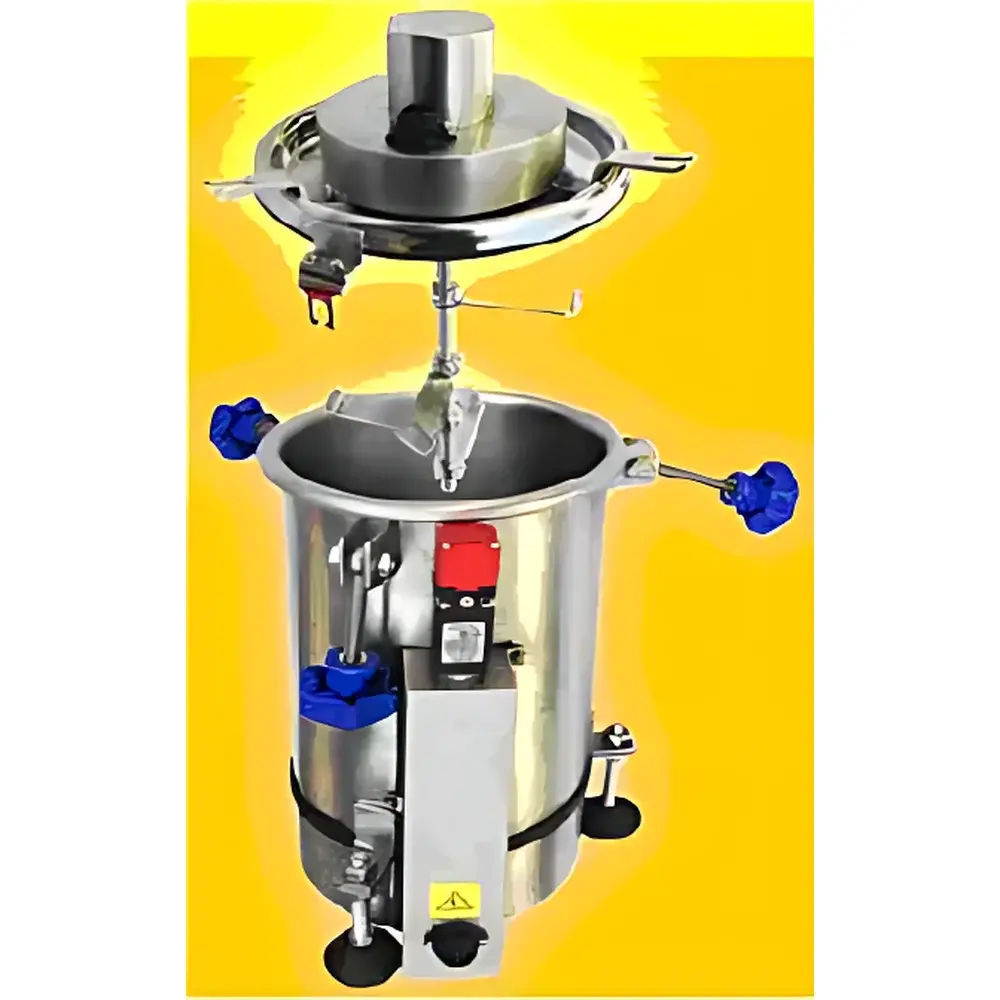
GLOBUS Ultrasonic-Gradient Pressure Extraction System
| Brand | GLOBUS |
|---|---|
| Origin | Italy |
| Manufacturer Type | Authorized Distributor |
| Origin Category | Imported |
| Model Range | Lab-Scale to Industrial-Scale |
| Ultrasonic Power | 3000 W |
| Ultrasonic Frequency | 24 / 38 kHz |
| Max Heating Power | 3000 W |
| Temperature Range | Ambient to 80 °C |
| Vessel Capacity | 2 – 250 L |
Overview
The GLOBUS Ultrasonic-Gradient Pressure Extraction System is an engineered platform for solvent-free or low-solvent, mechanically driven extraction of bioactive compounds from botanical and medicinal plant matrices. It integrates high-intensity ultrasonic cavitation with precisely controlled pressure gradients across the extraction chamber—enabling rapid mass transfer without thermal degradation or chemical alteration of thermolabile phytochemicals. Unlike conventional Soxhlet or maceration methods, this system operates on a purely physical principle: acoustic cavitation generates transient microjets and shockwaves that disrupt cell walls, while synchronized pressure modulation enhances solvent penetration and solute diffusion kinetics. Designed for compliance with Good Manufacturing Practice (GMP) and FDA 21 CFR Part 11–aligned workflows, the system supports reproducible, scalable, and auditable extraction processes—from analytical-scale R&D (2 L) to continuous industrial production (250 L). Its stainless-steel construction (AISI 316L), fully sealed vessel design, and validated thermal control architecture ensure suitability for pharmaceutical-grade botanical processing, nutraceutical development, and certified organic extract manufacturing.
Key Features
- Two-frequency ultrasonic generation (24 kHz and 38 kHz) optimized for differential tissue disruption—lower frequency for fibrous biomass, higher frequency for delicate glandular or epidermal structures
- Adjustable ultrasonic amplitude (0–100%) and programmable pulse sequences (on/off duty cycles) to preserve labile compounds such as polyphenols, terpenoids, and glycosides
- Integrated heating module with PID-controlled temperature regulation (ambient to 80 °C ±0.5 °C), independently synchronized with ultrasonic activation
- Gradient pressure control via vacuum-assisted depressurization and inert gas backfilling, enabling tunable cavitation intensity and solvent saturation dynamics
- Automated multi-cycle operation with user-defined parameters: cycle count, dwell time, ramp rate, and real-time power feedback logging
- Variable-speed magnetic or mechanical agitation calibrated to sample density—ensuring homogeneous suspension of heterogeneous plant particulates
- Full IP65-rated control panel with touch interface, onboard data storage, and Ethernet/RS485 connectivity for LIMS or SCADA integration
Sample Compatibility & Compliance
The system accommodates dried, frozen, or fresh plant materials—including leaves, roots, seeds, flowers, and algae—with particle size ranges from coarse powder (≤2 mm) to cryo-milled sub-100 µm suspensions. It is compatible with aqueous, hydroalcoholic (e.g., ethanol/water), glycerol-based, and food-grade solvent systems. All wetted parts conform to ASTM A276 and EN 10088-1 standards for corrosion-resistant austenitic stainless steel (AISI 316L). The vessel geometry, surface finish (Ra ≤ 0.8 µm), and weld certification comply with ASME BPVC Section VIII Div. 1 and EU Annex 11 requirements for extractive equipment used in regulated environments. Documentation packages include Factory Acceptance Test (FAT) reports, material traceability certificates, and IQ/OQ protocols supporting GLP and ISO/IEC 17025 validation pathways.
Software & Data Management
The embedded control software provides full audit trail functionality per FDA 21 CFR Part 11: electronic signatures, role-based access control, immutable parameter logs, and timestamped event records (start/stop, temperature deviation, power fluctuation, pressure excursion). Extraction protocols are saved as encrypted .xml files with version control and export capability to CSV or PDF. Optional cloud synchronization enables remote monitoring, predictive maintenance alerts, and batch-level traceability across multi-site operations. Data integrity safeguards include automatic backup to external USB drives and dual redundant internal memory modules.
Applications
- Production of certified organic botanical extracts compliant with COSMOS and NOP standards
- Isolation of antioxidant-rich polyphenol fractions from olive leaves, green tea, or grape pomace
- Extraction of volatile oils and monoterpenes from citrus rinds or conifer resins without steam distillation artifacts
- Recovery of heat-sensitive enzymes and peptides from algal biomass for functional food applications
- Development of standardized herbal reference materials under USP and EP 2.8.27 guidelines
- Upcycling of agro-industrial byproducts (e.g., spent coffee grounds, brewers’ spent grain) into value-added bioactives
FAQ
What regulatory standards does the GLOBUS system meet?
It complies with FDA 21 CFR Part 11 for electronic records, EU GMP Annex 15 for process validation, and ISO 22000 for food-grade processing environments.
Can the system operate with water-only extraction?
Yes—its dual-frequency ultrasonics and pressure-gradient design optimize aqueous cavitation efficiency, minimizing oxidation and maximizing yield of hydrophilic actives.
Is validation support available for pharmaceutical use?
Yes—GLOBUS provides IQ/OQ documentation templates, calibration certificates traceable to NIST standards, and on-site commissioning assistance.
How is scalability ensured between lab and industrial models?
All models share identical transducer geometry, frequency response profiles, and control logic—ensuring linear scale-up based on cavitation density (W/mL) and residence time equivalence.
What maintenance is required?
No routine consumables or fluid changes are needed; only periodic verification of transducer impedance, seal integrity, and temperature sensor calibration per SOP.



