
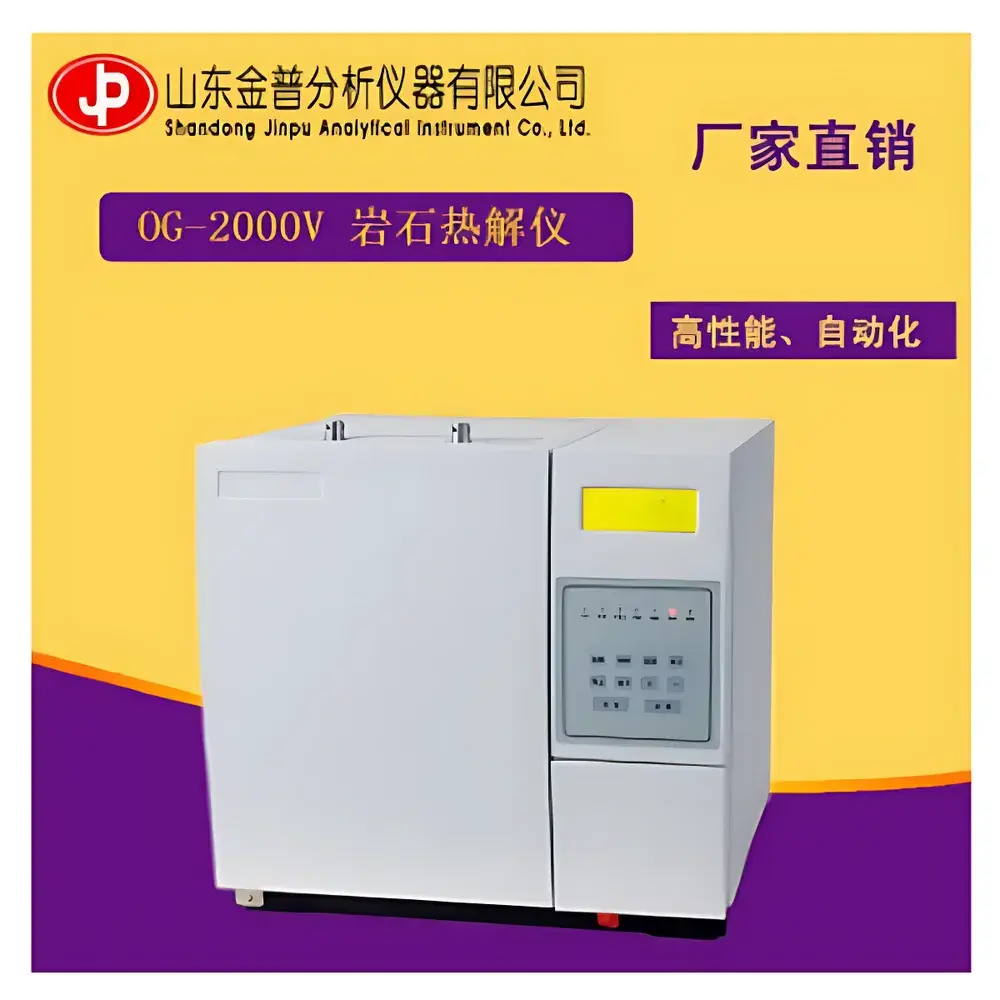
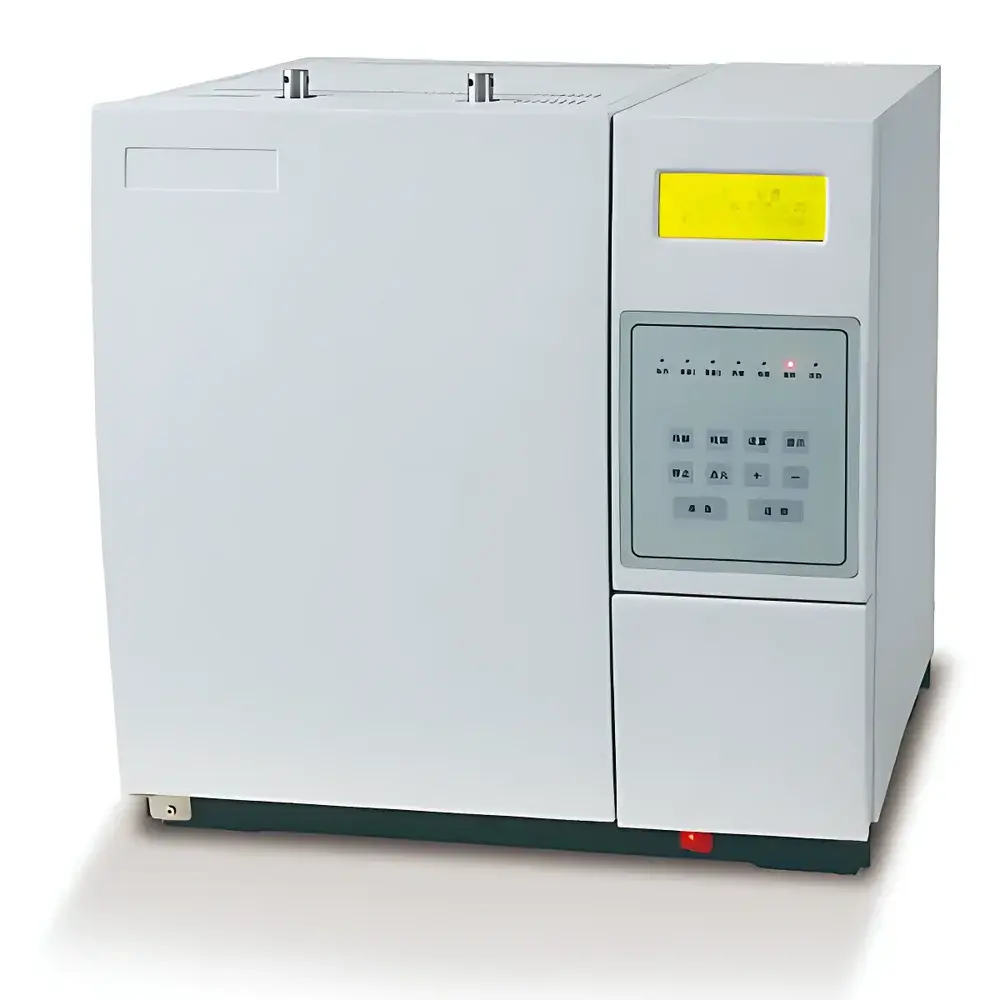
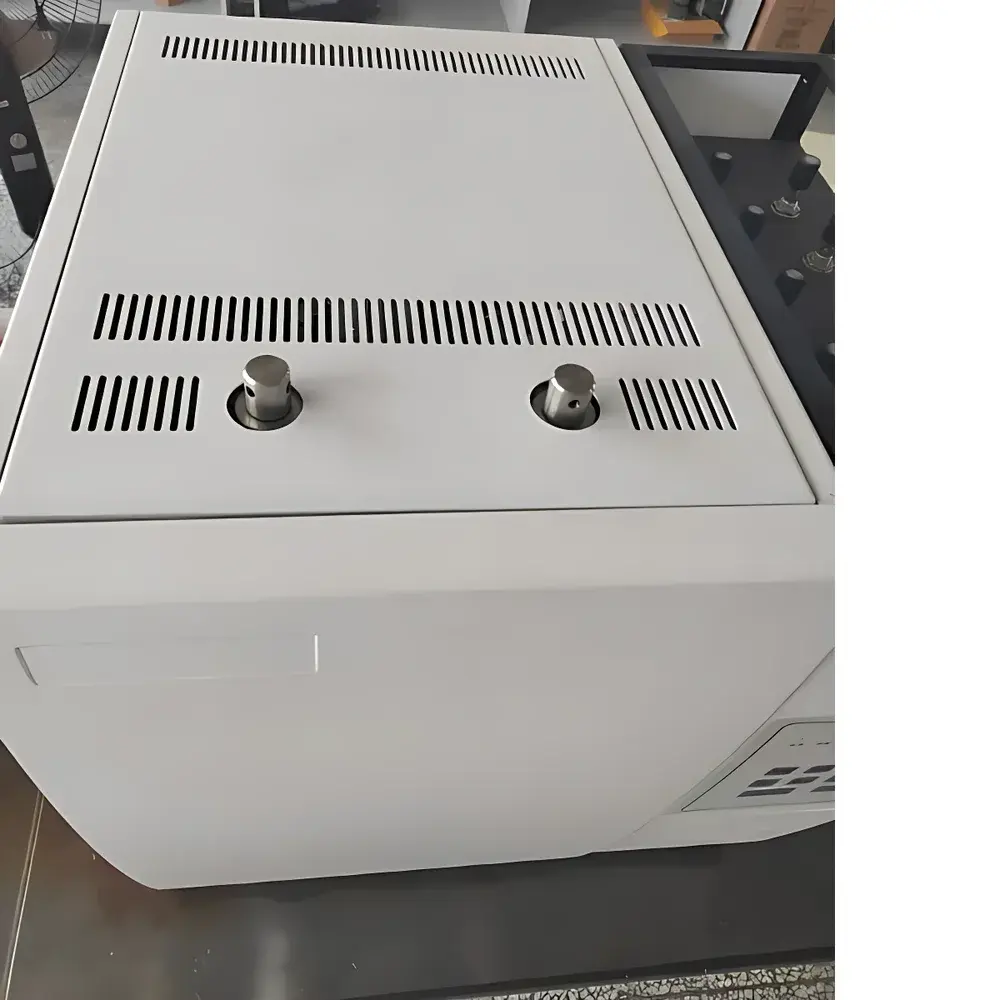
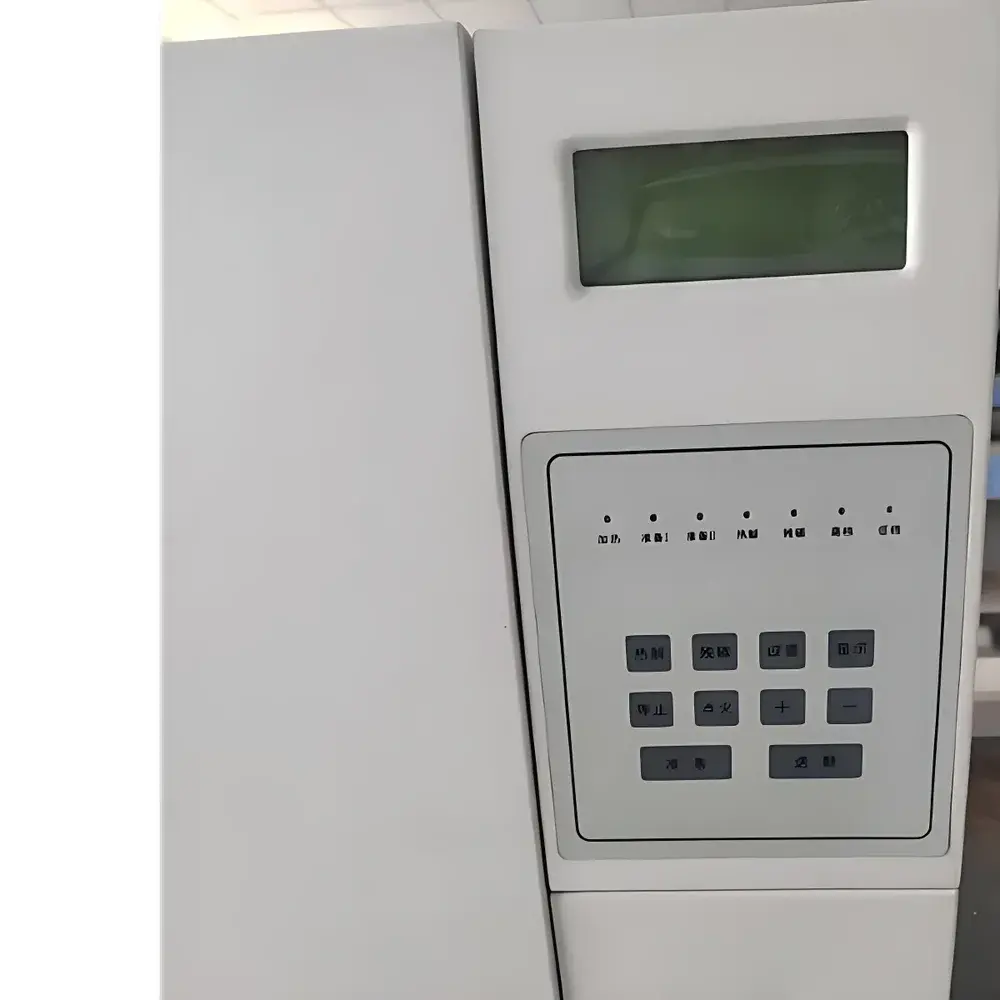
Golden Promise OG-2000V Rock Pyrolysis Analyzer
| Brand | Golden Promise |
|---|---|
| Model | OG-2000V |
| Origin | Shandong, China |
| Instrument Type | Rock Pyrolysis Analyzer for Geochemical Evaluation of Source Rocks |
| Compliance | Designed for ASTM D5307 / ISO 10374 / SY/T 5115-2014 |
| Detection Principle | Controlled-Temperature Pyrolysis coupled with Flame Ionization Detection (FID) and Thermal Conductivity Detection (TCD) |
| Sample Form | Crushed core or cuttings (dry, <1 mm particle size) |
| Temperature Range | Ambient to 650 °C (programmable ramp rates) |
| Data Interface | USB 2.0 (Windows-compatible, driver-free operation) |
| Measurement Output | S1 (free hydrocarbons), S2 (kerogen-derived hydrocarbons), S3 (CO₂ from organic carbon), Tmax (peak pyrolysis temperature), HI/OI (Hydrogen Index / Oxygen Index) |
| Accuracy | ±2% FS for S1/S2 |
| Power Supply | 220 VAC, 50 Hz, 1.5 kW |
Overview
The Golden Promise OG-2000V Rock Pyrolysis Analyzer is a dedicated geochemical instrumentation system engineered for rapid, quantitative evaluation of petroleum source rock potential in exploration and development laboratories. It implements standardized controlled-temperature pyrolysis (CTP) — a thermal decomposition technique wherein crushed rock samples are heated under inert atmosphere (N₂ carrier gas) through precisely defined temperature ramps (e.g., 300 °C at 25 °C/min for S1/S2, then 600 °C at 25 °C/min for S3). Volatile hydrocarbons released during pyrolysis are quantified in real time using dual-detector configuration: a flame ionization detector (FID) for hydrocarbon-rich fractions (S1, S2) and a thermal conductivity detector (TCD) for CO₂ (S3). The resulting pyrograms yield critical kerogen typing and maturity parameters — including S1 (mg HC/g rock), S2 (mg HC/g rock), S3 (mg CO₂/g rock), Tmax (°C), Hydrogen Index (HI = S2 × 100 / TOC), and Oxygen Index (OI = S3 × 100 / TOC) — all traceable to ASTM D5307 and Chinese petroleum industry standard SY/T 5115-2014.
Key Features
- Integrated dual-detection architecture: FID for high-sensitivity hydrocarbon quantification (detection limit ≤0.01 mg HC/g) and TCD for non-hydrocarbon gas (CO₂, H₂S) measurement.
- Programmable pyrolysis furnace with ±0.5 °C temperature stability across 30–650 °C range and ramp rate control from 10 to 50 °C/min.
- USB-native data acquisition interface compatible with Windows 10/11; no external DAQ cards or proprietary hardware required.
- Modular sensor suite supporting concurrent real-time acquisition of auxiliary drilling parameters: hook load (0–4000 kN, ±2% FS), rotary table speed (0–300 rpm, ±1 rpm), standpipe pressure (0–40 MPa, ±2% FS), pump strokes (0–400 spm, ±1 spm), and depth tracking (0–9999.99 m, ±1% per joint).
- Robust mechanical design optimized for field-deployable lab environments: compact footprint (<600 × 450 × 400 mm), sealed electronics compartment, and vibration-damped sample chamber.
Sample Compatibility & Compliance
The OG-2000V accepts dry, powdered rock samples (≤1 mm particle size) prepared per ASTM D5307 guidelines. It supports standard 60–100 mg aliquots in platinum or quartz crucibles. All pyrolysis protocols align with ISO 10374:2022 (Petroleum and related products — Determination of hydrocarbon generation potential of source rocks by pyrolysis) and meet analytical requirements for GLP-compliant reporting in exploration geochemistry labs. Instrument firmware includes audit-trail logging for method parameters, calibration events, and operator entries — supporting FDA 21 CFR Part 11 readiness when deployed within validated workflows.
Software & Data Management
The bundled PyroLab v3.2 software provides full instrument control, real-time pyrogram visualization, automated peak integration (S1/S2/S3), and PetroPI™ calculation engine for HI, OI, Tmax, and transformation ratio (TR). Data export is native to CSV, Excel (.xlsx), and LIS-compatible ASCII formats. Calibration curves are stored with NIST-traceable reference standards (e.g., n-C₁₀ to n-C₃₀ hydrocarbon mixtures, certified CaCO₃ for CO₂ response). Software supports multi-user role-based access and encrypted project archiving compliant with internal QA/QC documentation policies.
Applications
- Source rock evaluation: Kerogen typing (I, II, III, IV), thermal maturity assessment (Tmax vs. vitrinite reflectance correlation), and generative potential ranking (S1+S2 > 6 mg HC/g indicates good prospectivity).
- Basin modeling input: Quantitative constraints on hydrocarbon generation windows and expulsion timing.
- Drilling fluid contamination monitoring: Differentiation of formation-derived hydrocarbons (low-Tmax, high-S1) versus mud additives (high-Tmax, anomalous S3).
- Core-log integration: Depth-matched pyrolysis profiles aligned with gamma-ray, resistivity, and TOC logs for reservoir quality prediction.
- Development well screening: Rapid turnaround (<15 min/sample) for horizontal well landing zone optimization in shale plays.
FAQ
What standards does the OG-2000V comply with for source rock analysis?
It conforms to ASTM D5307-22, ISO 10374:2022, and SY/T 5115-2014 for pyrolytic hydrocarbon quantification and kerogen characterization.
Can the instrument operate without connection to a drilling rig’s engineering sensors?
Yes — standalone rock pyrolysis mode is fully functional; auxiliary sensor inputs are optional and configurable via software.
Is the FID detector certified for hazardous area use?
No — the analyzer is rated for laboratory use only (IEC 61010-1 Class II); external gas cabinets and ventilation are required per local safety codes.
How is calibration verified between sample runs?
Daily verification uses certified hydrocarbon reference standards; drift correction is applied automatically using internal baseline normalization algorithms.
Does the system support remote diagnostics or firmware updates?
Yes — PyroLab v3.2 includes secure HTTPS-based remote support tunneling and over-the-air firmware update capability via authenticated portal access.
Related Products





