
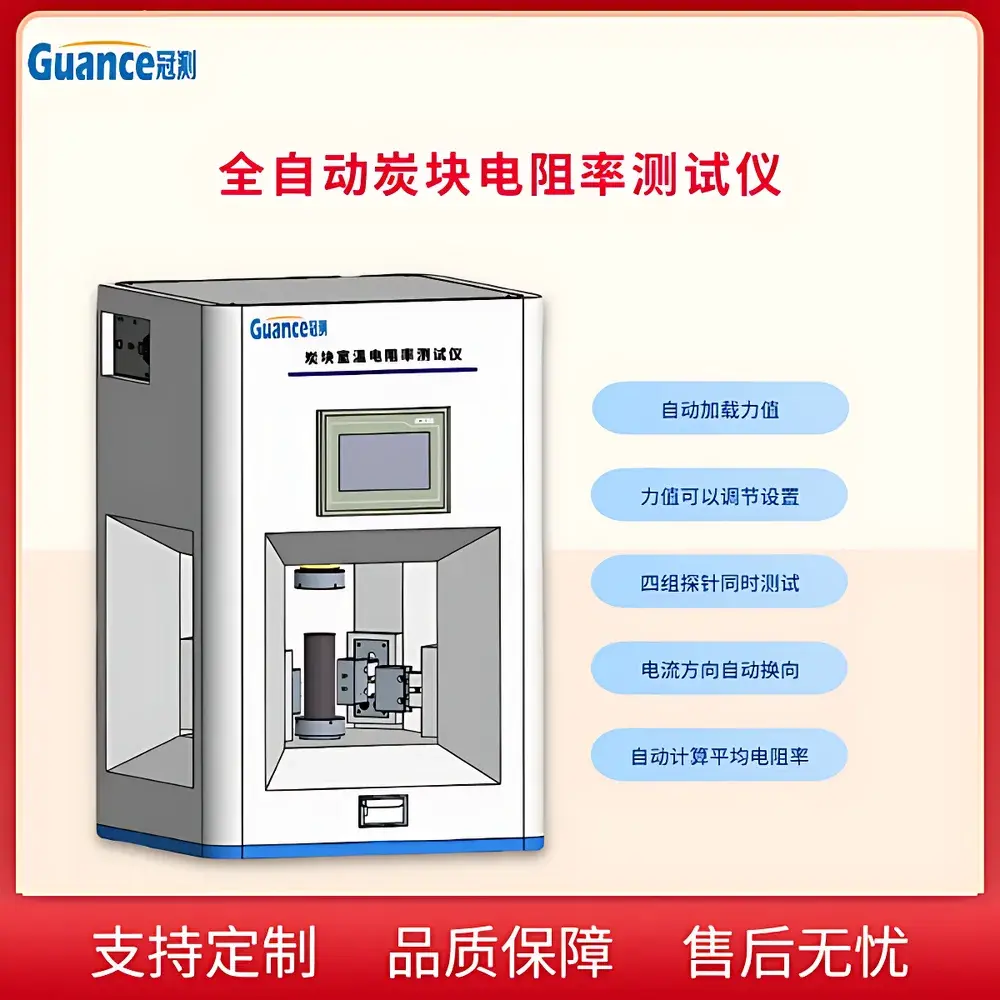
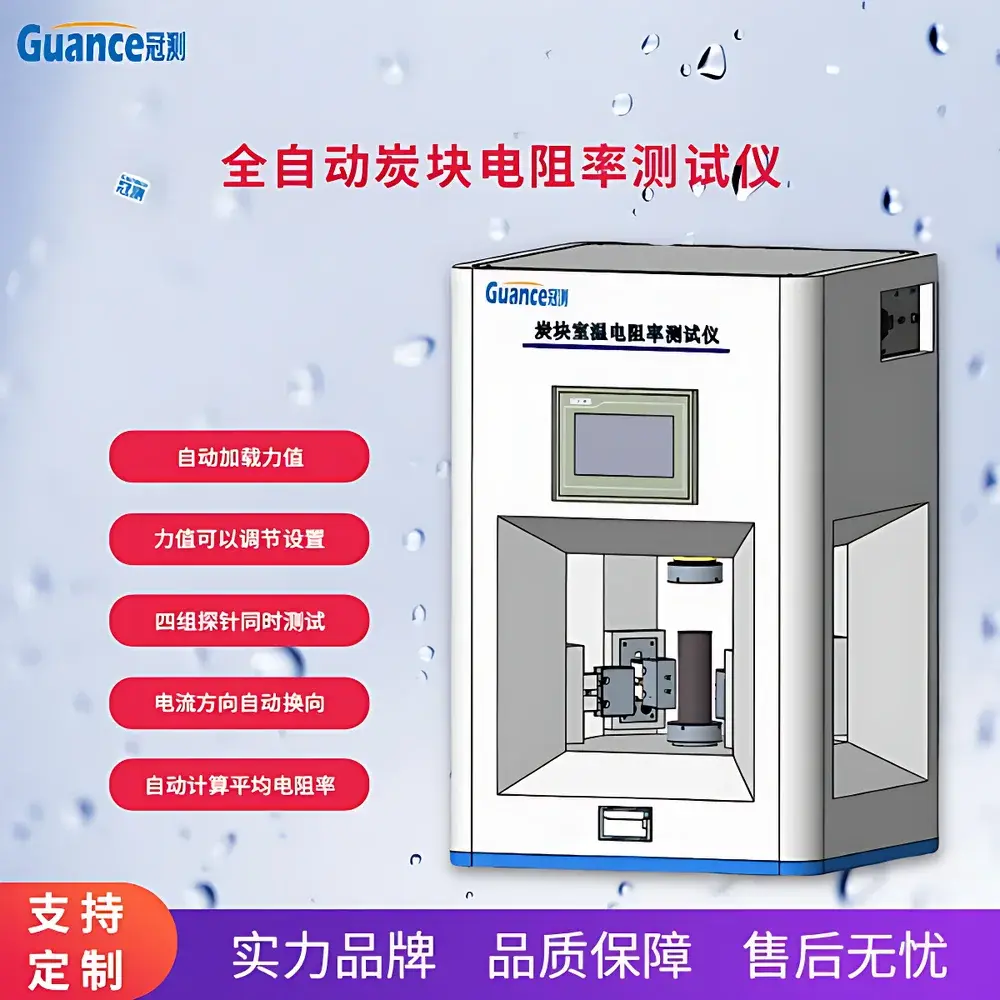
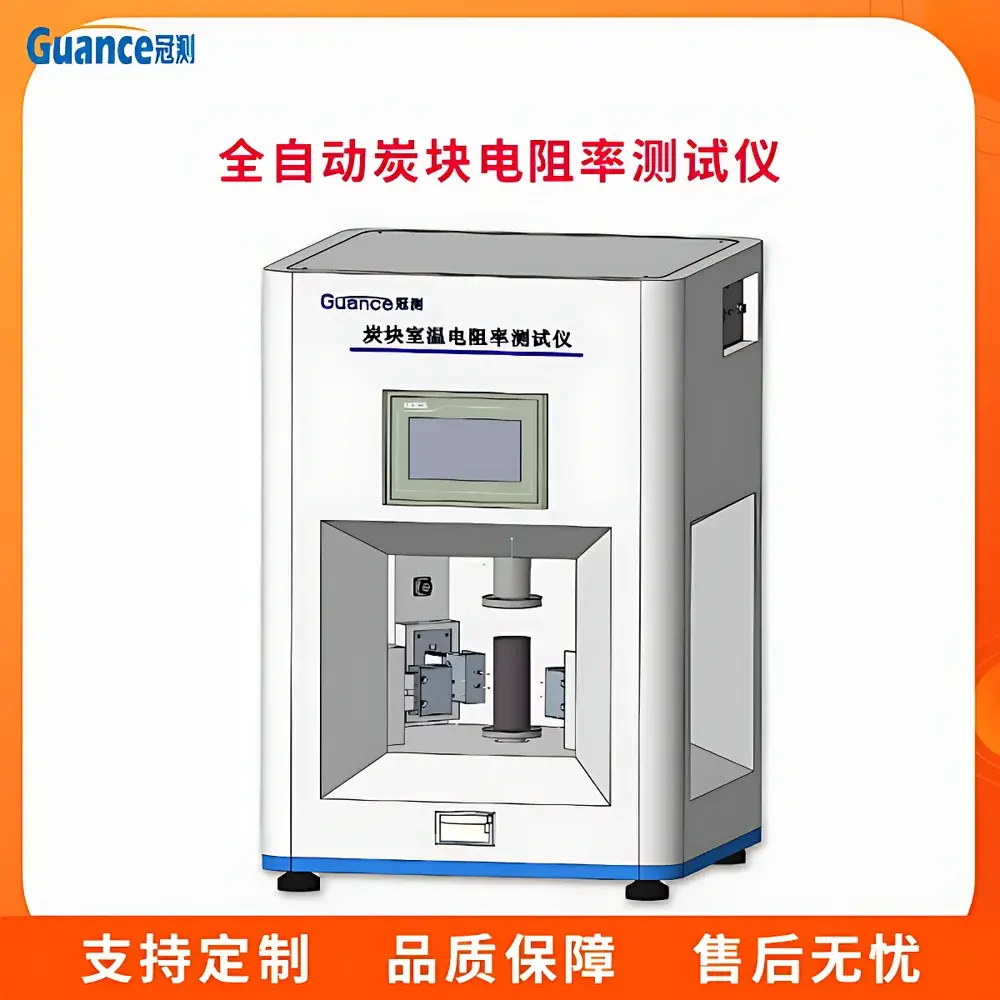
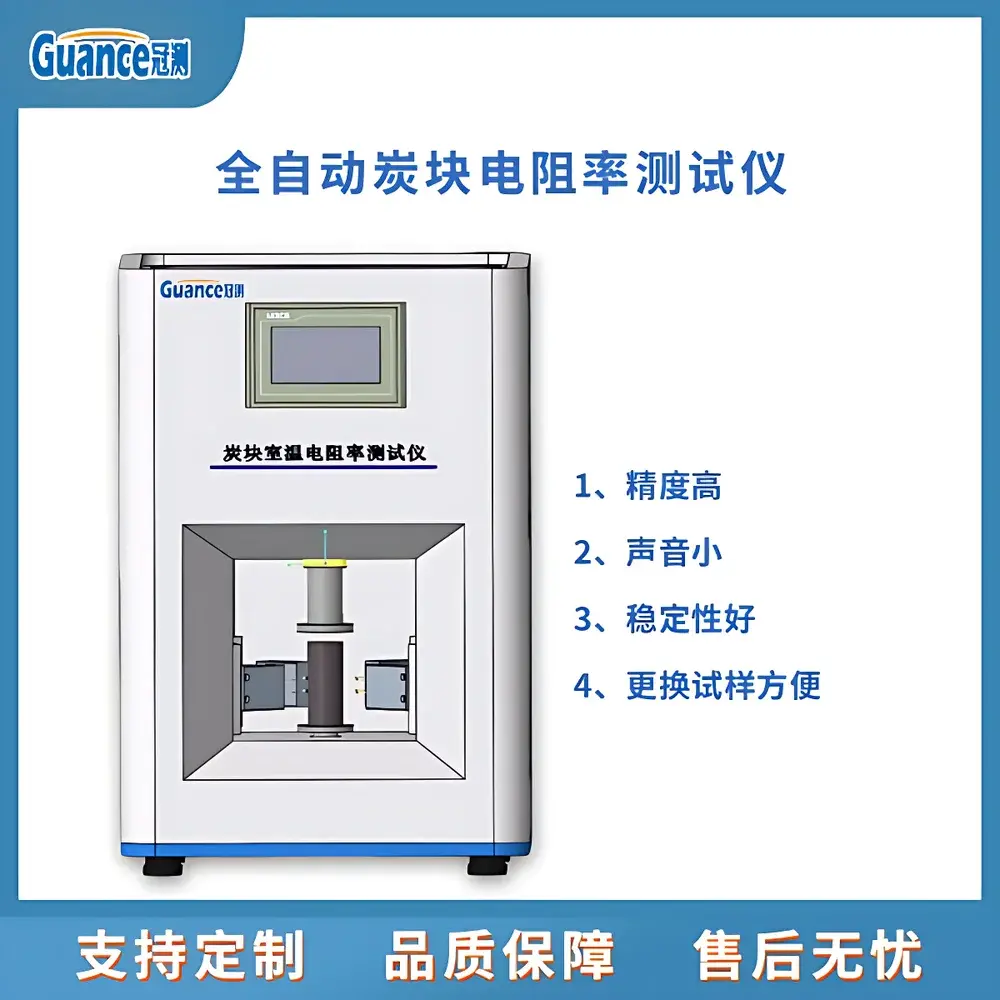
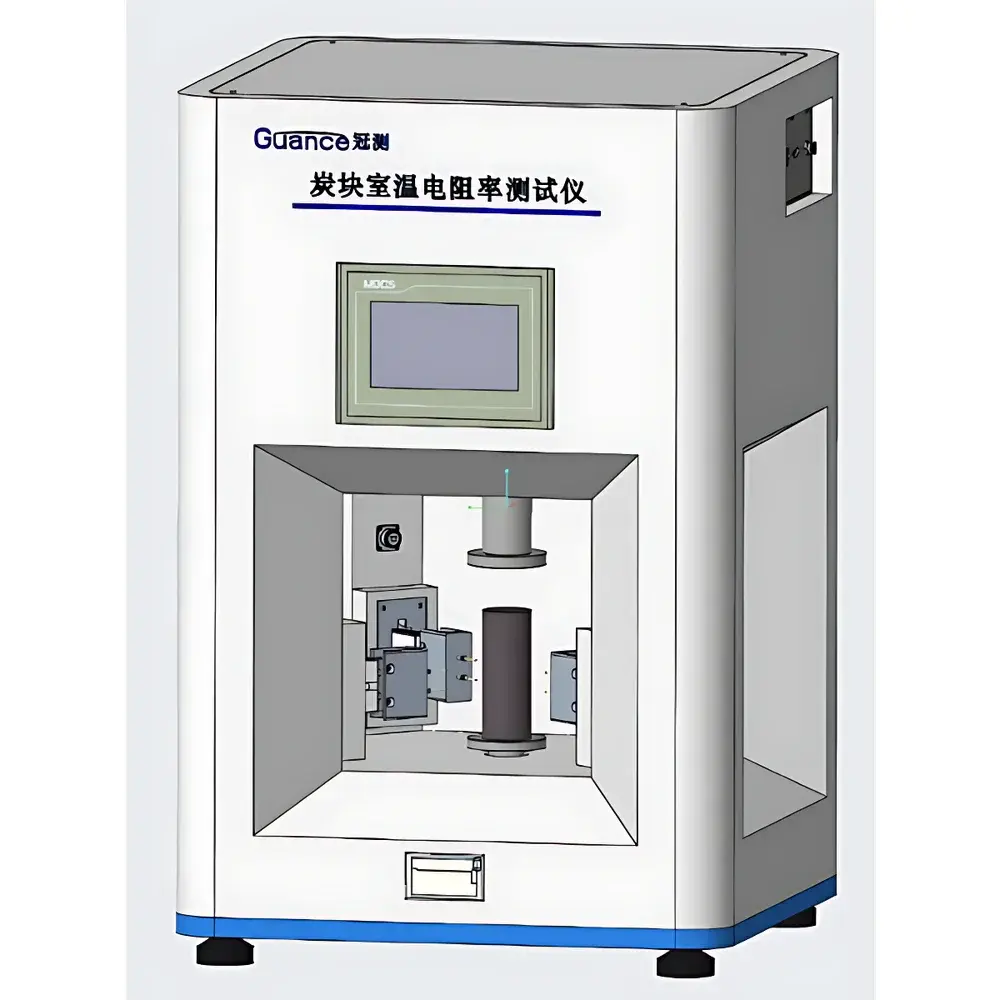
Guance Instrument GEST-210+ Portable Capacitive Carbon Block Moisture Analyzer
| Brand | Guance Instrument |
|---|---|
| Origin | Beijing, China |
| Manufacturer Type | Authorized Distributor |
| Product Origin | Domestic (China) |
| Model | GEST-210+ |
| Price | USD 1,420 (FOB Beijing) |
Overview
The Guance Instrument GEST-210+ Portable Capacitive Carbon Block Moisture Analyzer is a purpose-built, field-deployable instrument engineered for rapid, non-destructive moisture content assessment in carbonaceous materials—specifically baked anodes, cathode blocks, and prebaked carbon products used in aluminum electrolysis cells. While the device leverages high-frequency capacitive sensing principles (typically operating at 1–10 MHz), its design integrates empirical calibration protocols aligned with industry-standard resistivity-based quality control frameworks. It is not a direct replacement for ASTM D4442 or ISO 4427 moisture gravimetry methods but serves as a validated correlative tool where real-time, on-site screening of bulk moisture levels is operationally critical. The analyzer’s portability, battery-backed operation (up to 8 hours), and ruggedized IP54 enclosure enable deployment directly on furnace trolleys, warehouse pallets, or production line inspection stations—eliminating delays associated with lab-based oven-dry testing.
Key Features
- Capacitive dielectric sensing architecture optimized for carbon block density-moisture interdependence, with factory calibration traceable to NIM (National Institute of Metrology, China) reference standards
- Integrated 10-inch industrial-grade capacitive touchscreen HMI, powered by Siemens S7-1200 PLC core logic for deterministic I/O response and deterministic sequence execution
- Four independently actuated spring-loaded probe assemblies (contact force ≥ 0.5 N per probe), configurable spacing from 20 mm to 40 mm to accommodate standard anode dimensions (e.g., 450 × 450 × 1200 mm)
- Automated pressure application via precision servo-driven loading system (0–10 kN range, programmable in 0.1 kN increments), supporting both pressure (kN) and pressure intensity (MPa) input modes
- Dual-mode current sourcing (5 A / 10 A) with ±0.1% output stability; automatic current polarity reversal eliminates thermoelectric offset errors during resistivity-derived moisture correlation
- Onboard microthermal printer for immediate hardcopy reporting; data storage on internal 16 GB industrial-grade eMMC with timestamped CSV export capability
- Firmware upgradability via secure HTTPS OTA protocol—no physical access or local PC required
- Full test cycle automation: auto-pressure ramp → contact verification → dual-polarity measurement across all four probe sets → arithmetic mean calculation → result logging → pressure release → probe retraction
Sample Compatibility & Compliance
The GEST-210+ is validated for use with sintered carbon and graphitized electrode materials conforming to YS/T 63.2–2006 (Methods for Testing Carbonaceous Materials for Aluminum Production), GB/T 24525–2009 (Determination of Electrical Resistivity of Carbon Materials), and GB/T 24521–2018 (Determination of Electrical Resistivity of Carbon Raw Materials and Coke). Its probe geometry and pressure profile meet the mechanical interface requirements specified in Annex B of IEC 60252-1:2022 for contact resistance metrology in conductive industrial solids. While not certified to UL/CE for intrinsic safety in Zone 1 hazardous areas, the unit complies with GB 4793.1–2019 (Safety Requirements for Electrical Equipment for Measurement, Control, and Laboratory Use – Part 1: General Requirements), including dielectric strength testing at 1.5 kV AC for 60 seconds.
Software & Data Management
Firmware v3.2.x implements audit-trail functionality compliant with GLP principles: every test record includes operator ID (PIN-authenticated), environmental temperature/humidity metadata (via onboard sensors), probe contact resistance logs, raw capacitance/phase-angle readings, and calculated moisture-equivalent values. Data export supports USB mass-storage mode and Ethernet TCP/IP socket streaming (Modbus TCP register map available upon request). All stored records are digitally signed using SHA-256 hash; modification detection is enforced at read time. Remote diagnostics and configuration backup/restore are accessible via authenticated web interface (HTTPS/TLS 1.2), supporting integration into enterprise LIMS platforms through RESTful API endpoints.
Applications
- In-process verification of carbon block drying efficacy prior to preheating in anode baking furnaces
- Receiving inspection of cathode paste or ramming paste batches to flag excessive moisture-induced binder migration risk
- Root-cause analysis of blistering or cracking defects in baked anodes correlated with localized moisture gradients
- Statistical process control (SPC) charting of moisture variability across production lots using X̄-R control charts
- Field validation of moisture removal efficiency in mobile vacuum-drying units deployed at smelter sites
- Supporting ISO 9001:2015 clause 8.5.1 (Control of Production and Service Provision) through documented, repeatable measurement procedures
FAQ
Does the GEST-210+ measure absolute moisture content by weight percent (wt%)?
No—it provides a calibrated relative index correlated to gravimetric moisture content under controlled laboratory conditions. Final wt% assignment requires periodic cross-validation against ASTM D4442 oven-dry reference measurements.
Can the probe spacing be adjusted manually during operation?
Probe spacing is fixed per configuration; however, four interchangeable probe modules (20 mm, 25 mm, 30 mm, and 40 mm center-to-center) are available as optional accessories.
Is the device compatible with third-party SCADA systems?
Yes—Modbus TCP support enables seamless integration with Siemens WinCC, Rockwell FactoryTalk, or Ignition SCADA platforms using standard register mapping documentation.
What is the recommended recalibration interval?
Annual recalibration against NIM-traceable carbon reference standards is advised; interim verification using certified dry/wet carbon check standards is recommended before each shift.
Does the instrument require compressed air or external power?
No—fully self-contained operation via internal LiFePO₄ battery pack (AC adapter included); no pneumatic or external DC supply needed.



