Hanbon Bio-Pro 60 Automated Pilot-Scale Chromatography System
| Brand | Hanbon |
|---|---|
| Origin | Jiangsu, China |
| Manufacturer Type | OEM Manufacturer |
| Product Origin | Domestic (China) |
| Model | Bio-Pro 60 |
| Price Range | USD $135,000 – $205,000 (FOB China) |
| Purification Principle | Liquid Chromatography (LC) with Multi-Parameter Process Monitoring |
| Detector Types | UV-Vis, pH, Conductivity |
| UV Detection Range | 200–400 nm |
| Surface Finish | Electropolished Tubing (Ra ≤ 0.4 µm) |
| Compliance | ASME BPE-2023, USP Class VI, FDA 21 CFR Part 11, GMP Annex 15 |
Overview
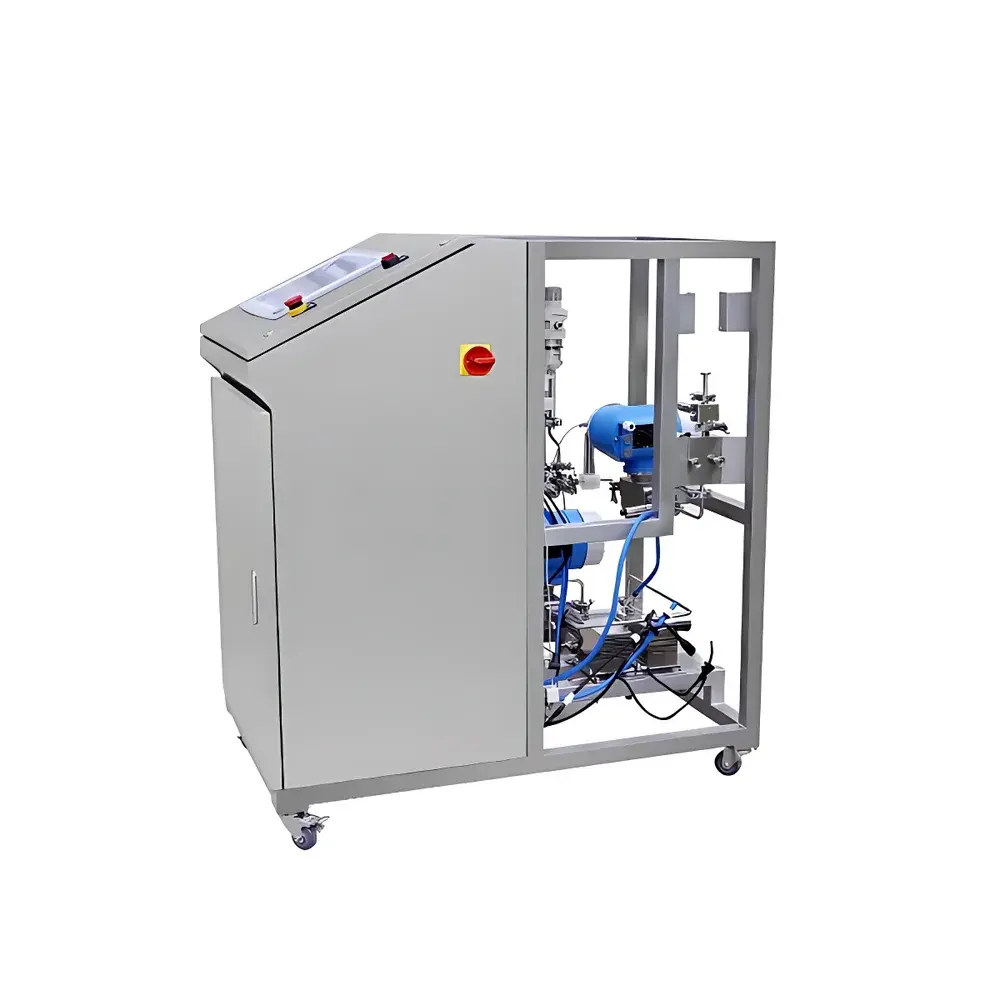
The Hanbon Bio-Pro 60 Automated Pilot-Scale Chromatography System is an integrated, GMP-compliant liquid chromatography platform engineered for scalable downstream processing of therapeutic proteins, monoclonal antibodies (mAbs), viral vectors, and other biologics. Designed to bridge the gap between laboratory-scale purification and commercial manufacturing, the Bio-Pro 60 implements classical chromatographic separation principles—including ion exchange (IEX), size exclusion (SEC), hydrophobic interaction (HIC), and affinity chromatography—under fully automated, process-controlled conditions. Its architecture adheres to ASME BPE-2023 specifications for biopharmaceutical fluid systems, ensuring compatibility with sterile, single-use, or reusable process trains. The system supports both linear and step-gradient elution, real-time parameter feedback control, and closed-system operation to minimize contamination risk—critical for clinical-stage material production and process validation.
Key Features
- Modular, skid-mounted design compliant with ASME BPE-2023: all wetted surfaces electropolished to Ra ≤ 0.4 µm; orbital TIG-welded stainless-steel piping with traceable weld logs.
- Triple-sensor inline detection: high-stability UV-Vis photometer (200–400 nm, ±0.5 nm wavelength accuracy), calibrated pH probe (±0.02 pH units), and conductivity cell (0.01–500 mS/cm, temperature-compensated).
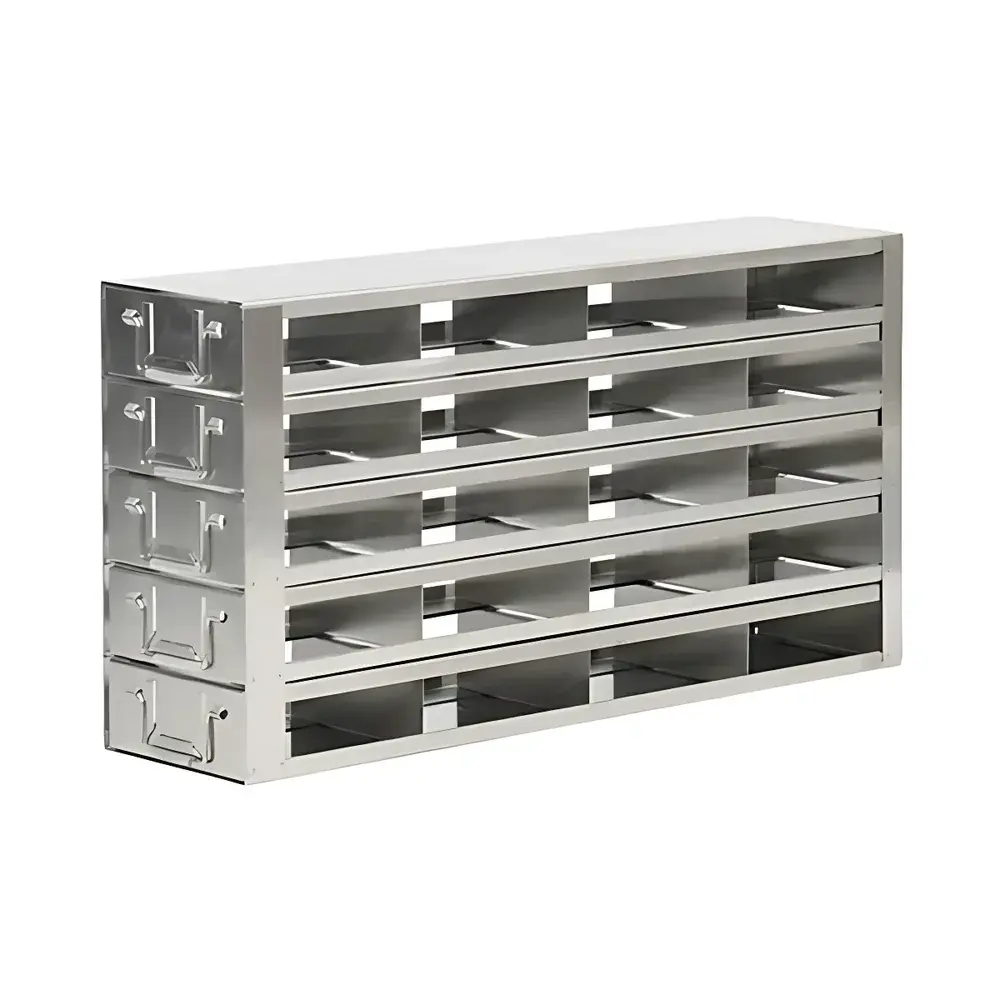
- Robust fluid handling: dual high-pressure piston pumps (0–10 MPa, flow range 0.1–60 mL/min, pulse dampening < 1.5%), integrated buffer selection valve (up to 8 inlets), and fraction collector with position-locked, refrigerated (4 °C) racks.
- GMP-grade control software built on Microsoft C#/.NET framework, validated per IQ/OQ/PQ protocols and compliant with FDA 21 CFR Part 11 requirements—including electronic signatures, audit trails, role-based access control (RBAC), and immutable data logging.
- Full-cycle automation: programmable sequences for column equilibration, sample loading, wash steps, gradient elution, fraction triggering (by UV peak threshold, volume, or time), CIP/SIP execution, and post-run system flush.
Sample Compatibility & Compliance
The Bio-Pro 60 accommodates a wide range of biomolecular samples—from clarified harvests and cell lysates to partially purified intermediates—across column inner diameters from 25 mm to 100 mm (typical bed volumes: 50–500 mL). It supports standard resin chemistries (e.g., Capto™, MabSelect™, Toyopearl®, SOURCE™) and is compatible with pre-packed, custom-packed, or in-house packed columns. All wetted materials meet USP Class VI biological reactivity standards and FDA-approved extractables/leachables profiles. System documentation includes full GMP validation packages (URS, FRS, DQ/IQ/OQ/PQ reports), ASME BPE material certifications, and traceable component documentation—enabling seamless integration into regulatory submissions (IND, BLA, MAA) and facility qualification under EU GMP Annex 15 and ICH Q5D/Q5E.
Software & Data Management
The proprietary BioControl™ software provides centralized supervision of all hardware modules via deterministic real-time communication (EtherCAT-based). Data acquisition occurs at ≥10 Hz sampling frequency for pressure, flow, UV absorbance, pH, and conductivity—stored in a relational SQL Server database with automatic daily backup to network-attached storage (NAS) and optional cloud redundancy (AWS S3 or Azure Blob). Audit trails record every user action—including method edits, parameter changes, alarm acknowledgments, and electronic signature events—with timestamps, operator IDs, and IP addresses. Software supports multi-language UI (English, Chinese, Japanese), configurable report templates (PDF/CSV/XLSX), and direct export to LIMS or MES platforms via OPC UA or RESTful API. All electronic records satisfy ALCOA+ principles (Attributable, Legible, Contemporaneous, Original, Accurate, Complete, Consistent, Enduring, Available).
Applications
- Process development and scale-up studies for mAb, Fc-fusion protein, and bispecific antibody purification workflows.
- Manufacturing of Phase I–III clinical trial materials under cGMP conditions.
- Stability-indicating purification of viral vectors (AAV, lentivirus) with integrated hold-step monitoring.
- Comparability studies following resin or column change, buffer formulation update, or equipment relocation.
- Training and technology transfer support for contract development and manufacturing organizations (CDMOs).
FAQ
Does the Bio-Pro 60 support remote monitoring and troubleshooting?
Yes—via secure TLS-encrypted web interface (HTTPS) and optional VPN tunneling; engineers can remotely view live trends, download raw data, and execute diagnostic routines without compromising data integrity or audit trail compliance.
Can the system be qualified for use in a regulated GMP facility?
Yes—the Bio-Pro 60 ships with complete URS, FRS, and validated IQ/OQ/PQ protocols aligned with ASTM E2500-13 and EU Annex 15; Hanbon provides on-site commissioning and qualification support.
Is the software validated for 21 CFR Part 11 compliance?
Yes—BioControl™ v3.2+ includes full electronic signature implementation, audit trail retention for ≥30 years, and password complexity enforcement per NIST SP 800-63B; validation documentation is included in the GMP package.
What column formats and sizes are supported?
Standard vertical columns (25–100 mm ID) with flanged or tri-clamp connections; compatible with pre-packed cartridges (e.g., ÄKTA-ready), custom stainless-steel columns, and disposable flow-through housings.
How is data integrity ensured during power failure or unexpected shutdown?
The system employs non-volatile memory buffers and automatic journaling—ensuring zero data loss during transient outages; all active method states and sensor readings are checkpointed every 5 seconds to persistent storage.