
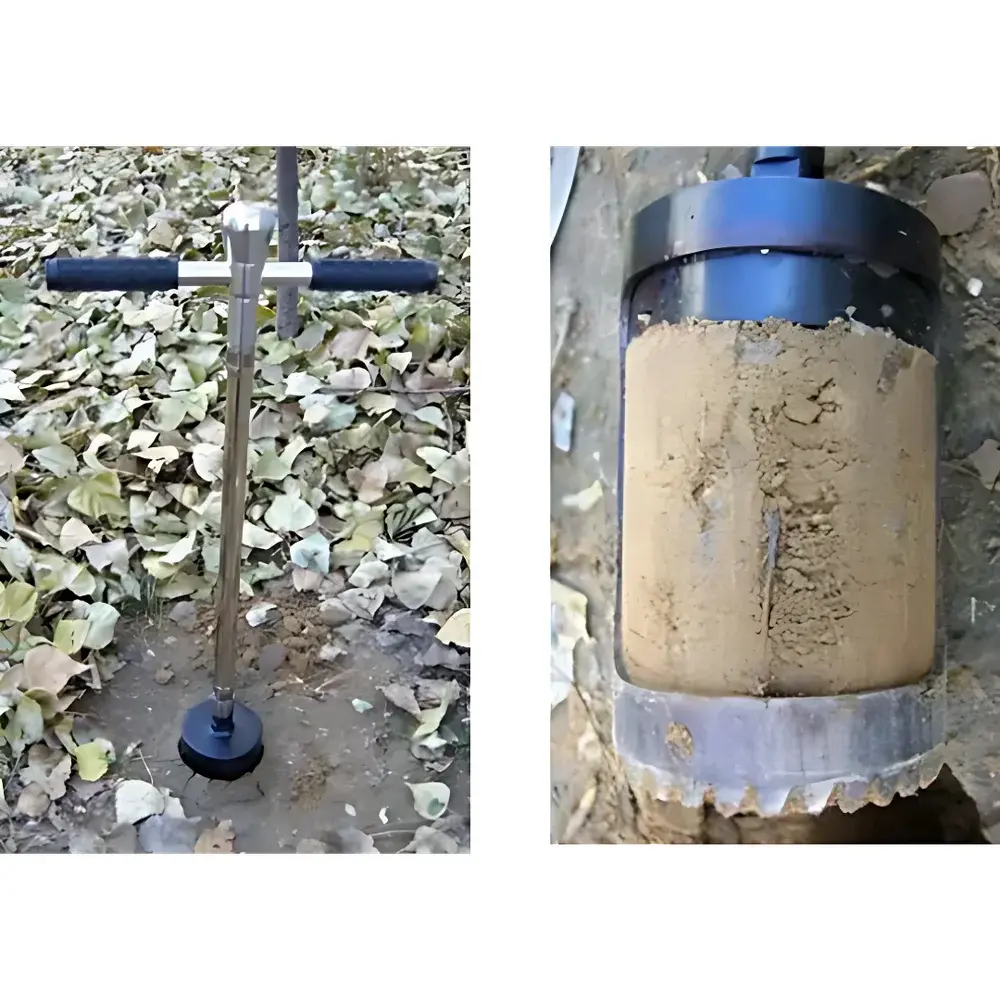
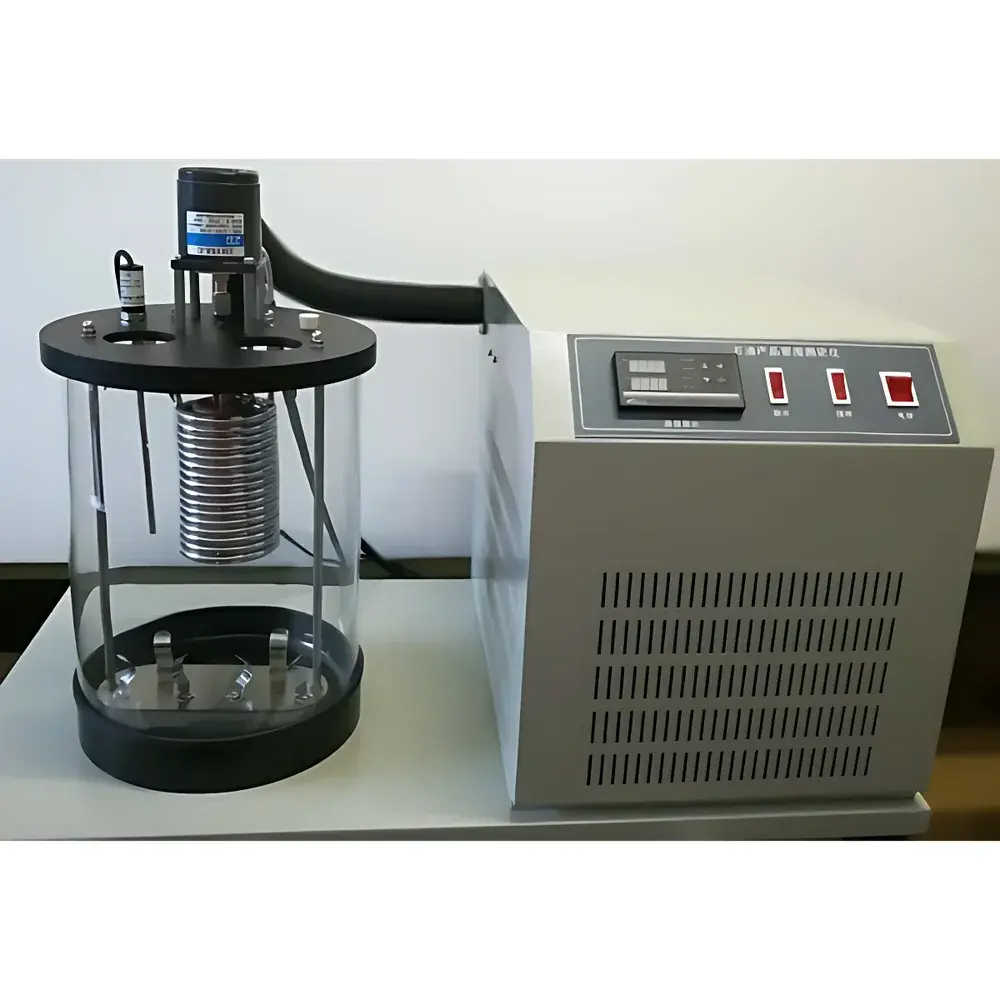
Hengao De HAD-ZY30A Handheld Electrostatic Debris Remover for Soil Sample Preparation
| Brand | Hengao De |
|---|---|
| Origin | Beijing, China |
| Manufacturer Type | Authorized Distributor |
| Country of Origin | China |
| Model | HAD-ZY30A |
| Output Voltage Range | 0 to −30 kV DC |
| Input Voltage | 220 V AC, 50–60 Hz |
| Power Consumption | 30 VA |
| Output Current | 0.7 mA |
| Dimensions (L×W×H) | 280 × 210 × 140 mm |
| Standard Electrostatic Pad Size | 300 × 150 mm |
Overview
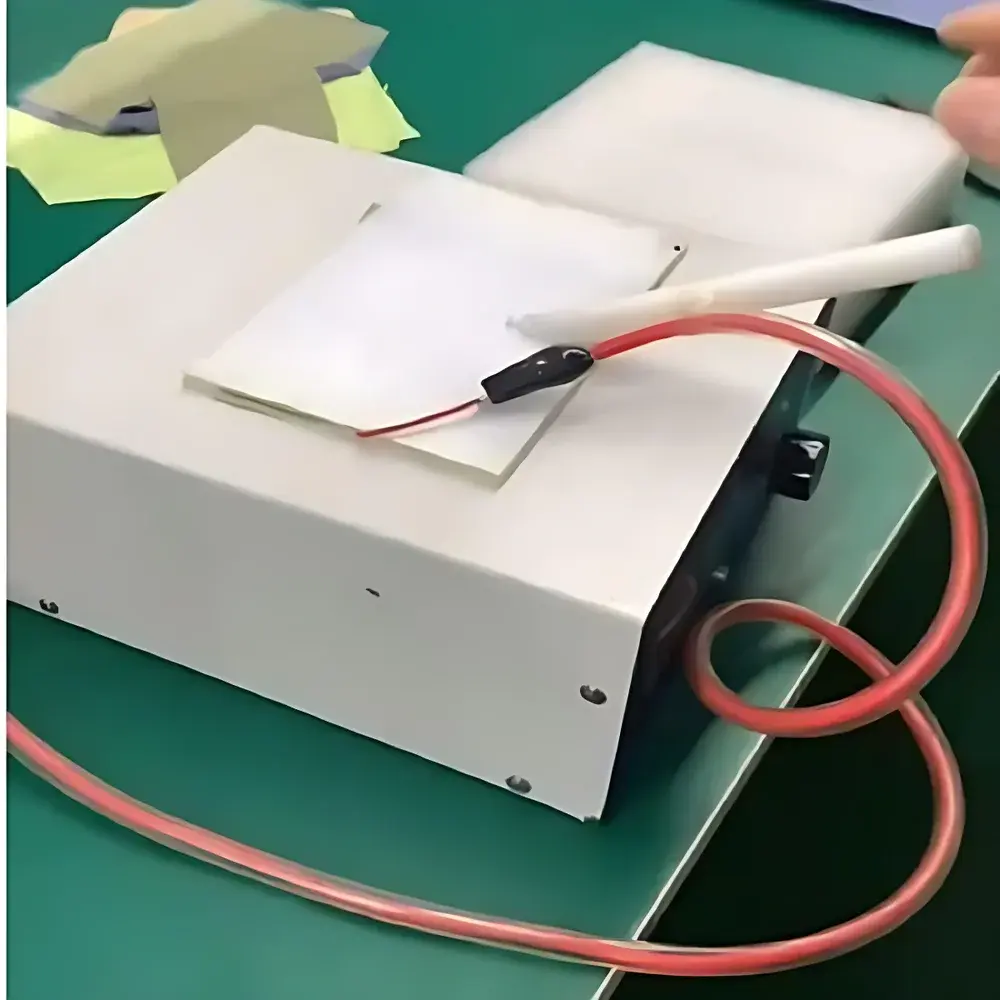
The Hengao De HAD-ZY30A Handheld Electrostatic Debris Remover is a precision instrument engineered for the rapid and selective removal of organic plant residues—such as leaf fragments, fine twigs, and root hairs—from pre-sieved soil samples (≤2 mm particle size). It operates on the principle of controlled electrostatic attraction: a high-voltage DC source (0–−30 kV) energizes a conductive electrostatic pad or handheld probe, inducing a localized negative surface charge that polarizes and attracts lightweight dielectric contaminants without physical contact or mechanical agitation. This non-destructive, dry separation method preserves soil structure integrity and avoids moisture loss or particle attrition—critical for downstream analyses including nutrient profiling, heavy metal speciation, microbial community assessment, and regulatory compliance testing per ISO 11464, ASTM D422, and US EPA Method 1311. The device is designed for laboratory-based soil preparation workflows in environmental monitoring labs, agricultural research stations, and geochemical testing facilities where reproducible sample homogeneity is required prior to digestion, sieving, or instrumental analysis.
Key Features
- Continuously adjustable negative DC output voltage (0 to −30 kV), enabling optimization for varying soil moisture content, organic matter load, and debris morphology.
- Three configurable control modes: dry-contact relay input (NO/NC), analog voltage trigger (6–12 V DC, ≥1 mA), and NPN-type photoelectric switch interface (12–24 V DC), supporting integration into semi-automated sample handling lines.
- Compact benchtop footprint (280 × 210 × 140 mm) with ergonomic handheld probe option; standard electrostatic pad (300 × 150 mm) fabricated from corrosion-resistant conductive polymer composite.
- High-stability HV power supply with <±1% voltage regulation, low ripple (<0.5%), and built-in overcurrent protection to ensure operator safety and long-term reliability.
- Compliance-ready design: meets IEC 61010-1 safety requirements for electrical equipment used in laboratory environments; CE-marked for EMC and low-voltage directive conformity.
Sample Compatibility & Compliance
The HAD-ZY30A is validated for use with air-dried or oven-dried (≤40°C) mineral soils, loams, and clay-rich matrices following ASTM D422 grain-size classification protocols. It effectively isolates lignocellulosic debris >50 µm in length and 5 dS/m EC), as conductivity may dissipate surface charge. All components comply with RoHS Directive 2011/65/EU. Device operation supports GLP-compliant documentation when paired with calibrated HV meters and logbook-integrated workflow software. Meets functional equivalency criteria outlined in ISO 21268-2 (soil sampling and preparation) and aligns with QA/QC practices mandated by ISO/IEC 17025-accredited laboratories.
Software & Data Management
While the HAD-ZY30A operates as a standalone hardware unit, its analog and digital control interfaces support external data logging via programmable logic controllers (PLCs) or PC-based acquisition systems (e.g., LabVIEW, MATLAB). Optional RS-232 or USB-to-serial adapters enable timestamped voltage logging, cycle counting, and pass/fail flagging per sample batch. When integrated into LIMS environments, control signals can be linked to sample ID tags for full traceability. Audit trail functionality—including operator ID, voltage setpoint, activation duration, and ambient temperature/humidity metadata—is achievable using third-party SCADA platforms compliant with FDA 21 CFR Part 11 requirements.
Applications
- Pre-analytical cleanup of soil samples prior to XRF, ICP-MS, or AAS elemental analysis.
- Removal of phytoliths and charred particulates in paleoenvironmental core studies.
- Standardized debris reduction in interlaboratory comparison programs (e.g., QUASIMEME, FAPAS).
- Quality assurance for certified reference materials (CRMs) production under ISO Guide 35.
- Field-deployable lab preparation for mobile environmental assessment units requiring minimal infrastructure.
FAQ
What soil moisture range is optimal for effective electrostatic separation?
Air-dried soils with gravimetric water content ≤15% yield highest debris capture efficiency. Soils exceeding 20% moisture require pre-drying at ≤40°C to prevent charge leakage.
Can the electrostatic pad be cleaned and reused?
Yes—pads are chemically resistant to ethanol, isopropanol, and dilute nitric acid (≤2%). Rinse with deionized water and dry under laminar flow before reuse. Avoid abrasive cleaning agents.
Is operator training required for safe operation?
Users must complete basic high-voltage safety orientation covering arc-flash hazards, grounding procedures, and lockout-tagout (LOTO) protocols per OSHA 1910.333. No specialized certification is required beyond standard lab safety induction.
Does the device meet international calibration traceability standards?
HV output is factory-calibrated against NIST-traceable reference meters (Fluke 80K-40). Certificate of Conformance includes as-found/as-left data and uncertainty budget per ISO/IEC 17025 Annex A.3.
How frequently should performance verification be conducted?
Daily verification using standardized test debris (e.g., 100 µm cellulose fibers on quartz sand matrix) is recommended. Full recalibration every 12 months or after 500 operational hours, whichever occurs first.
Related Products





