
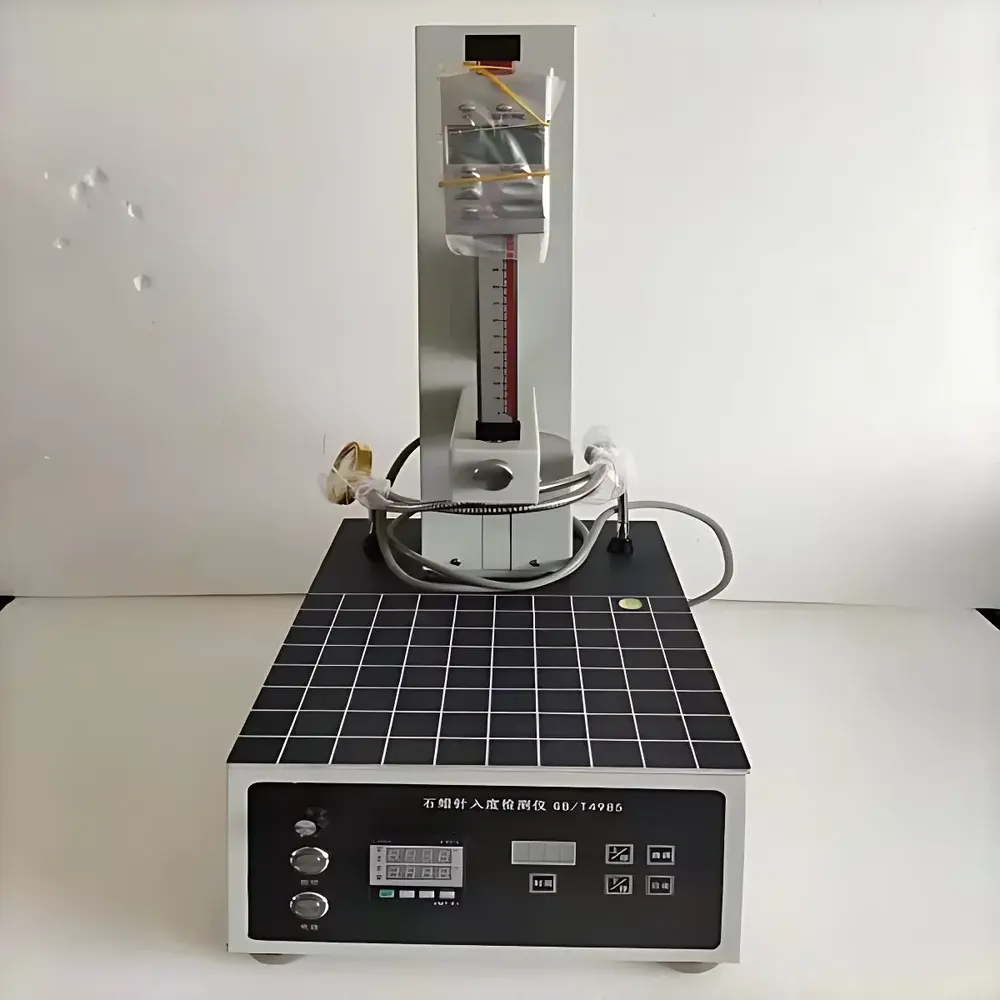
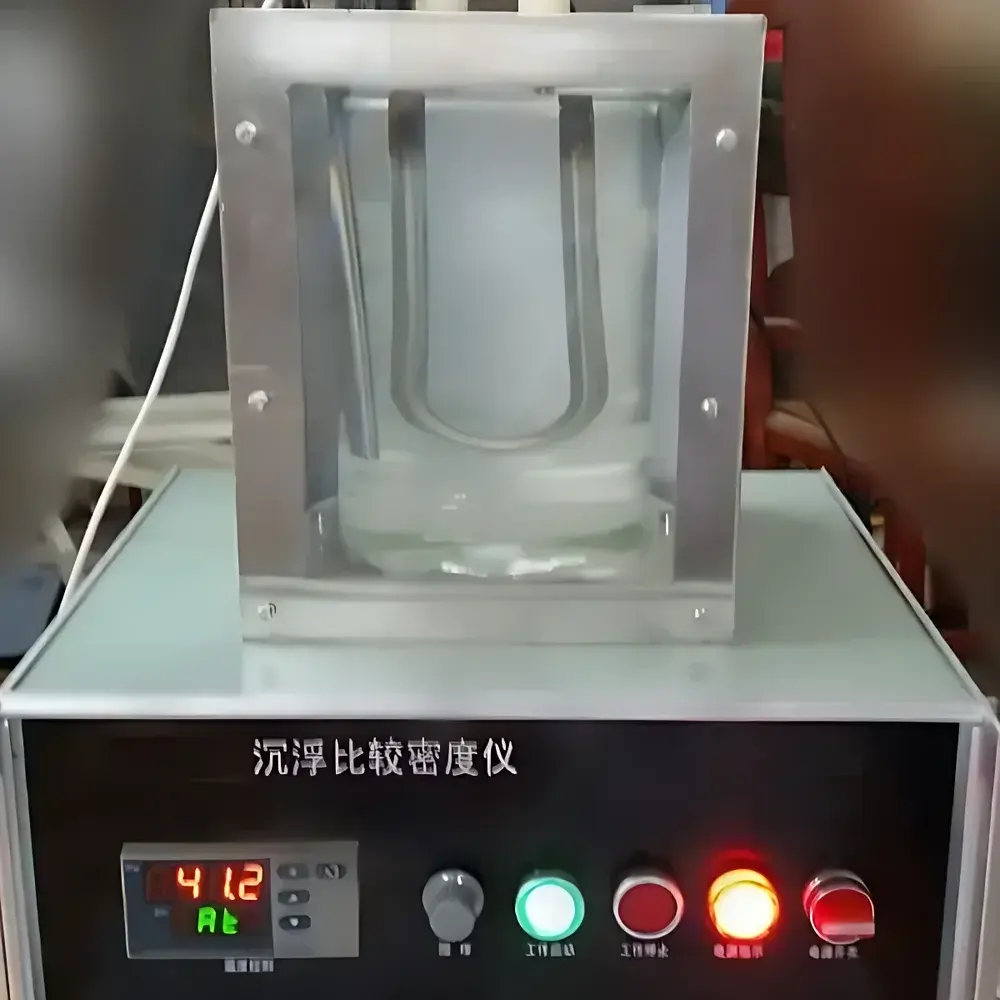
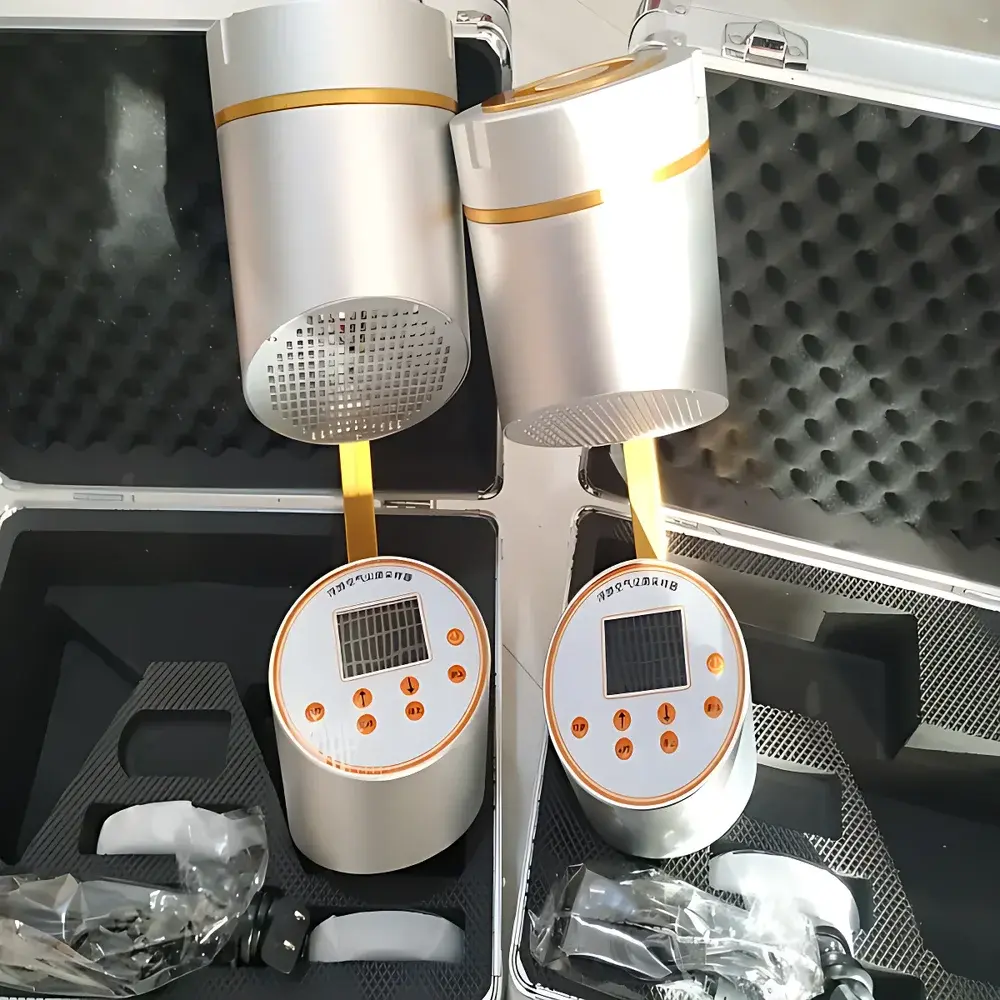
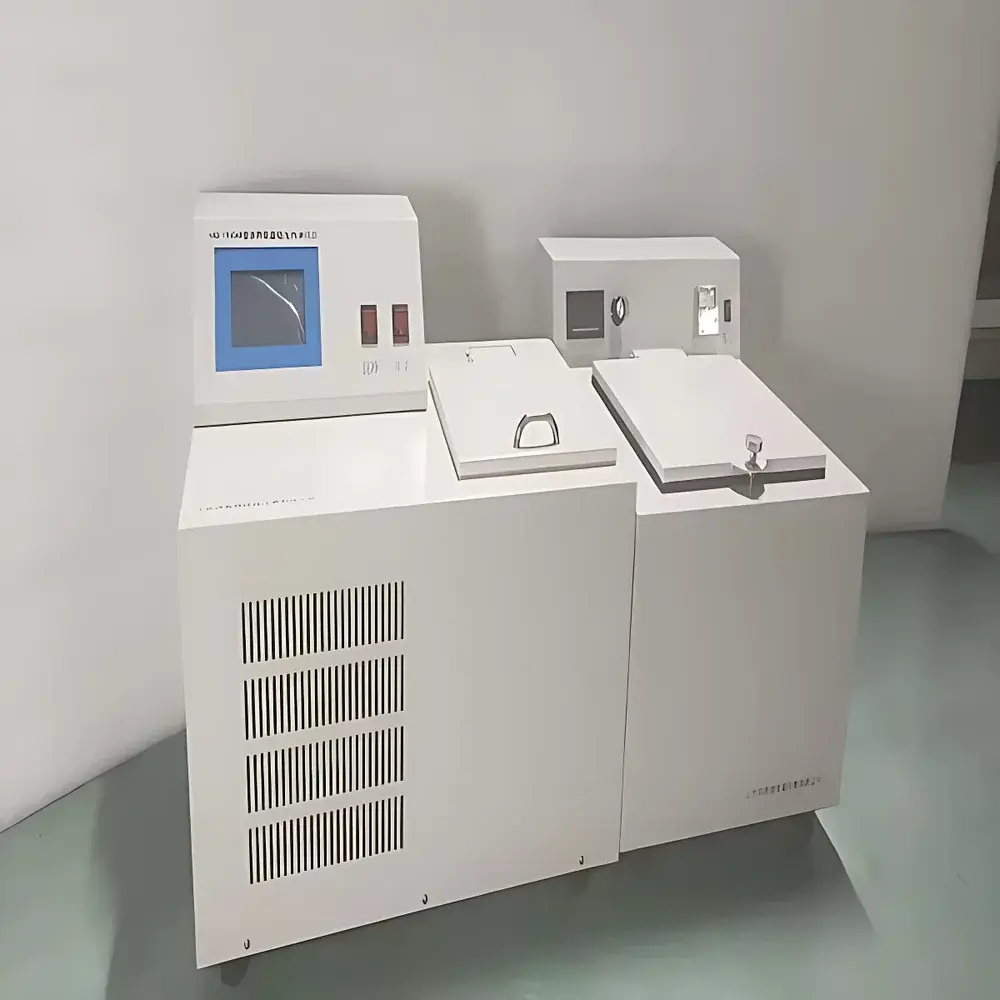
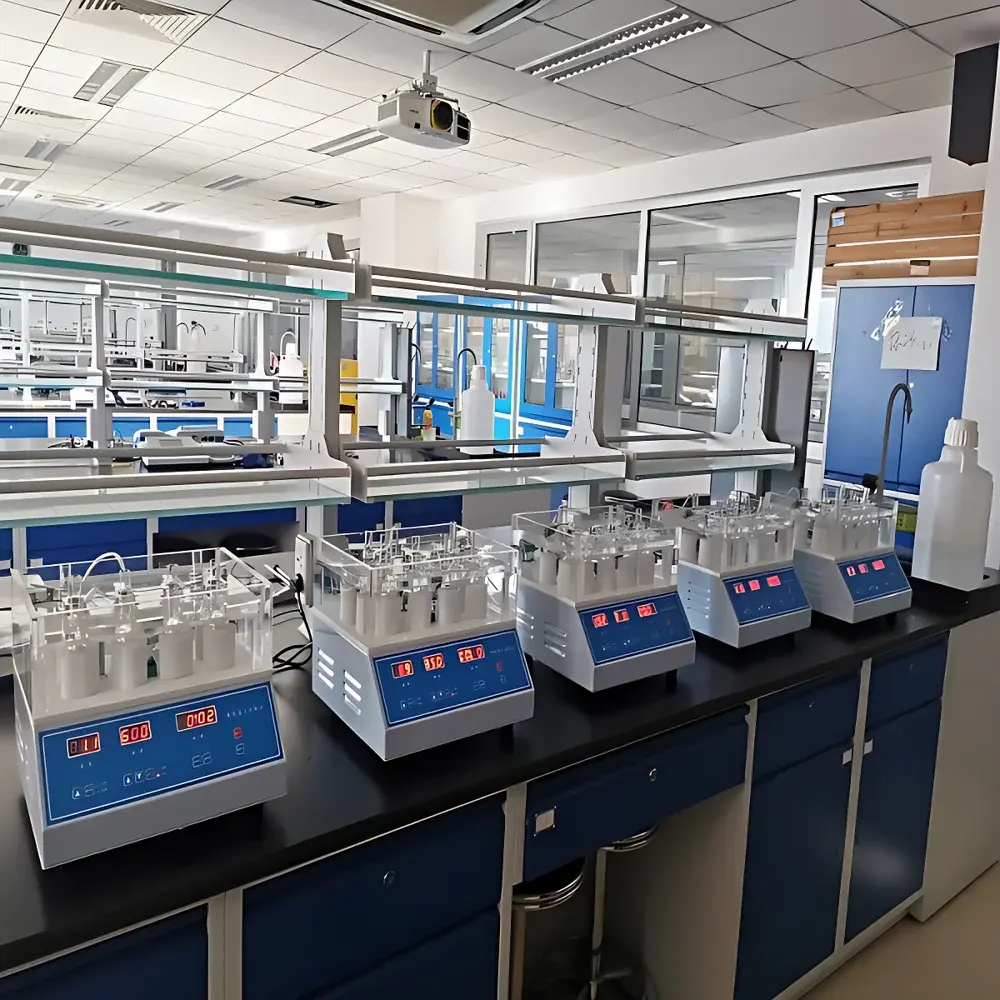
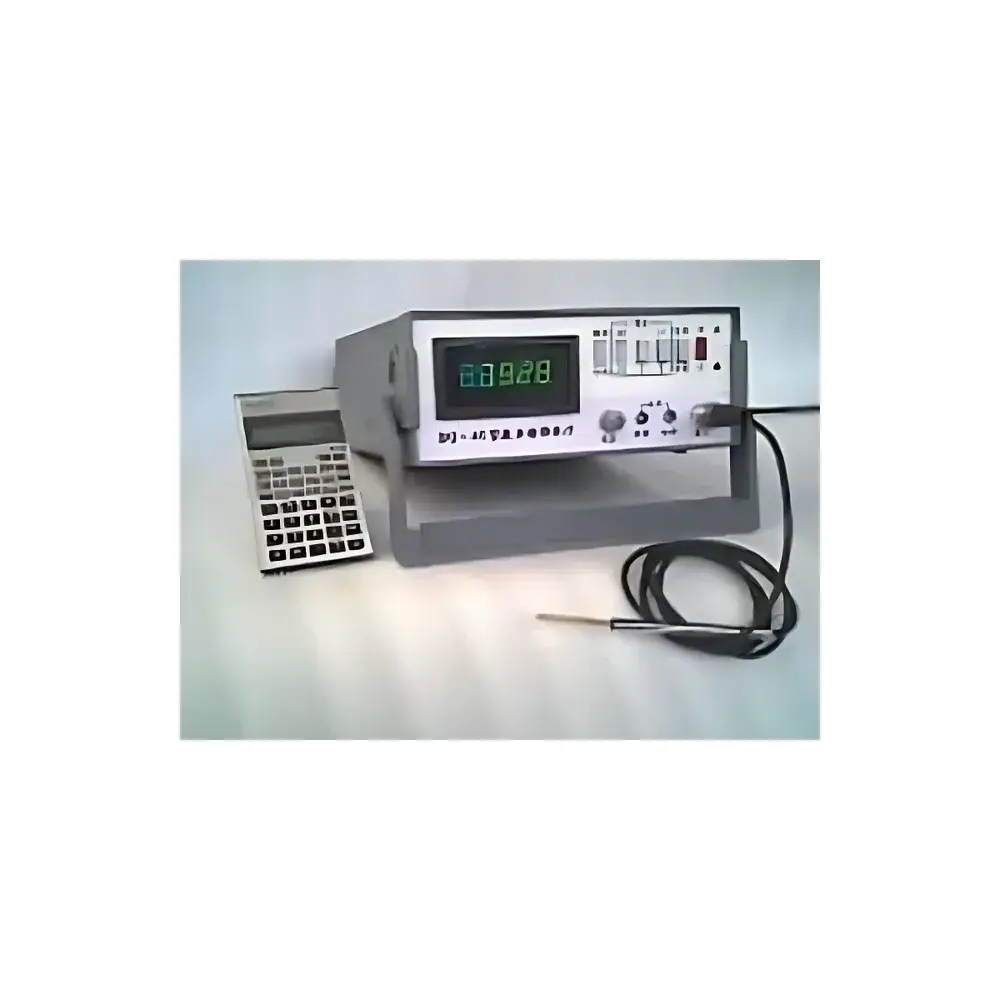
HengaoDe H17929 Multi-Function Materials Testing System: Penetrometer for Lubricating Greases & Petroleum Waxes, Sink-Float Density Comparator for Glass, Impaction-Based Airborne Microbial Sampler, Pesticide Low-Temperature Stability Tester, and Intelligent Transdermal Diffusion Cell
| Brand | HengaoDe |
|---|---|
| Origin | Beijing, China |
| Manufacturer Type | Authorized Distributor |
| Country of Origin | China |
| Model | H17929 |
| Price | USD 42.50 (FOB Beijing) |
| Power Supply | AC 220 V ±10%, 50 Hz |
| Operating Environment | 15–35 °C, ≤85% RH |
Overview
The HengaoDe H17929 Multi-Function Materials Testing System is an integrated laboratory platform comprising five independently validated instruments designed for standardized physical and microbiological characterization across industrial R&D, quality control, and regulatory compliance laboratories. Each module adheres strictly to internationally recognized test methodologies: the penetrometer operates on ASTM D5/ISO 2855-compliant needle penetration mechanics under controlled thermal conditions; the sink-float density comparator implements the buoyancy equilibrium principle per GB/T 14901–1994 (equivalent to ISO 7888); the airborne microbial sampler employs inertial impaction physics aligned with ISO 14698-1 and GB/T 16293–2010; the pesticide stability tester fulfills CIPAC MT39 and GB/T 19137–2003 low-temperature phase separation protocols; and the transdermal diffusion unit conforms to USP and OECD TG 428 principles for in vitro permeation kinetics. The system is engineered for precision repeatability, mechanical robustness, and traceable calibration—critical attributes for GLP-compliant environments in pharmaceutical, agrochemical, food, and materials science sectors.
Key Features
- Penetrometer Module: Dual-mode operation supporting both cone penetration (ASTM D217/GB/T 269) and needle penetration (ASTM D5/GB/T 4509), with programmable dwell times (5–60 s ±0.1 s) and temperature-controlled bath (25.0 ±0.1 °C) using magnetic stirring and hard-glass immersion vessel.
- Sink-Float Density Comparator: High-resolution digital thermometry (±0.01 °C) with horizontal/vertical thermal gradients ≤0.01 °C and ≤0.03 °C respectively, enabling precise density determination for glass (1.1–3.3 g/cm³) and porous ceramics via calibrated reference fluids.
- Impaction Microbial Sampler: 400-orifice stainless steel impactor head operating at 100 L/min with isokinetic sampling velocity (0.38 m/s), compliant with GMP Annex 1 and ISO 14698-2 for viable particle recovery efficiency ≥95% on standard 90 mm Ø agar plates.
- Pesticide Stability Tester: Dual-component design integrating a refrigerated chamber (–10 °C to ambient, ±0.5 °C stability) and centrifuge (up to 700 × g, 1–99 min timer), accommodating twelve 100 mL test tubes for concurrent evaluation of phase separation and sediment formation.
- Transdermal Diffusion Unit: Six-cell parallel configuration with thermostatically regulated receptor medium (30–40 °C ±0.1 °C), adjustable agitation (100–800 rpm ±5%), and configurable acceptor volume (5/10/15 mL), meeting pharmacopeial requirements for Franz-type diffusion modeling.
Sample Compatibility & Compliance
The H17929 system accommodates diverse sample matrices without cross-contamination risk due to physically isolated modules and material-compatible wetted surfaces (e.g., borosilicate glass baths, anodized aluminum housings, stainless steel impactor plates). All instruments are supplied with factory calibration certificates traceable to NIM (National Institute of Metrology, China) standards. Regulatory alignment includes: ASTM D217 (grease consistency), ISO 7888 (density of glass), ISO 14698-1 (biocontamination control), GB/T 19137–2003 (pesticide cold storage testing), and USP (transdermal drug release). Data acquisition supports audit-ready documentation per FDA 21 CFR Part 11 when paired with optional secure software logging.
Software & Data Management
While the base H17929 configuration operates via dedicated front-panel controls (LCD displays, tactile keypads), optional PC-integrated data loggers enable time-stamped parameter capture—including penetration depth (0.01 mm resolution), temperature drift, cumulative sampling volume (0.01–6.0 m³), centrifugation force (±10 G), and diffusion time-course concentration profiles. Export formats include CSV and PDF reports compatible with LIMS integration. Firmware updates maintain compliance with evolving pharmacopeial revisions, and all instruments retain full manual operability during network downtime—ensuring uninterrupted workflow continuity in regulated settings.
Applications
This system serves as a core analytical resource in multiple domains: lubricant formulation labs verifying NLGI grade consistency; glass manufacturing QA departments performing routine density verification against batch specifications; sterile facility environmental monitoring programs validating cleanroom bio-burden levels; agrochemical registrants generating CIPAC-compliant stability dossiers; and dermal pharmaceutical developers conducting preclinical permeation screening per ICH M7 guidelines. Its modular architecture allows individual instrument deployment or coordinated multi-test sequences—reducing capital expenditure while maintaining metrological integrity across method families.
FAQ
Does the penetrometer module comply with ASTM D5 and ISO 2855?
Yes—the instrument implements standardized needle geometry, loading mass (100 g ±0.05 g), and thermal conditioning per both standards.
Can the density comparator measure powdered ceramics?
No—it is validated only for non-porous solids (e.g., optical glass) and known-porosity ceramics using Archimedean sink-float methodology.
Is the microbial sampler suitable for ISO Class 5 environments?
Yes—its isokinetic inlet design and validated recovery efficiency meet EU GMP Annex 1 requirements for Grade A/B area monitoring.
What is the maximum allowable viscosity for samples tested in the transdermal unit?
The system supports receptor media viscosities up to 20 cP; higher values require validation of membrane hydration kinetics.
Are calibration certificates included with shipment?
Each module ships with a NIM-traceable certificate of conformance and a detailed user manual containing maintenance schedules and verification procedures.






