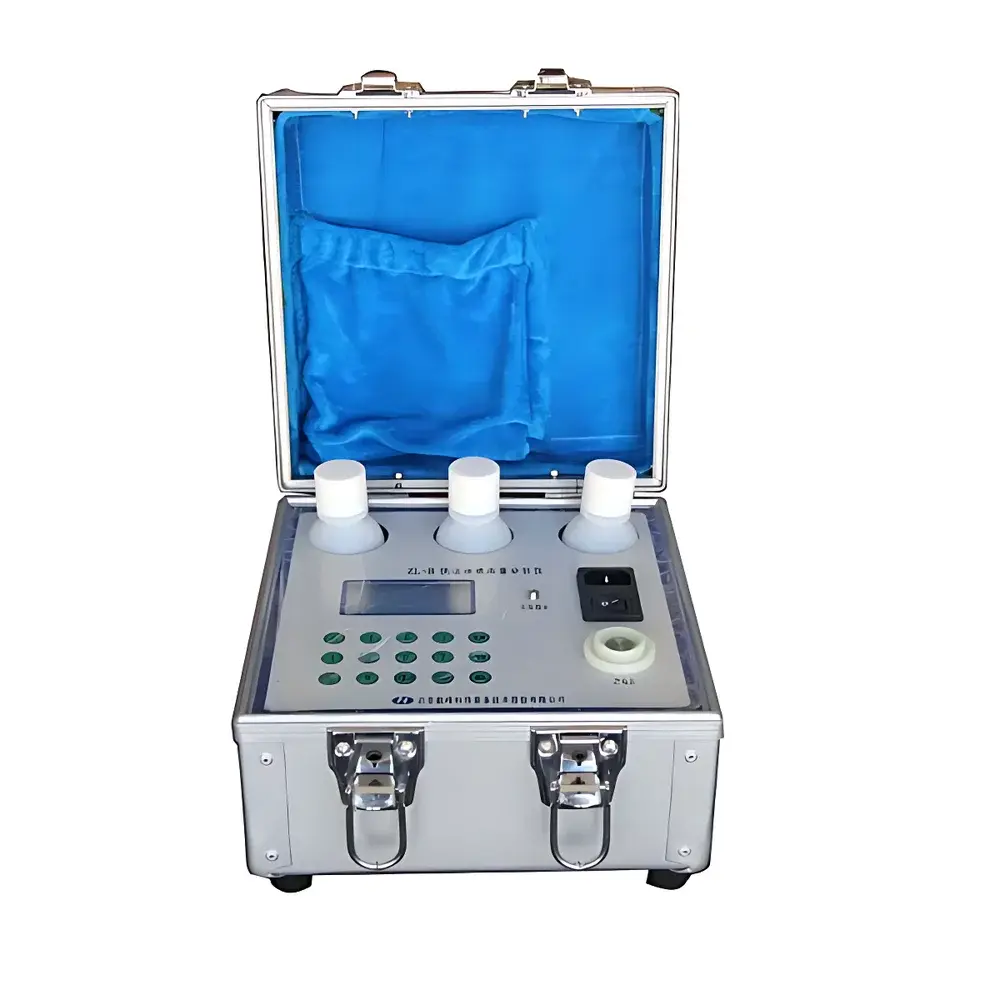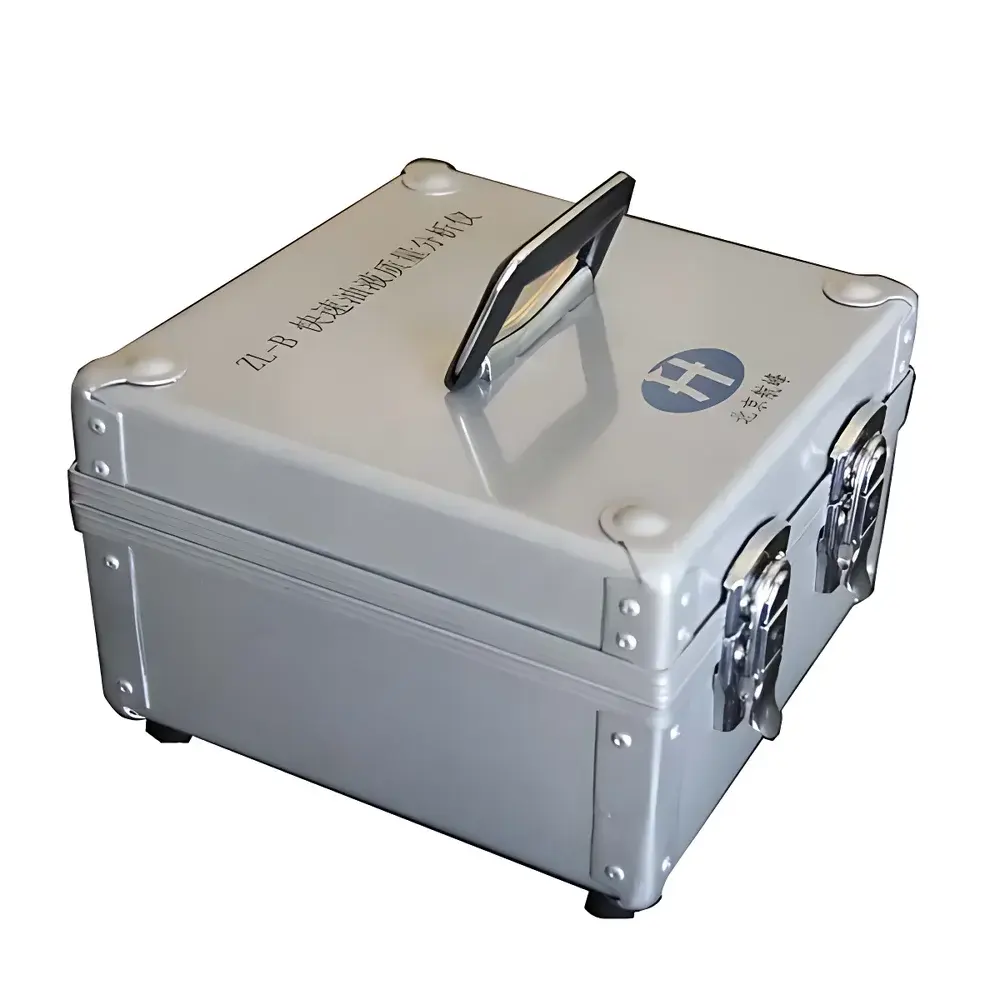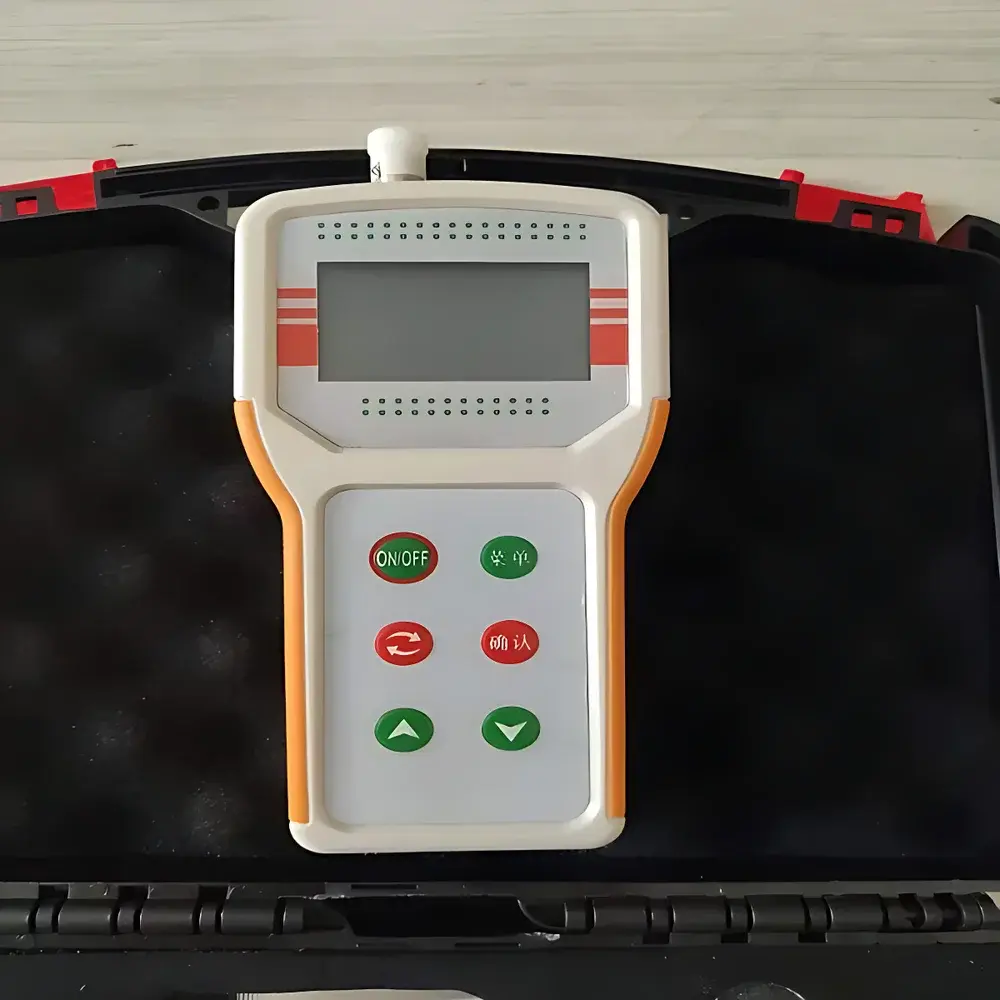
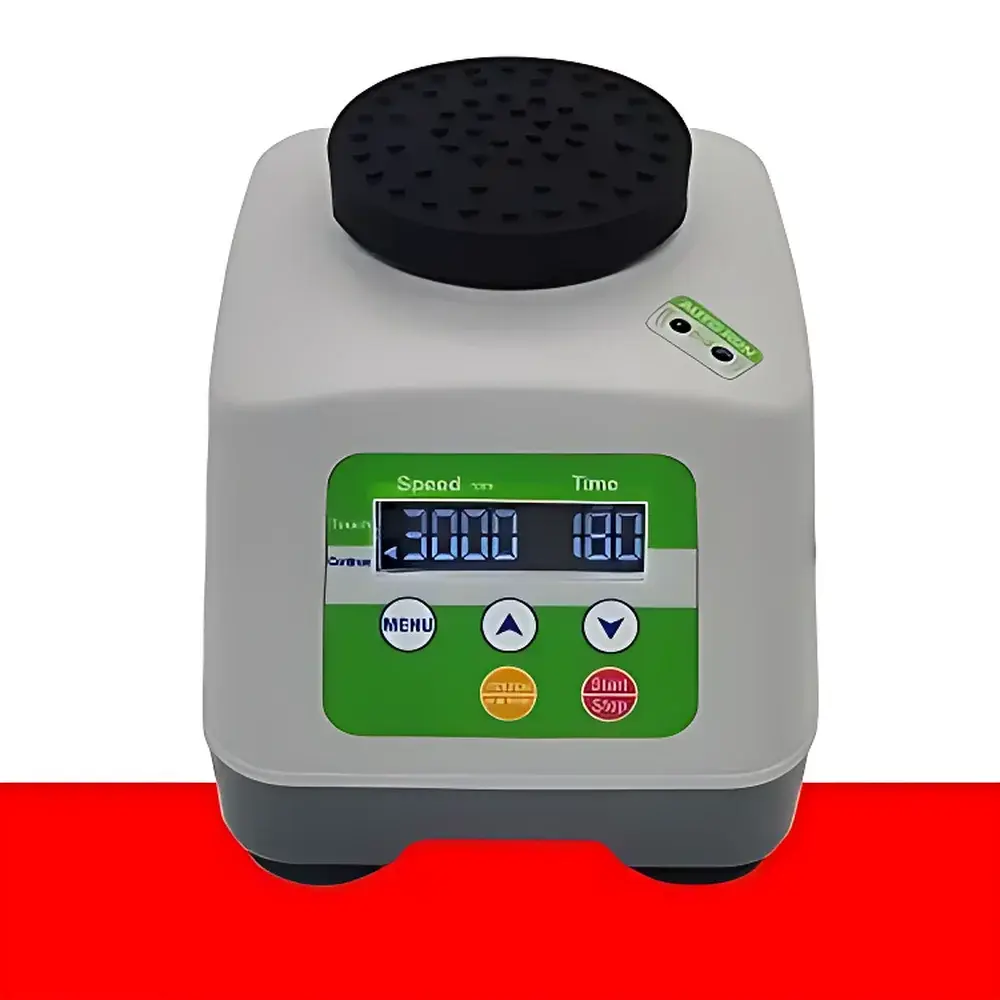
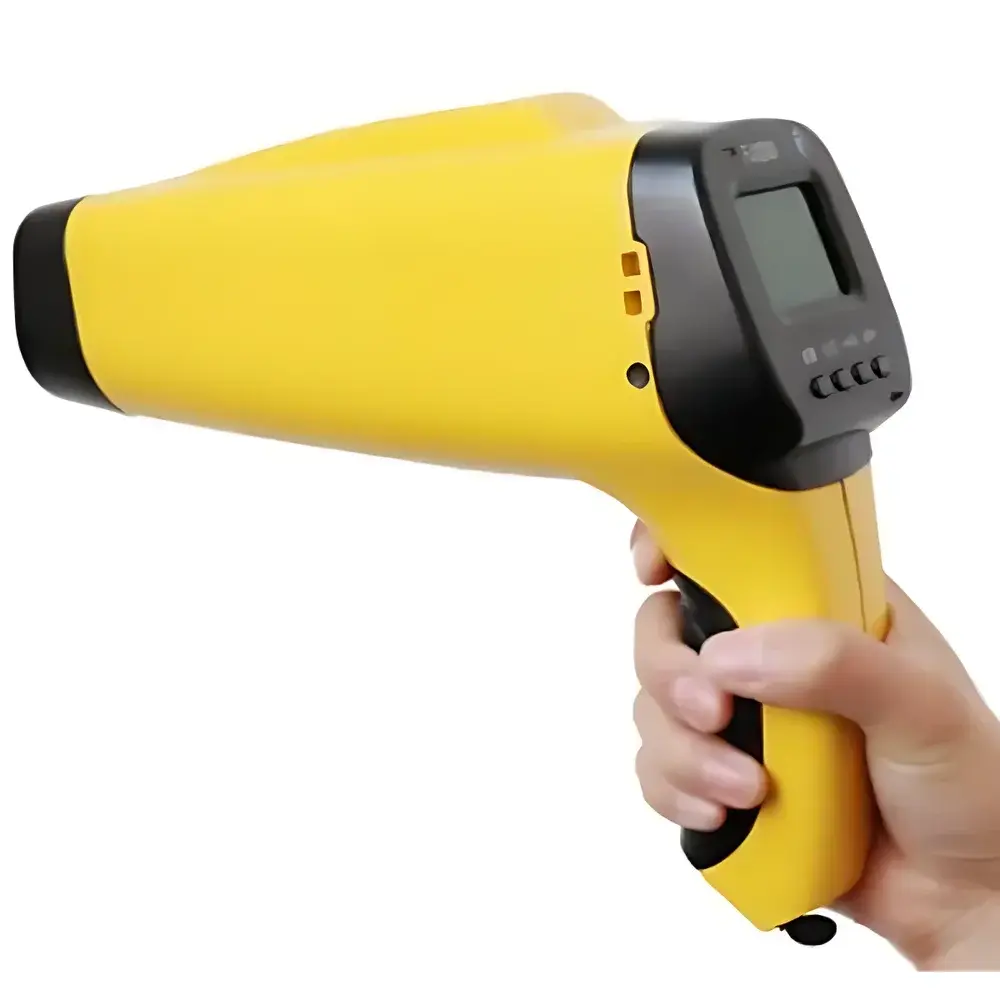
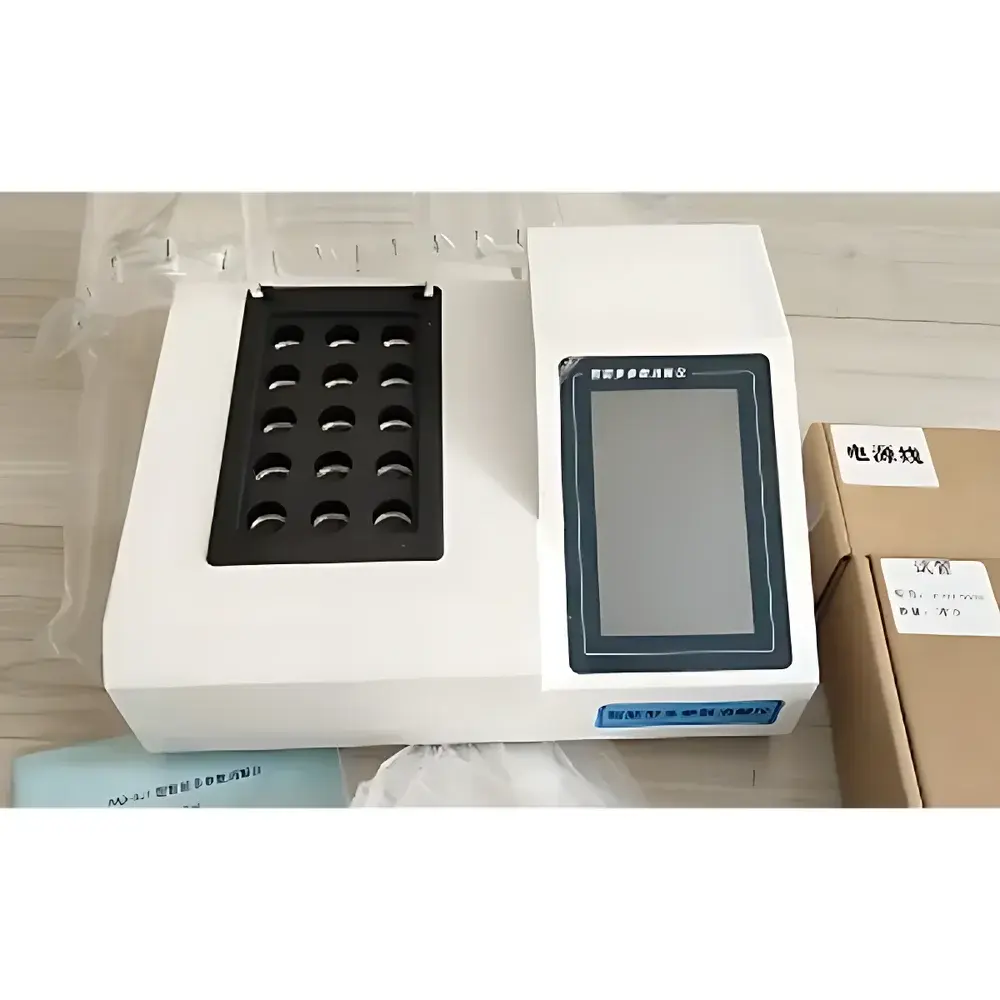
HengaoDe H18001 Portable CO₂ Analyzer for Aqueous Solutions
| Brand | HengaoDe |
|---|---|
| Origin | Beijing, China |
| Manufacturer Type | Authorized Distributor |
| Country of Origin | China |
| Model | H18001 |
| Price | USD 28.50 (FOB) |
| pCO₂ Range | 2.00–4.40 |
| CO₂ Concentration Range | 1.75 mg/L–0.44 g/L |
| mV Range | −1800–+1800 mV |
| Resolution | 0.01 pCO₂ |
| Basic Error | ±0.05 pCO₂ |
| Temperature Compensation | 5.0–50.0 °C |
| Stability | ±0.1 pCO₂ / 3 h |
| Repeatability | ≤±0.03 pCO₂ ±1 digit |
Overview
The HengaoDe H18001 Portable CO₂ Analyzer is a dedicated electrochemical instrument engineered for precise quantification of dissolved carbon dioxide in aqueous media. It operates on the principle of potentiometric measurement using a gas-permeable membrane CO₂-selective electrode, coupled with a reference electrode to generate a Nernstian response proportional to the partial pressure of CO₂ (pCO₂) in solution. The instrument converts measured pCO₂ values into mass concentration ([CO₂], mg/L or g/L) via built-in thermodynamic algorithms compliant with standard hydration equilibrium constants (e.g., Henry’s law and carbonic acid dissociation). Designed for routine monitoring in power plant water chemistry—such as steam condensate, boiler feedwater, and deaerator outlet—the analyzer meets operational requirements for high-purity water systems where CO₂-induced corrosion and pH instability must be rigorously controlled. Its compact form factor and battery-compatible operation support field deployment in municipal water facilities, beverage quality labs (e.g., beer and soft drink production), and academic research settings studying aquatic biogeochemistry or fermentation kinetics.
Key Features
- Microcontroller-based architecture ensures stable signal processing and intuitive user interface with dual-parameter display (pCO₂ and [CO₂] simultaneously)
- Integrated temperature compensation: automatic mode enabled when optional Pt1000 temperature probe is connected; manual input mode available for fixed-temperature calibration workflows
- Dual-range measurement capability covering low-level CO₂ in ultrapure condensate (1.75 mg/L) and high-concentration applications such as carbonated beverage analysis (up to 0.44 g/L)
- High-resolution digital readout (0.01 pCO₂) with electronic unit accuracy of ±0.02 pCO₂ ±1 digit and full-system error ≤±0.05 pCO₂
- Robust electrode interface compatible with standard BNC connectors and interchangeable CO₂ sensing modules per ASTM D5116–22 guidelines for membrane electrode systems
- Calibration verification supported via two-point buffer method using certified CO₂ standard solutions traceable to NIST SRM 1691
Sample Compatibility & Compliance
The H18001 is validated for use with clarified, non-viscous aqueous samples including steam condensate, demineralized water, natural surface waters, food-grade beverages, and industrial process effluents. It is not intended for turbid, highly particulate, or strongly oxidizing matrices without prior filtration (≤0.45 µm) or chemical pretreatment. The instrument conforms to technical performance criteria outlined in DL/T 934–2018 (Chinese standard for online CO₂ monitoring in thermal power plants) and aligns with functional expectations of ISO 5667-3:2018 for water sampling preservation and handling. While not certified under FDA 21 CFR Part 11, its data logging output supports GLP-compliant documentation when paired with external audit-trail-enabled software.
Software & Data Management
The analyzer features a serial RS-232 output port (optional USB-to-serial adapter) enabling direct connection to laboratory PCs or LIMS platforms. Raw pCO₂, [CO₂], temperature, and mV data are transmitted in ASCII format at configurable baud rates (9600/19200 bps). No proprietary software is bundled; however, the device is fully compatible with industry-standard data acquisition tools such as LabVIEW, MATLAB, or Excel-based templates implementing ISO/IEC 17025 traceability protocols. Calibration records—including date, operator ID, standard lot numbers, and deviation logs—can be manually archived to satisfy internal QA requirements.
Applications
- Power generation: Continuous surveillance of CO₂ ingress in closed-cycle steam-water systems to prevent flow-accelerated corrosion (FAC) in carbon steel piping
- Food & beverage QC: Verification of CO₂ saturation levels in carbonated drinks, brewing wort, and packaged dairy products per AOAC Official Method 972.18
- Environmental monitoring: Field assessment of CO₂ degassing dynamics in lakes, rivers, and groundwater recharge zones
- Pharmaceutical water systems: Support for USP purified water specifications where CO₂ contributes to conductivity excursions
- Academic research: Kinetic studies of CO₂ absorption in amine scrubbers, algal cultivation media optimization, and soil respiration modeling
FAQ
Does the H18001 require daily recalibration?
No—calibration is recommended before each analytical session or after electrode replacement; stability testing per clause 7.3 of JJG 987–2013 confirms ≤0.03 pCO₂ drift over 8 hours under controlled lab conditions.
Is the temperature probe included by default?
No—the Pt1000 temperature sensor is an optional accessory; manual temperature entry is supported for environments where probe immersion is impractical.
Can this instrument measure CO₂ in seawater?
Not without matrix-specific correction: high ionic strength alters activity coefficients; users must apply salinity-adjusted conversion factors derived from Pitzer equations or empirical seawater calibration curves.
What maintenance does the CO₂ electrode require?
Electrolyte refilling every 6 months, membrane replacement annually, and periodic cleaning with mild detergent followed by DI water rinse—per manufacturer’s maintenance schedule in Section 4.2 of the English-language operating manual.
Is the device suitable for GMP-regulated environments?
It may be deployed as a secondary monitoring tool; full GMP compliance requires documented IQ/OQ/PQ validation, which is achievable using the provided metrological specifications and third-party calibration certificates.