
Hengyi HY-0580YHBB Electromechanical Tensile and Bending Tester for Orthopedic Screws
| Brand | Hengyi (Hengyitest) |
|---|---|
| Origin | Shanghai, China |
| Manufacturer Type | Direct Manufacturer |
| Product Category | Domestic |
| Model | HY-0580YHBB |
| Instrument Type | Electromechanical Tensile Testing Machine |
| Maximum Test Load | 5 kN |
| Force Measurement Range | 5 N – 5000 N |
| Force Accuracy | ±0.5% of full scale |
| Test Stroke | 800 mm |
| Displacement Resolution | 0.001 mm |
Overview
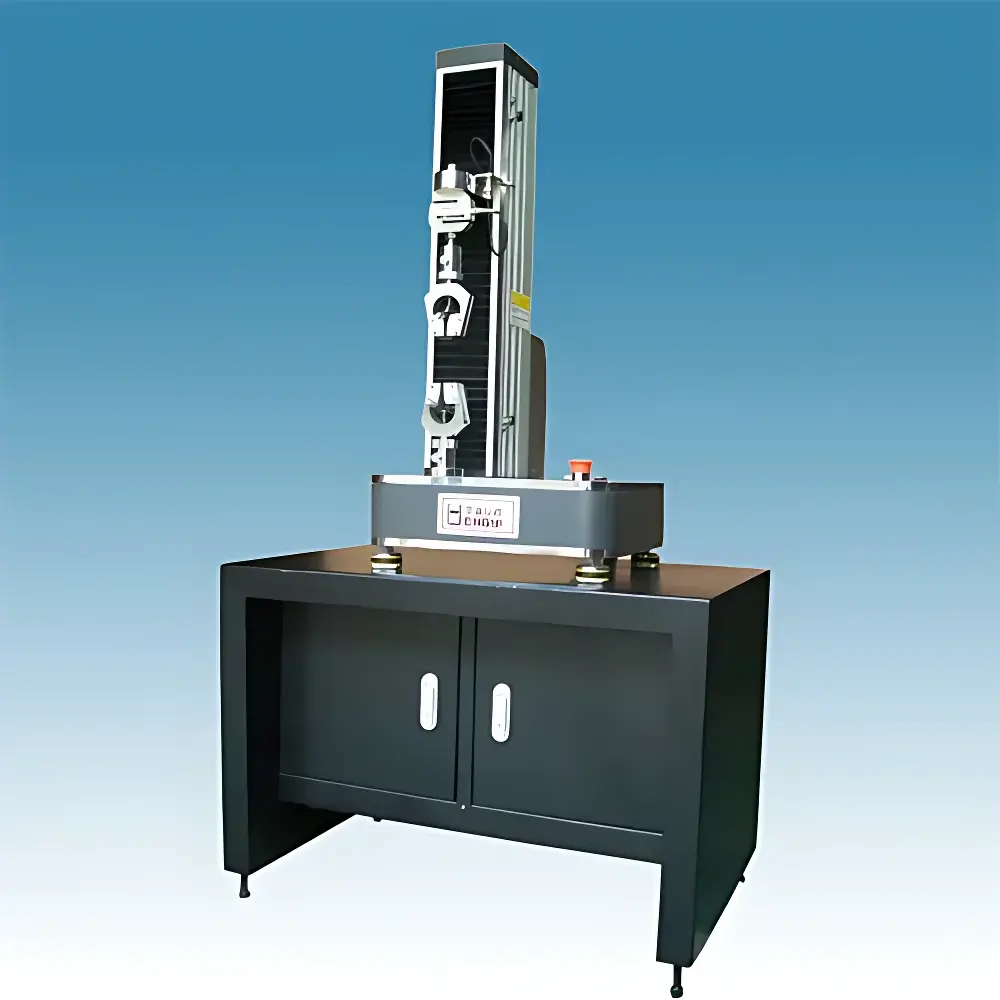
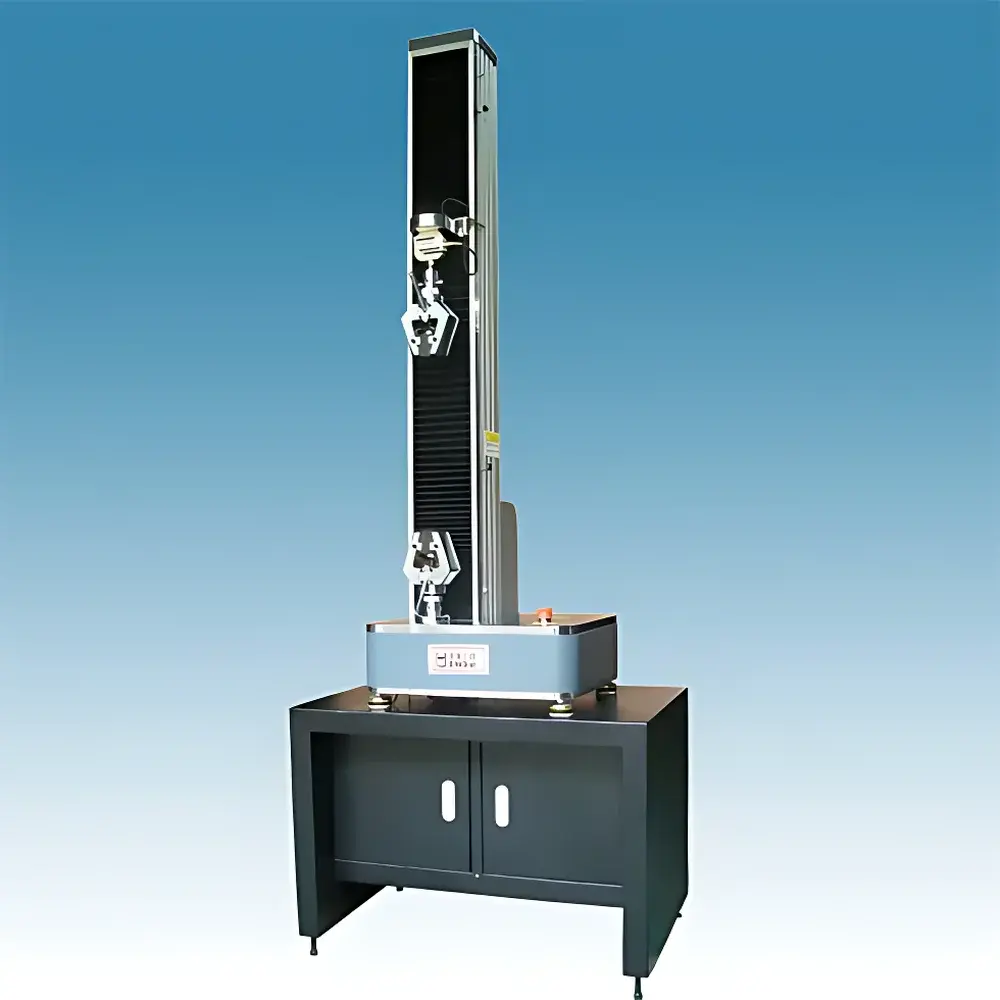
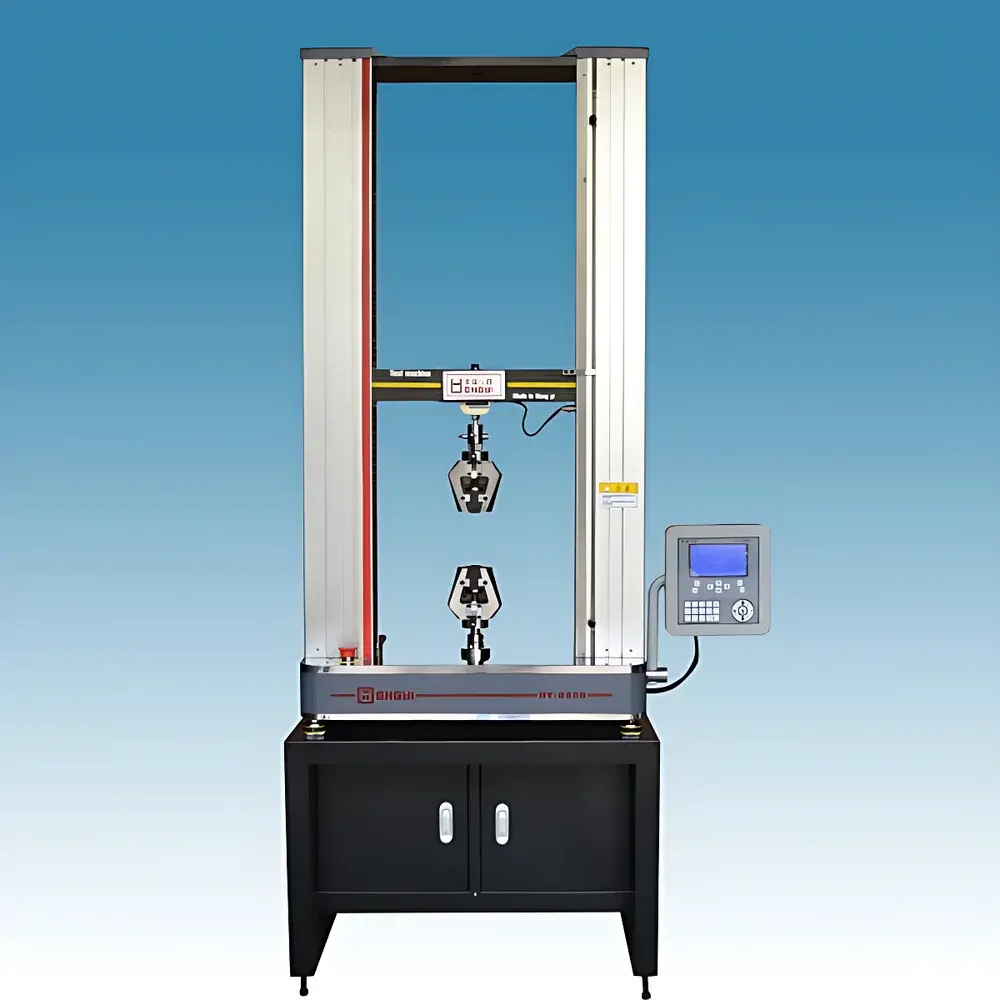
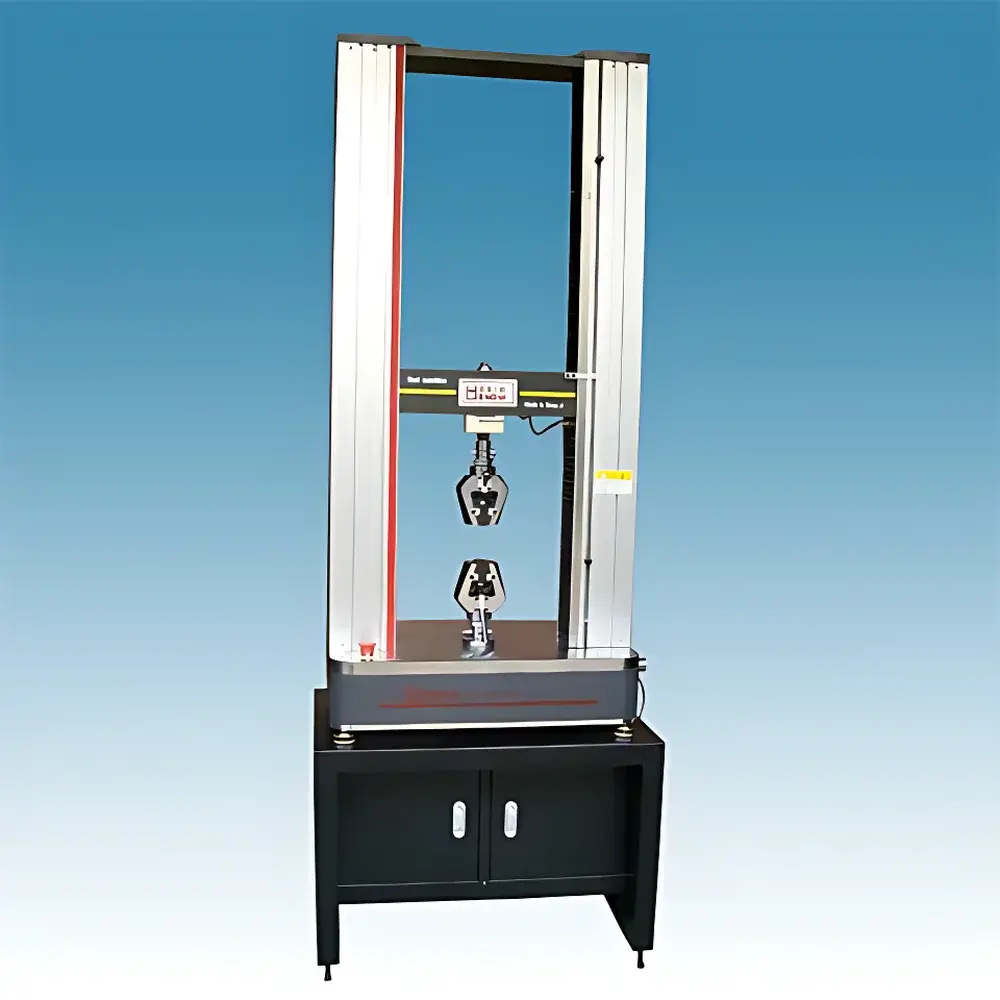
The Hengyi HY-0580YHBB is a precision-engineered electromechanical tensile and bending tester specifically designed for biomechanical evaluation of orthopedic implants and biomaterials. It operates on the principle of controlled axial force application via a servo-motor-driven crosshead, enabling static and quasi-static mechanical characterization in tension, compression, bending, pull-out, shear, and flexural modes. The system complies with internationally recognized standards governing implant mechanical testing—including ISO 5832, ASTM F543, ASTM F1717, and key regulatory benchmarks such as YY/T 1504–2016 (axial pull-out of bone screws), YY/T 0342–2002 (bending stiffness of bone plates), and YY/T 0662–2008 (mechanical performance of asymmetric-threaded screws). Its architecture supports both standardized specimen geometries (e.g., ISO 6474-1 rods, ASTM F2193 screw fixtures) and custom implant configurations under GLP-aligned test protocols.
Key Features
- High-fidelity load measurement with dual-range transducers (configurable from 1 N to 5000 N), delivering ±0.5% FS accuracy across the entire dynamic range without manual range switching
- Full-scale displacement resolution of 0.001 mm and position repeatability better than ±0.01 mm, ensuring reliable detection of micro-deformations during yield and plastic transition phases
- Adjustable crosshead speed from 0.001 to 500 mm/min, with rate accuracy maintained within ±0.5% of setpoint—critical for strain-rate-sensitive polymers and viscoelastic tissues
- Integrated electronic limit protection, overload cutoff at 110% of maximum rated load, and real-time diagnostic monitoring of drive current, voltage, and sensor integrity
- Modular fixture interface compatible with standardized orthopedic test jigs (e.g., ASTM F1717 spinal rod clamps, YY/T 1504 pull-out fixtures, ISO 14801 dental implant testers)
- Stainless steel load frame (95 kg mass) with 470 × 400 × 1510 mm footprint, optimized for stability during high-stiffness bone-implant interface testing
Sample Compatibility & Compliance
The HY-0580YHBB accommodates a broad spectrum of biomedical specimens—from soft hydrogels and decellularized vascular grafts to cortical bone analogs, titanium alloy screws, PEEK spinal cages, and CFR-PEEK composite plates. It supports testing per ISO 14801 (dental implants), ASTM F2193 (intramedullary nails), YY/T 0017–2008 (bone plate flexural strength), and GB/T 228.1–2010 (metal tensile behavior at ambient temperature). All test sequences adhere to traceable calibration protocols aligned with ISO/IEC 17025 requirements. Data acquisition meets FDA 21 CFR Part 11 criteria when paired with compliant software, supporting audit-ready electronic records, user access control, and immutable test logs.
Software & Data Management
The system integrates with Hengyi’s proprietary BioTestSuite™ v3.2 software—a Windows-based platform supporting real-time force-displacement curve plotting, multi-channel synchronized data capture (load, displacement, optional extensometer or video strain), and automated report generation in PDF/Excel formats. Software modules include pre-defined test methods for YY/T 1504 pull-out, YY/T 0342 three-point bending, and ASTM F543 torsional-tensile coupling. Raw data files are stored in ASCII-delimited format for third-party analysis (MATLAB, Python, R). Audit trail functionality logs all user actions, parameter changes, and calibration events with timestamps and operator IDs—fully compliant with GLP and GMP documentation workflows.
Applications
- Mechanical validation of orthopedic fasteners: axial pull-out strength, thread engagement efficiency, and self-tapping performance of cancellous/cortical screws
- Bending rigidity and fatigue resistance assessment of spinal fixation systems, intramedullary rods, and fracture plating constructs
- Tensile modulus and ultimate strength measurement of bioresorbable polymers (PLLA, PCL), collagen scaffolds, and electrospun nanofibers
- Compression testing of vertebral body substitutes, osteoconductive ceramics (HA, β-TCP), and synthetic bone void fillers
- Shear and interfacial bond strength evaluation of coating-substrate systems (e.g., HA-coated Ti alloys, plasma-sprayed PEEK surfaces)
- Dynamic cyclic loading up to 5 Hz (with optional high-frequency actuator upgrade) for accelerated fatigue life prediction of joint arthroplasty components
FAQ
What standards does the HY-0580YHBB support for orthopedic implant testing?
It is validated for YY/T 1504–2016 (screw pull-out), YY/T 0342–2002 (plate bending), YY/T 0662–2008 (asymmetric screw mechanics), GB/T 228.1–2010 (metal tensile), and ASTM F543/F1717/F2193.
Can the system perform simultaneous force and displacement control?
Yes—it supports stress-controlled ramping (0.005–6% FS/s), strain-controlled loading (0.002–6% FS/s), and closed-loop PID regulation for constant-load or constant-displacement hold tests.
Is the displacement encoder optical or potentiometric?
The standard configuration uses a high-resolution linear encoder with 0.001 mm resolution and thermal drift compensation; optional non-contact LVDT or digital image correlation (DIC) modules are available.
What safety certifications does the hardware carry?
The unit conforms to IEC 61000-6-2 (EMC immunity) and IEC 61000-6-4 (EMC emissions), with CE marking under Machinery Directive 2006/42/EC and Low Voltage Directive 2014/35/EU.
How is calibration traceability ensured?
Load cells are factory-calibrated against NIST-traceable deadweight standards; certificate includes uncertainty budget per ISO/IEC 17025, with annual recalibration intervals recommended.



