
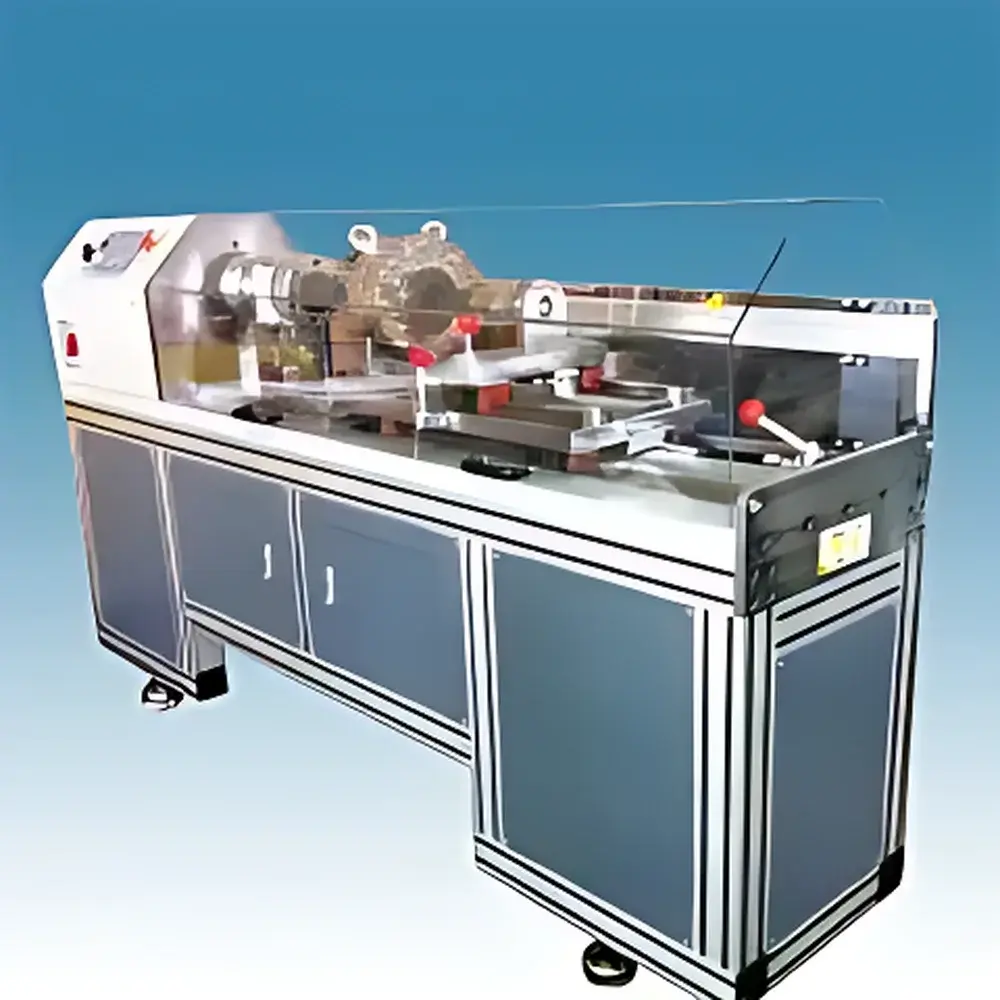
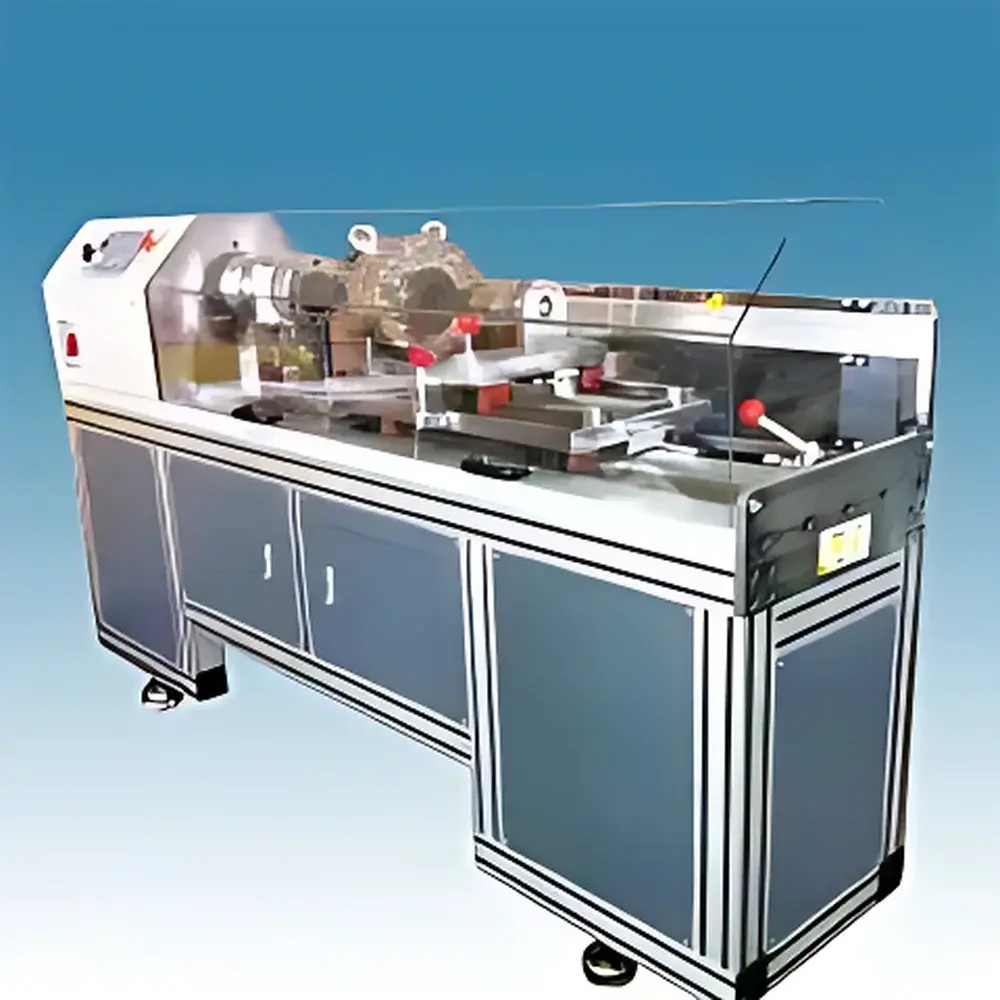
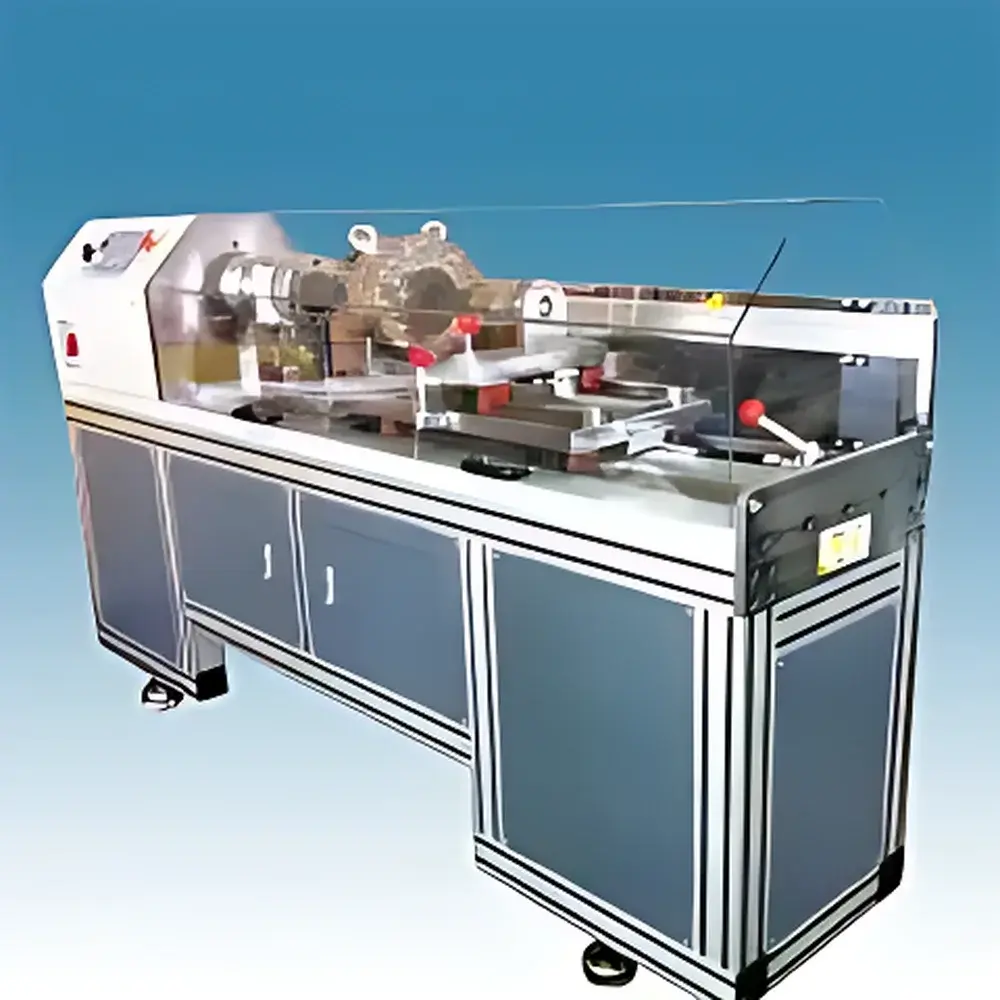
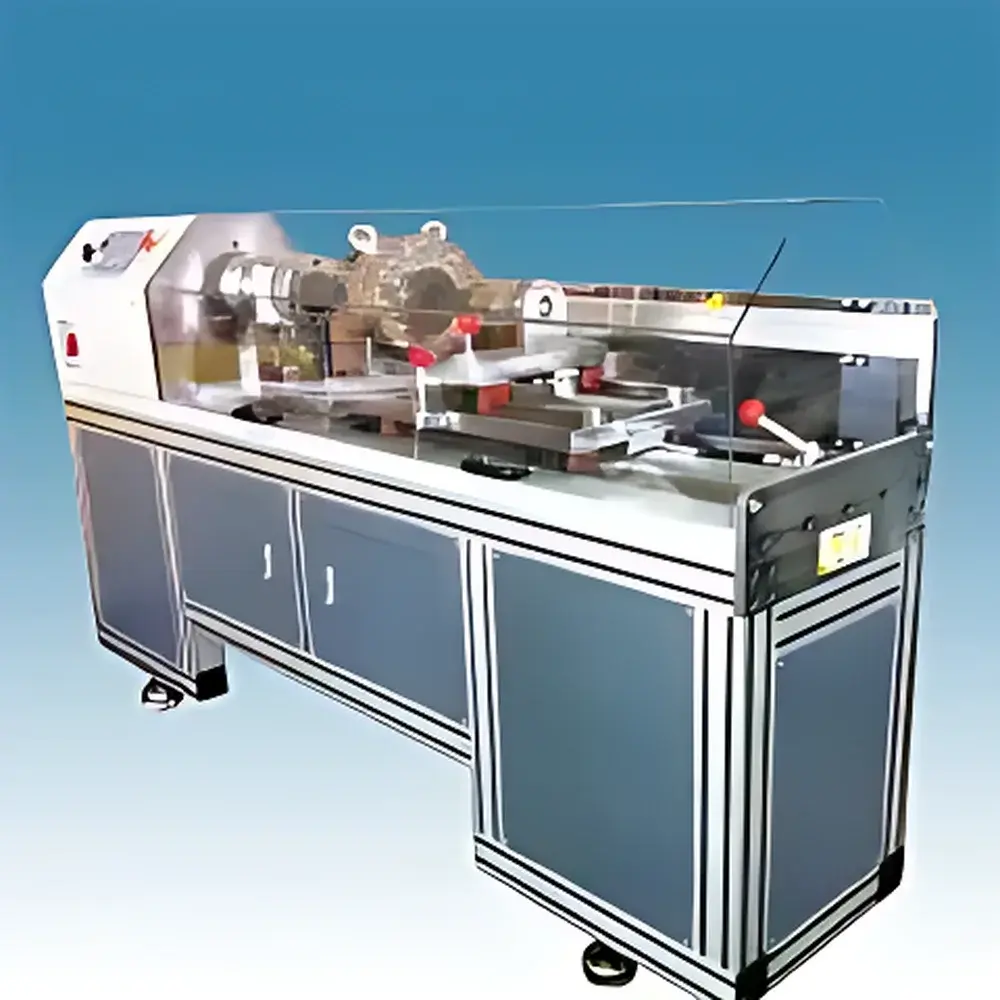
Hengyi HY-1000NM Bone Screw Torque Testing Machine
| Brand | Hengyi / Hengyitest |
|---|---|
| Origin | Shanghai, China |
| Manufacturer Type | Direct Manufacturer |
| Product Origin | Domestic (China) |
| Model | HY-1000NM |
| Max Torque | 1000 N·m |
| Torque Measurement Range | 1000 N·m |
| Torque Resolution | 0.001 N·m |
| Torsional Angle Measurement Range | 0–100,000° (or continuous) |
| Motor Power | 2 kW |
| Axial Force Range | 3–300 kN |
| Torque Accuracy | ±0.5% FS |
| Angular Accuracy | ±0.5% FS |
| Rotational Speed Range | 0–1000°/min |
| Gauge Length | 600 mm |
| Specimen Clamping Range | M8–M22 (customizable) |
| Dimensions (L×W×H) | ≈1800×540×1250 mm |
| Weight | 1800 kg |
| Compliance | GB, ISO 14801, ISO 6474, ASTM F543, ASTM F2193, EN ISO 6474 |
Overview
The Hengyi HY-1000NM Bone Screw Torque Testing Machine is a precision-engineered, horizontal-axis torsion testing system designed specifically for biomechanical evaluation of orthopedic and dental implant fasteners—including cortical and cancellous bone screws, locking screws, and spinal fixation devices. It operates on the principle of controlled quasi-static torsional loading combined with synchronized axial force measurement, enabling full characterization of screw insertion, loosening, and failure behavior under clinically relevant conditions. The system conforms to internationally recognized standards for orthopedic device testing—including ISO 14801 (dental implants), ISO 6474 (ceramic implants), ASTM F543 (metallic bone screws), ASTM F2193 (spinal fixation systems), and EN ISO 6474—making it suitable for regulatory submission support, R&D validation, and quality control in ISO 13485-certified environments.
Key Features
- High-fidelity dual-axis measurement: Simultaneous real-time acquisition of torque (0–1000 N·m, resolution 0.001 N·m) and axial force (3–300 kN) with independent high-accuracy transducers calibrated to ≤±0.5% FS.
- Advanced servo-driven actuation: Panasonic AC servo motor (2 kW) with 1:2,000,000 speed control ratio and positioning repeatability <±0.01°, enabling precise low-speed tightening (e.g., 0.1°/min) and high-speed dynamic cycles up to 1000°/min.
- Optical angular metrology: Imported high-resolution photoelectric encoder (10,000 pulses/rev) ensures torsional angle measurement across 0–100,000° range with linearity ≤±0.5% FS—capable of infinite rotation mode for cyclic fatigue or self-locking evaluation.
- Dedicated biomechanical analysis algorithms: Automated calculation of clinically critical parameters including ultimate torque, yield torque, insertion torque, removal torque, torque coefficient (K-factor), total friction coefficient (μtotal), thread friction (μthread), and bearing surface friction (μface).
- Rugged industrial architecture: Heavy-duty welded steel frame (1800 kg mass) with vibration-damped base, powder-coated enclosure, and integrated safety interlocks compliant with IEC 61000-6-2/4 EMC requirements.
Sample Compatibility & Compliance
The HY-1000NM accommodates standard orthopedic screw geometries from M8 to M22, with customizable jaw inserts for non-standard thread profiles (e.g., cannulated, variable-pitch, or bioresorbable screws). Its modular fixture system supports both single-screw torsion tests and multi-axis configurations simulating bone–implant interface loading. All test protocols are fully traceable and audit-ready per FDA 21 CFR Part 11 requirements, featuring electronic signatures, user access levels, and immutable raw data logs. Calibration certificates are provided per ISO/IEC 17025-accredited procedures, and the system supports GLP/GMP documentation workflows for preclinical and manufacturing QA labs.
Software & Data Management
Control and analysis are executed via Hengyi’s proprietary 32-bit ARM-based embedded platform (56 MIPS processing), delivering deterministic real-time sampling at 100 Hz with sub-millisecond latency. The software includes ISO 14801-compliant test templates, automatic pass/fail flagging against user-defined limits, and export of raw ASCII/CSV datasets compatible with MATLAB, Python (NumPy/Pandas), and statistical process control (SPC) platforms. All test reports include full metadata: operator ID, timestamp, environmental conditions (optional sensor integration), calibration status, and digital signature—ensuring full compliance with ISO 17025 Clause 7.8 and EU MDR Annex II requirements.
Applications
- Validation of screw design parameters (pitch, thread depth, tip geometry) against torsional failure modes (shear, stripping, head fracture).
- Quantification of lubrication effects (e.g., saline vs. synthetic synovial fluid) on insertion torque and frictional partitioning.
- Comparative evaluation of surface treatments (hydroxyapatite coating, plasma nitriding) on screw–bone interface mechanics.
- Regulatory testing for 510(k) submissions and CE marking under MDR Annexes I and II.
- Long-term stability assessment via repeated torque–angle cycling to simulate in vivo micromotion.
FAQ
Does the HY-1000NM comply with ASTM F543 for metallic bone screws?
Yes—it implements all mandatory test sequences defined in ASTM F543 Section 7 (Torque Testing), including insertion torque, maximum torque, and removal torque measurements, with documented uncertainty budgets per ISO/IEC 17025.
Can the system measure both torque and axial force simultaneously during screw insertion?
Yes—dual-channel synchronized acquisition enables real-time derivation of torque–axial force coupling ratios and K-factor calculations per ISO 14801 Annex B.
Is the software validated for use in GMP-regulated environments?
The firmware and application software are designed to meet FDA 21 CFR Part 11 requirements, including audit trail logging, electronic signatures, and role-based access control; IQ/OQ documentation packages are available upon request.
What calibration standards are used for torque and angle sensors?
Torque transducers are calibrated using NIST-traceable deadweight machines; angular encoders are verified against laser interferometry standards per ISO 230-2.
Can custom test protocols be programmed for novel implant geometries?
Yes—the scripting interface supports user-defined control loops, conditional branching, and multi-step sequences (e.g., preload → dwell → ramp → hold → unload), exportable as XML-based protocol files.



