
Herx 3H12RI Benchtop High-Speed Refrigerated Centrifuge
| Brand | Herx |
|---|---|
| Origin | Hunan, China |
| Model | 3H12RI |
| Instrument Type | Benchtop Centrifuge |
| Speed Range | High-Speed (10,000–30,000 rpm) |
| Function | Refrigerated Centrifuge |
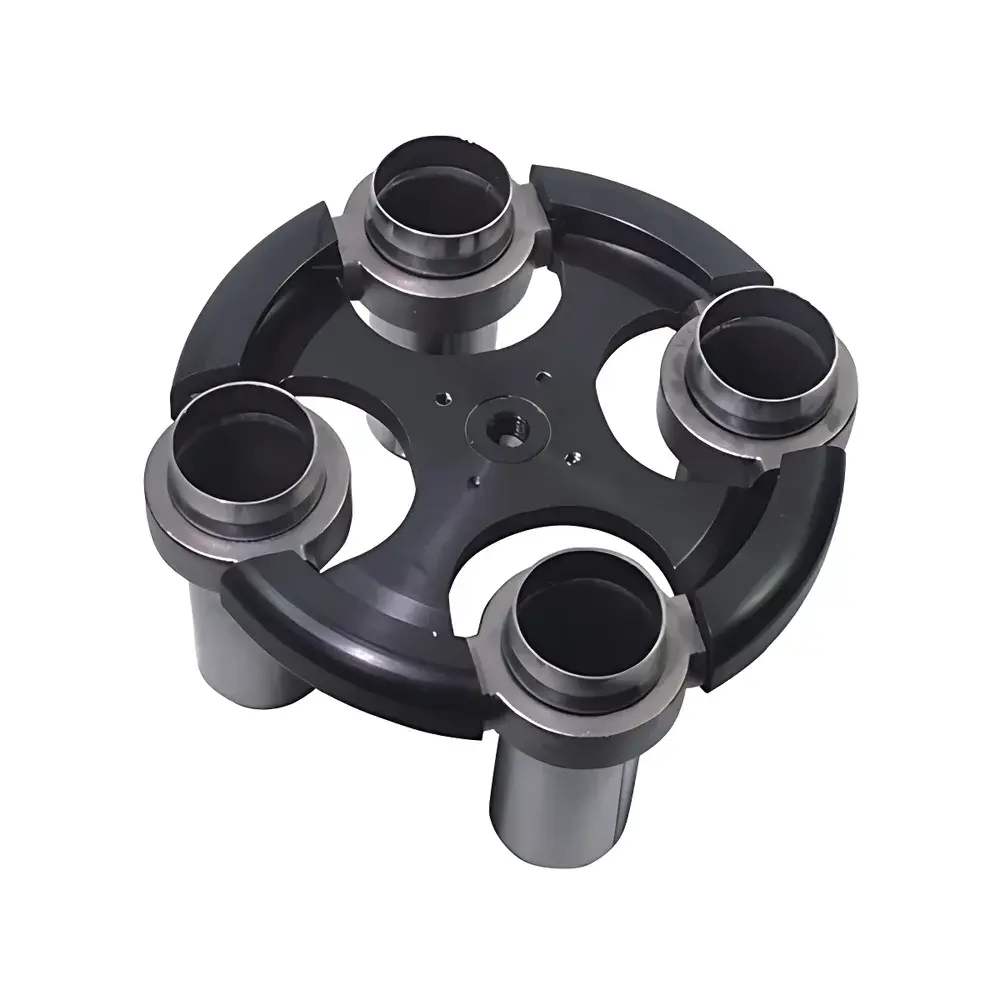
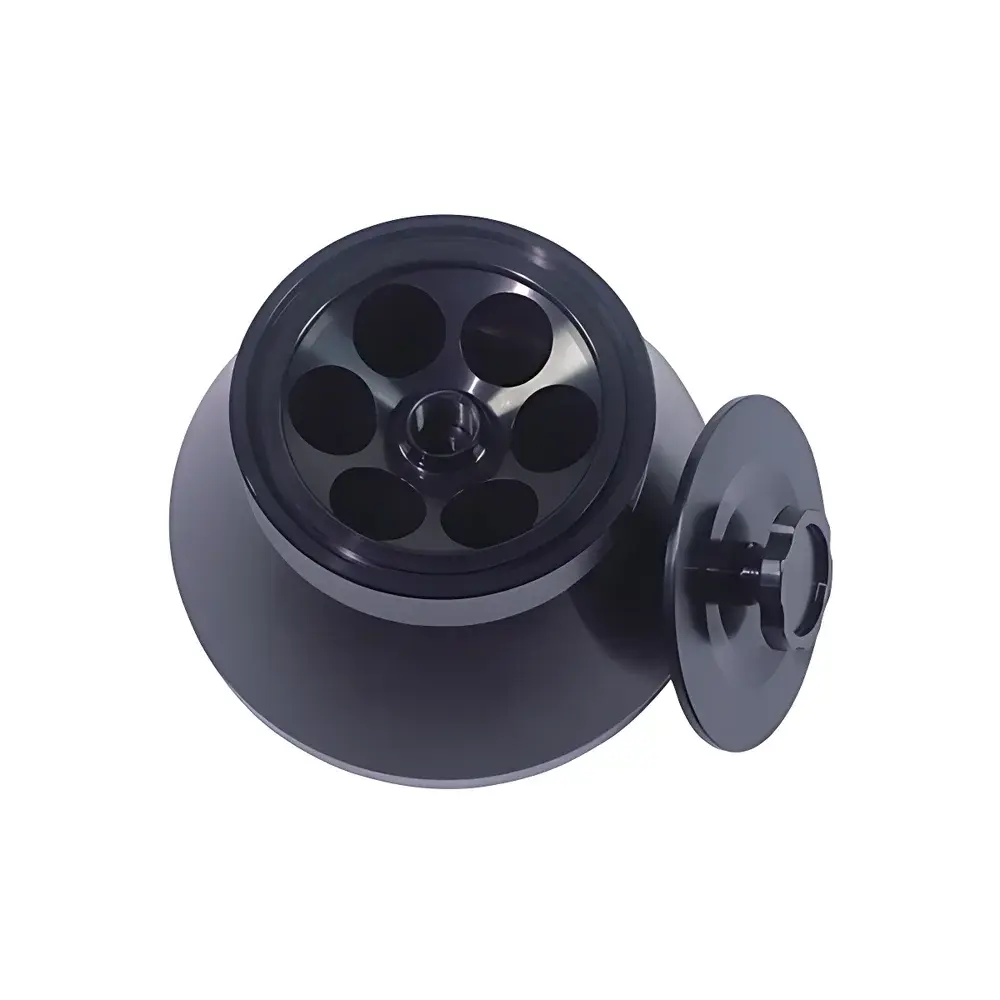
| Configuration | Fixed-Angle Rotor |
| Maximum Capacity | 4 × 100 mL |
| Maximum Speed | 12,000 rpm |
| Maximum RCF | 13,220 × g |
| Dimensions (L×W×H) | 710 × 630 × 350 mm |
| Temperature Range | −20 °C to 40 °C |
| Temperature Accuracy | ±1 °C |
| Acceleration/Deceleration | 10 selectable rates |
| Programmable Methods | 100 stored protocols |
| Rotor Auto-Recognition | Yes |
| Noise Level | ≤60 dB(A) |
| Power Supply | AC 220 V, 50 Hz |
| Total Power | 1.5 kW |
| Net Weight | 75 kg |
| Refrigerant | R404a (non-CFC) |
Overview
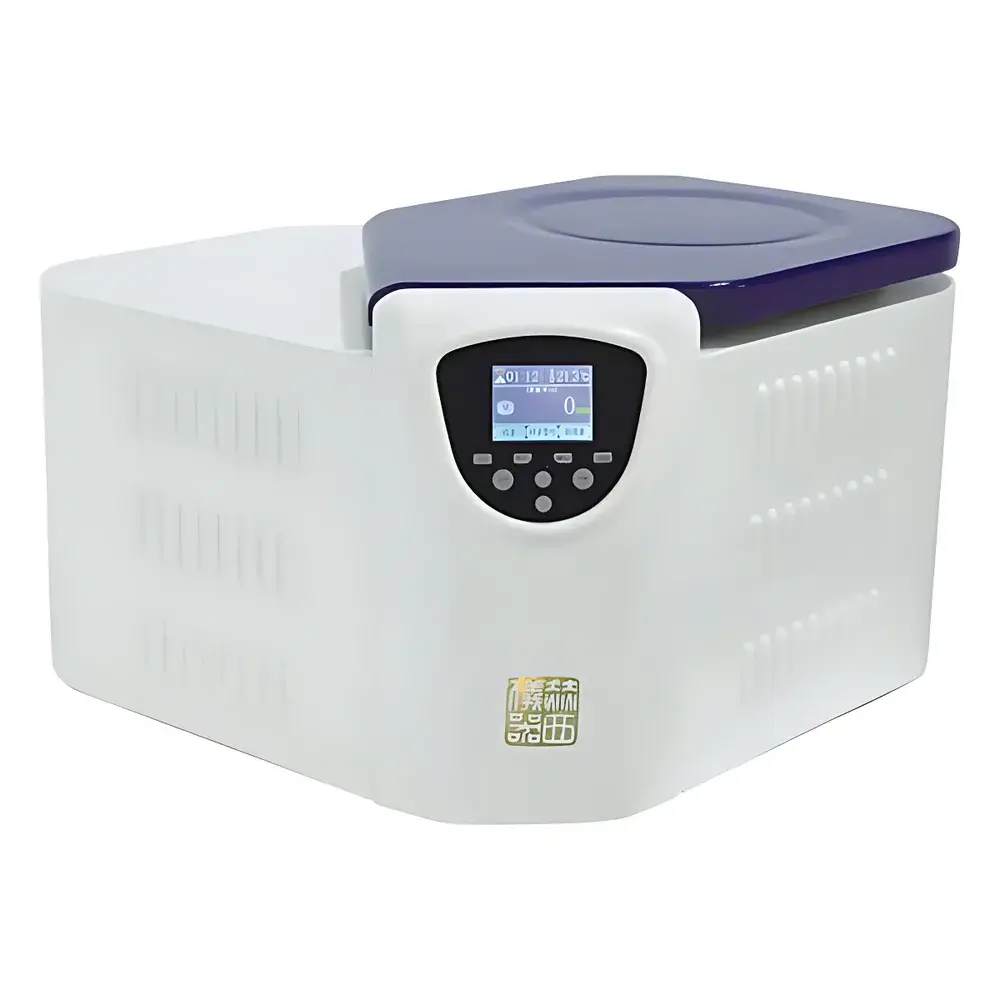
The Herx 3H12RI is a benchtop high-speed refrigerated centrifuge engineered for precision separation of biological and biochemical samples under controlled thermal conditions. It operates on the principle of sedimentation acceleration via rotational force (RCF), enabling rapid pelleting of subcellular components—including organelles, viruses, nucleic acids, and protein complexes—while maintaining sample integrity through active temperature regulation. Designed for laboratories requiring reproducible, GMP-aligned workflows in life sciences, clinical diagnostics, food safety testing, and biopharmaceutical QC, the 3H12RI delivers stable performance at up to 12,000 rpm and 13,220 × g, with real-time thermal management across a wide operating range (−20 °C to +40 °C). Its architecture integrates industrial-grade components—including a brushless frequency-controlled motor, dsPIC30F microcontroller-based control system, and FAIRCHILD FSBB30CH intelligent drive modules—to ensure long-term operational reliability and electromagnetic compatibility in shared lab environments.
Key Features
- Brushless high-torque frequency-controlled motor with integrated thermal protection and dynamic imbalance compensation
- Microprocessor-based control system featuring dsPIC30F series MCU and dedicated motor driver ICs for precise speed regulation (±50 rpm accuracy)
- Triple-layer reinforced steel rotor chamber with mechanical interlock and electromagnetic door lock for operator safety
- 4.3-inch TFT true-color touchscreen interface supporting dual-input (touch + physical key) operation; displays real-time setpoints and actual values for speed, RCF, temperature, time, and acceleration/deceleration profile
- Intelligent rotor auto-recognition system that validates rotor identity and enforces maximum speed limits per installed configuration
- 10 programmable acceleration and deceleration ramps to minimize sample resuspension and tube stress
- 100 user-definable protocols with non-volatile memory storage; supports parameter cloning, batch editing, and timestamped method export
- Low-noise design (≤60 dB[A]) achieved through optimized airflow ducting, vibration-damping suspension, and silent brushless motor operation
Sample Compatibility & Compliance
The 3H12RI accommodates standard laboratory consumables including 1.5 mL and 2.0 mL microcentrifuge tubes (standard rotor), as well as 100 mL conical centrifuge bottles (optional rotor configuration). It complies with IEC 61010-1:2010 for electrical safety in laboratory equipment and meets EN 61326-1:2013 requirements for electromagnetic immunity. While not certified for ISO 13485 or FDA 21 CFR Part 11 out-of-the-box, its audit-ready data logging capabilities—including full protocol traceability, event timestamps, and user-access logs—support GLP/GMP documentation practices when deployed with validated SOPs. The unit uses R404a refrigerant, compliant with current non-ozone-depleting substance guidelines applicable to laboratory HVAC and cooling systems.
Software & Data Management
The embedded firmware provides local data persistence for all run records—including start/stop times, rotor ID, final speed, temperature deviation history, and fault codes—with automatic overwrite protection for the most recent 1,000 cycles. USB port enables secure export of CSV-formatted logs for external analysis or LIMS integration. No proprietary software installation is required; exported files are compatible with common spreadsheet and statistical platforms (e.g., Excel, JMP, Python pandas). Audit trail functionality includes operator ID tagging (via optional password-protected login), change tracking for critical parameters, and tamper-evident file hashing for regulatory review.
Applications
- Preparative isolation of mitochondria, lysosomes, and synaptic vesicles from tissue homogenates
- Clarification of bacterial lysates prior to chromatographic purification of recombinant proteins
- Routine plasma/serum separation in clinical and blood bank settings
- Concentration of viral particles for titer determination or vaccine development
- RNA/DNA pellet recovery following phenol-chloroform extraction or column-based kits
- Stabilization of thermolabile enzyme complexes during purification workflows
- Quality control testing of colloidal suspensions and nanoparticle formulations
FAQ
What is the minimum temperature achievable during operation?
The refrigeration system maintains a stable setpoint down to −20 °C, with typical stabilization time of ≤15 minutes from ambient (25 °C) to −20 °C at maximum load.
Is rotor calibration required before first use?
No—rotor identification is fully automatic; however, users must verify physical rotor model number against the displayed ID upon installation to prevent mismatch errors.
Can the centrifuge operate without refrigeration?
Yes; the unit supports ambient-temperature runs via manual deactivation of the cooling system while retaining all speed, timing, and safety functions.
Does the device support remote monitoring or network connectivity?
No Ethernet or Wi-Fi interface is built-in; communication is limited to USB data export and local HMI interaction.
What maintenance intervals are recommended for optimal longevity?
Annual inspection of refrigerant pressure, condenser coil cleaning, and verification of door latch torque are advised; rotor lifetime is tracked automatically and alerts appear after 1,000 cycles or 5 years (whichever occurs first).
Related Products



