HF Condensation Reflux Apparatus with Hydrogen Fluoride Distillation System, PTFE Flask and Three-Neck Reactor with Integrated Separator
| Brand | Nanjing Binzhenghong |
|---|---|
| Origin | Jiangsu, China |
| Manufacturer Type | Direct Manufacturer |
| Origin Classification | Domestic (China) |
| Model | NJ-HF Apparatus |
| Pricing | Upon Request |
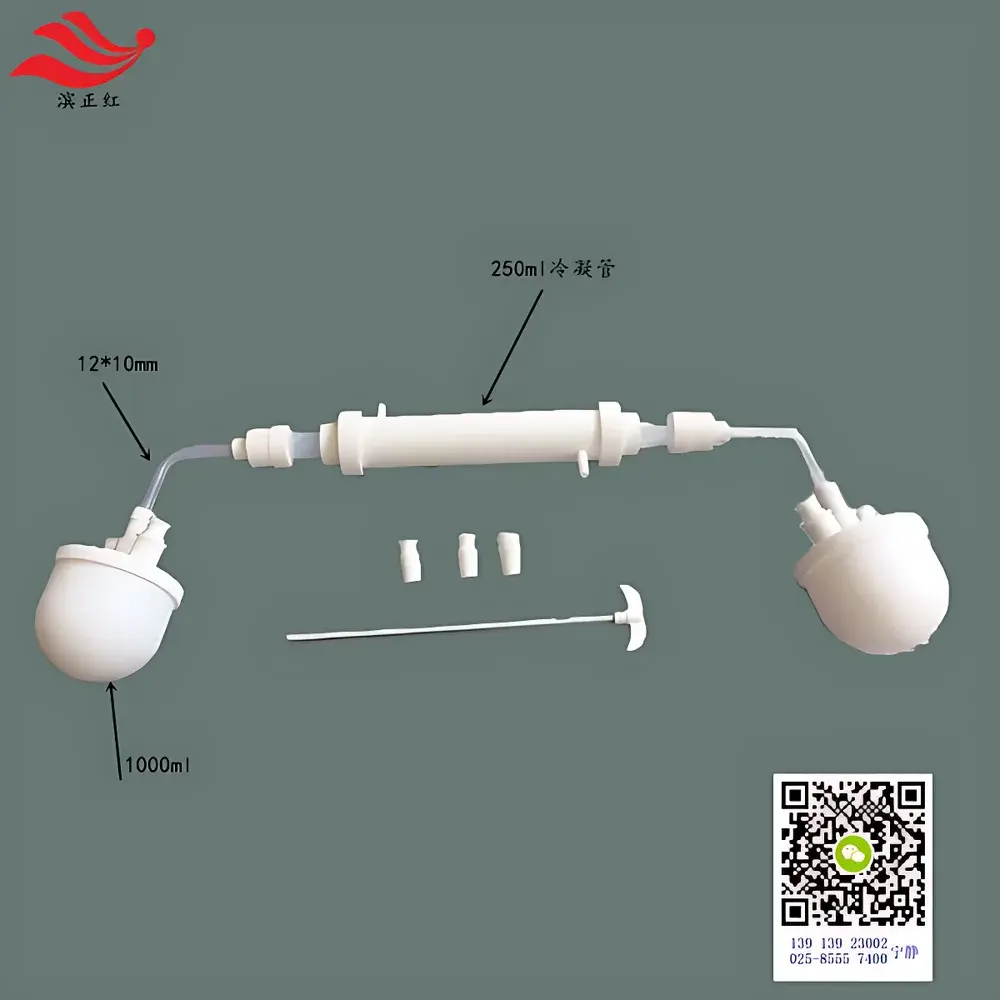
| Vessel Capacities | 250 mL, 500 mL, 1000 mL, 2000 mL |
Overview
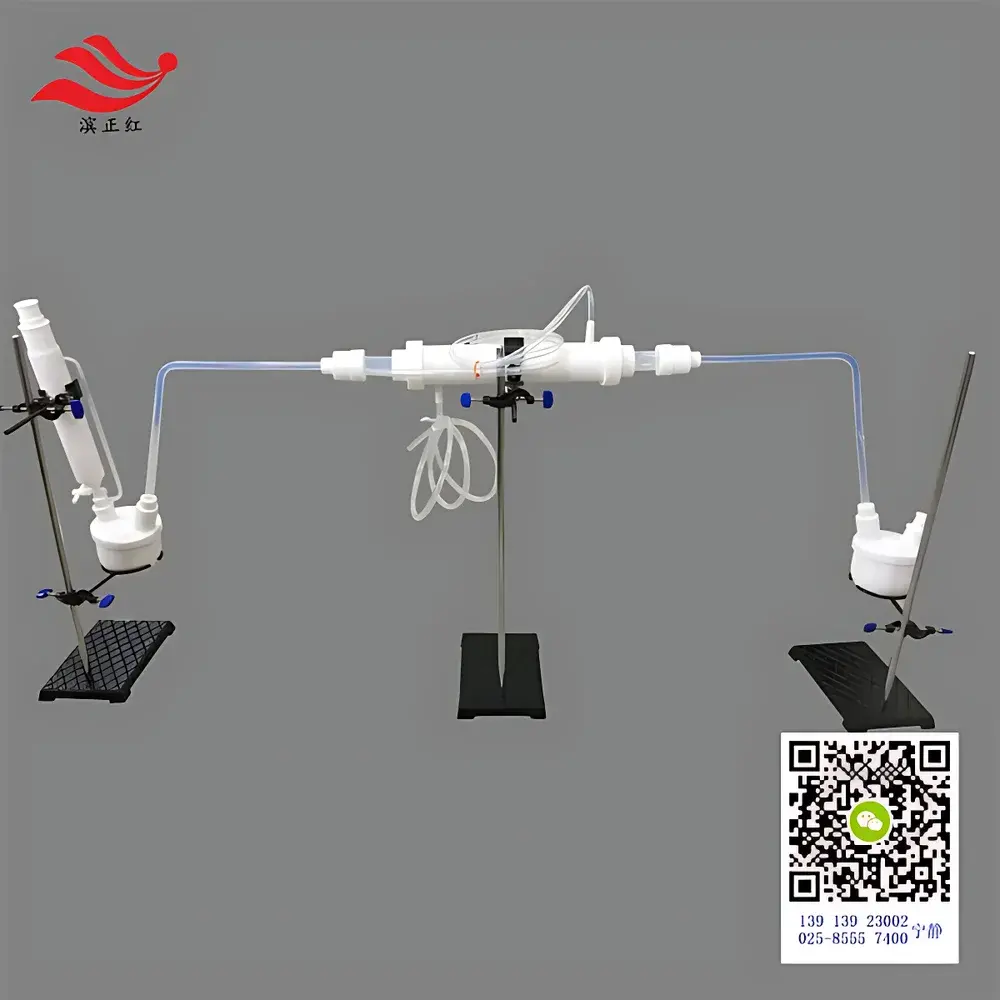
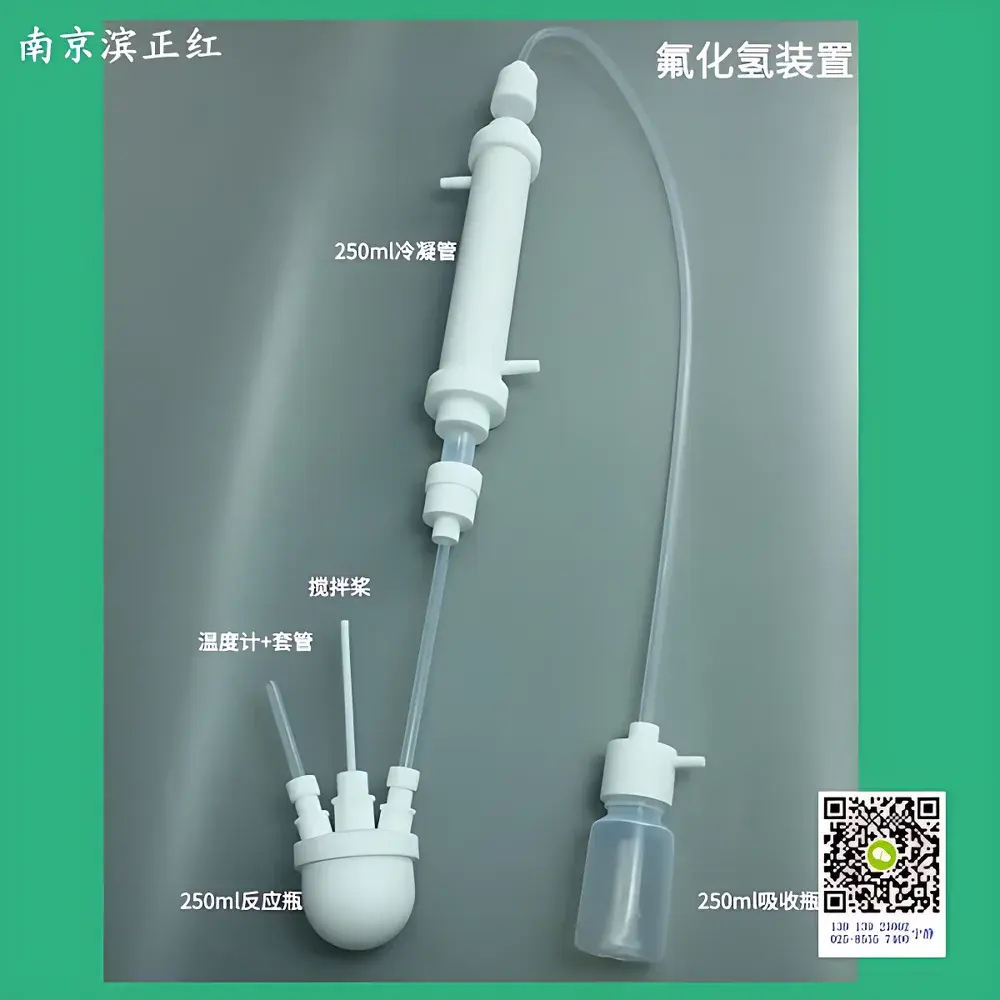
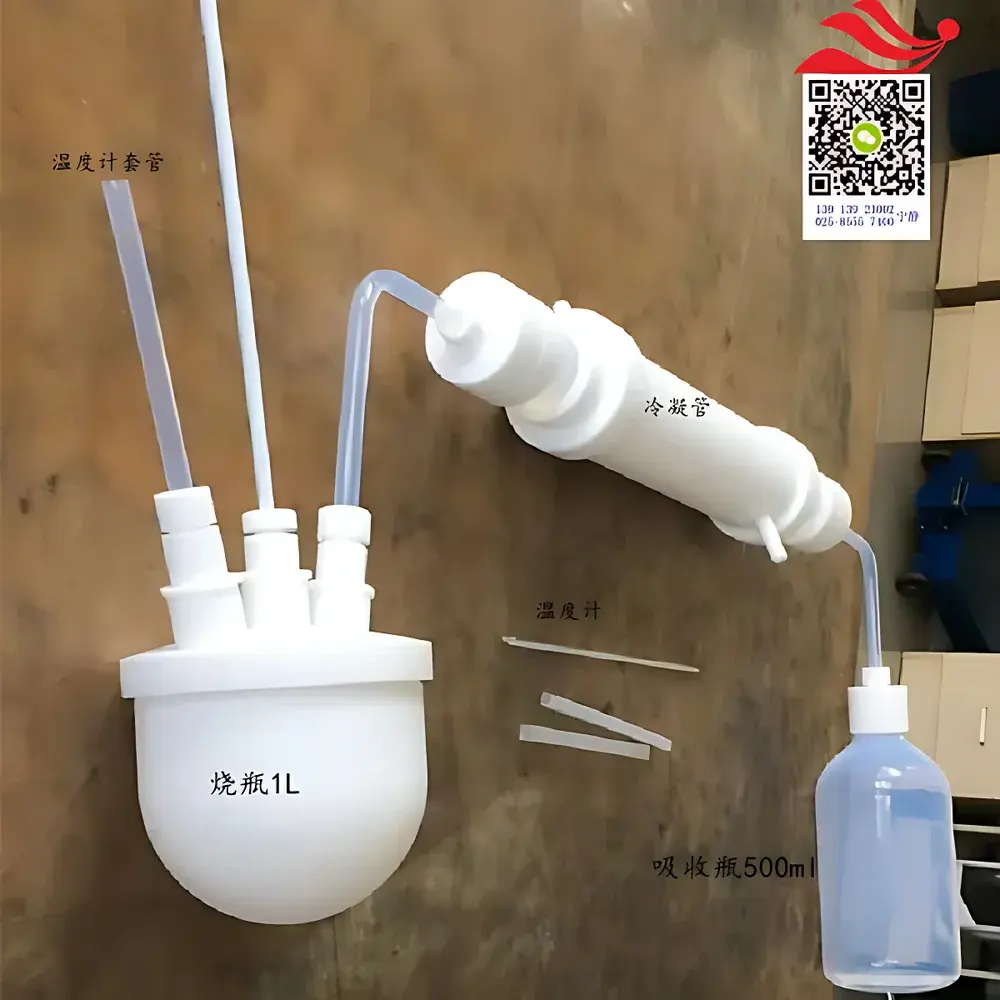
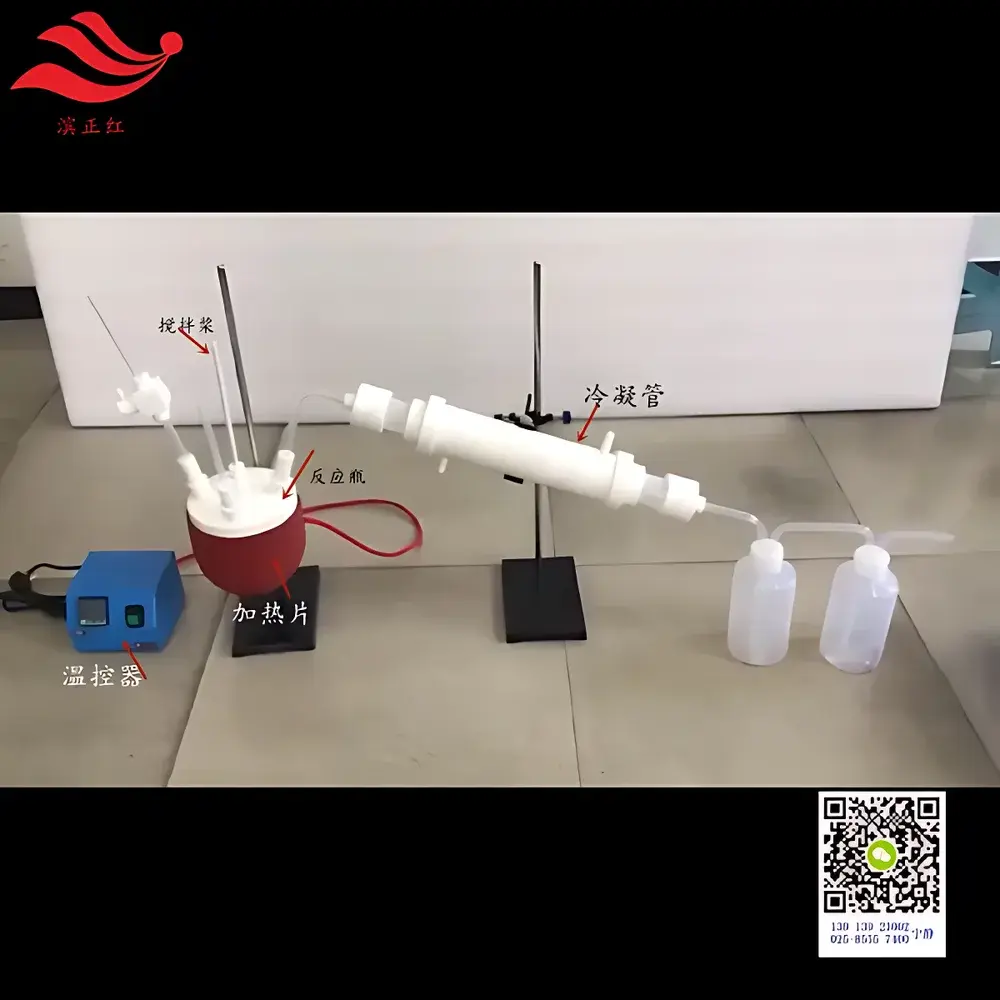
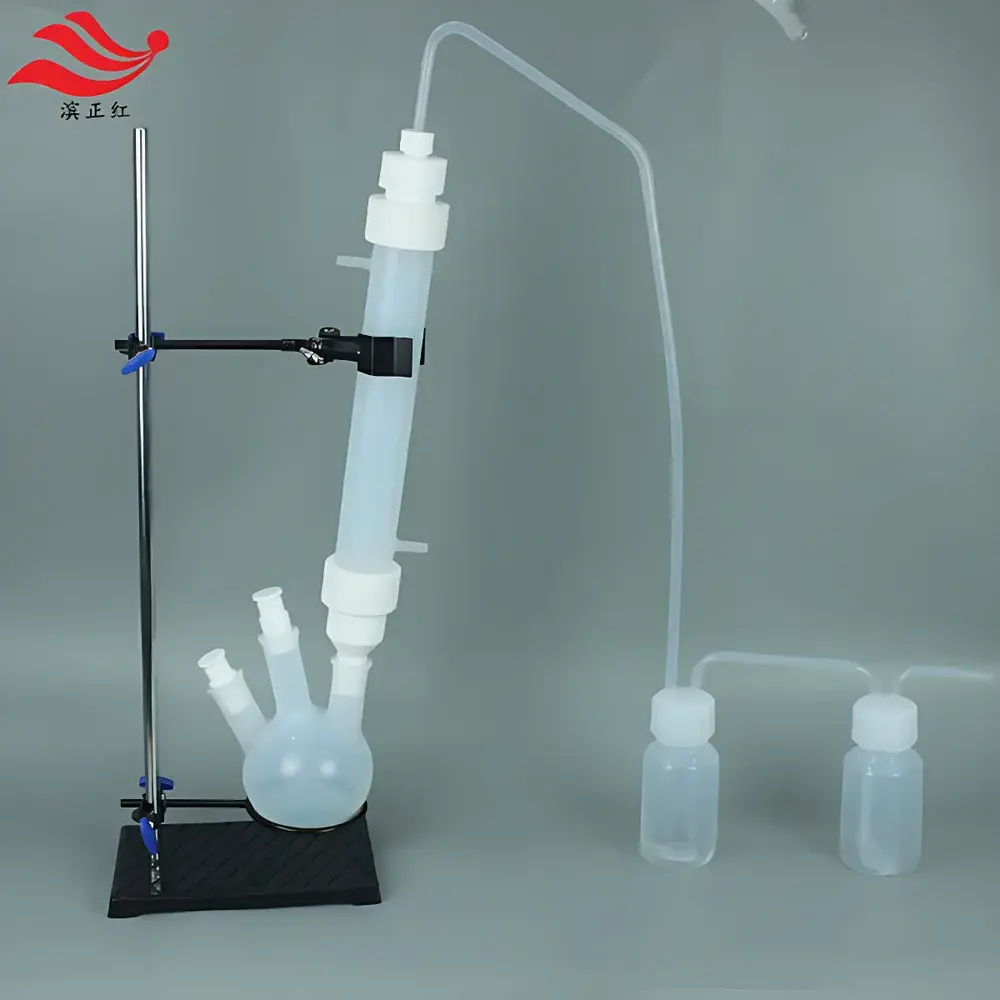
The NJ-HF Apparatus is a specialized, chemically resistant laboratory system engineered for safe handling, fractional distillation, and continuous reflux of highly corrosive hydrogen fluoride (HF) and related fluorinated compounds. Designed in strict accordance with the material compatibility requirements for anhydrous HF processing, the system integrates a three-neck PTFE-coated or fully PTFE-lined reactor, a high-efficiency condensation reflux column, a dedicated HF distillation head with temperature-controlled vapor path, and an inline phase separator for real-time separation of condensed HF-rich fractions from non-volatile residues or by-products. Its operational principle relies on controlled boiling under inert atmosphere (typically N₂ or Ar), precise vapor-phase condensation via jacketed PTFE-coated condensers, and gravity-driven phase separation enabled by density differentials between liquid HF (ρ ≈ 0.99 g/cm³ at 20 °C) and common organic or metal fluoride impurities. This architecture ensures minimal exposure risk, reduced thermal decomposition, and enhanced stoichiometric control during fluorination reactions, HF recovery, or purity upgrading of fluorinated intermediates.
Key Features
- Chemically inert construction: All wetted components—including reaction vessel, condenser, distillation head, and separator—are fabricated from high-purity polytetrafluoroethylene (PTFE) or lined with ≥2 mm thick PTFE coating to withstand prolonged exposure to anhydrous HF, F₂, and Lewis acidic fluorinating agents.
- Modular three-neck reactor design: Standard 24/40 or 29/32 standard taper joints enable simultaneous integration of thermometer, dropping funnel, gas inlet/outlet, and mechanical stirring—compatible with PTFE-coated stir bars or magnetic drive agitators.
- Integrated reflux–distillation–separation workflow: Eliminates manual transfer steps; vaporized HF passes through a thermostatically stabilized condenser (operable up to 120 °C ambient jacket temperature), then flows directly into a calibrated PTFE phase separator with sight gauge and bottom drain valve.
- Scalable volumetric configuration: Available in four nominal capacities—250 mL, 500 mL, 1000 mL, and 2000 mL—each validated for pressure integrity up to 0.3 MPa(g) and thermal cycling from –30 °C to +150 °C.
- Leak-tight sealing system: Dual O-ring grooves with perfluoroelastomer (FFKM) seals at all critical joints ensure long-term vacuum compatibility (<1 × 10⁻² mbar) and prevent HF permeation or fugitive emissions.
Sample Compatibility & Compliance
The NJ-HF Apparatus is intended exclusively for laboratory-scale synthesis, purification, and recycling applications involving hydrogen fluoride, ammonium bifluoride (NH₄HF₂), fluorosulfonic acid (FSO₃H), and select transition metal fluorides (e.g., NiF₂, CoF₂). It complies with ISO 8573-1:2010 for compressed gas purity handling when used with certified inert gas manifolds. While not certified to ASME B31.3 or PED 2014/68/EU (as a non-pressurized Class I apparatus under local jurisdiction), its design adheres to the engineering safety margins recommended in ASTM E2654–19 (“Standard Guide for Risk Assessment of HF Handling Systems”) and incorporates fail-safe features aligned with NFPA 484 (Standard for Combustible Metals) Annex D guidelines for fluorine chemistry workspaces. Documentation includes full material traceability (ASTM D4894 for PTFE resin grade), FKM/FFKM certificate of conformance, and assembly QA records.
Software & Data Management
This is a manually operated, analog-controlled apparatus with no embedded electronics or digital interface. Temperature monitoring requires external calibrated Pt100 probes (IEC 60751 Class A) connected to standalone data loggers. Pressure readings are obtained via diaphragm-type HF-compatible gauges (e.g., WIKA model A10-F). All process parameters—reflux ratio, distillate collection volume, condenser jacket temperature, and feed rate—are recorded manually in GLP-compliant laboratory notebooks. For regulatory traceability, users are advised to maintain contemporaneous entries per 21 CFR Part 11 Annex 11 principles using electronic lab notebooks (ELN) with audit trail functionality when paired with external sensors.
Applications
- Synthesis of high-purity alkyl fluorides and fluoroaromatics via Halex reactions under controlled reflux conditions.
- Recovery and re-concentration of spent HF catalysts from petrochemical alkylation units (e.g., isobutane/butene processes).
- Purification of lithium hexafluorophosphate (LiPF₆) precursor solutions prior to electrolyte formulation.
- Decomposition studies of fluorinated polymers (e.g., PVDF, ETFE) under controlled pyrolytic–hydrolytic conditions.
- Preparation of anhydrous metal fluorides (e.g., AlF₃, MgF₂) via metathesis with NH₄HF₂ in sealed PTFE reactors.
FAQ
Is the NJ-HF Apparatus suitable for use with aqueous HF solutions?
No. This system is designed exclusively for anhydrous HF and non-aqueous fluorinating media. Aqueous HF introduces severe corrosion risks to PTFE support structures and compromises seal integrity due to hydrogen bonding–induced swelling.
Can the separator accommodate immiscible organic phases (e.g., chlorobenzene/HF)?
Yes—provided the organic phase exhibits sufficient density contrast (>0.15 g/cm³ difference) and low mutual solubility with HF. Validation testing with representative solvent pairs is required prior to routine use.
What maintenance intervals are recommended for FFKM seals?
FFKM seals should be inspected visually before each use and replaced after 50 operational cycles or 6 months of storage, whichever occurs first, per manufacturer’s service bulletin BNZ-HF-SEAL-2023.
Does the apparatus include pressure relief provisions?
A dedicated rupture disc (rated at 0.35 MPa) is supplied as optional ancillary equipment—not pre-installed—to comply with institutional EH&S policies requiring overpressure protection on closed HF systems.